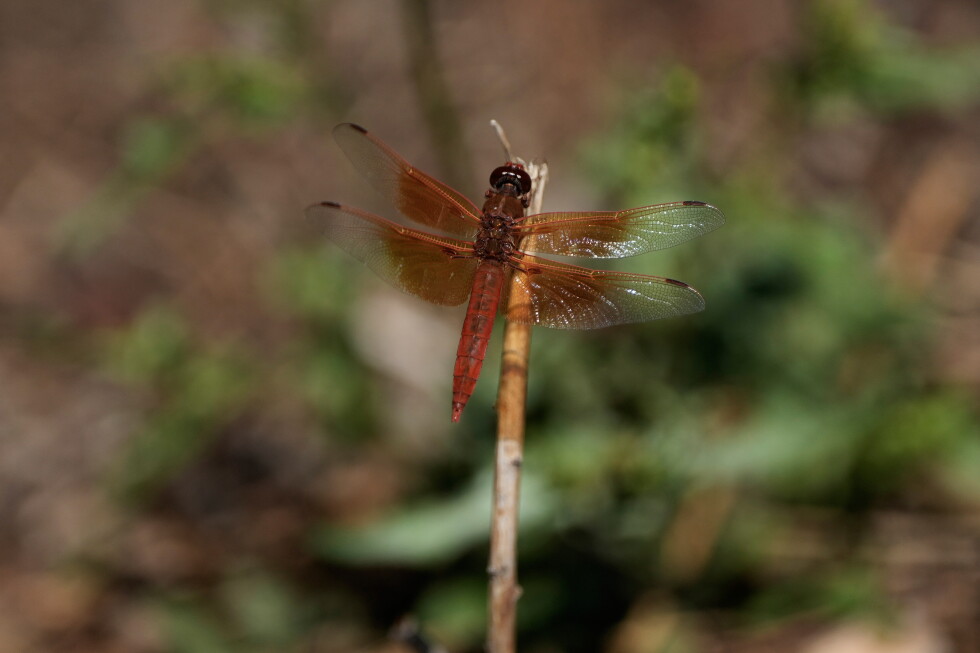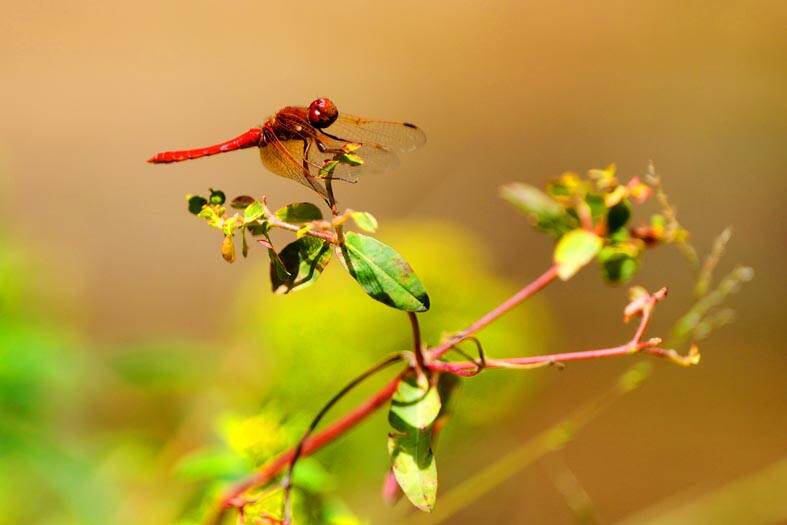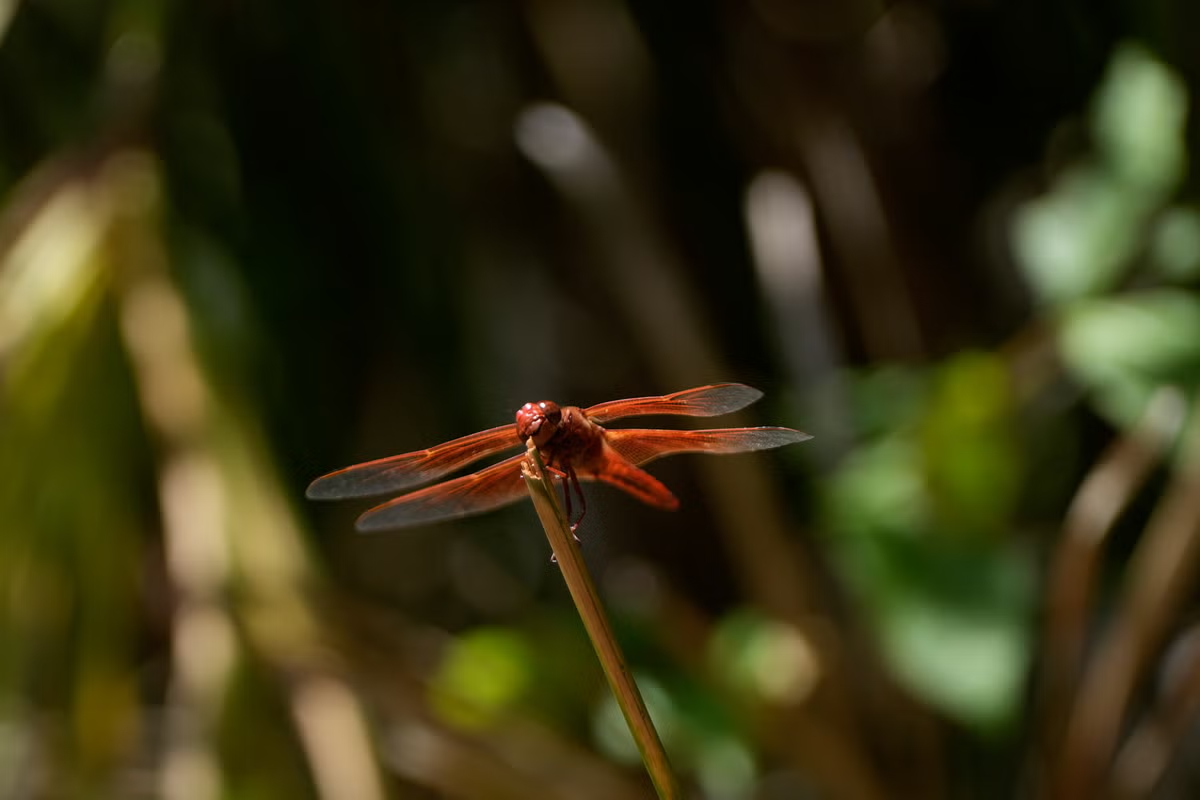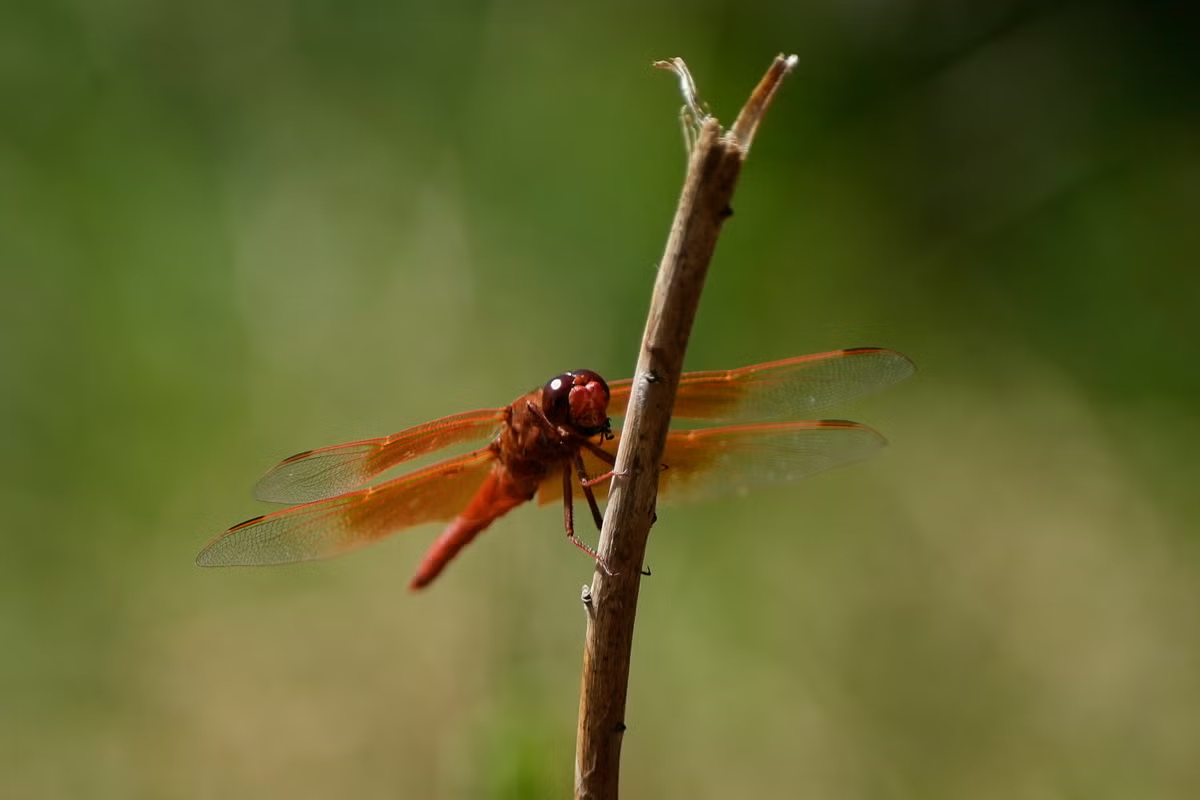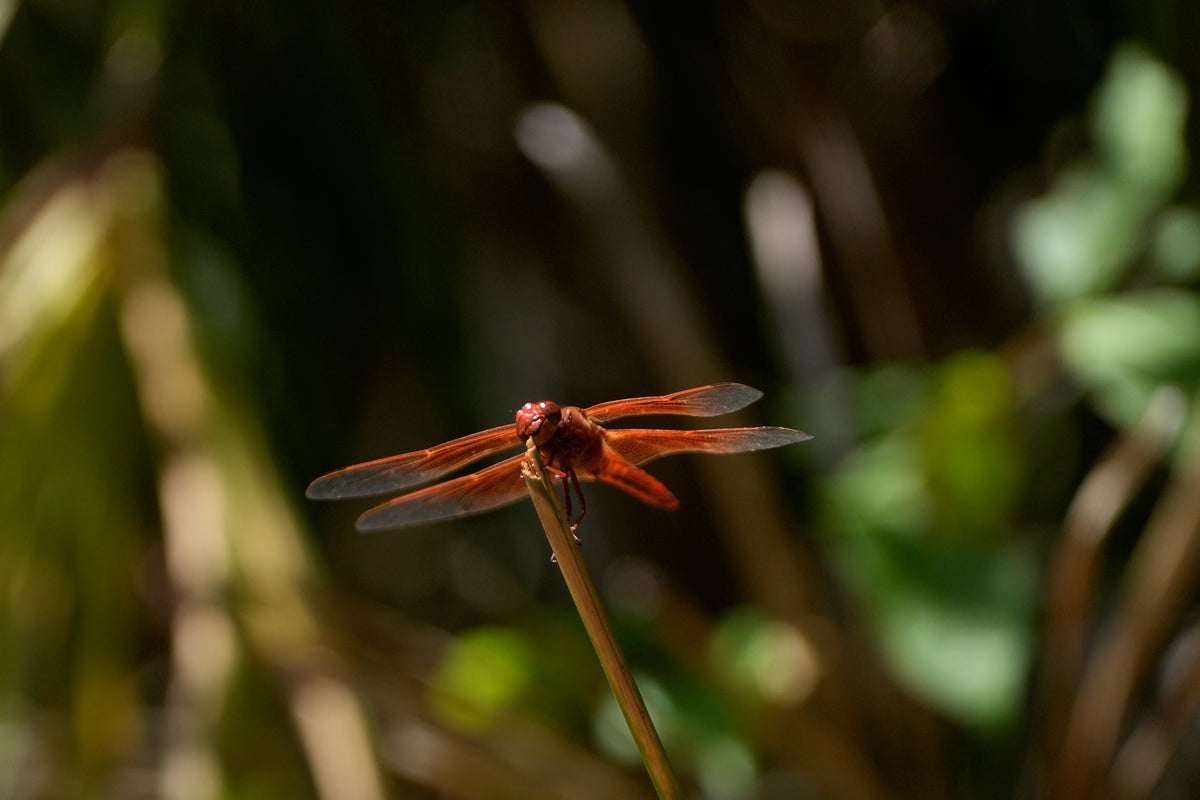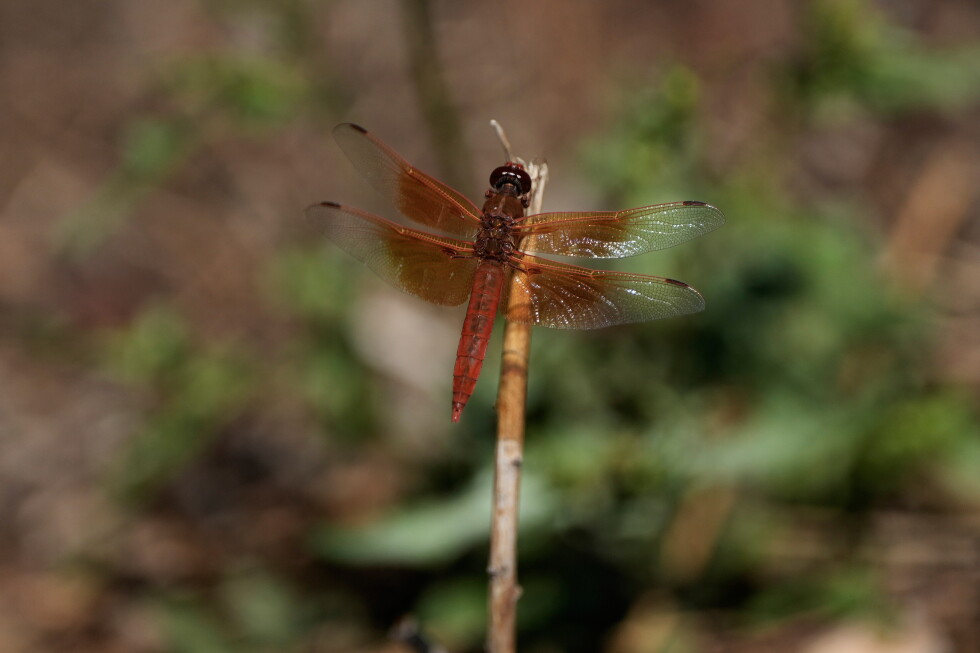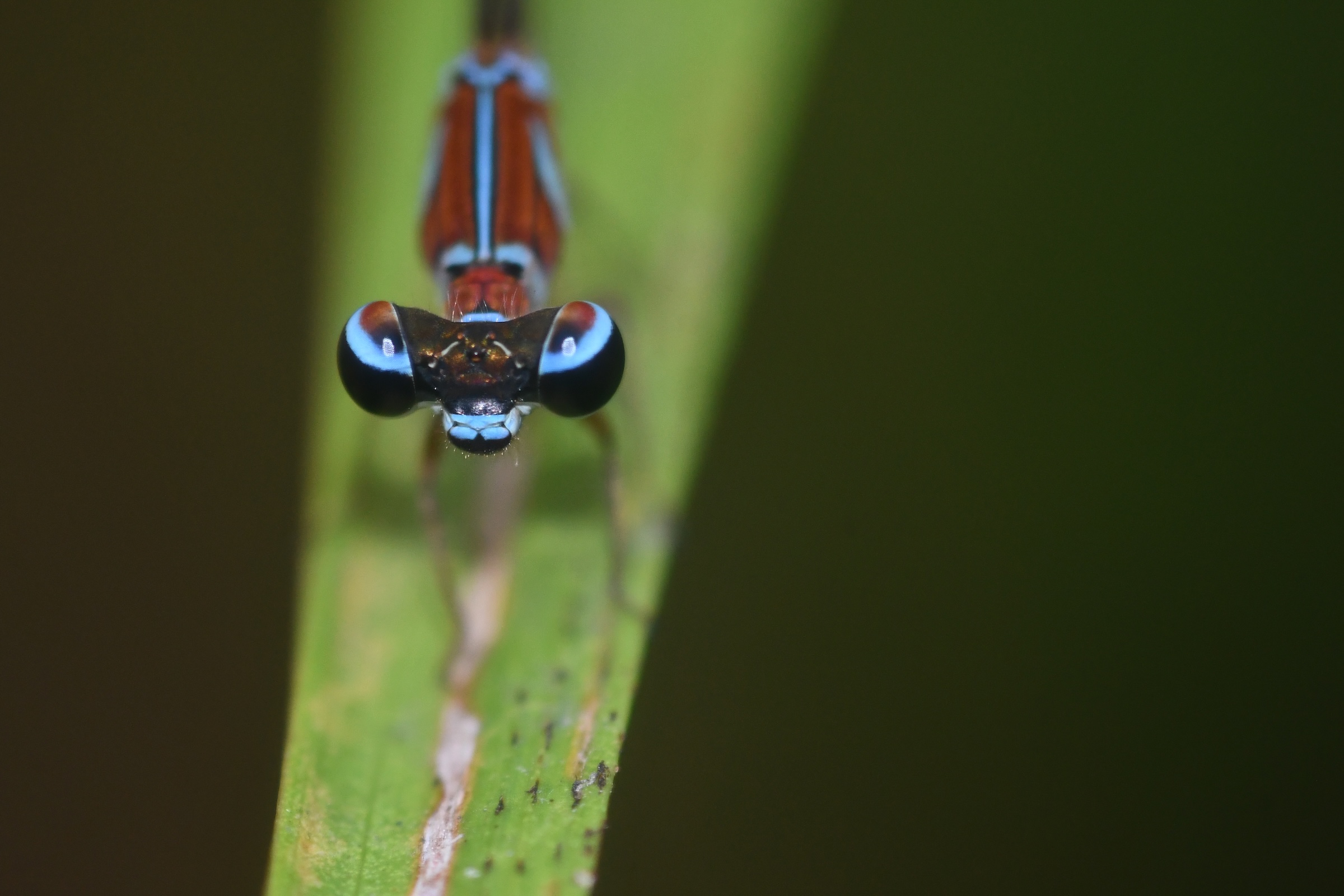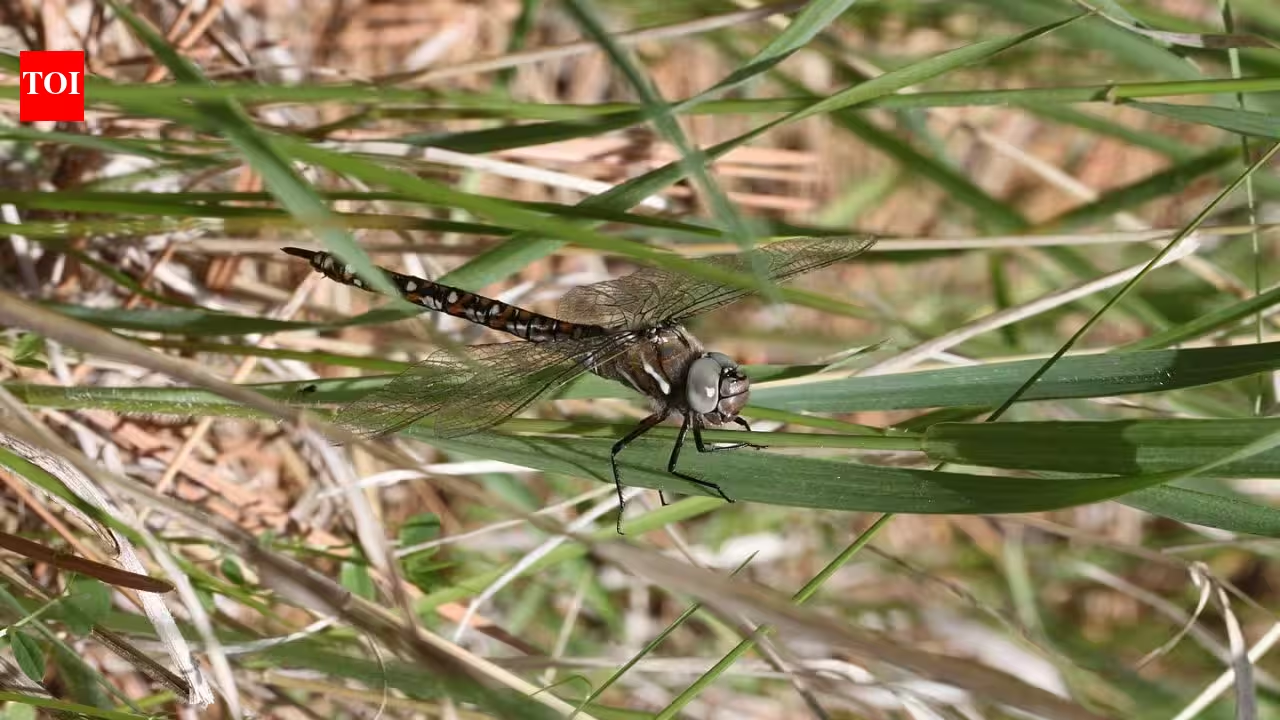
Dragonfly in San Jose, California. Image Credit: Wikimedia CommonsCalifornia is seeing an unusual surge in dragonflies, with large groups appearing over parks, ponds and farms after warm spring and early summer rain. The insects have been especially noticeable around the San Francisco Bay Area, where residents have reported seeing dozens flying together. Oakland nursery owner Peter Veilleux even counted about 100 dragonflies in one group while walking his dog near Lake Merritt. The sudden appearance may look mysterious, but experts say weather conditions probably created the right opportunity for the insects to spread. According to The Associated Press(AP), dragonfly expert Kathy Biggs believes warm monsoon storms helped drive the increase, with many of the insects likely being ‘wandering gliders,’ a migratory species capable of travelling long distances. For Californians, the spectacle is not only striking but also useful, because these natural predators feed on mosquitoes and crop pests.Warm spring rains triggering huge dragonfly swarmsKathy Biggs, a dragonfly expert and co-author of ‘Dragonflies of California,’ told AP that unusually warm monsoon storms moved through the state during late spring and early summer. Those conditions appear to have helped produce the huge number now being seen. Many of the dragonflies are probably wandering gliders. Unlike species that remain close to the water where they emerge, wandering gliders are highly migratory and can turn up in large numbers when weather conditions are favourable. The insects can travel long distances by taking advantage of changes in air pressure. Biggs described their movement as effectively ‘surfing’ the pressure systems created by the monsoon weather. They can reach speeds of about 35 mph (56 kph), allowing them to cover considerable distances. That explains why people in different parts of California can suddenly encounter large swarms of dragonflies. The insects do not necessarily remain in one location for long. Biggs said migratory species can stay somewhere for only a few days before moving on.Rhionaeschna californica found in Refuge Wildlife Viewing Area, first darner to be seen in spring. Image Credit: Bob Danley / USFWSWhat dragonflies are doing around farms in CaliforniaThe swarms are more than an unusual summer sight. They are also providing farmers with a natural form of pest control. AP reported that Joe Del Bosque, who farms in Fresno County noticed unusually large numbers of dragonflies flying about 10 to 20 feet (3 to 6 metres) above him earlier in August. Dragonflies are welcome visitors on his farm because they prey on insects that can damage crops. Del Bosque said the dragonflies feed on aphids, whiteflies and fruit flies, while also catching larger flying insects such as adult aphids and moths. He compared the insects to tiny fighter jets because of the way they rapidly chase and capture prey in mid-air. Ladybirds also help control pests around the crops, but dragonflies bring a different advantage by targeting insects while they are flying.Why are dragonflies such effective huntersDragonflies are remarkably efficient predators. Chris Grinter, senior collection manager of entomology at the California Academy of Sciences in San Francisco, said that their strong flight muscles, excellent vision and agility make them particularly effective hunters. More than 90% of their hunting attempts are successful. He also said a dragonfly can eat hundreds of mosquitoes in a single day. That makes the sudden California swarms potentially beneficial for people as well as farms. California has about 70 species of dragonflies, although most are not migratory. Many remain close to the places where they emerge. The wandering gliders responsible for much of the current spectacle are different because they can travel with changing weather systems.Beaverpond clubtail. Image Credit: Reuven Martin/WikipediaLife cycle of dragonfliesThe swarms seen above California are only the brief flying stage of a much longer life cycle. Dragonflies spend most of their lives underwater. After mating, females lay tiny eggs in freshwater. Once the eggs hatch, the young insects, known as nymphs, remain underwater and hunt other small creatures. According to AP, this underwater stage can last at least six months and, for some species, as long as five years. During that time, nymphs can feed on mosquito larvae, tadpoles and even other dragonfly nymphs. Eventually, they emerge from the water, shed their skin and become the familiar four-winged insects seen around ponds and fields. Their wings can move independently, allowing them to fly forwards, backwards, upwards and downwards and even hover in place. Once airborne, however, their lives are relatively short. Adults may survive for only a few weeks or months, spending that time hunting, moving between freshwater habitats and reproducing.People who enjoy watching dragonflies can make their gardens more welcoming to them. Biggs recommends avoiding pesticides and creating fish-free ponds where dragonflies can reproduce. Sunny areas with places for the insects to perch can also provide suitable conditions. Such spaces can offer dragonflies somewhere to rest while giving them access to the small insects they hunt. The sight nevertheless offers a reminder of how quickly insects can respond when weather, water and food come together.
Thousands of dragonflies are suddenly swarming across California, and the insects could help farmers control crop pests naturally
California is seeing an unusual surge in dragonflies, with large groups appearing over parks, ponds and farms after warm spring and early summer rain. The insects have been especially noticeable around the San Francisco Bay Area, where residents have reported seeing dozens flying together.
829 words~4 min read