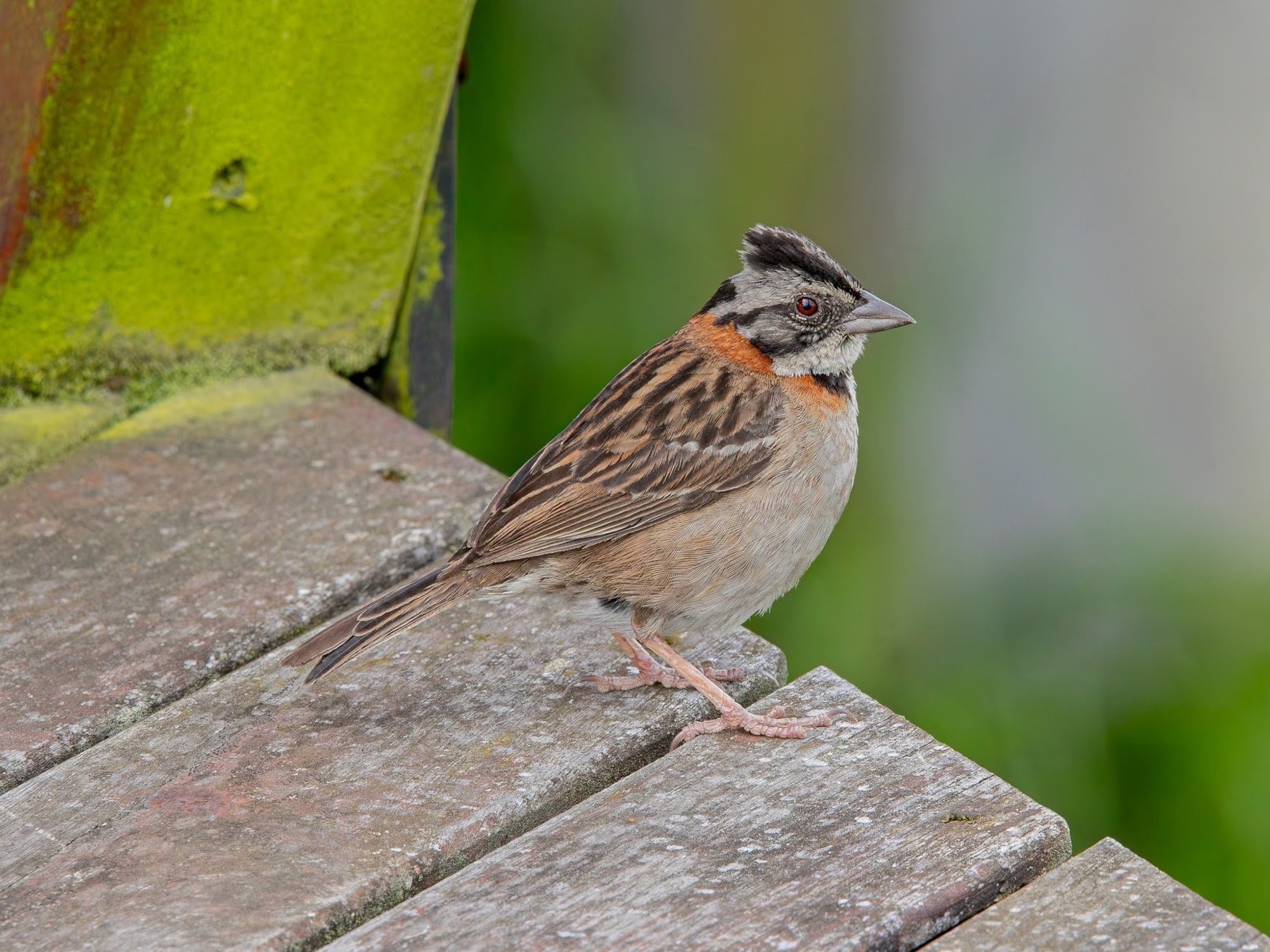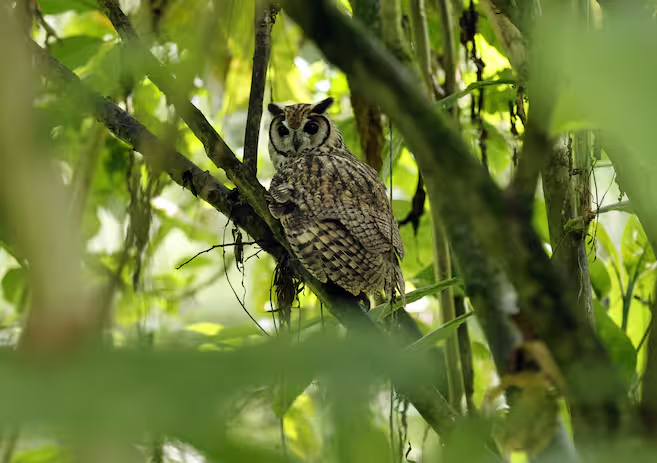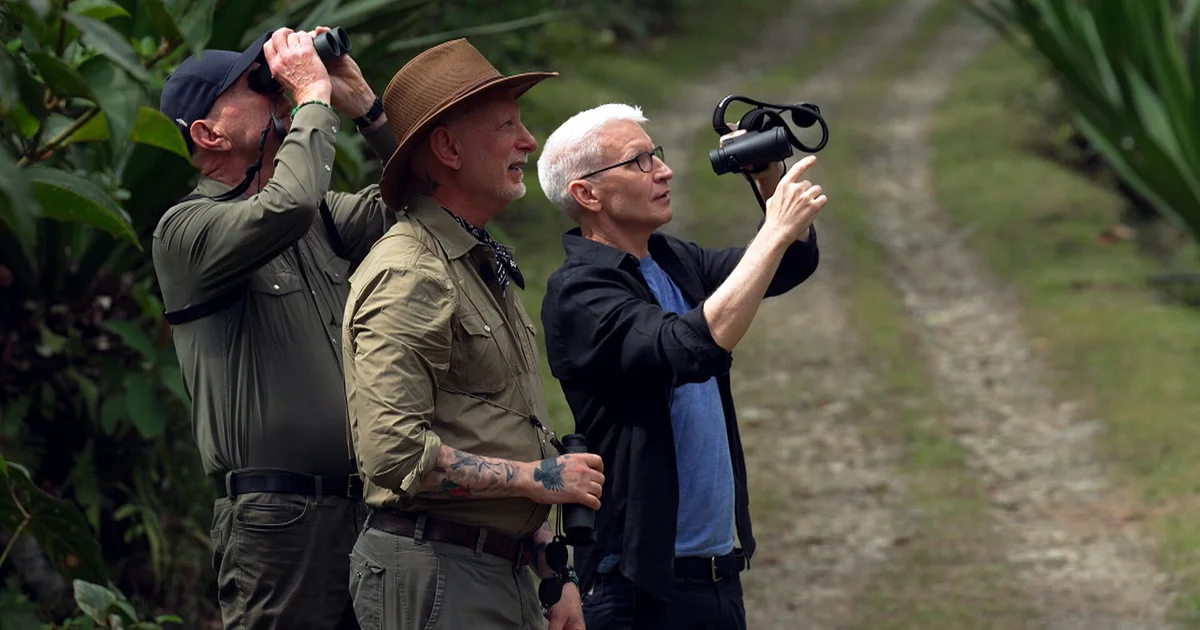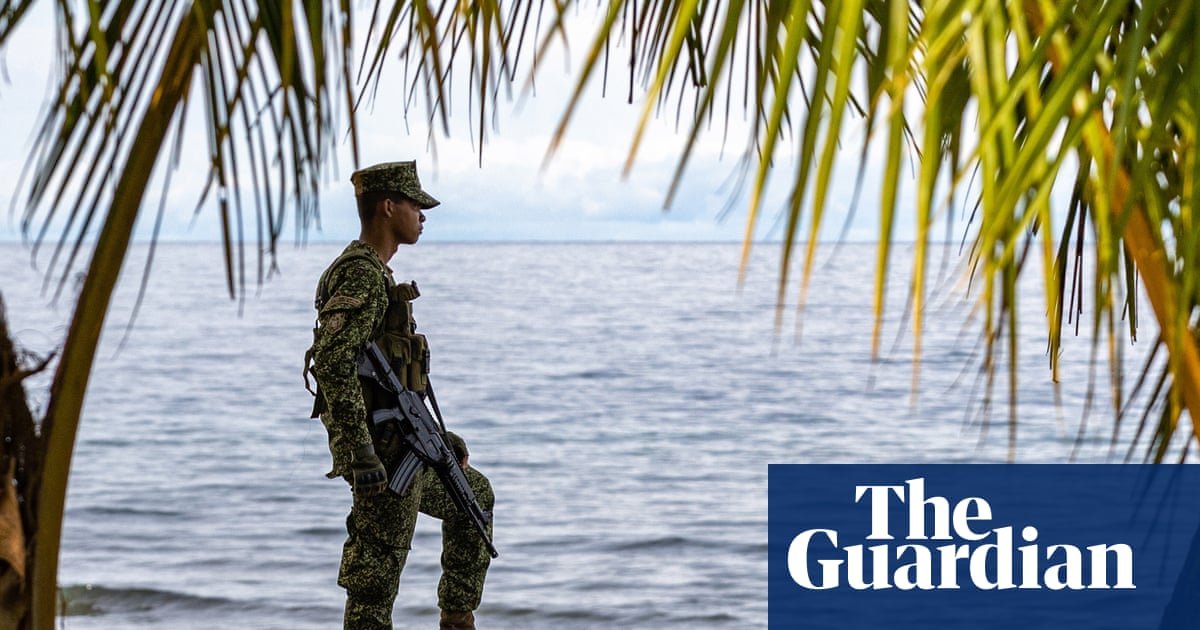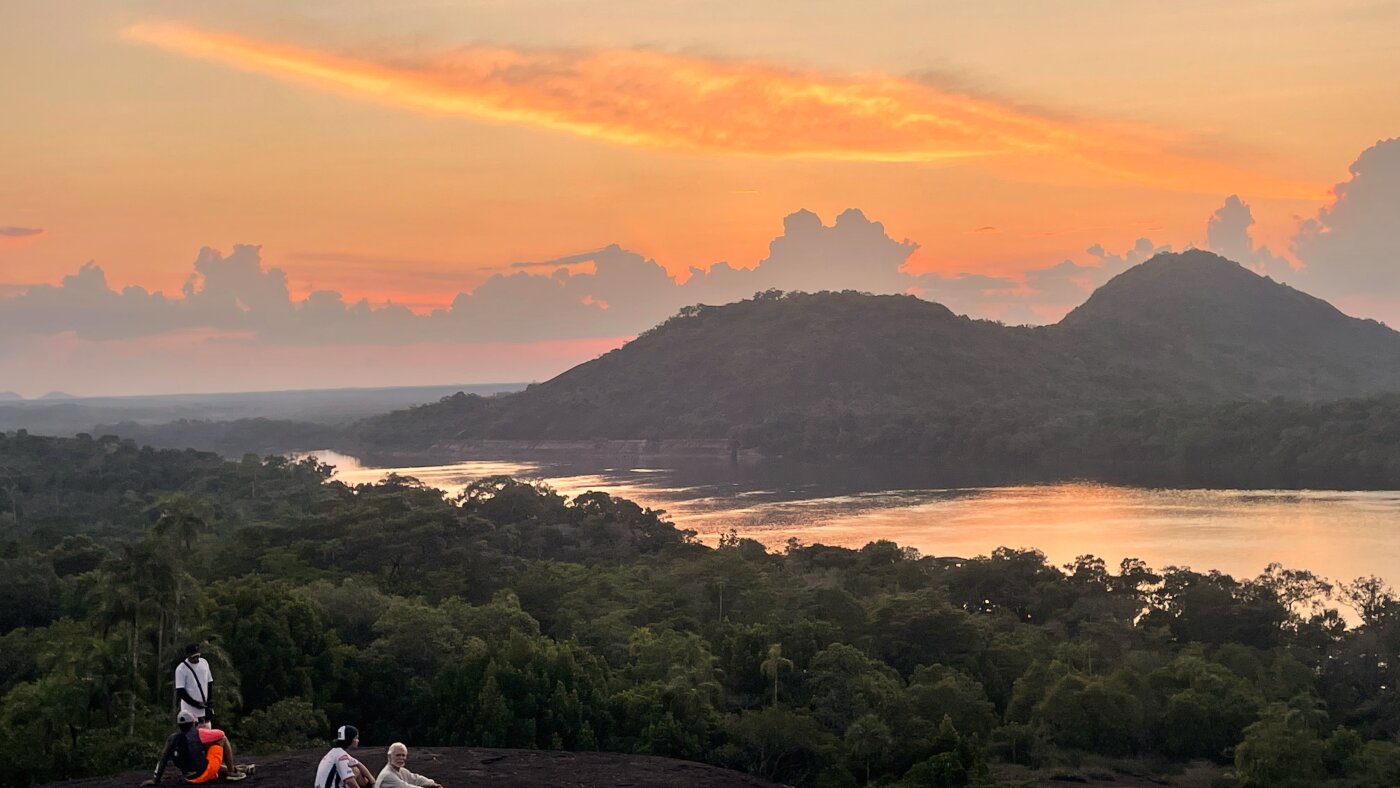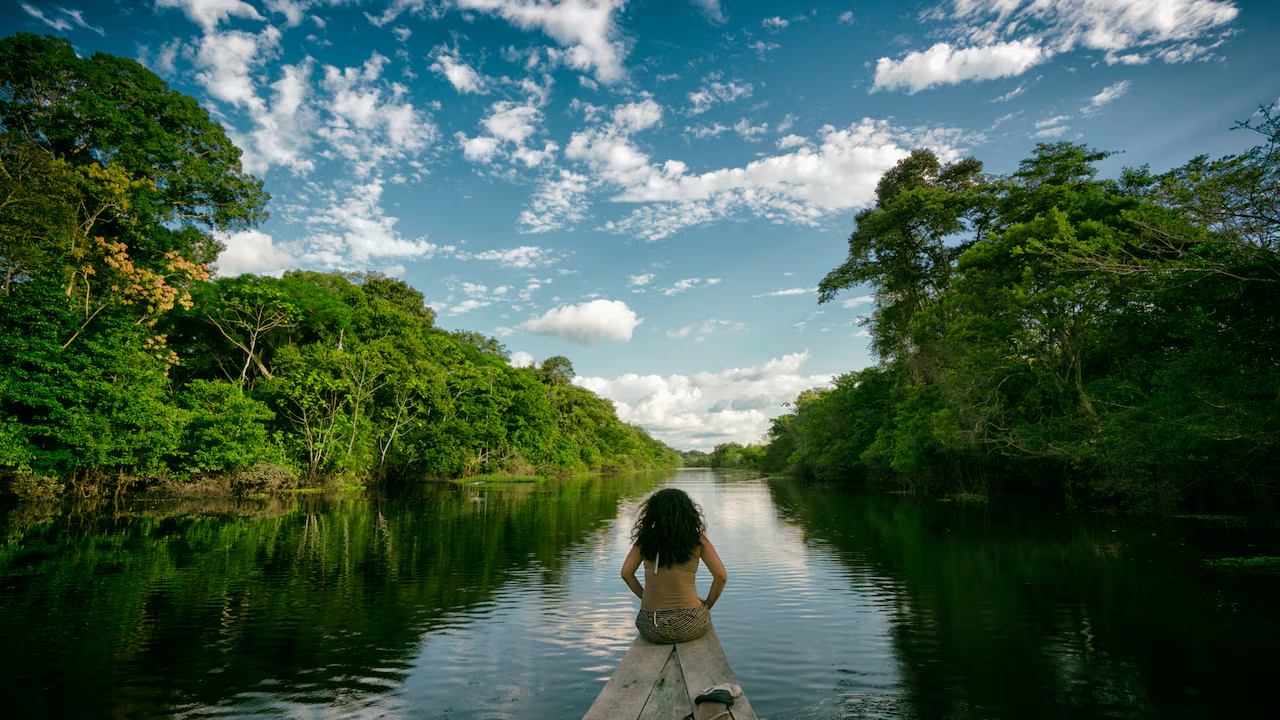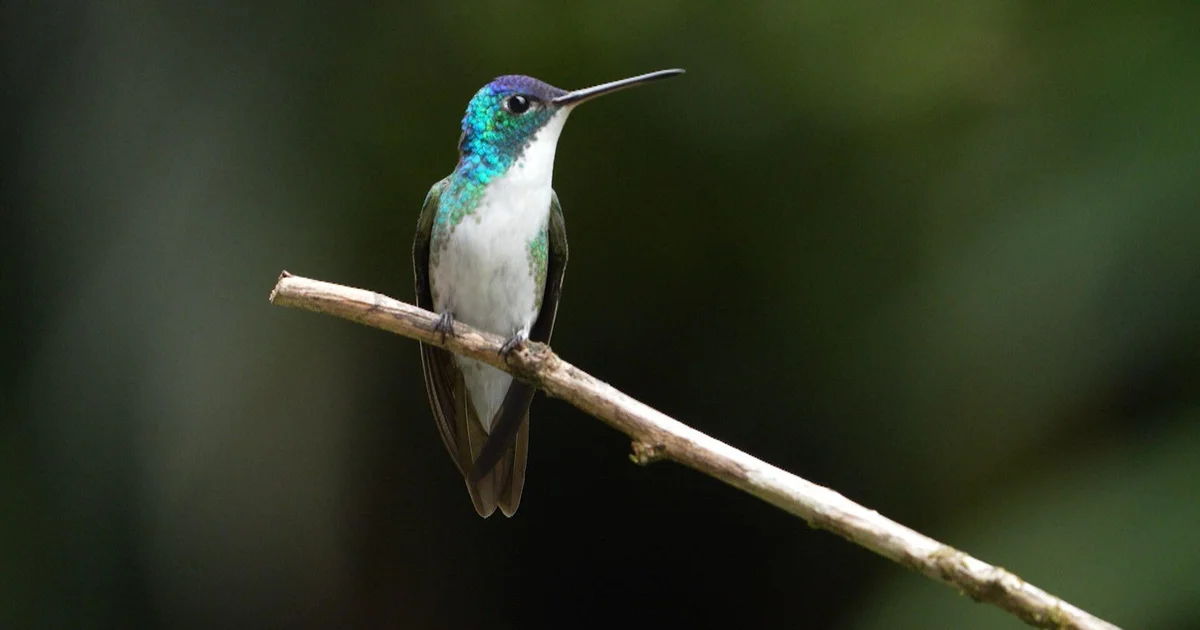
This is an updated version of a story first published on May 3, 2026. The original video can be viewed here. Once in a while we get to travel so far off-the-beaten track, there's hardly a track at all. That was the case last year when we went to the mountains of western Colombia. There are some 2,000 species of birds in that South American country, more than anywhere else on Earth – partly because of its diverse geography but also, surprisingly, because of war. Decades of fighting among the Colombian government, left-wing guerrillas, right-wing paramilitaries, and narco-traffickers made some areas so dangerous, few people could go there, preserving the birds' habitat. But since 2016 when Colombia's government signed a peace deal with the FARC, the largest left–wing guerrilla group, it's gotten safer to travel. As we first reported earlier this year, all those species of birds in untouched forests have become an important part of a growing ecotourism industry. It brings in millions of dollars to Colombia's economy, and bird watchers - birders, as they're known – are flocking there, hoping to catch even a fleeting glimpse of species you can't find anywhere else on Earth.On the western slope of the Andes mountains, in an area with few roads in or out, lies Tatamá National Park – a vast stretch of lush rain forest, punctuated by powerful rivers. Delicate flowers blossom in the rain-soaked forest and the sound of birds fills the humid air.This is one of the wettest places on earth. We set off before dawn in a four-wheel drive vehicle, through untouched forest. Hidden in the lush vegetation were all kinds of birds: some shy, others curious. Their colors as vivid as their names: the Blue-grey tanager, the Cinnamon fly-catcher, the Purple-throated woodstar.
Birding paradise flourishes in Colombian region that was once a war zone
In Colombia, decades of fighting between the government, left-wing guerrillas, right-wing paramilitaries, and narco-traffickers preserved bird habitats in Colombia.
2,252 words~10 min read