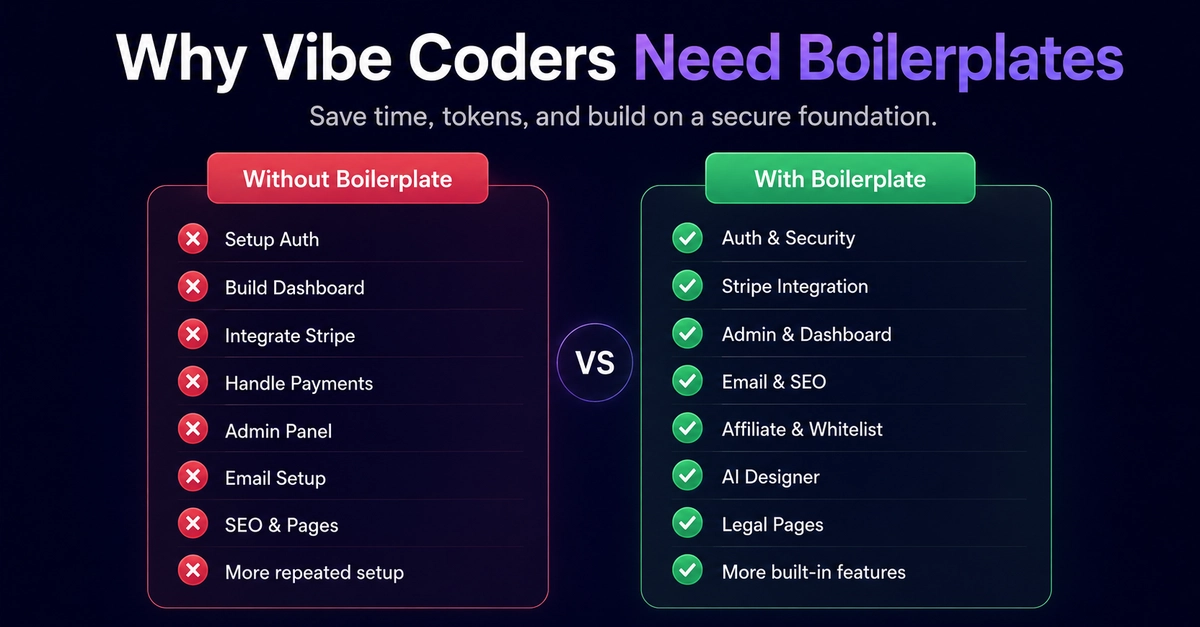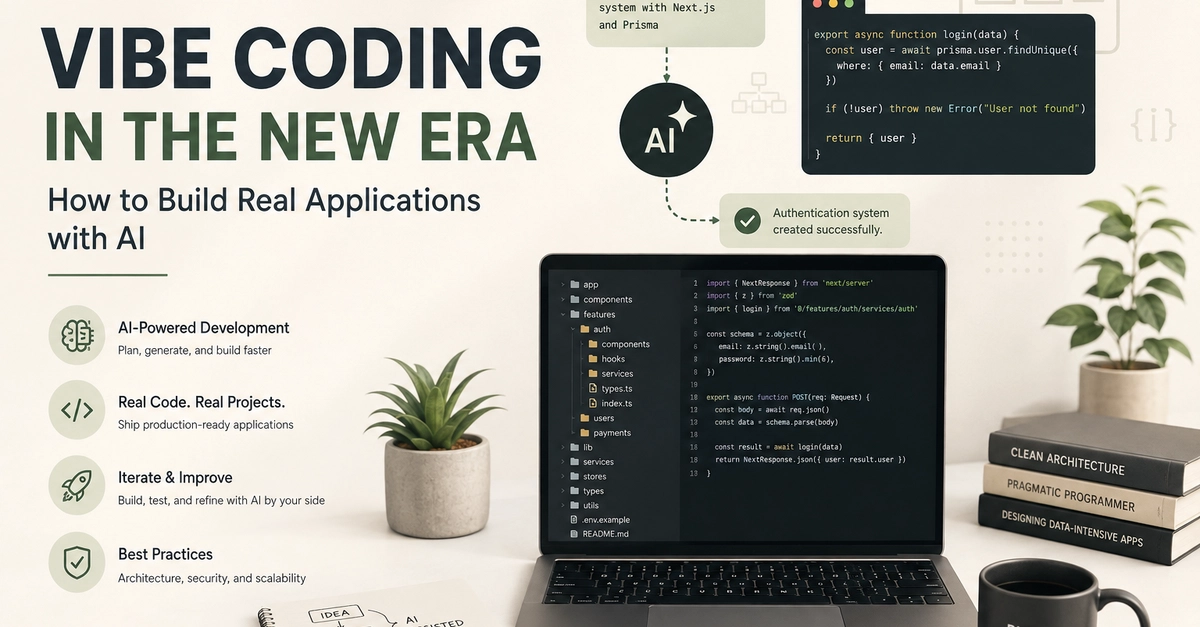
Vibe Coding Is Democratizing Who Gets To Build SoftwaregettyA few weeks ago, my team ran a hands-on workshop at a conference for dental service organization (DSO) executives. The pitch: Show up, describe a business problem in plain language and leave with a working software agent built on our platform—no engineering background required. We capped the room at a modest size, expecting a curious audience wanting to explore. Demand outpaced every seat we had.What struck me wasn't the turnout. It was who showed up: CEOs and other executives running organizations with dozens or hundreds of locations. CFOs who own the P&L across a portfolio of practices. People who've never opened an IDE but have spent years living inside a maddening operational problem—the report that takes their finance team a full day before every board meeting, the exception report that never matches how their organization is actually structured. For the first time, they weren't describing that problem to an engineer and waiting on a road map. They were building the fix themselves by talking through it.That's called "vibe coding," and I think the name undersells what's really happening.The Gate Is MovingSoftware has always had a gatekeeper: the ability to write code. For decades, the gate determined who built things and who had to ask someone else to build them. It didn't matter how well you understood a problem. If you couldn't translate that understanding into syntax, you were a requester, not a builder.AI-assisted development is moving that gate. Increasingly, the skill that matters isn't whether you can write a function. It's if you can describe a problem clearly enough that a system can act on it. That's a far more widely held skill. Every experienced operator, executive and business leader can describe their problem with precision; most just never had a tool to turn that description into working software.To be clear, I don't think this replaces engineering. It relocates where early-stage building happens and changes who's allowed to start.Domain Expertise Was Always The Scarce ResourceThe hard part of building useful software was rarely the code. It was knowing exactly what to build. Engineering teams spend enormous effort extracting that knowledge from the people who live inside a workflow: requirements docs, discovery calls and endless rounds of "that's close, but not quite it."Vibe coding collapses that translation layer. The person with the domain knowledge and the person doing the building can now be the same person. That's the democratization that matters: The people who understand a problem best no longer need an intermediary to act on that understanding.Lowering The Barrier Raises The Bar On GuardrailsNone of this means engineering discipline matters less. It just shows up in a different place.When anyone can describe a problem and get a working prototype, the platform underneath has to do more work, not less, to keep that safe. Permissions, data boundaries and security aren't things a first-time builder configures correctly on their own. They have to be built into the foundation, so non-experts can build without needing to become security experts first.That's a real change in responsibility for platform providers. We used to build tools for engineers, who brought their own judgment about risk. Now we build for business leaders who trust that judgment has already been handled. Get that wrong, and "anyone can build" becomes "anyone can break something." Get it right, and a room full of CEOs and CFOs walks out with something that works, safely, on the first try.The Other Risk: More Access Can Mean More ParalysisThere's a second trade-off worth naming: Opening up this much capability doesn't just remove a bottleneck; it removes a filter.For years, the scarcity of engineering time forced discipline: If building something required a request, a queue and a sprint, leaders had to decide in advance whether an idea was worth it. Take that scarcity away, and every executive can spin up five dashboards and a dozen prototypes before lunch. That's powerful. It's also how capable operators end up drowning in options instead of shipping a decision.I've watched a leadership team with the tools to answer any question start trying to answer every question. More access to information and building power doesn't automatically produce better judgment. Instead, it makes judgment more valuable, because the constraint has moved from "Can we build this?" to "Should we?" and "What matters right now?"What This Looks Like In PracticeThe workshop that overflowed the room gave leaders who'd spent years accumulating the right business knowledge the ability to finally act on it directly. With guidance, they could work with security, scale and a known stopping point. That safe path from idea to working software is the one decisive play that turns years of hard-won knowledge into something real.The code got easier to produce a while ago. What's changing now is who gets permission to try and whether they know when to stop trying and decide.Forbes Technology Council is an invitation-only community for world-class CIOs, CTOs and technology executives. Do I qualify?
Vibe Coding Is Democratizing Who Gets To Build Software
There's a second trade-off worth naming: Opening up this much capability doesn't just remove a bottleneck; it removes a filter.
827 words~4 min read