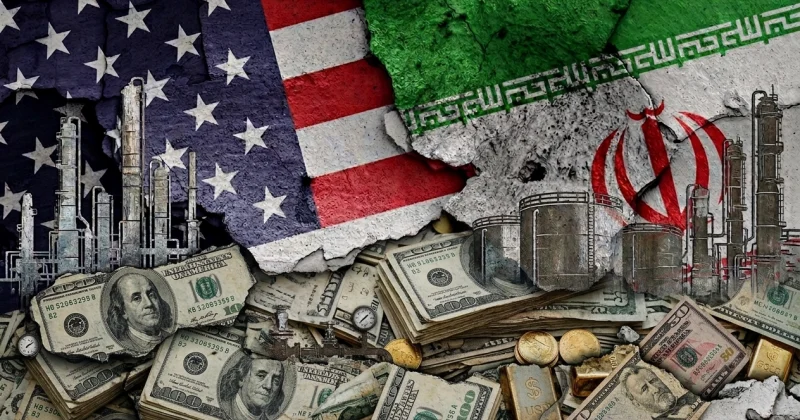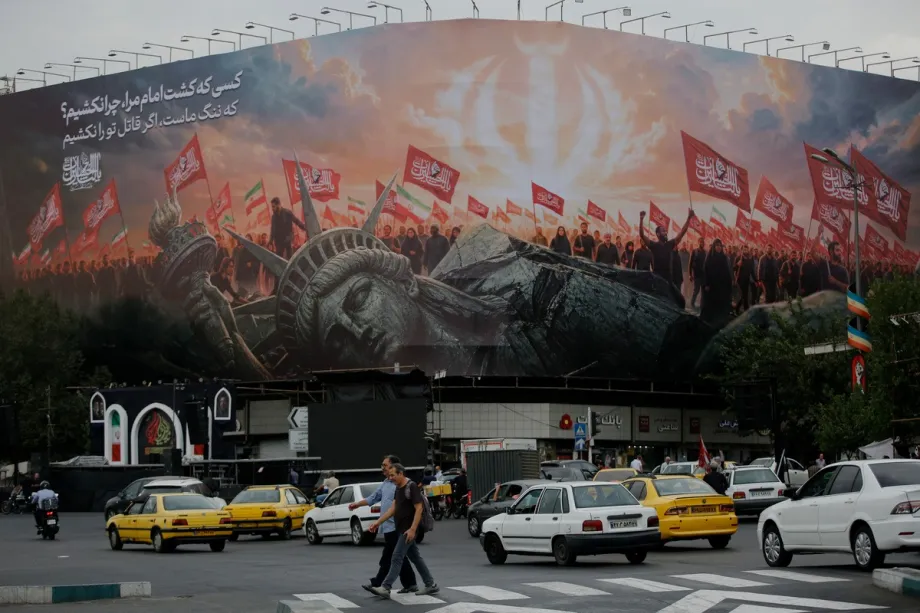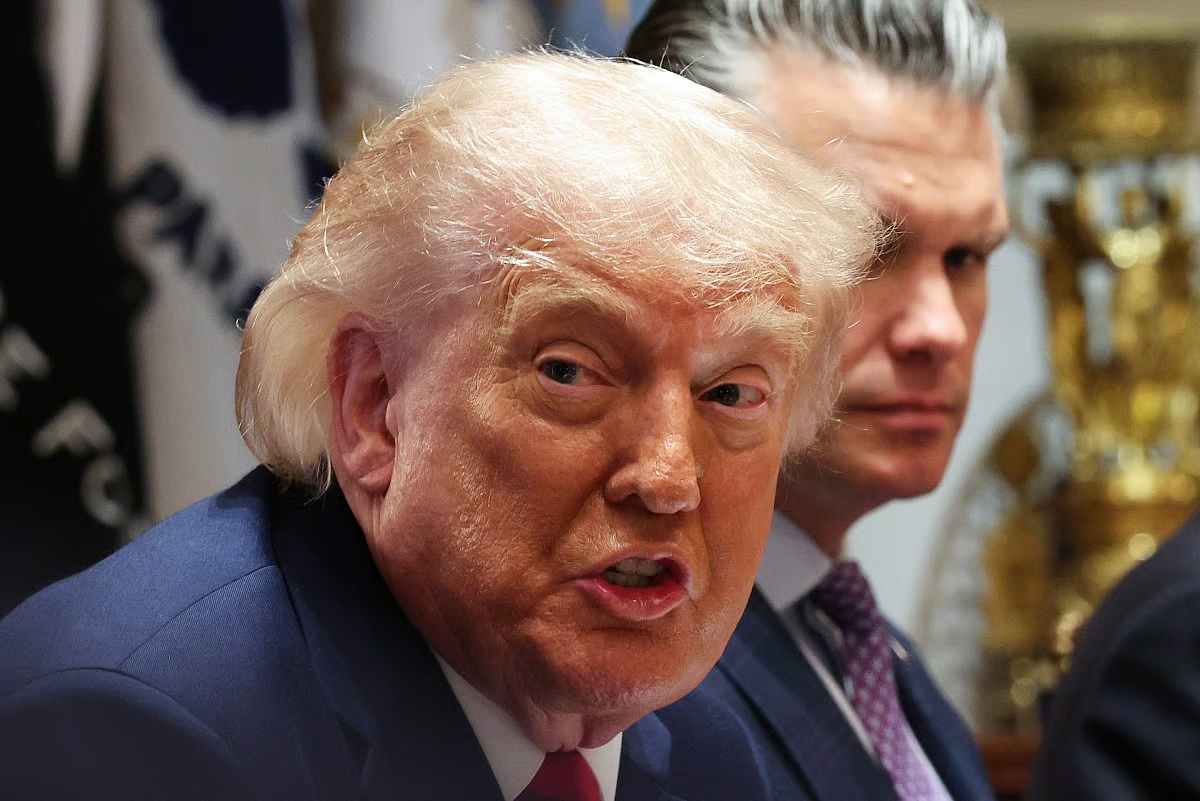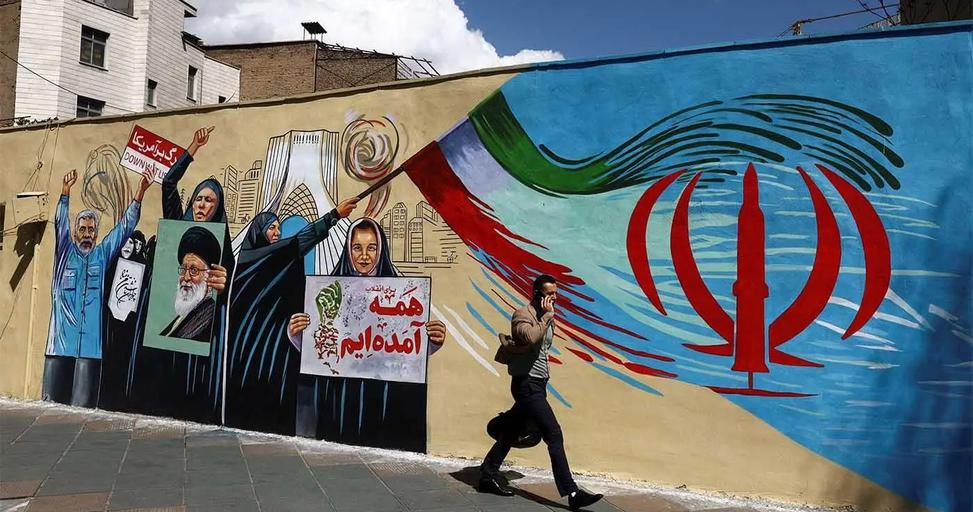
Political decision-makers in Tehran and Washington are redefining the parameters of their conflict, a turning point signaling a tangible paradigm shift from military confrontation toward economic warfare. On one side of the equation, the Iranian regime, recognizing its vulnerabilities compounded by accumulated inflation, finds itself torn between the desire for further leverage and a deteriorating economic reality. On the other side, the U.S. administration asserts that its economic battle has only just begun. The U.S. President promised a “crushing economic operation,” warning all nations, banks, and corporations that creating any financial lifeline for Tehran would carry “immense economic consequences.” The convergence of these two approaches has shifted the primary battleground from missile strikes to testing resilience in international trade and finance.
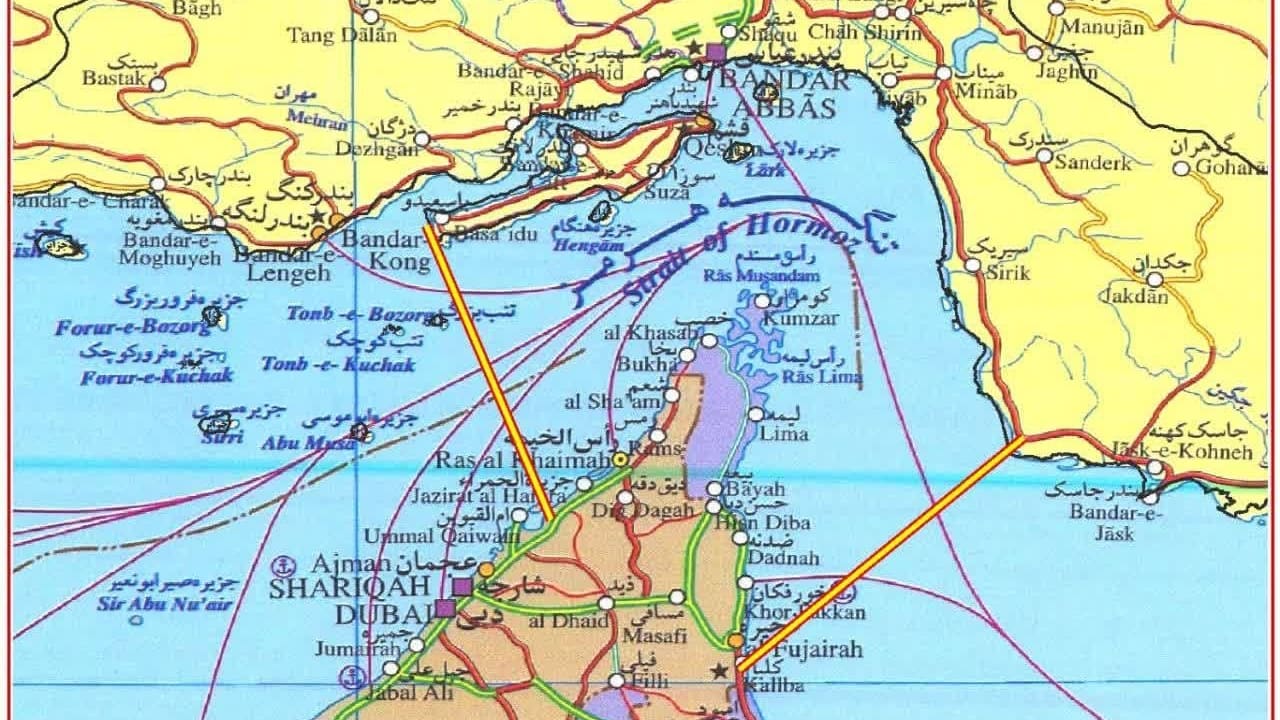
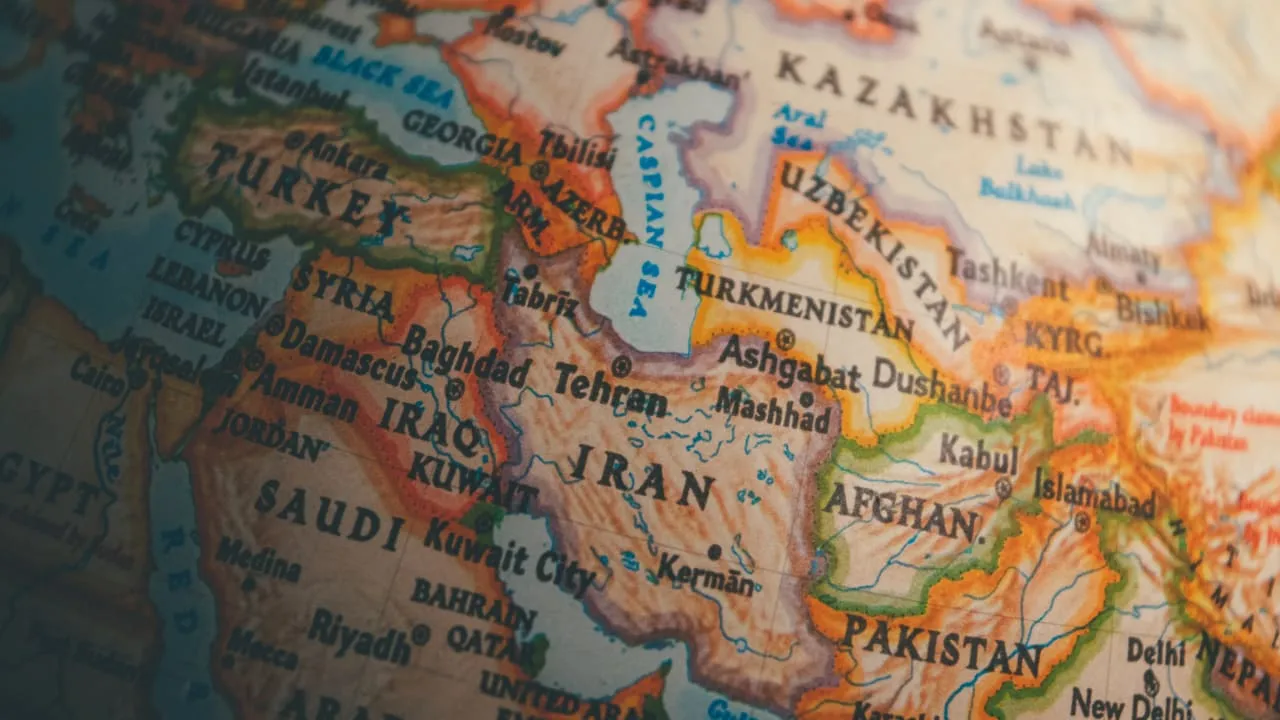
Recent statements by the Speaker of Parliament and the President of Iran, noting that a society damaged by economic pressure cannot endure a prolonged standoff, confirm that elements within the regime view a strategic shift through a cost-benefit lens as the sole path to maintaining social resilience. Conversely, hardline critics within the establishment view any discourse shift under renewed U.S. pressure as a “calculative error.” They argue that the balance of power is maximized strictly through hard power in the region, managing energy markets, and activating deterrence levers. Under these conditions, the central question remains: will this unprecedented acknowledgment of economic challenges translate into a practical willingness for a revisionist course correction, or is it merely a tactical maneuver to manage pressure during a war of attrition?