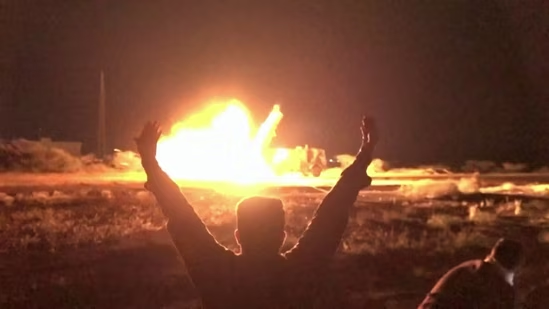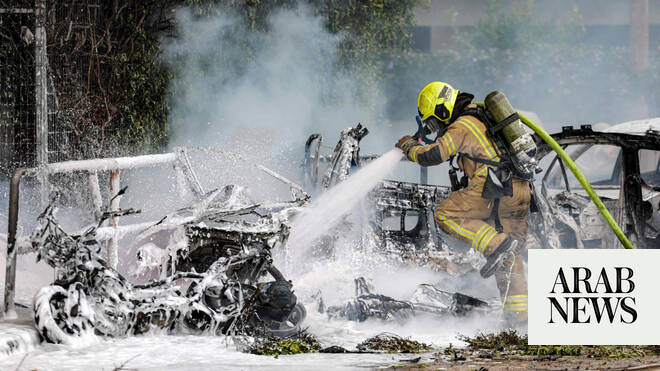
One stage of the Iran war has ended, but the world may be mistaking a pre-election pause for lasting peace. Tehran's economic leverage will likely remain strong through the United States midterm elections in November, but could weaken once the votes are counted, raising the risk of renewed confrontation afterward.In this dangerous new environment, how might the rest of the world position itself to avoid becoming collateral damage once again?
Whether the 60-day talks between the US and Iran will produce a durable settlement remains unclear.
But what’s most important for markets is that the interim agreement has restored energy flows through the Strait of Hormuz, the critical energy chokepoint that was effectively closed during the conflict. This has sent crude prices tumbling back near pre-war levels.
The clock is ticking, however.
From the start of the war, many – including myself – argued that rising oil prices would shape the politics of the conflict as much as missiles and diplomacy. That now seems to have been borne out.