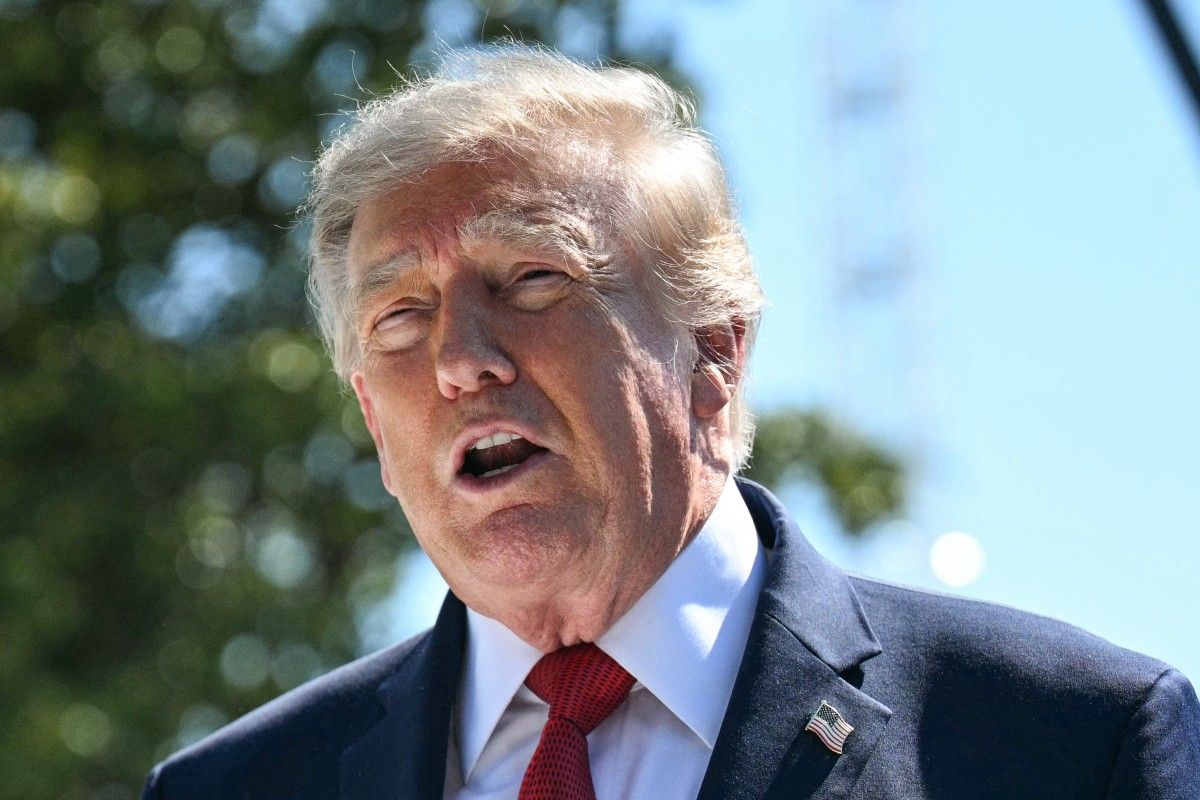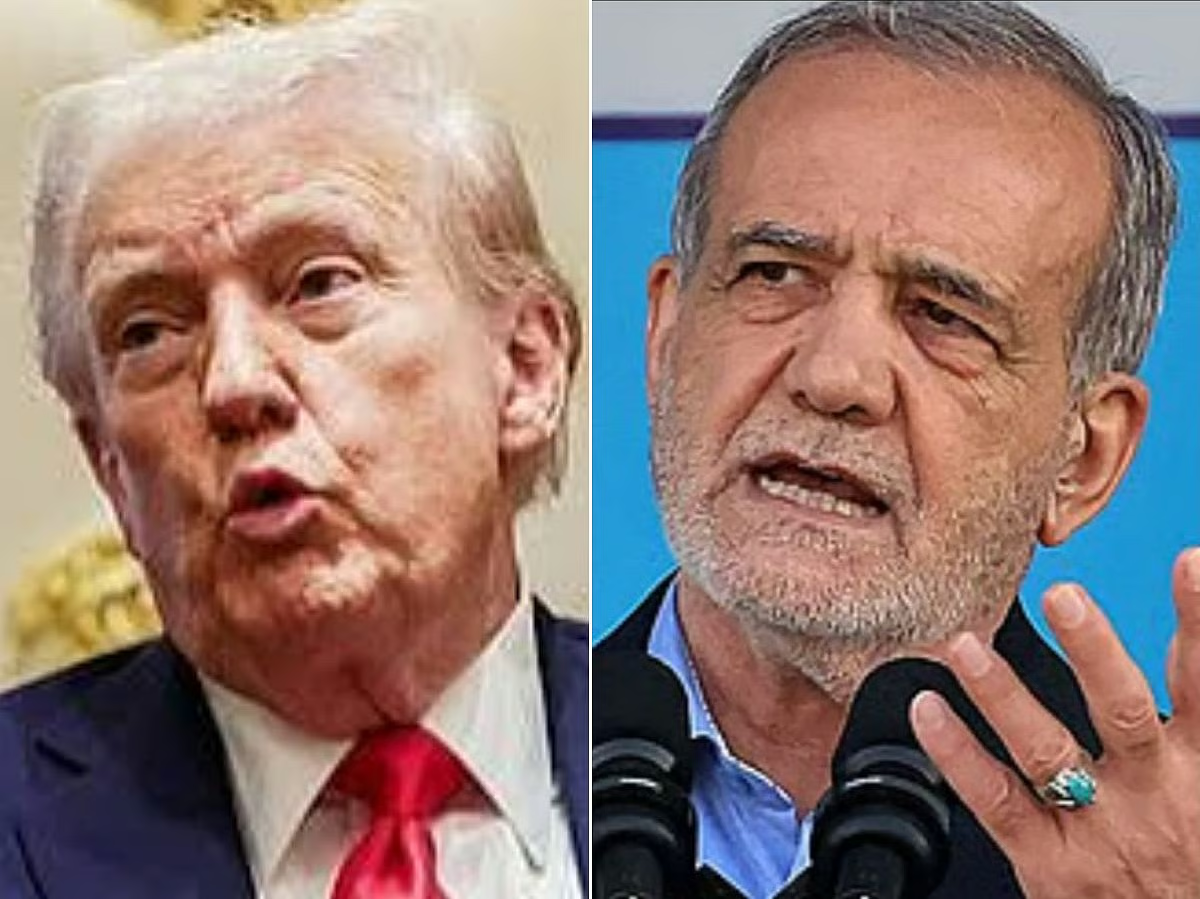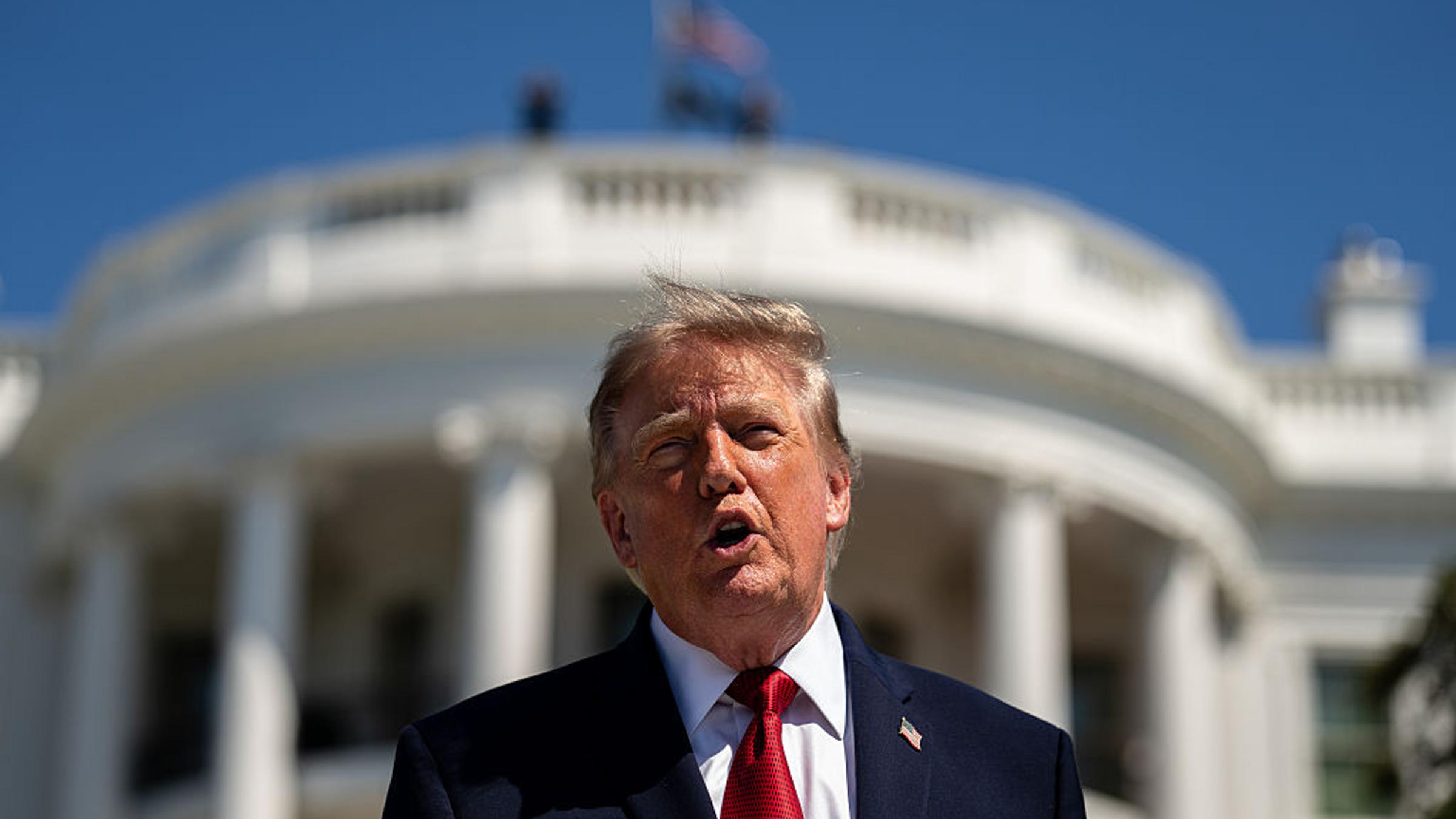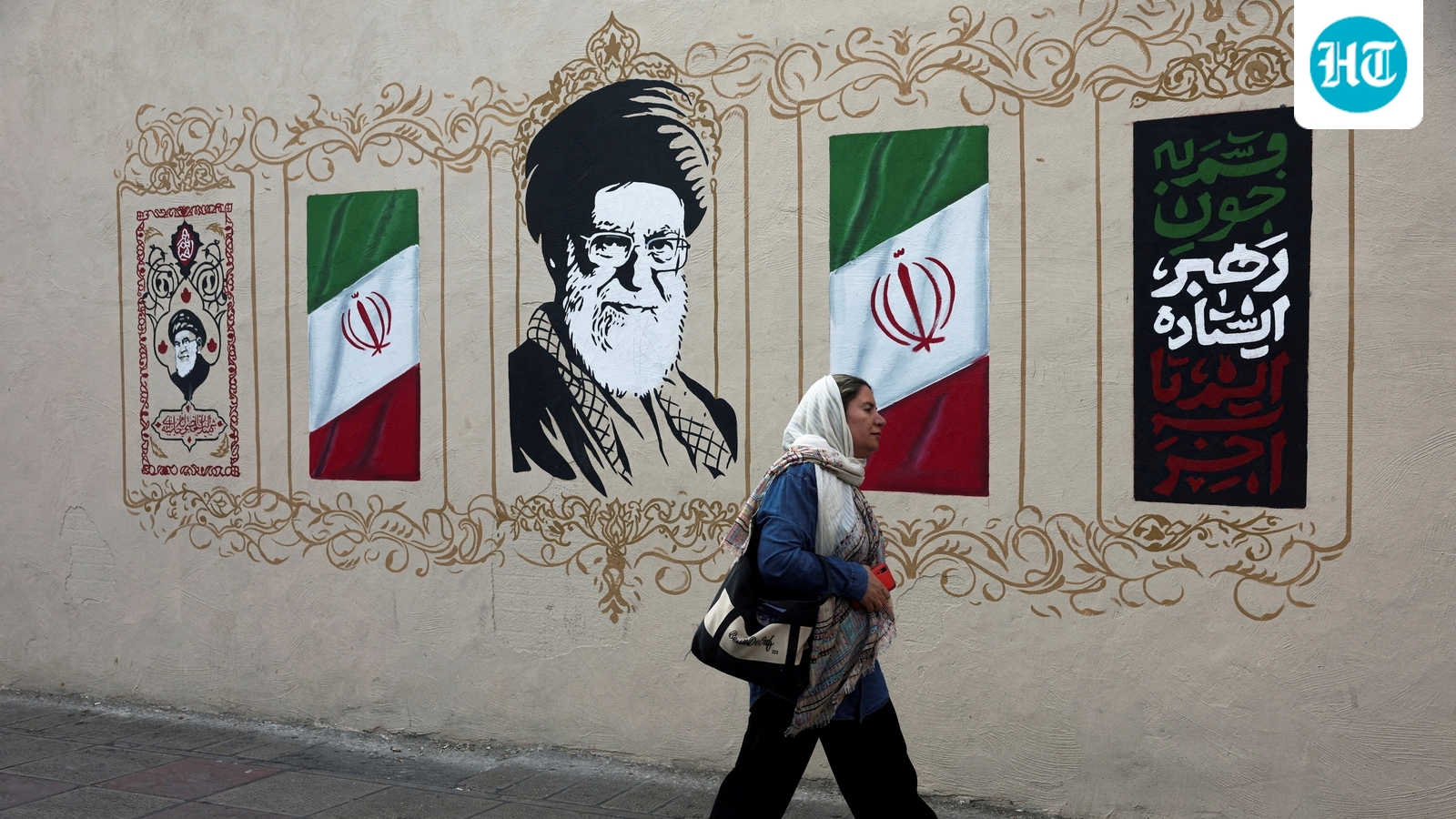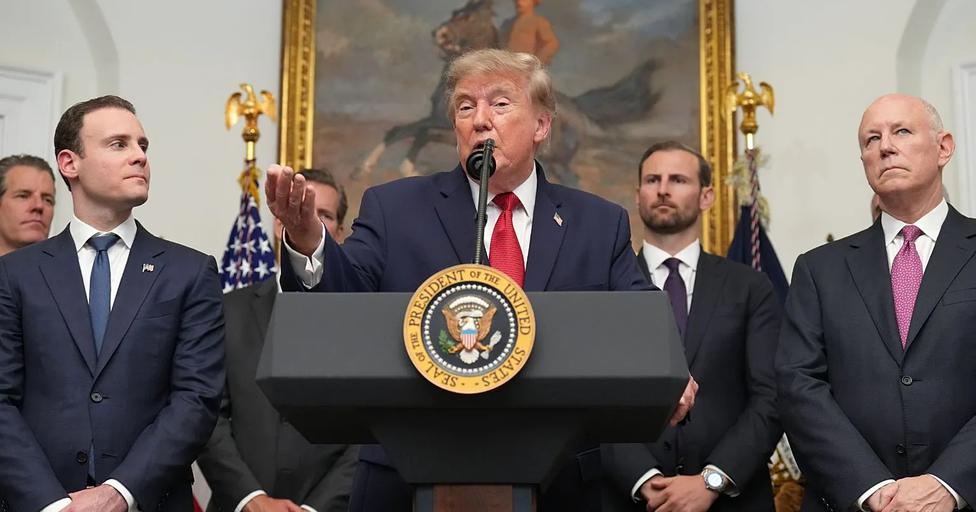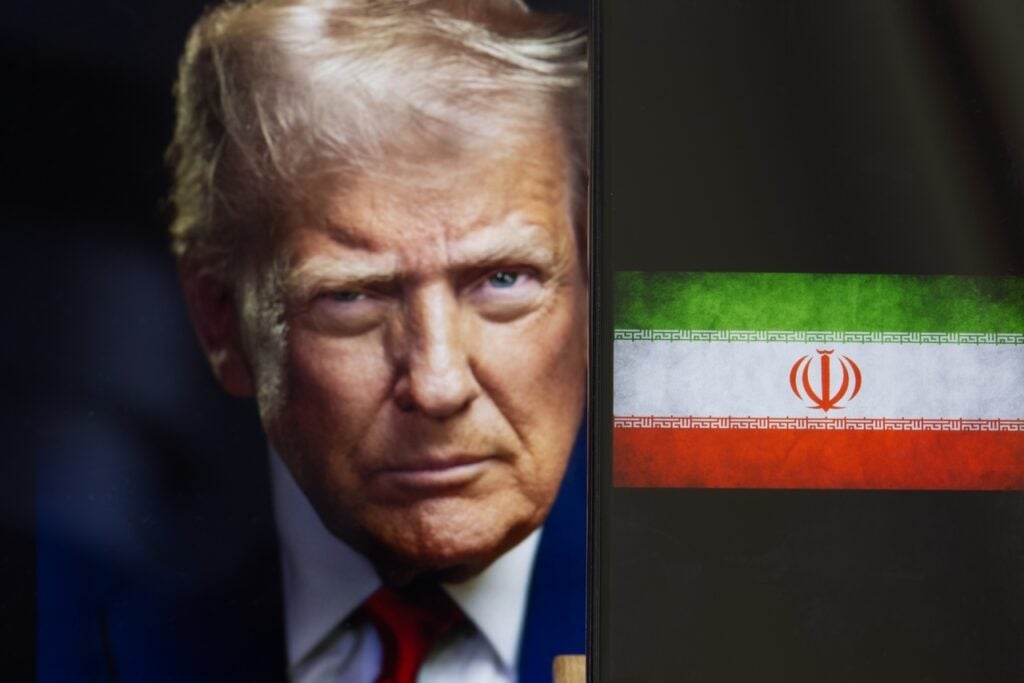
As Iran’s economic woes become harder to hide, the Trump administration is increasingly convinced that tightening pressure will eventually work. On Aug. 19, the U.S. president announced “the most crushing economic operation ever taken against any country.” Iran’s economy is certainly battered. Since the war began, the rial has depreciated, and prices have risen. President Masoud Pezeshkian has acknowledged that the country’s revenues have also fallen sharply. U.S. President Donald Trump’s team sees this as evidence that, despite the failure of heavy bombing campaigns to topple Tehran’s government, Iran’s economy is approaching a point of no return.
But how close is Iran’s economy to collapse? How long can it hold out, and how much further economic pain is needed to alter the leadership’s thinking? Iran’s capacity to absorb the pain is not unlimited, but that does not mean that collapse is imminent, let alone on Trump’s timetable. Even a severe economic breakdown will not necessarily force Tehran into capitulation.
As Iran’s economic woes become harder to hide, the Trump administration is increasingly convinced that tightening pressure will eventually work. On Aug. 19, the U.S. president announced “the most crushing economic operation ever taken against any country.” Iran’s economy is certainly battered. Since the war began, the rial has depreciated, and prices have risen. President Masoud Pezeshkian has acknowledged that the country’s revenues have also fallen sharply. U.S. President Donald Trump’s team sees this as evidence that, despite the failure of heavy bombing campaigns to topple Tehran’s government, Iran’s economy is approaching a point of no return.