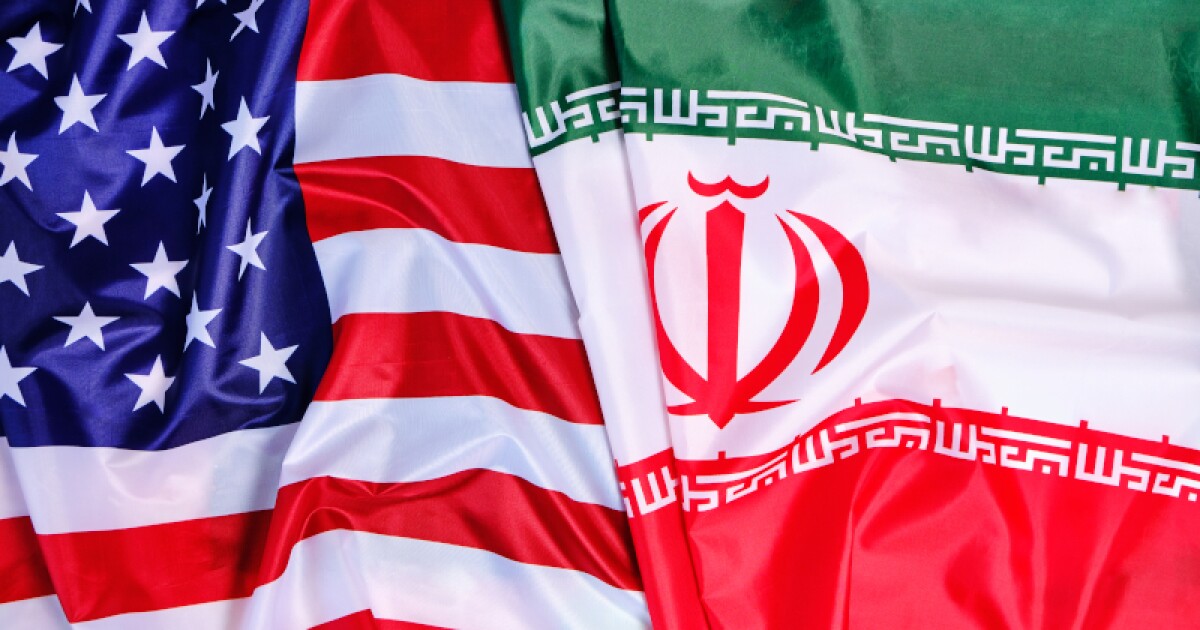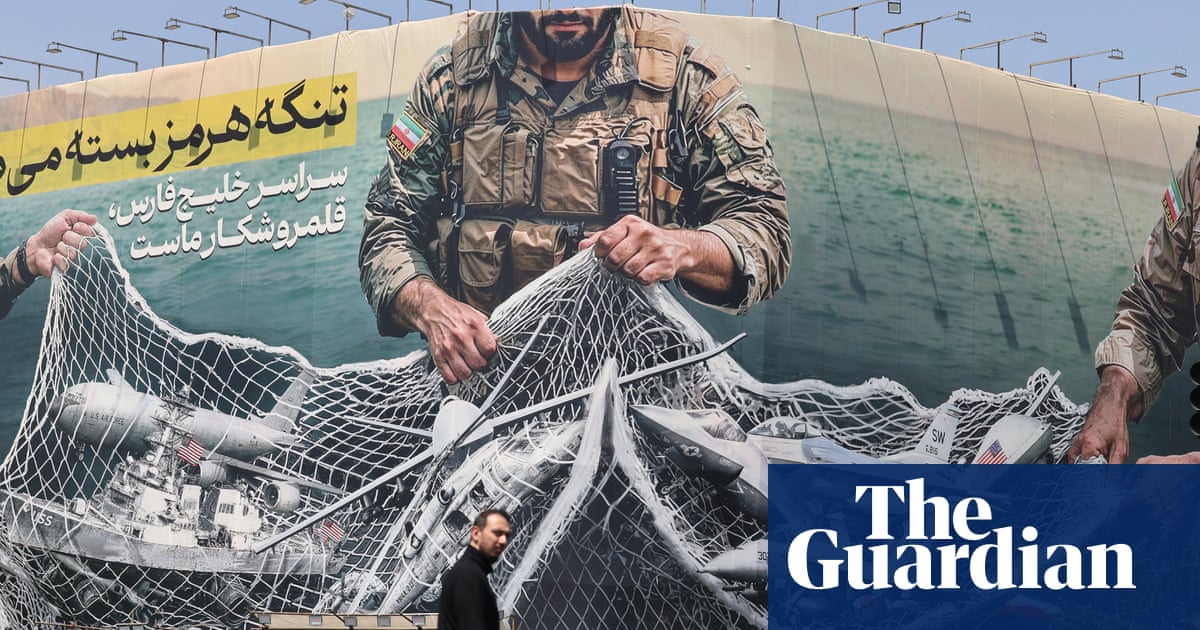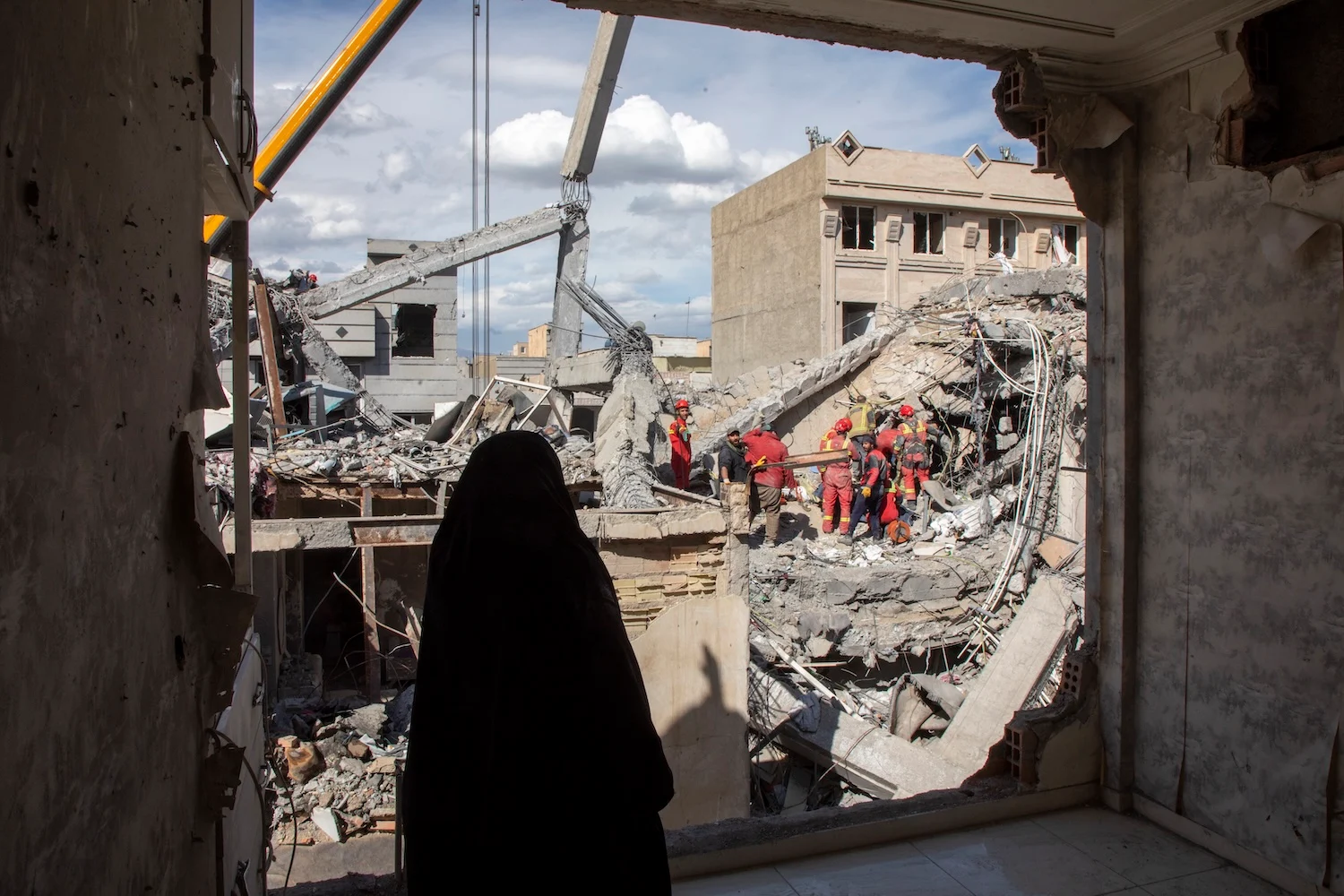
Iran has stood up to two of the world’s most powerful militaries, held its position on the nuclear issue, and continued to back its Lebanese proxy. But if that represents a victory, it’s a Pyrrhic one when considered from an economic perspective.
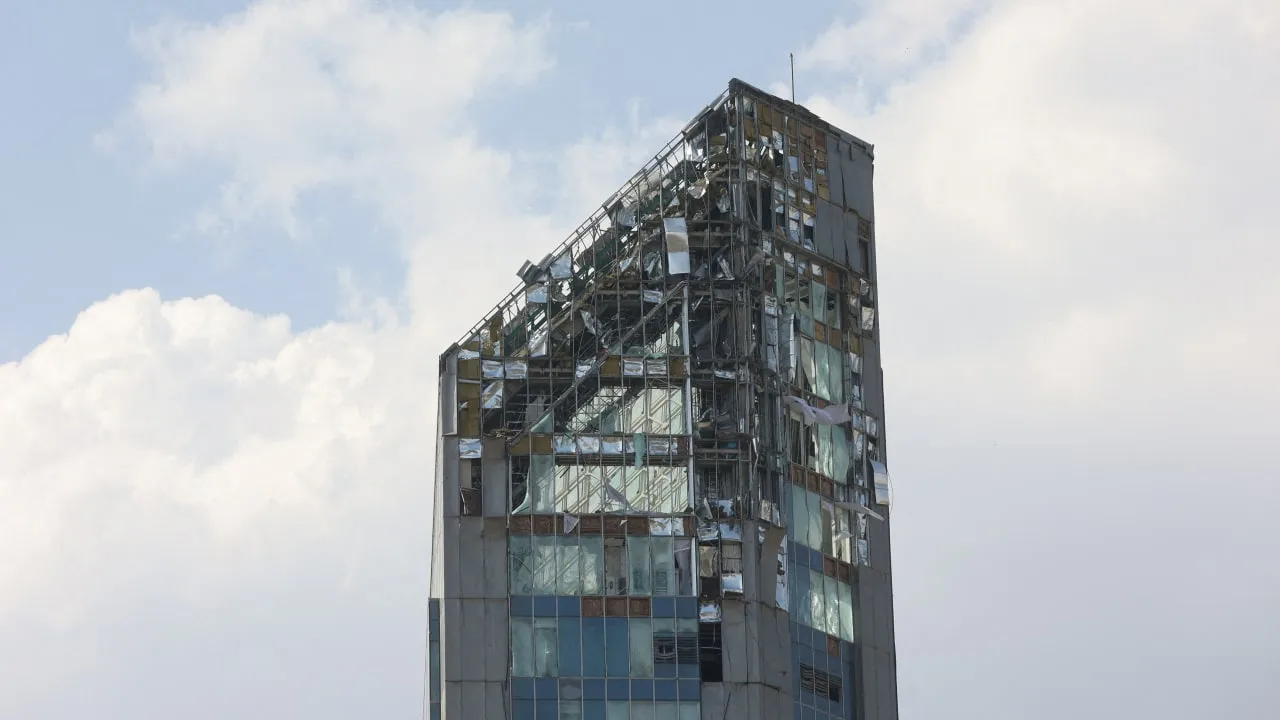
Iran has faced staggering losses to its military infrastructure and economy. Inflation has skyrocketed, the Iranian rial has plummeted, unemployment is high, and a U.S. blockade threatens trade in and out of the country.
Iran has stood up to two of the world’s most powerful militaries, held its position on the nuclear issue, and continued to back its Lebanese proxy. But if that represents a victory, it’s a Pyrrhic one when considered from an economic perspective.
Iran has faced staggering losses to its military infrastructure and economy. Inflation has skyrocketed, the Iranian rial has plummeted, unemployment is high, and a U.S. blockade threatens trade in and out of the country.
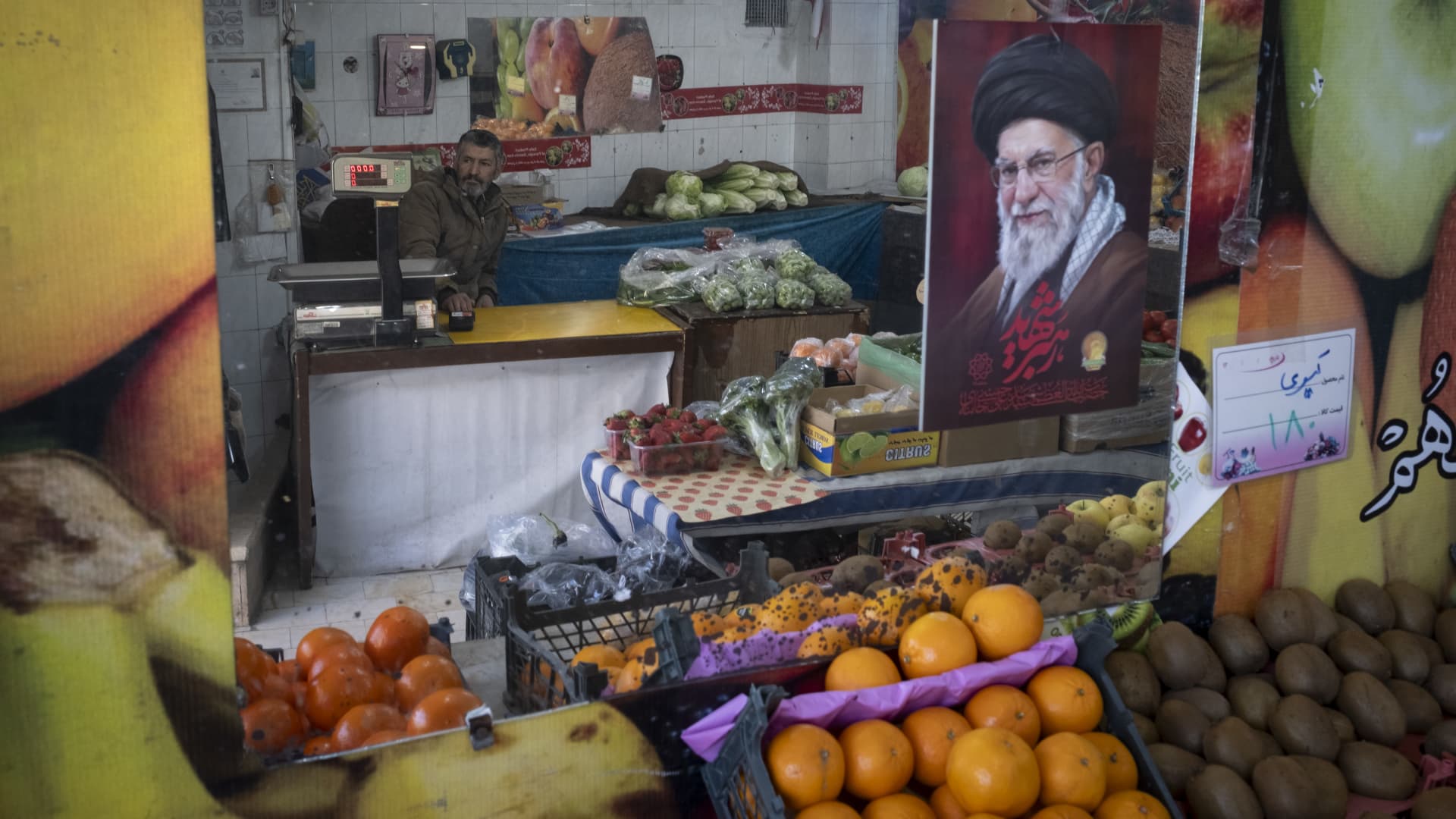
“The enemy has realized that it cannot force the Iranian nation into submission through military strikes,” Iranian President Masoud Pezeshkian said recently. “The economy and people’s livelihoods are the most important front in confronting the enemy.” What sounds like a boast could be taken as a warning. The United States and Israel have failed to force Iran to capitulate militarily. But it remains an open question how Iran will manage its debilitating economic losses.