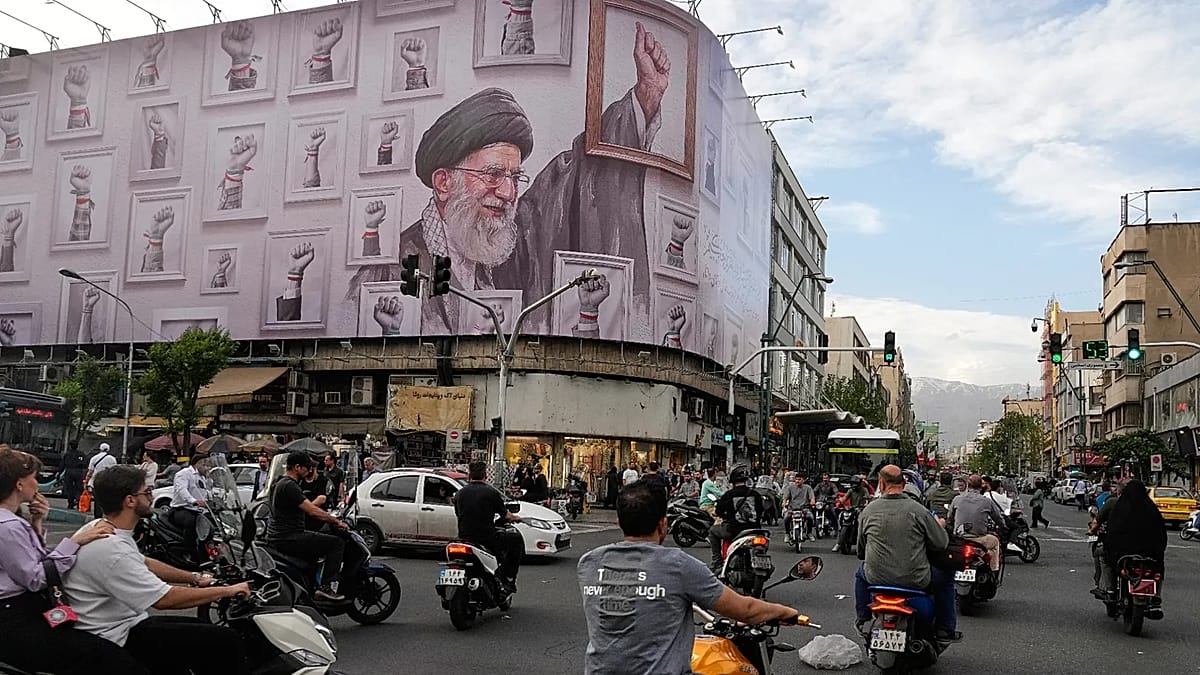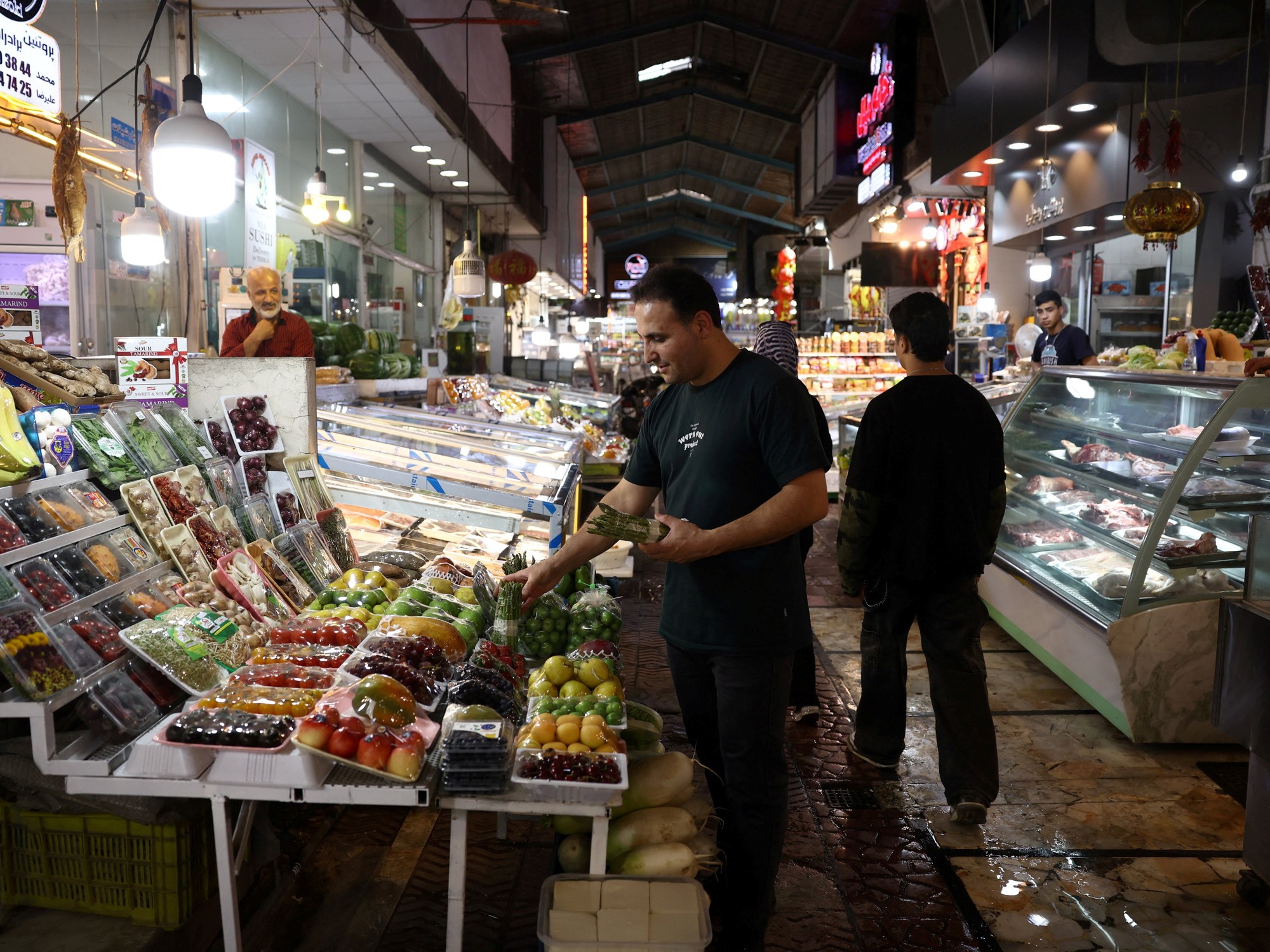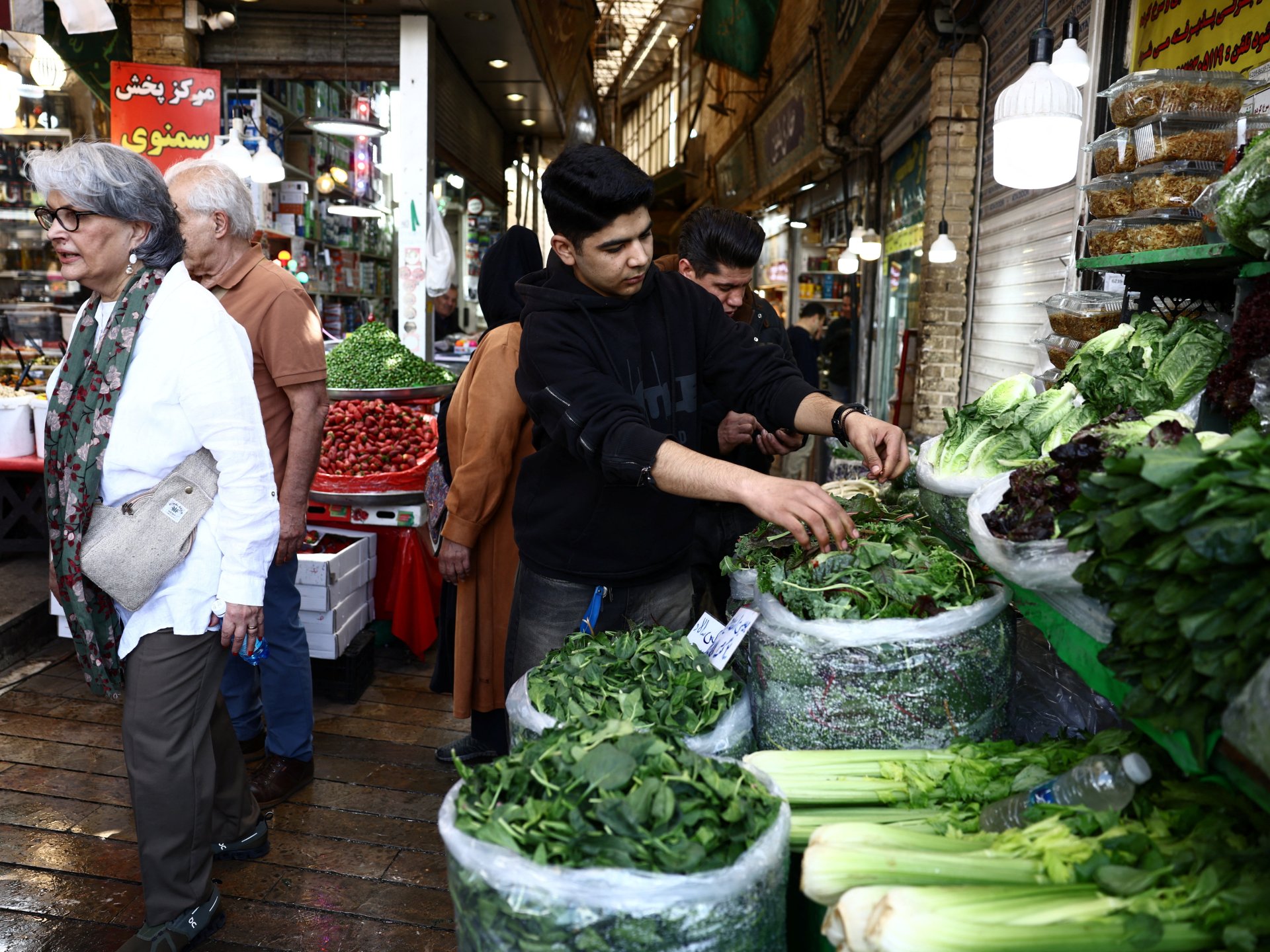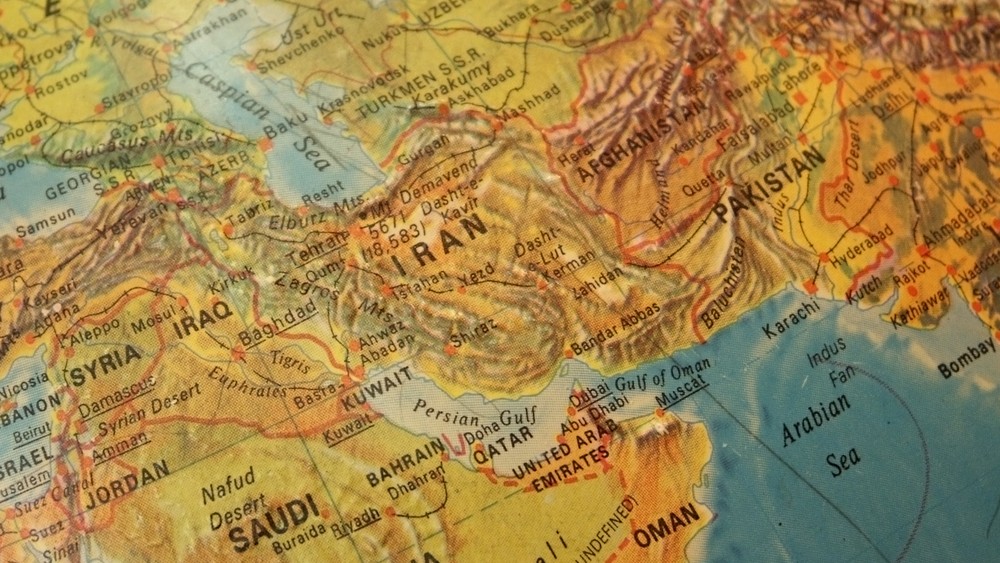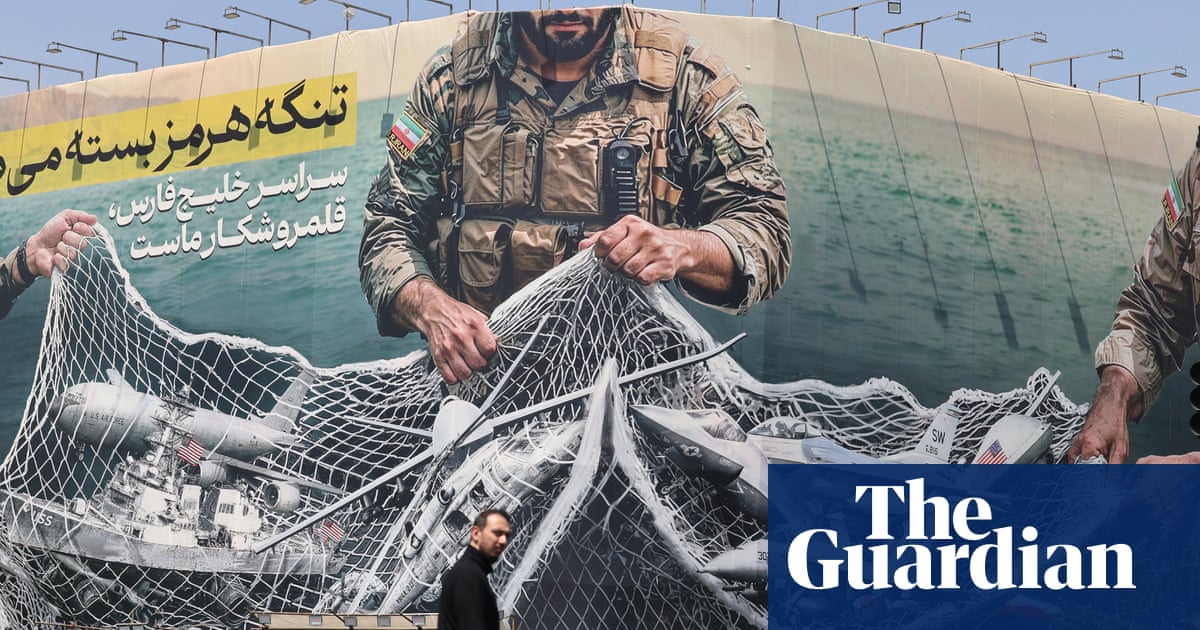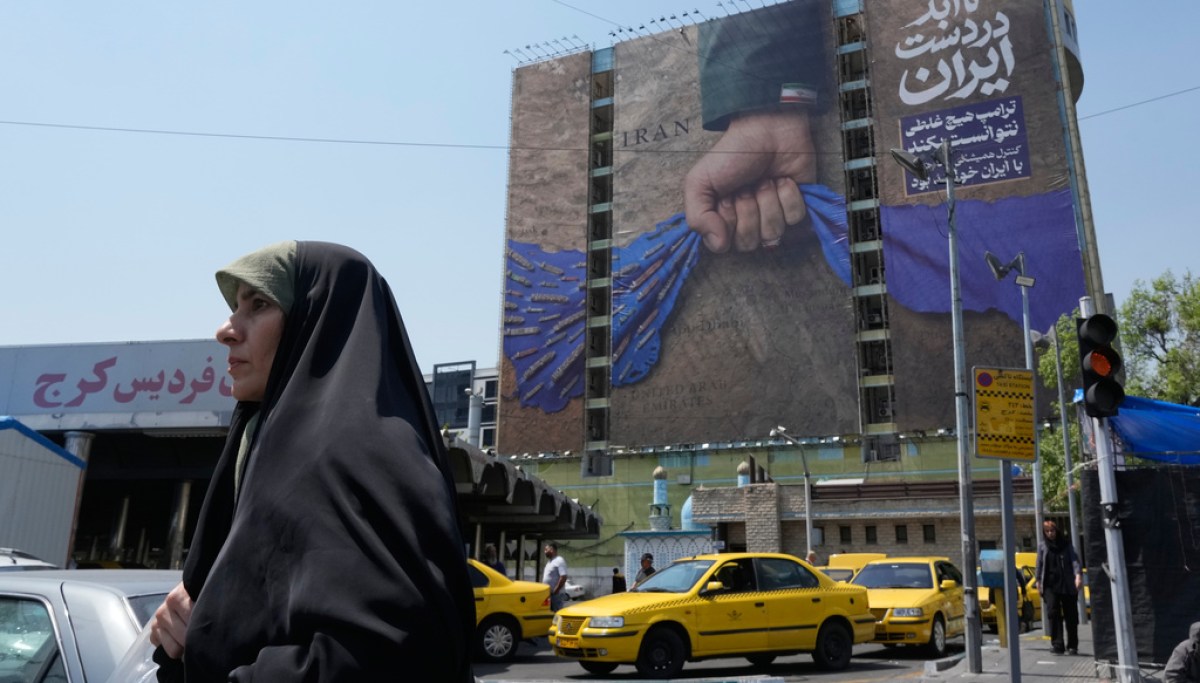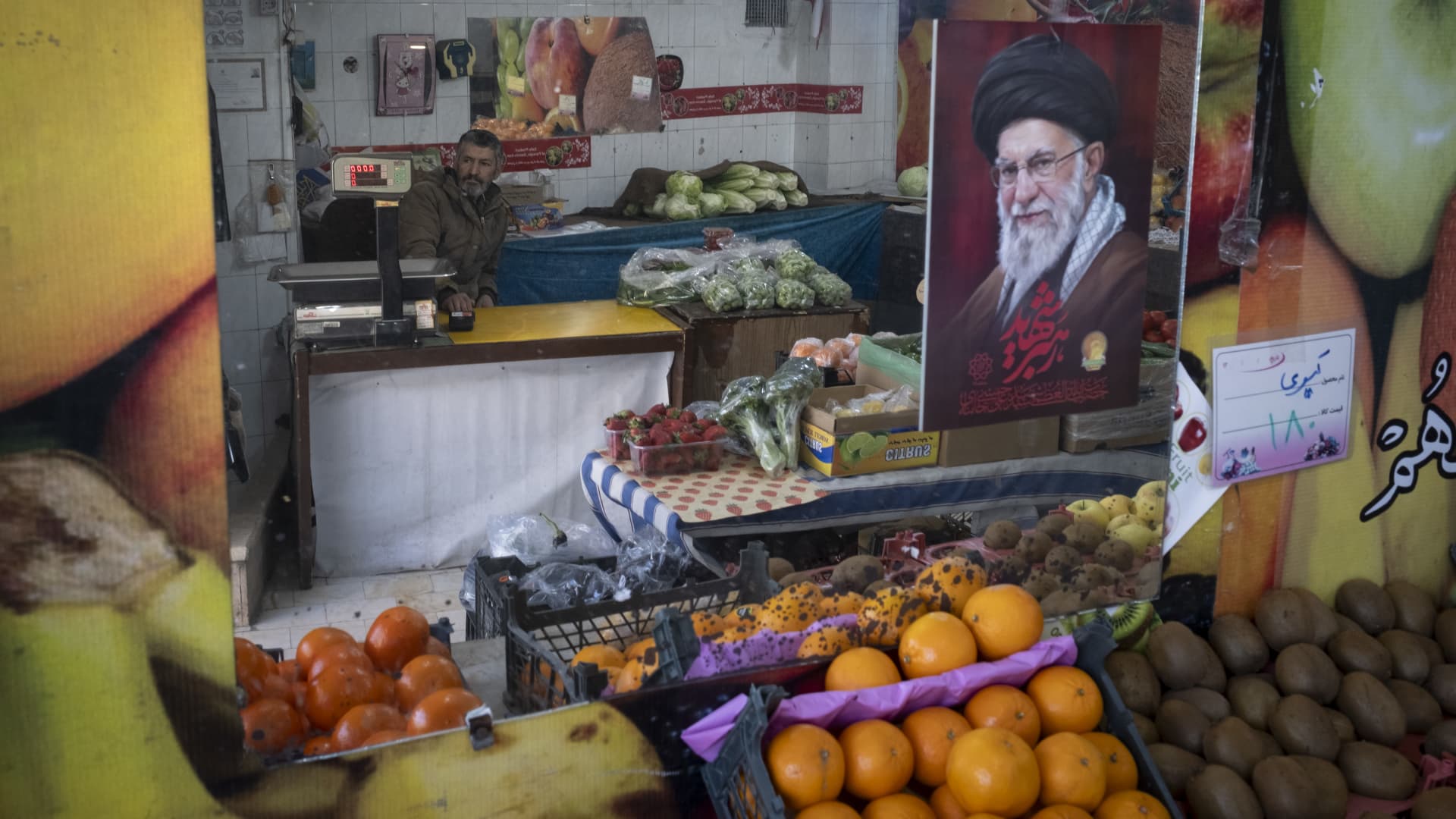
TEHRAN, Iran (AP) — Iran’s grip on the Strait of Hormuz is throttling the world’s energy supplies and inflicting global economic pain, but the struggles of the Islamic Republic’s own economy are testing its ability to withstand the war and defy Washington’s demands.Iranians have been hit by spiraling prices for food, medicine and other goods. At the same time, the country has seen mass job losses and business closures caused by strike damage to key industries and the government’s monthslong shutdown of the internet.The economic cost of the war and the U.S. naval blockade “has been very substantial and unprecedented for Iran,” said Hadi Kahalzadeh, an Iranian economist and research fellow at Brandeis University.But Iran has withstood decades of economic pressure and sanctions and its capacity to adapt has not been dismantled, Kahalzadeh said.
“Iran can probably avoid a complete economic collapse or total shortage of essential goods, but at a very high cost,” he said. “The main cost will be passed to ordinary Iranians through higher inflation, more poverty, weaker services and a much harder daily life.”
3 MIN READ
4 MIN READ
The International Monetary Fund has predicted the Iranian economy will shrink by about 6 percentage points in the next year. Iran’s official statistics center reported in mid-April that annual inflation was 53.7%, while inflation for food breached 115% compared with the same period last year.Meanwhile, Iran’s rial currency has lost over half its value in the past year, falling to a record low of 1.9 million to the dollar at the end of last month. The economic woes helped fuel massive protests that spread across the country in January.