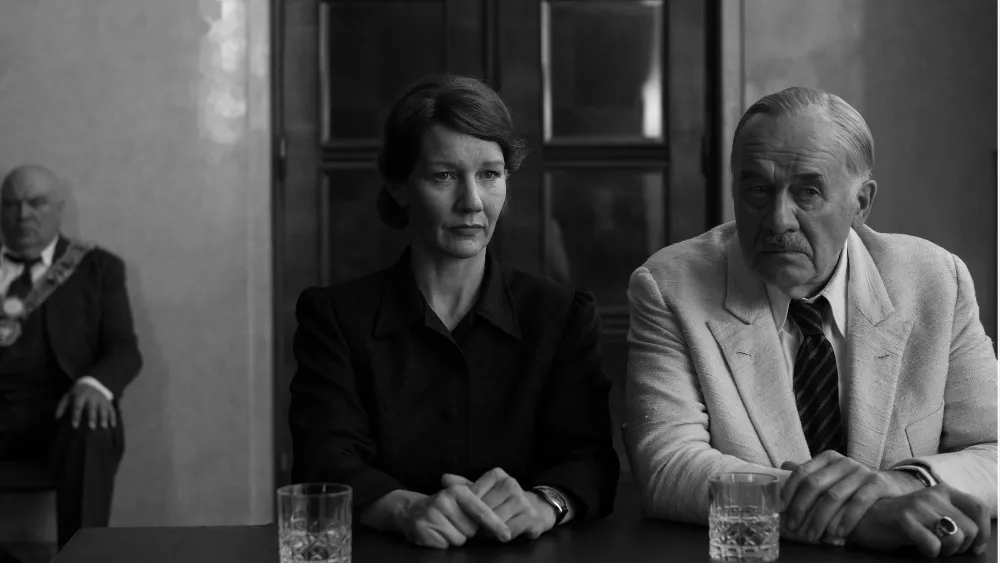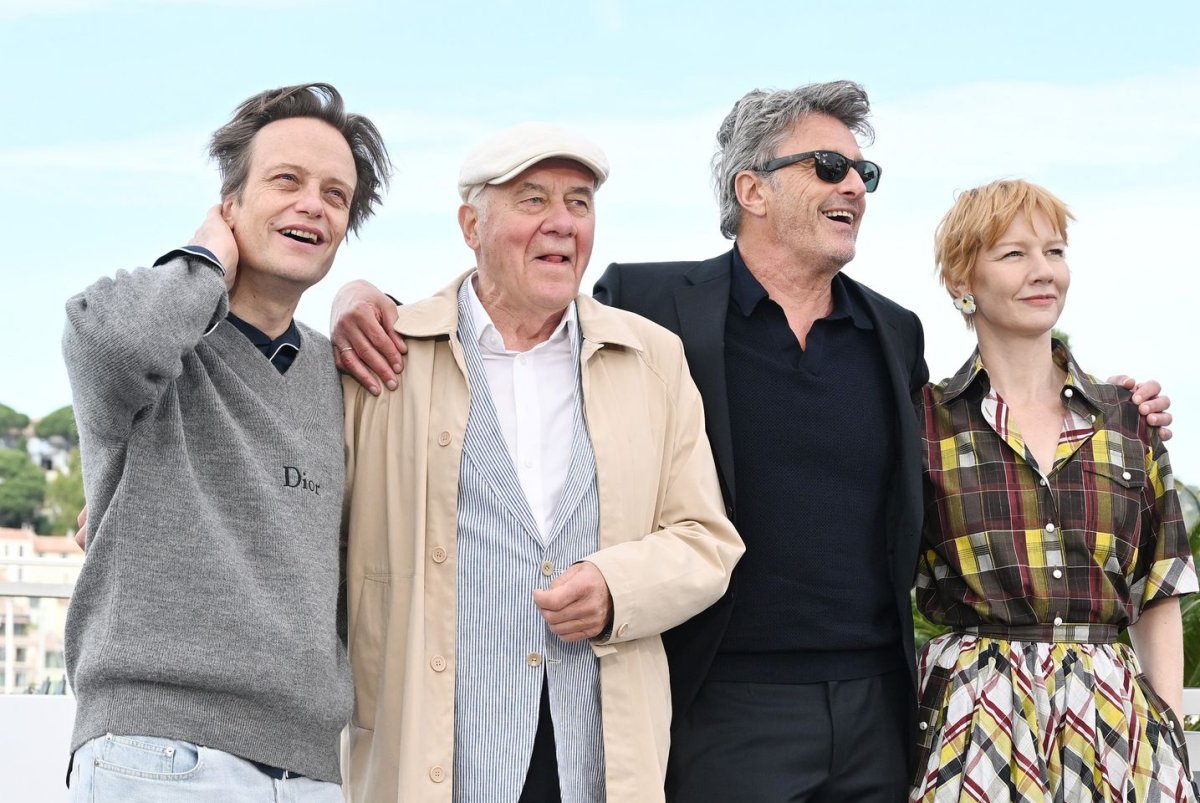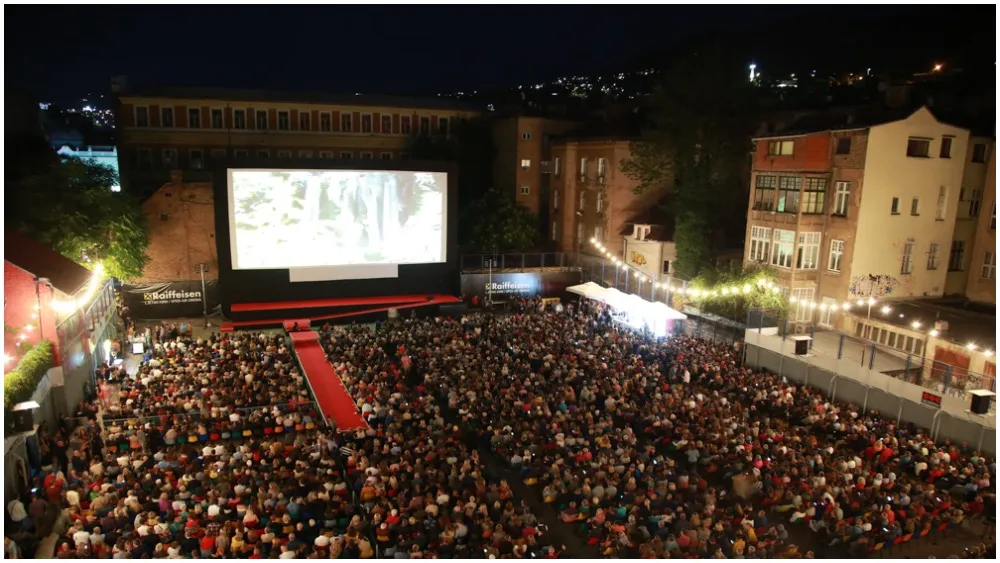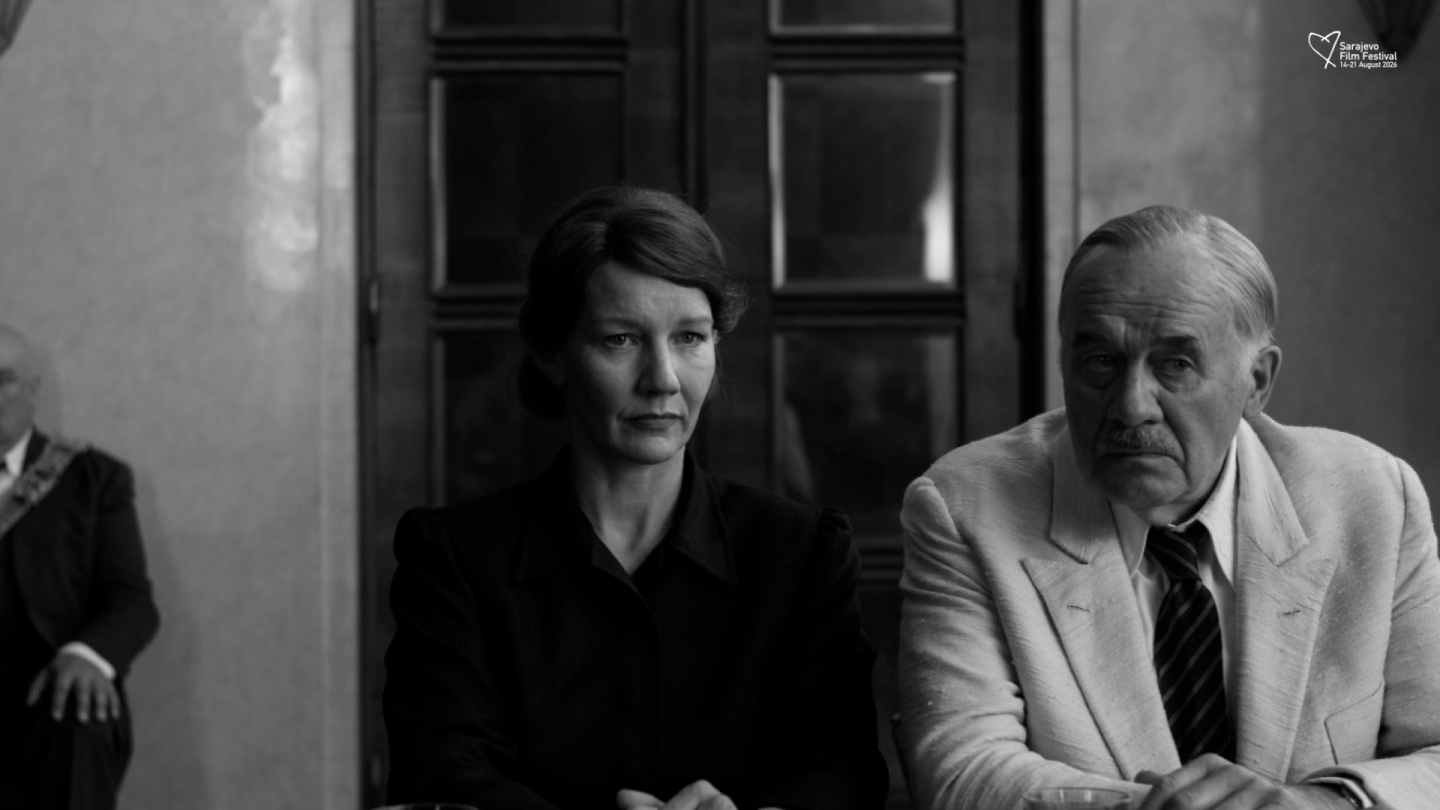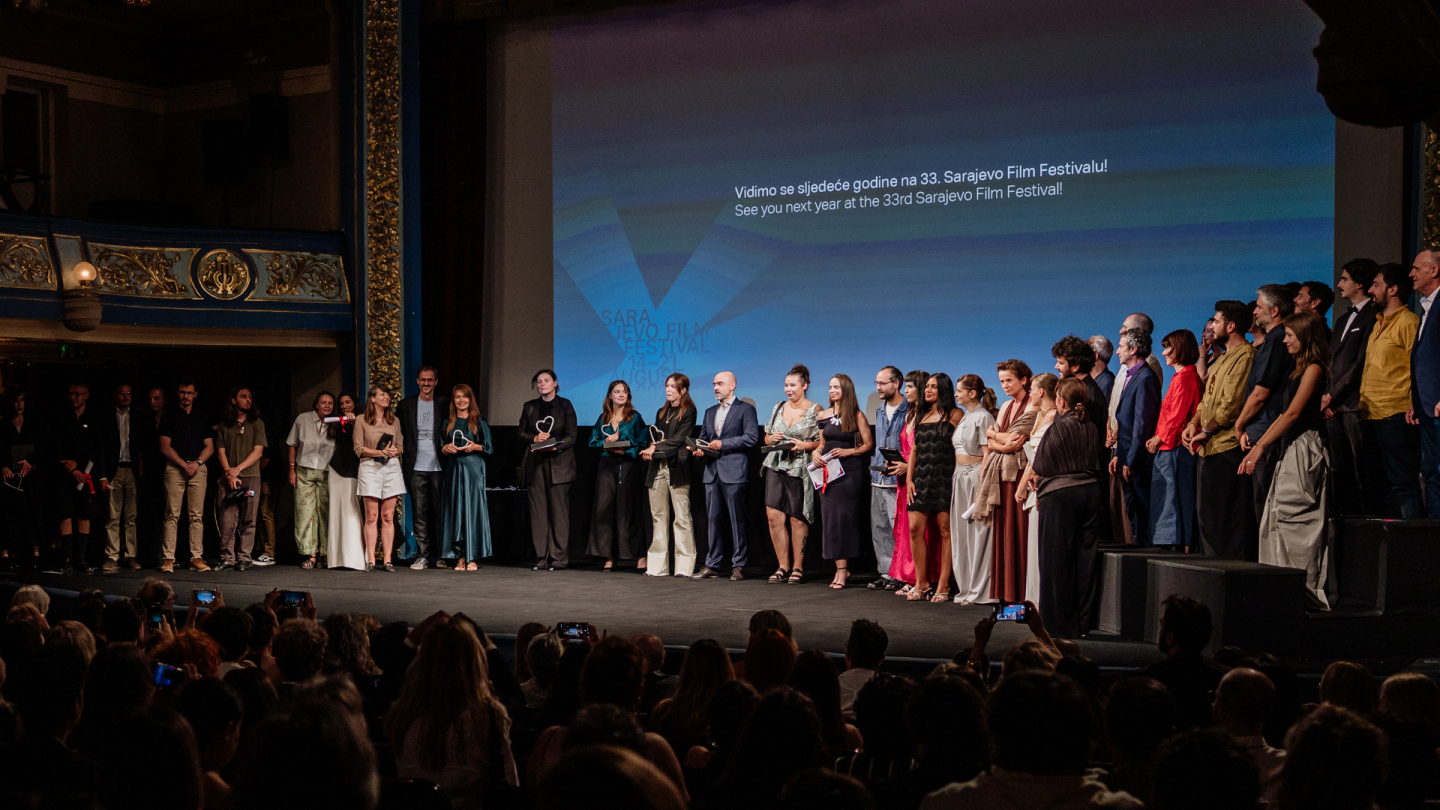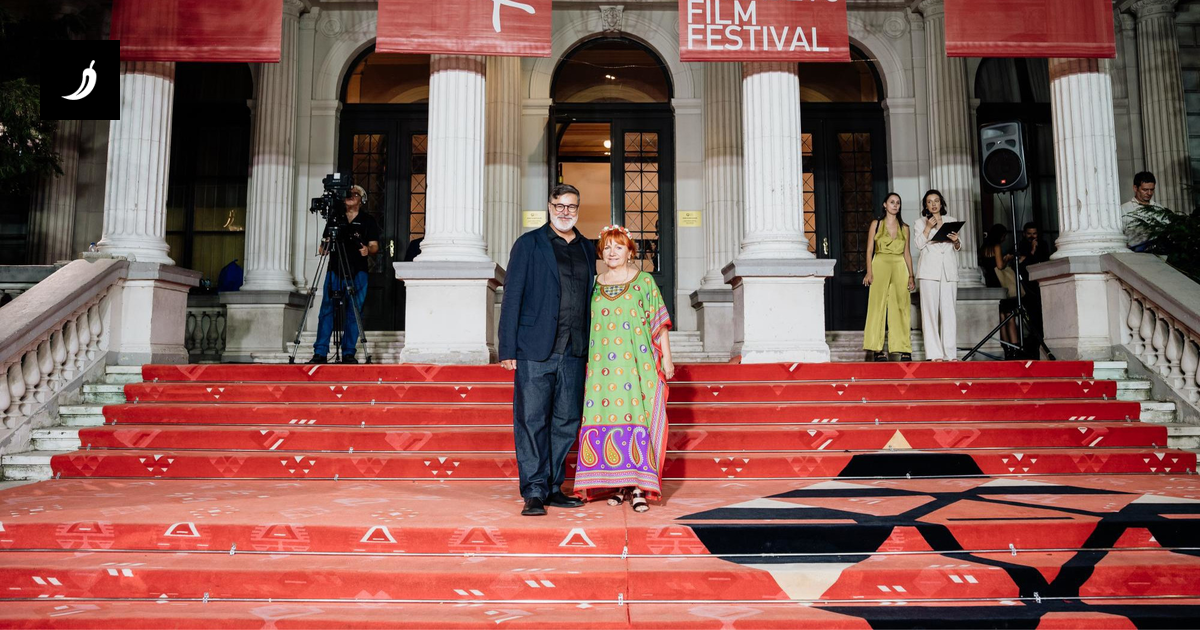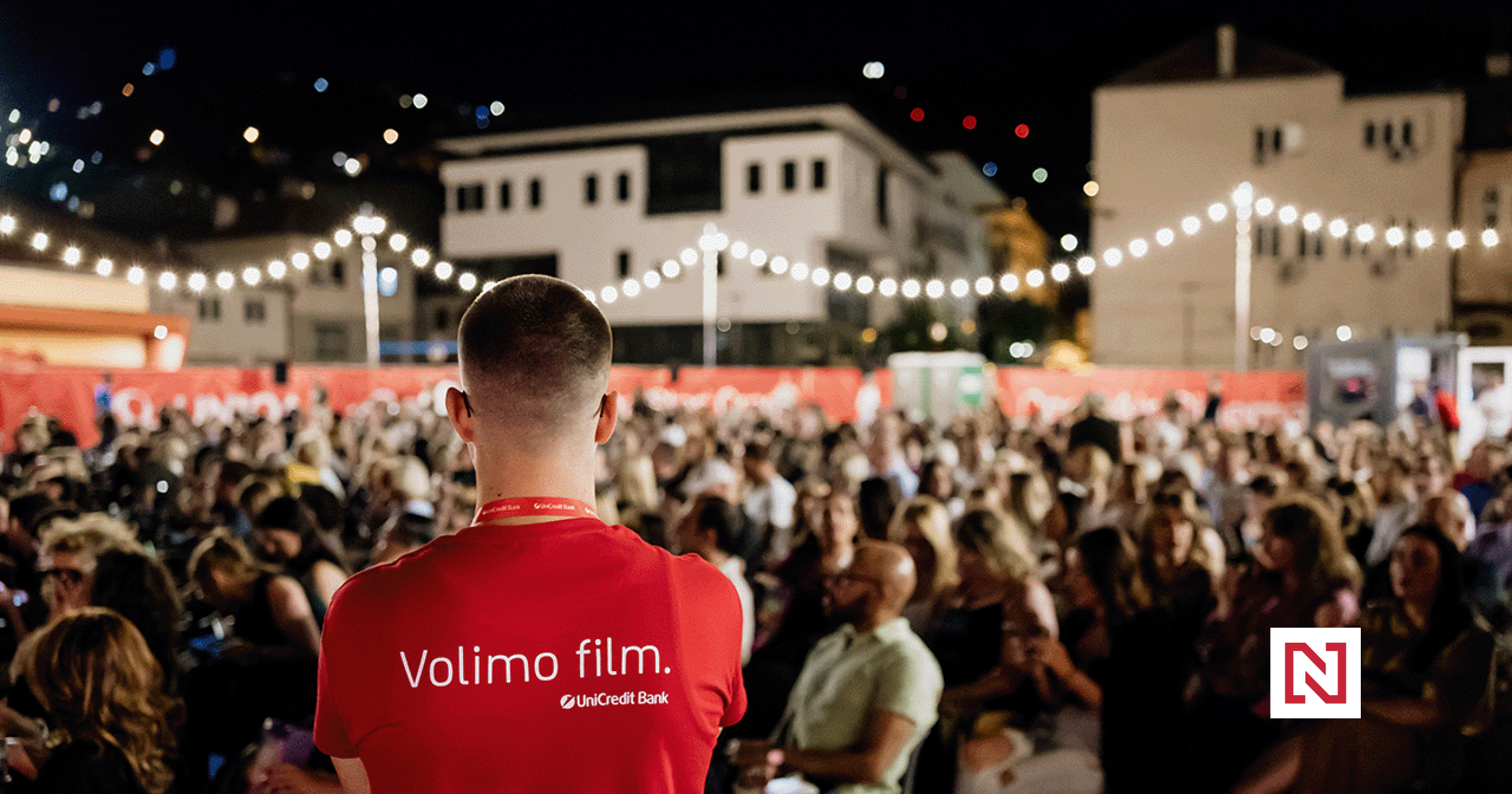
The 32nd Sarajevo Film Festival has once again gathered films and film lovers from around the Balkans and further afield. The opening film of the festival was "Fatherland," which earned Pawel Pawlikowski the Best Director award at Cannes. Pawlikowski has a long history with Sarajevo, a history he touched upon in the later days of the festival during a master class. He directed the BBC documentary "Serbian Epics" (1992), about the "warrior poets" who were shelling Sarajevo during the war. It was a strange experience to see him introduce his latest film at an open-air screening, with the Sarajevo hills in the background, hills where he had been filming war criminals as they were committing their acts more than 30 years ago.
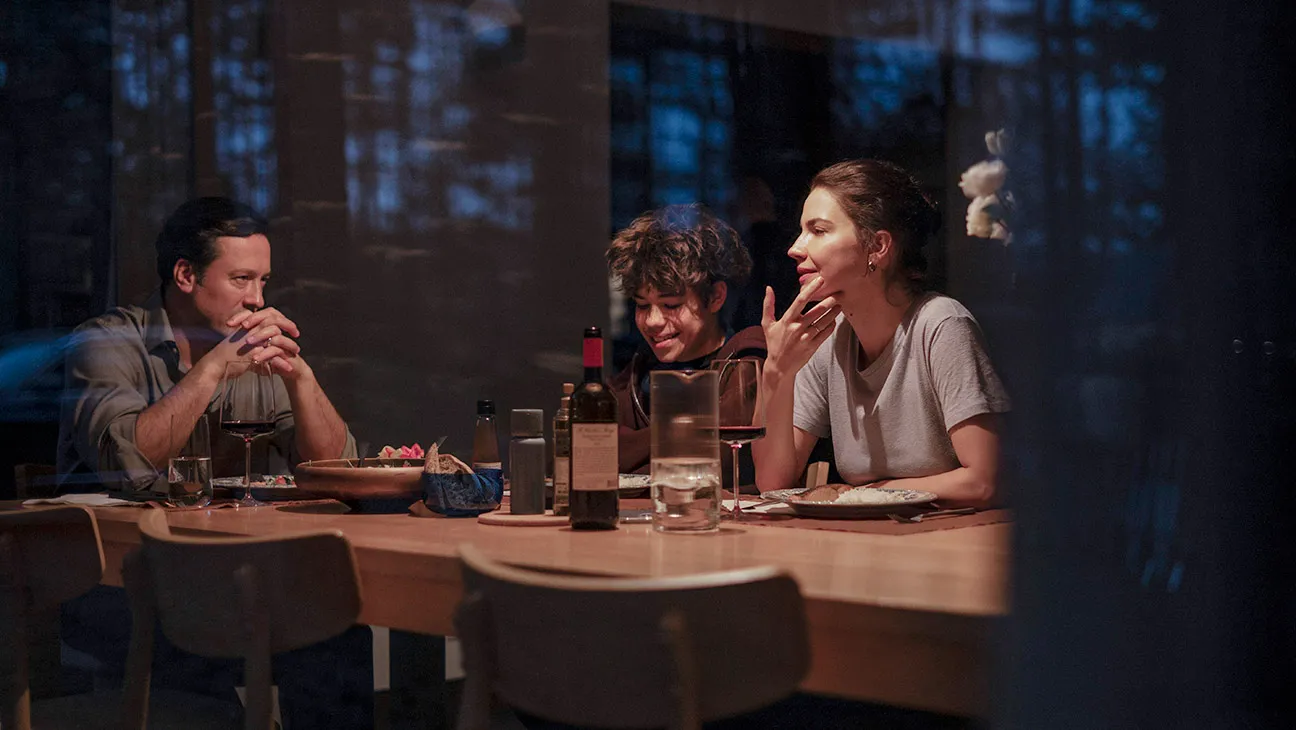
Stories from recent history and the present-day Balkans are naturally where the Sarajevo Film Festival excels. The morning press screenings all (except for a Georgian film) featured films from the region, and naturally, when you see them one after the other, as at all festivals, they start to rhyme. Visar Morina’s "Shame and Money" is the story of a Kosovar family who, betrayed by one of their own, lose their livelihood in the village and must go live in Prishtina at the mercy of relatives. In a crucial scene in which their landlord is cheating them, the grandmother of the house offers to pay the rest of the rent with her "lira" – at which the whole family is thrown into disbelief and grief. The gold lira, they do call it lira in Albanian, is the very last bastion of any Balkan (and, naturally, Turkish) family’s economy: once that is traded, destitution is not far ahead. The film visits several stations of the money-and-shame cycle, and at one point, when the father of the house approaches delirium due to despair, the camera moves to the (in) famous statue of Bill Clinton, under which a wedding party is dancing to furious Balkan drums.