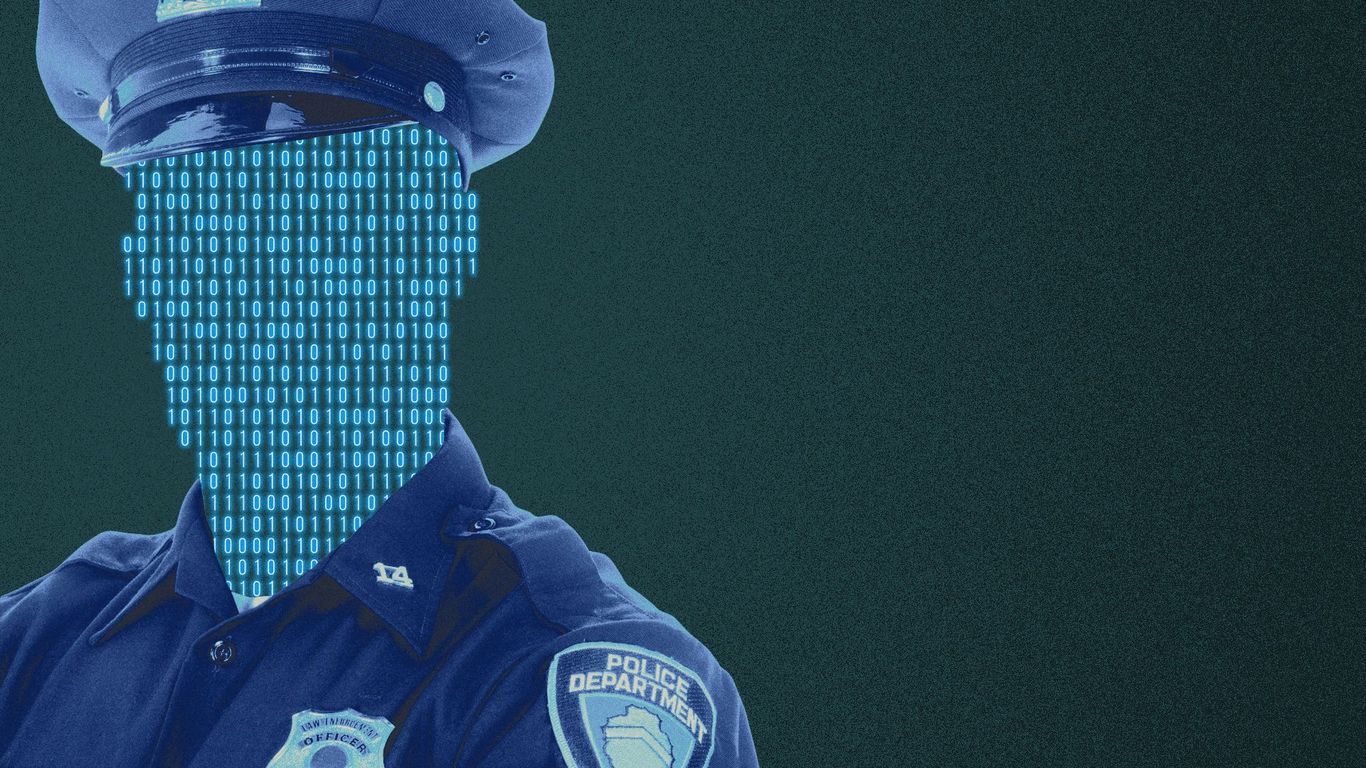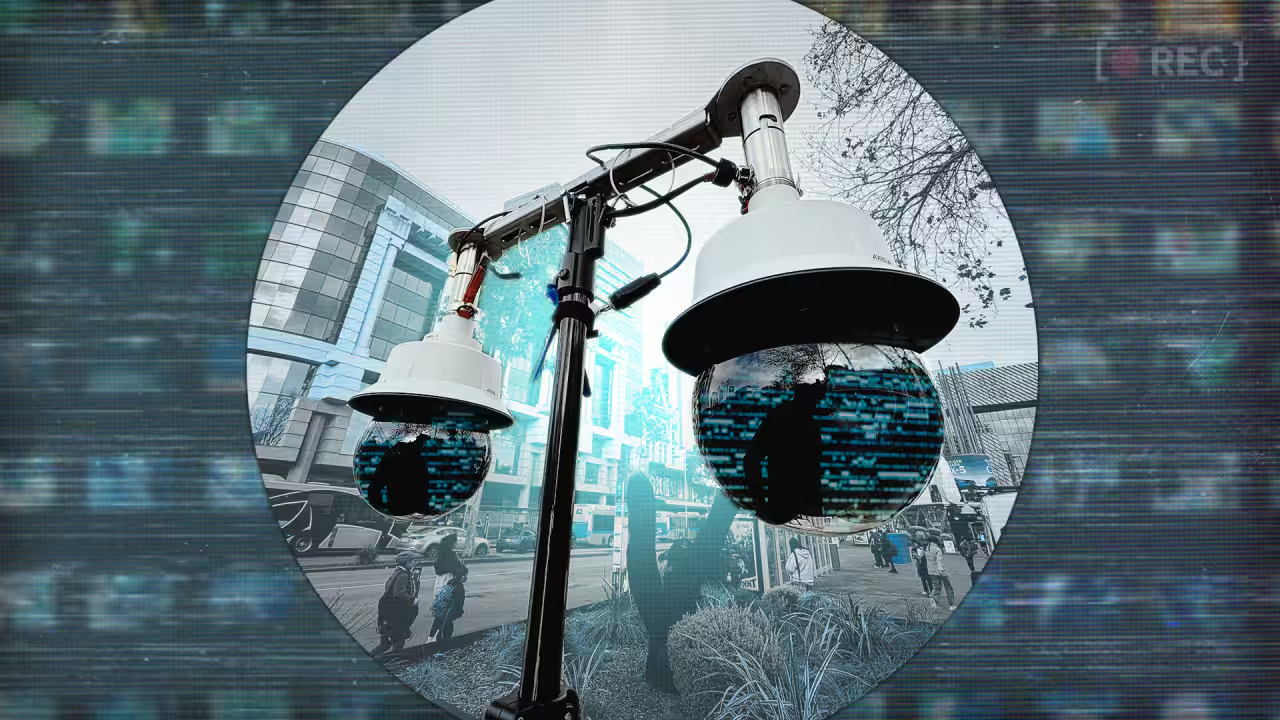
Policing and incarceration in the twenty-first century are not wholly human practices. The strategies, tactics, and encounters that organize the carceral state are developed and prosecuted in collaboration with inhuman technologies that “we” do not and cannot fully understand. In fact, the demotion of the human agent in policing is often by design. Making sense of carceral power at this moment requires that critics approach policing the way we do other industries that are widely acknowledged to be fully captured by digital media, like finance.Article continues after advertisement
Policing is, now, an inhuman practice in both an ethical and a technical sense. People might set policy and parameters for what we’d like our carceral institutions to do. But, practically speaking, none of it is imaginable or executable without digital technologies that are fundamentally black-boxed, inscrutable to individual cops on the beat and institutional decision-makers alike. This, as much as anything, is the key point of the carceral surround: “We” humans are the products of the twenty-first-century carceral technology industry as much as its authors.
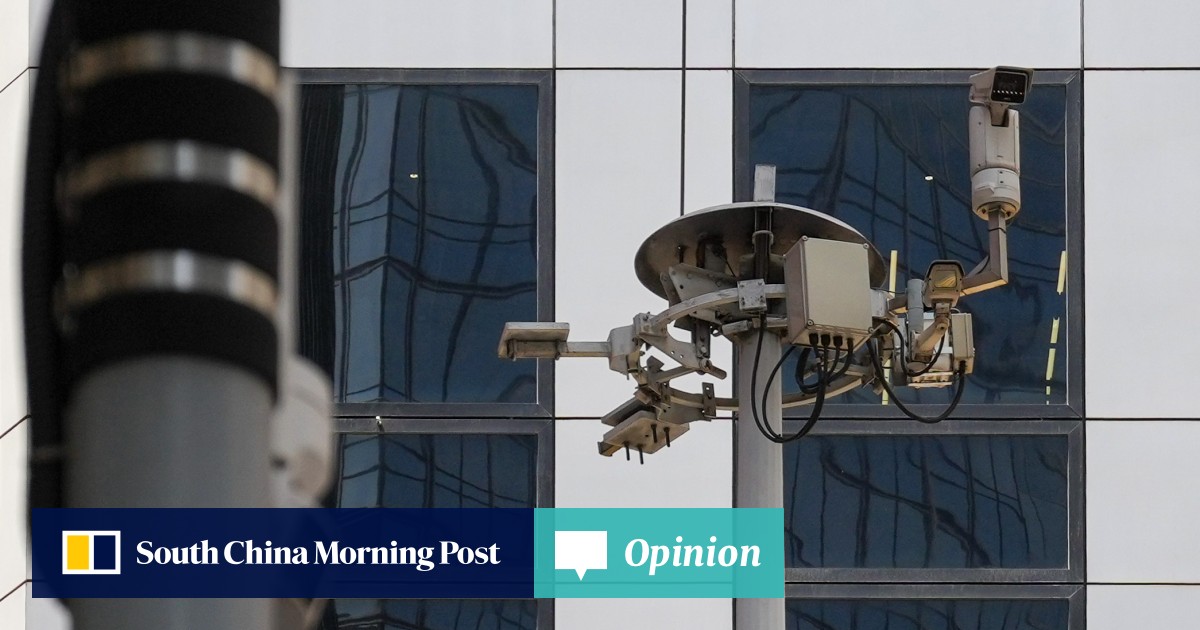
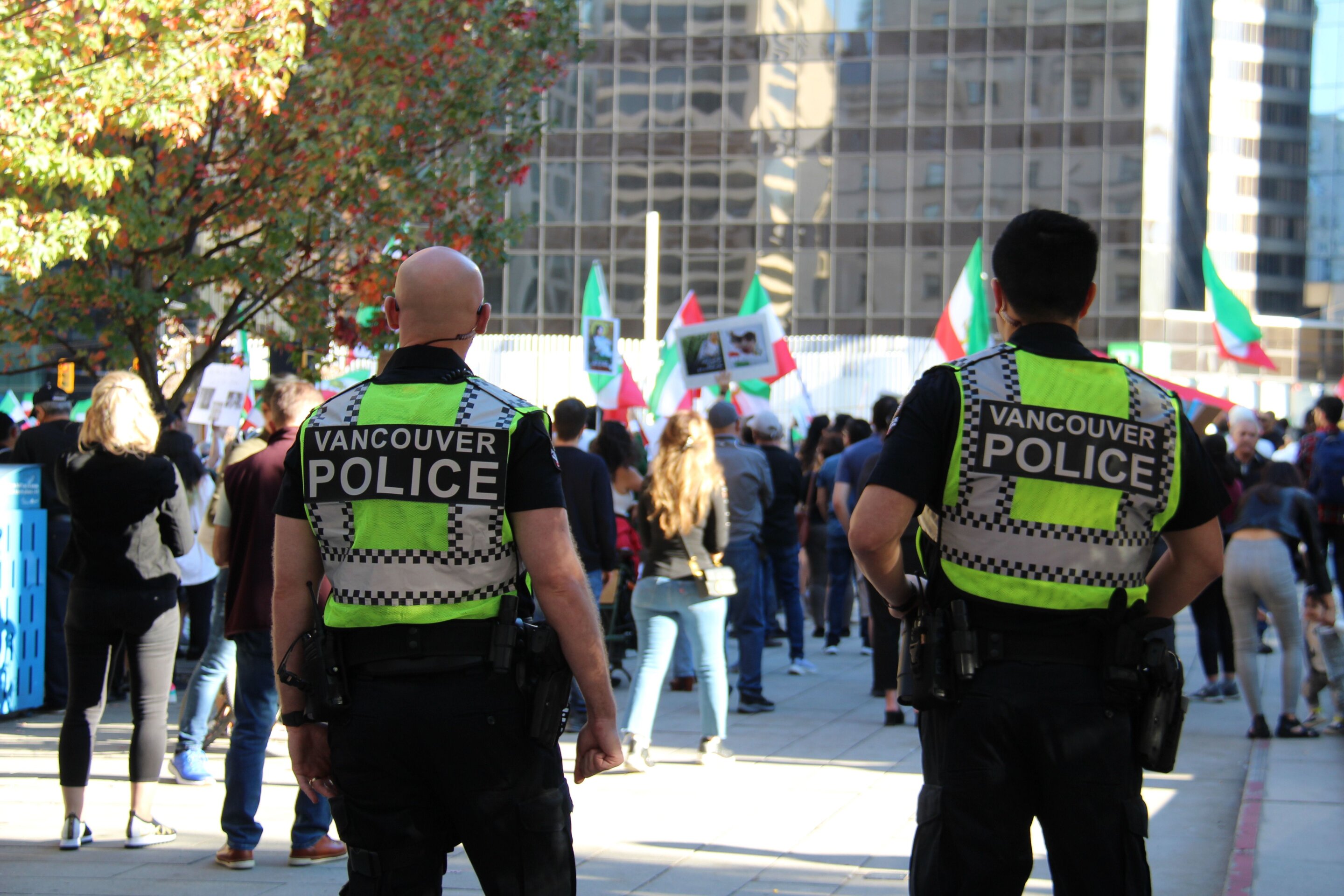
I’ve developed the carceral surround to name the logic that connects the NYPD’s 2020 siege of Black Lives Matter activist Derrick Ingram, who was wanted for yelling into a bullhorn during that summer’s protests, to police agencies’ precision targeting and abduction of international students opposed to genocide in Gaza, to the surveillant mundane of everyday life under what Jackie Wang names “carceral capitalism.” This logic is extensive and immanent to the social world. It organizes the network of computational technologies that collectively work to instantiate carceral power as a bedrock and reality-defining force of contemporary capitalism. This force flows from a populational logic that uses statistics and algorithms to distribute the state’s violence work.