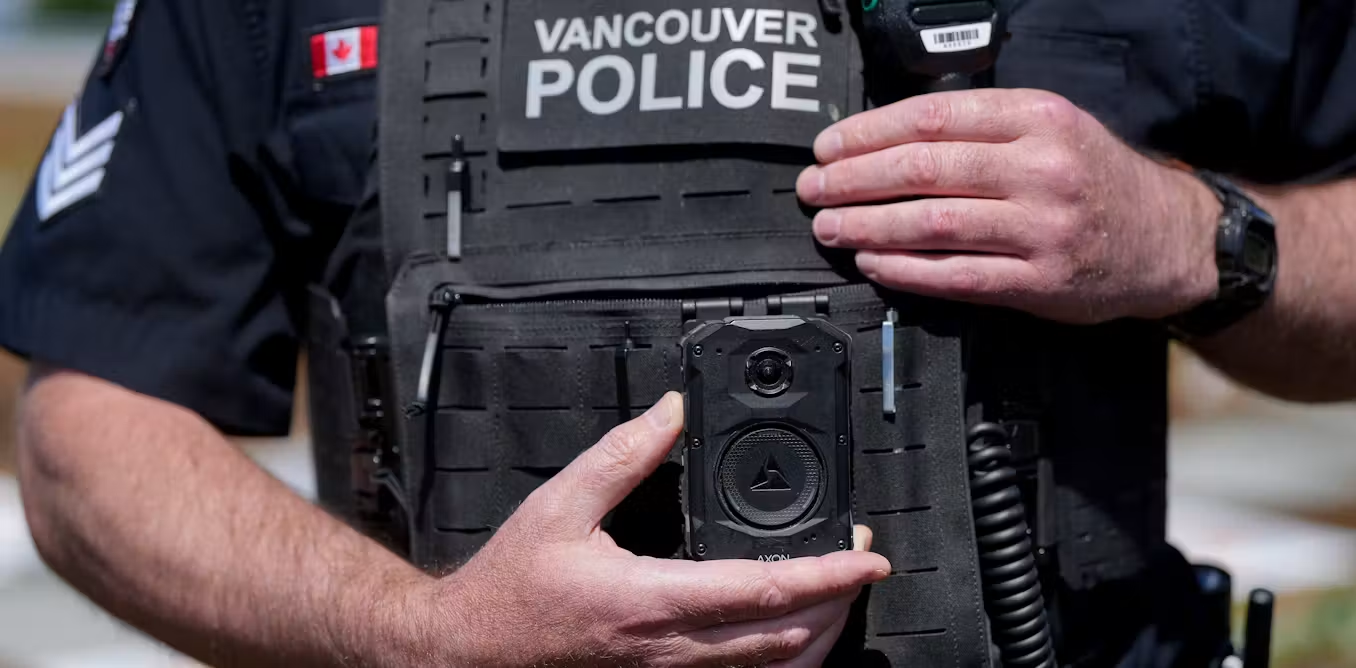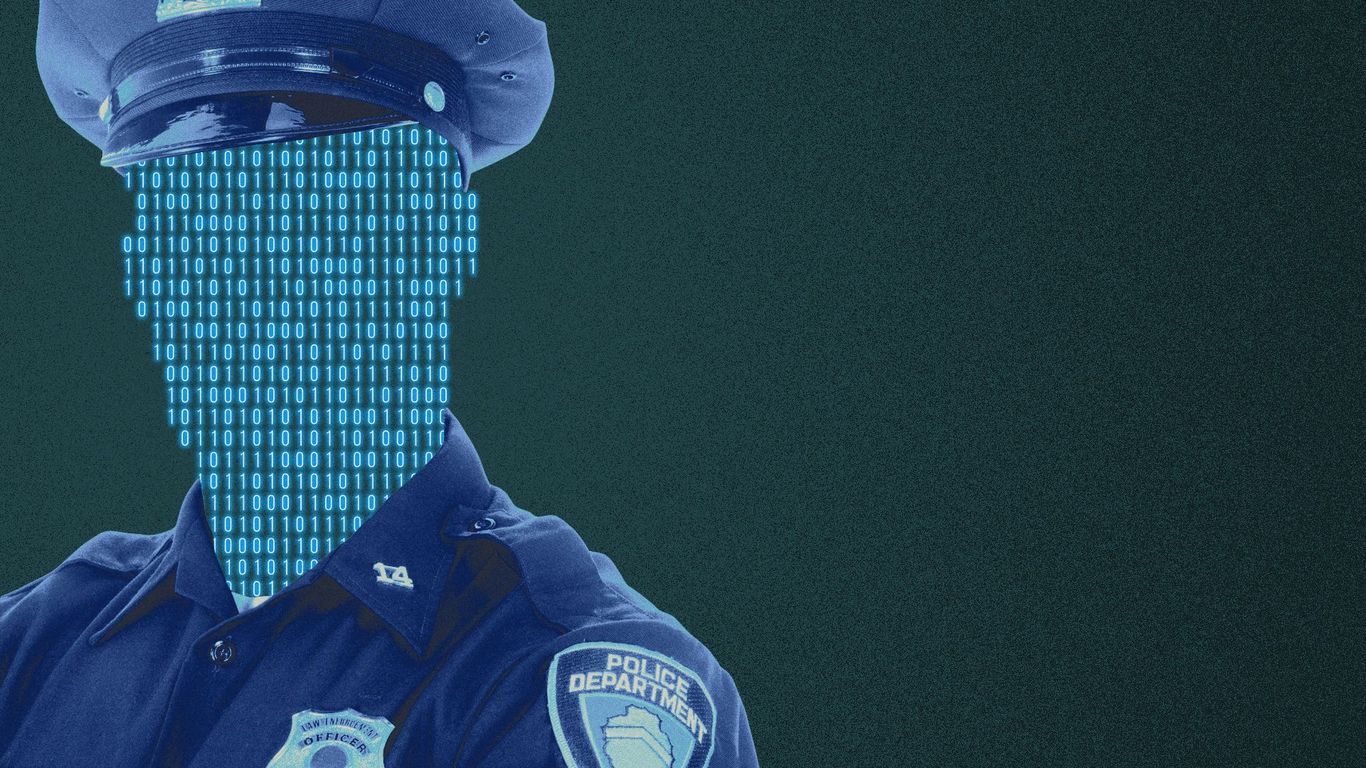
Since the release of ChatGPT in 2022, artificial intelligence (AI) has dominated the cultural landscape. Uptake across various sectors, including law enforcement, quickly followed, usually with minimal foresight and little to no guardrails, like effective policies or laws, to govern AI use.
The largely unregulated use of AI in law enforcement is deeply concerning; it jeopardizes police legitimacy and could compromise the integrity of the justice system because it means the public cannot trust that evidence used by police is not compromised by AI.
Procedural justice, or the perception of fairness, is key to police legitimacy. It's maintained through both unbiased law enforcement practices and the sharing of accurate information with the public and courts.
It's well documented that AI programming is rife with bias and distortions of information. Evidence even suggests that AI bias can be "worse than reality."
While debates about bias and problems with AI are ongoing, it's clear that the selective use of AI by police is inherently biased and must therefore immediately cease.