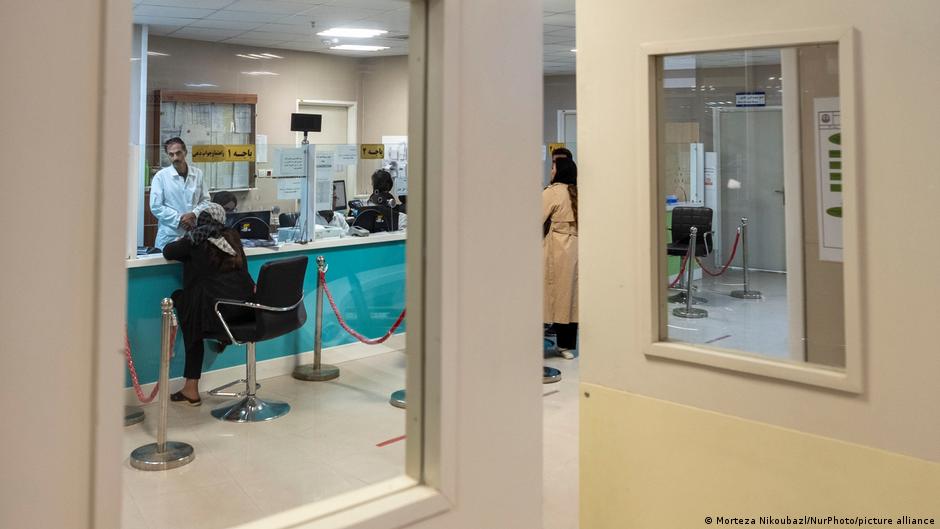
A 70-year-old woman with advanced breast cancer was supposed to undergo chemotherapy every two weeks. Doctors had scheduled six treatment sessions, each costing around 100 million Iranian tomans (about $530 or €450).
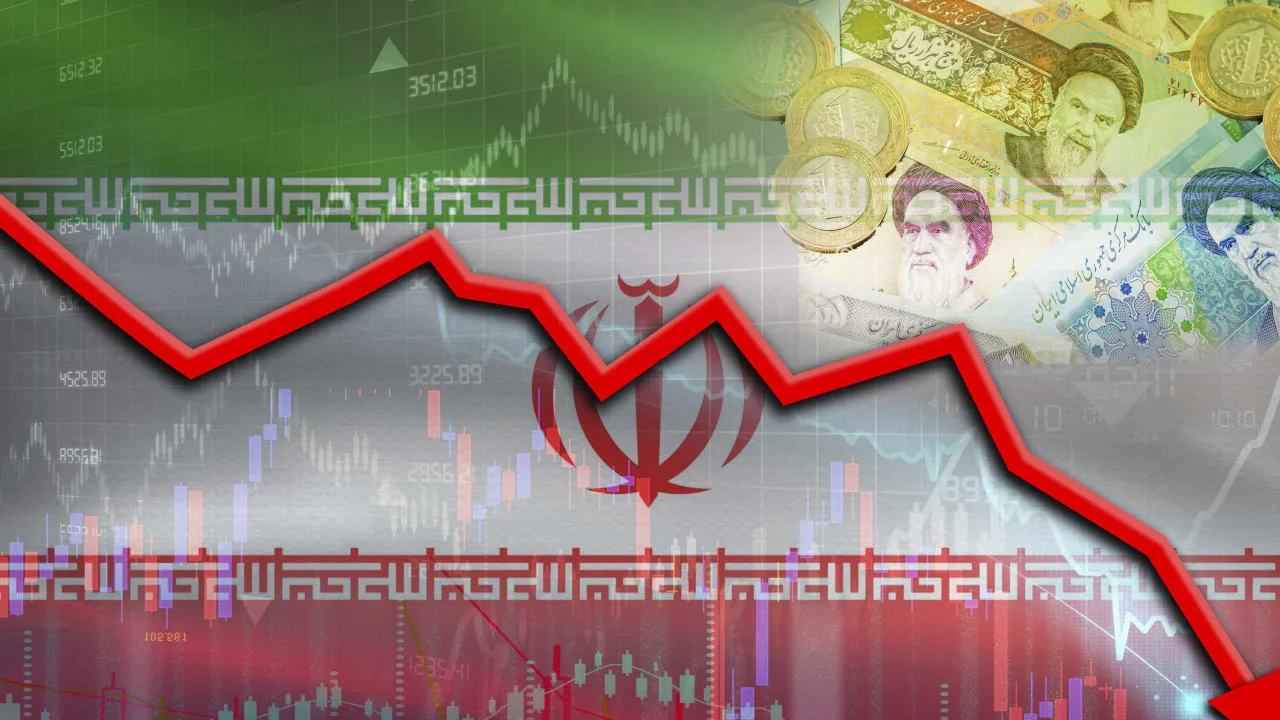
Iran's minimum monthly wage for workers covered by the country's labor law is 16.6 million tomans, meaning that just one of her chemotherapy sessions costs roughly six times the monthly minimum wage.
The woman's children asked her doctor to postpone the next round of treatment while they searched for a loan or any other source of financial support, according to colleagues of Hamid Hemmatpour, an Iranian physician based in Austria and a member of the executive board of the Association of Healthcare Professionals for Human Rights-Austria.
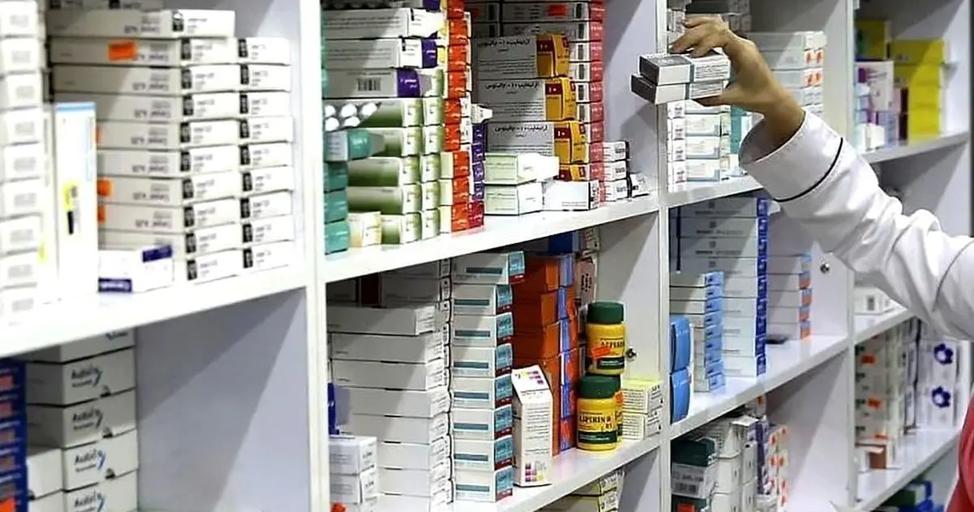
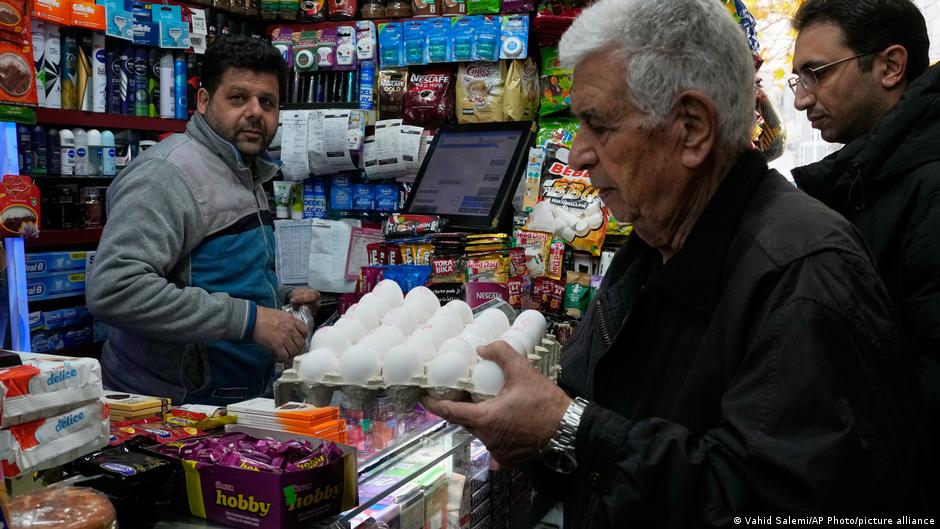
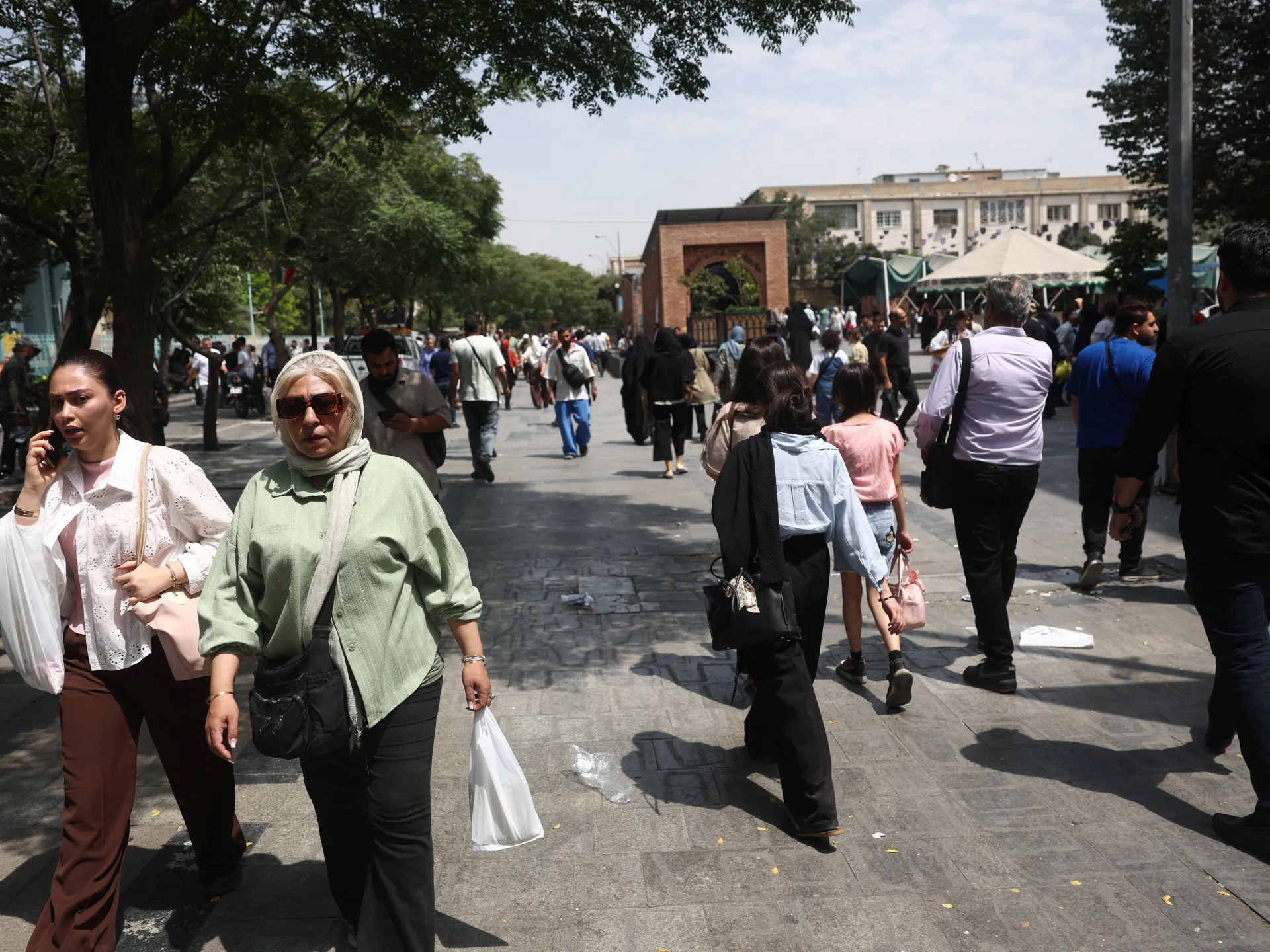
Her story is far from unique. Across Iran, rising prices, persistent shortages, disruptions in foreign currency transfers and growing pressure on the health care system are making access to treatment increasingly difficult, according to Hemmatpour and another Iranian physician based in Austria, Hassan Nayeb Hashem.
Drug prices rise sharply in Iran