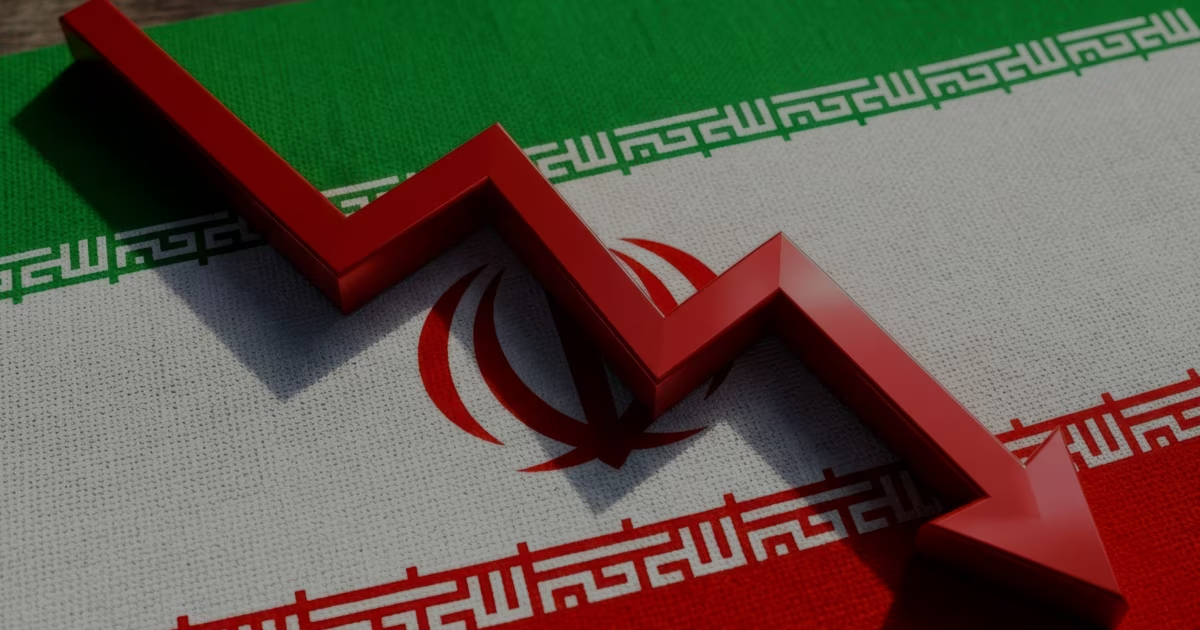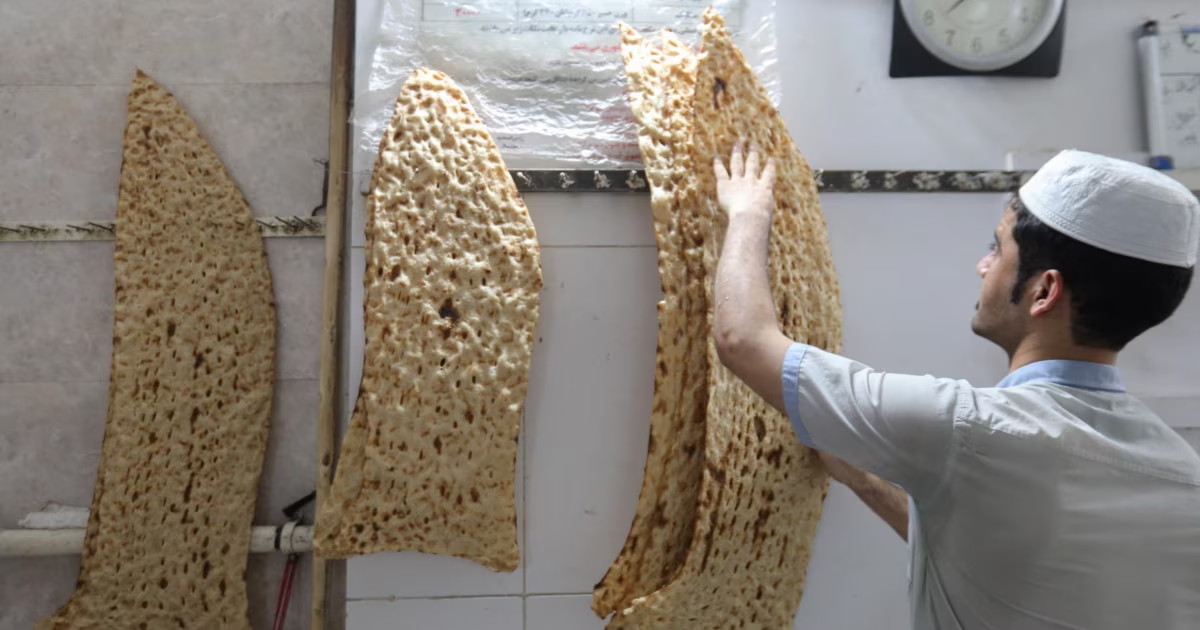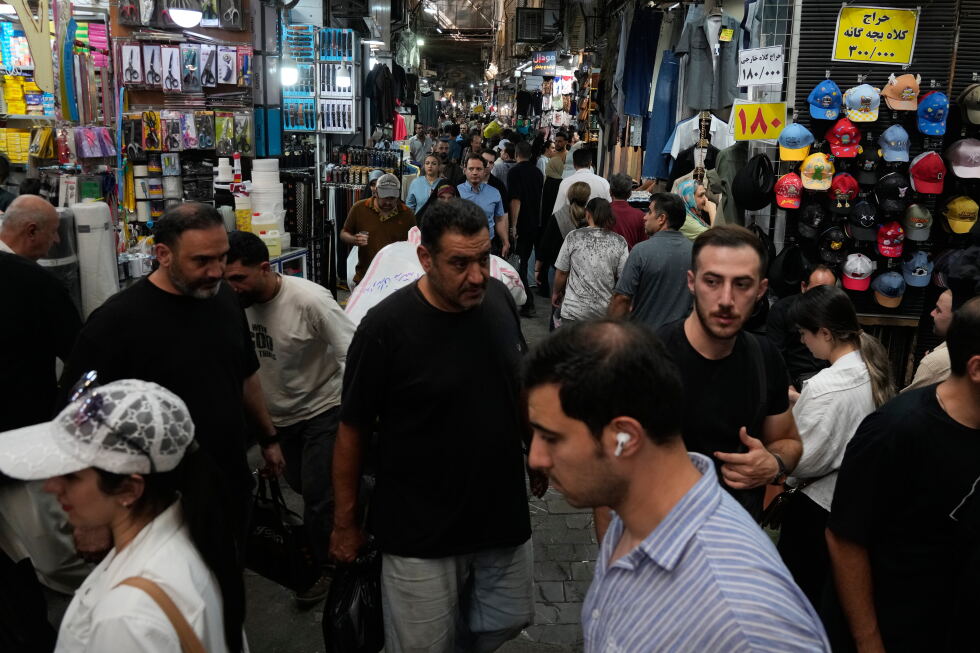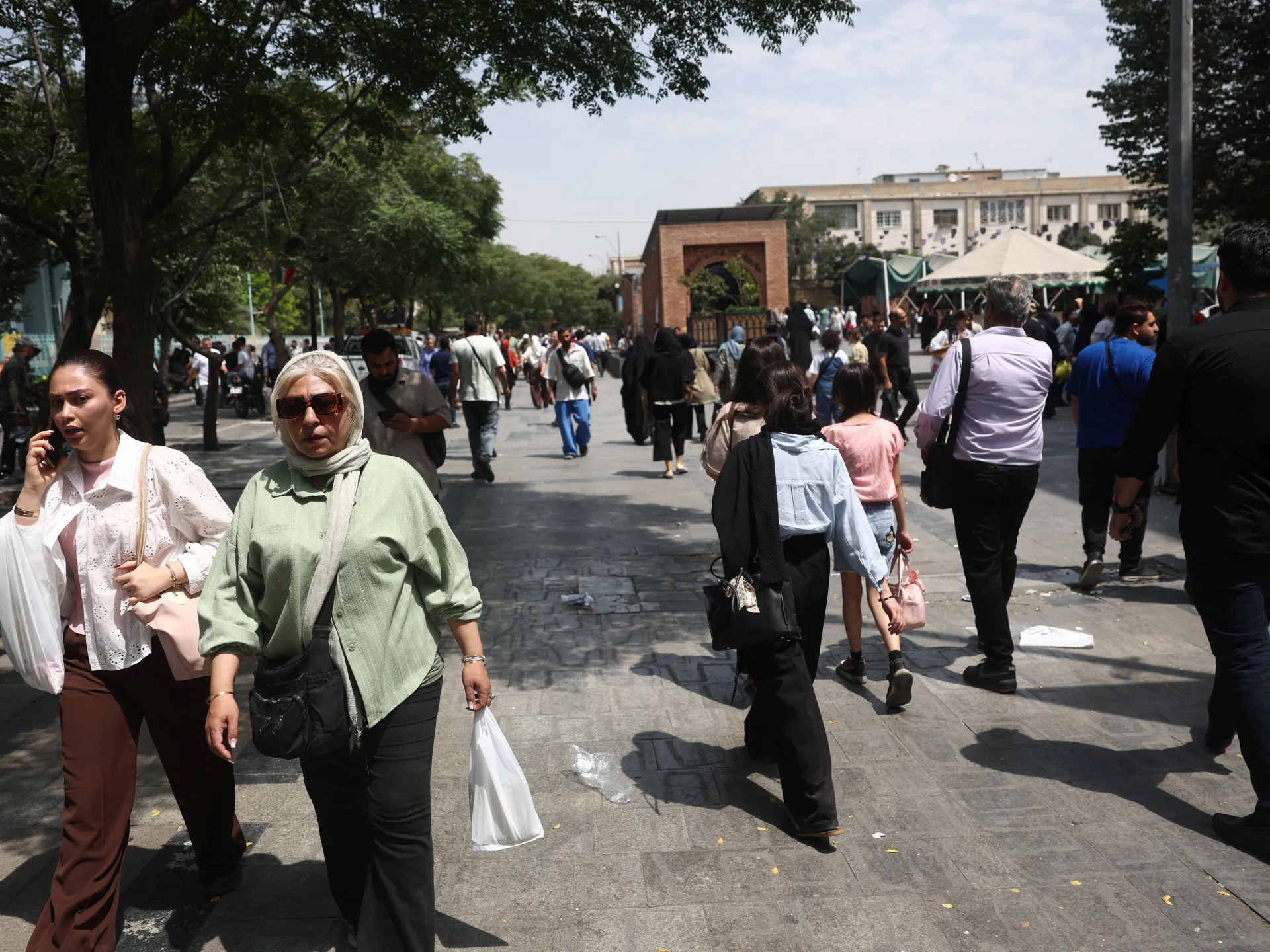
Living conditions for ordinary Iranians are getting tougher as war and sanctions add to years of economic strain.
Officials have introduced higher wages and food vouchers to try and shield low-income households, but many Iranians say the measures are failing to keep up with rising prices.
In March, the monthly minimum wage in Iran was raised by 60%, or 166 million rials ($120, €104). However, for many households, the most visible sign of the crisis is not a headline inflation figure, but the speed with which ordinary prices change.
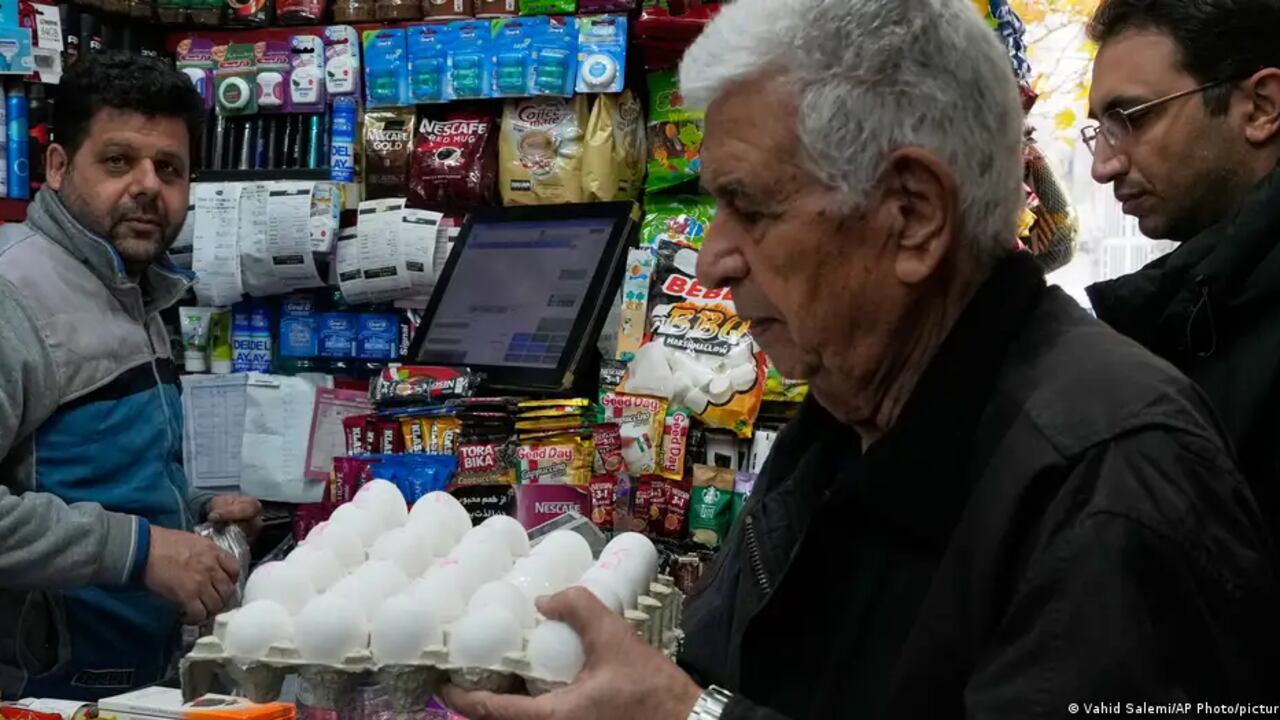
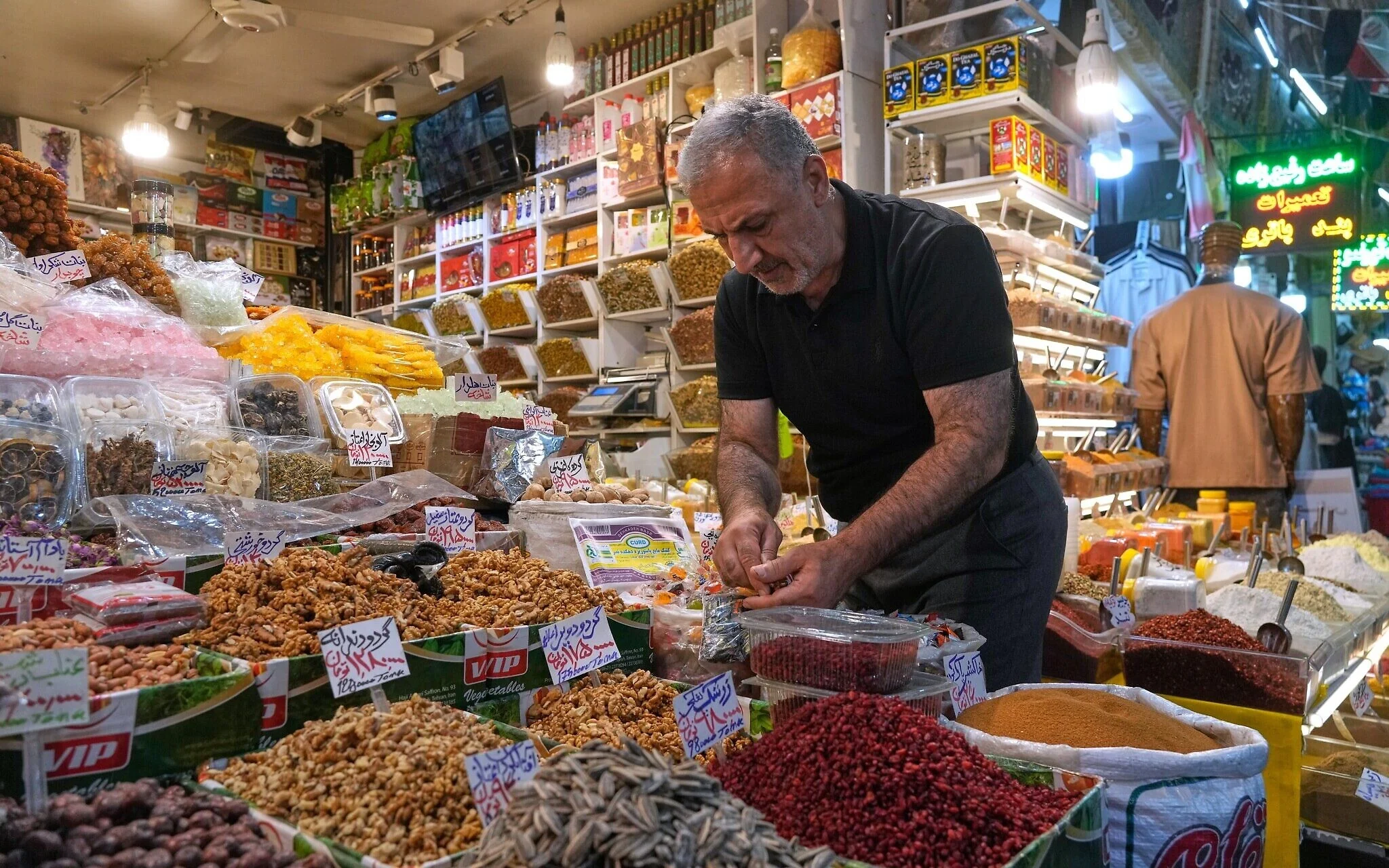
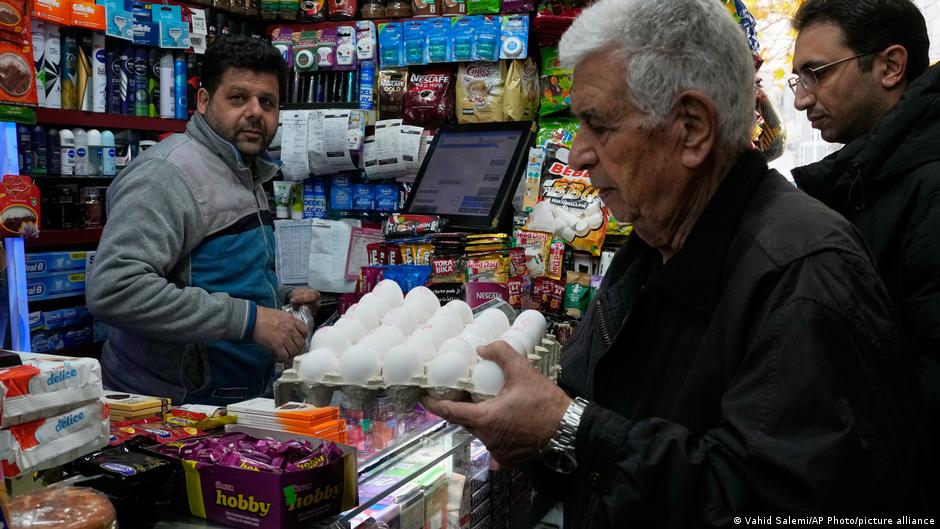
One Tehran resident told DW that the price of rice went up 9% within two weeks. Other items like ice cream saw similar hikes. Prices are climbing week by week, while salaries are adjusted only once a year.
Officials say a food voucher scheme is meant to ease the burden on households. But many Iranians argue that the support has not kept pace with prices.