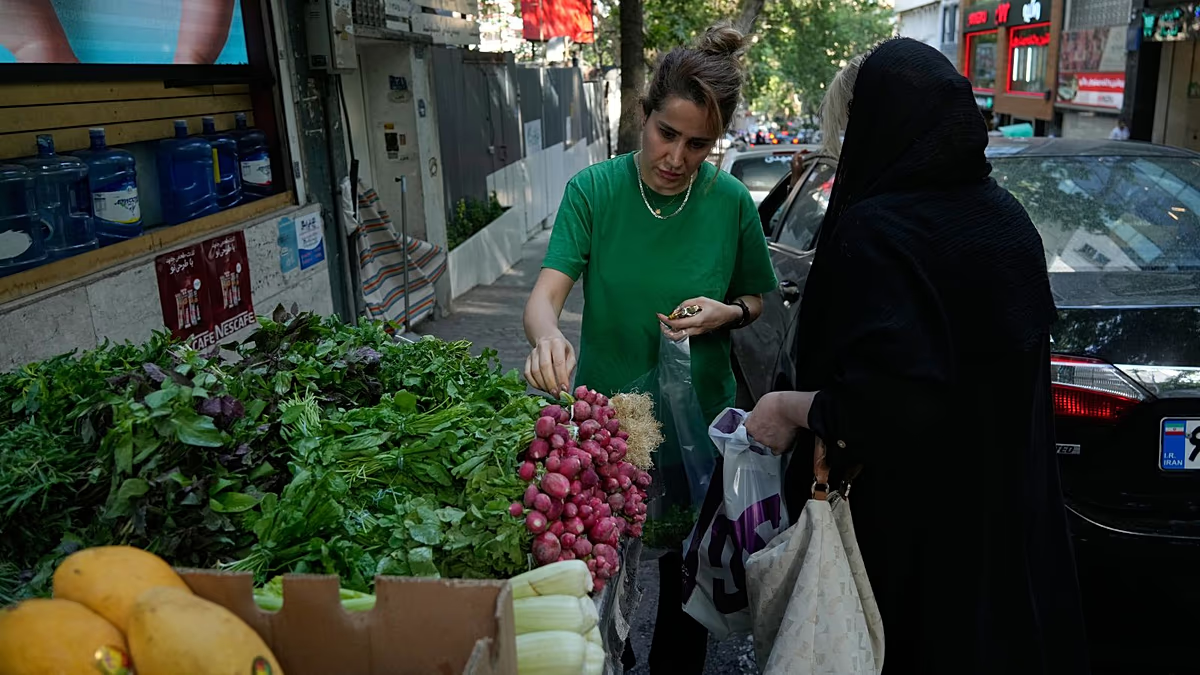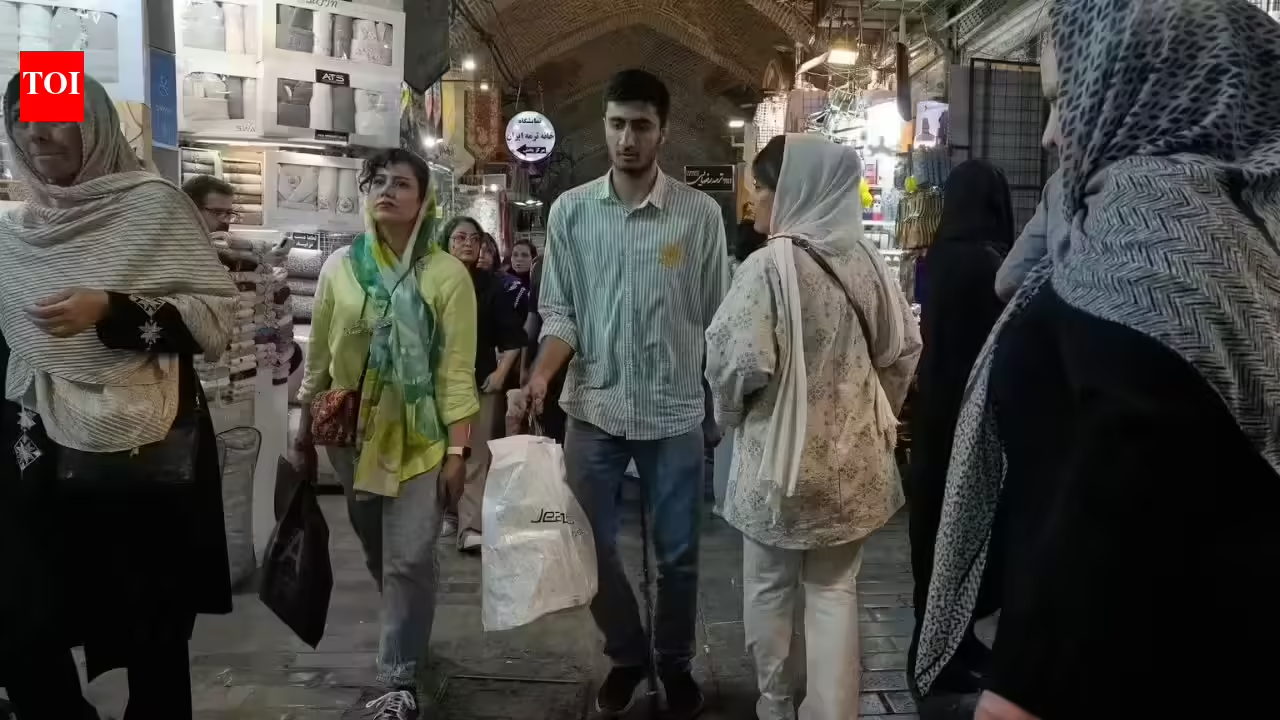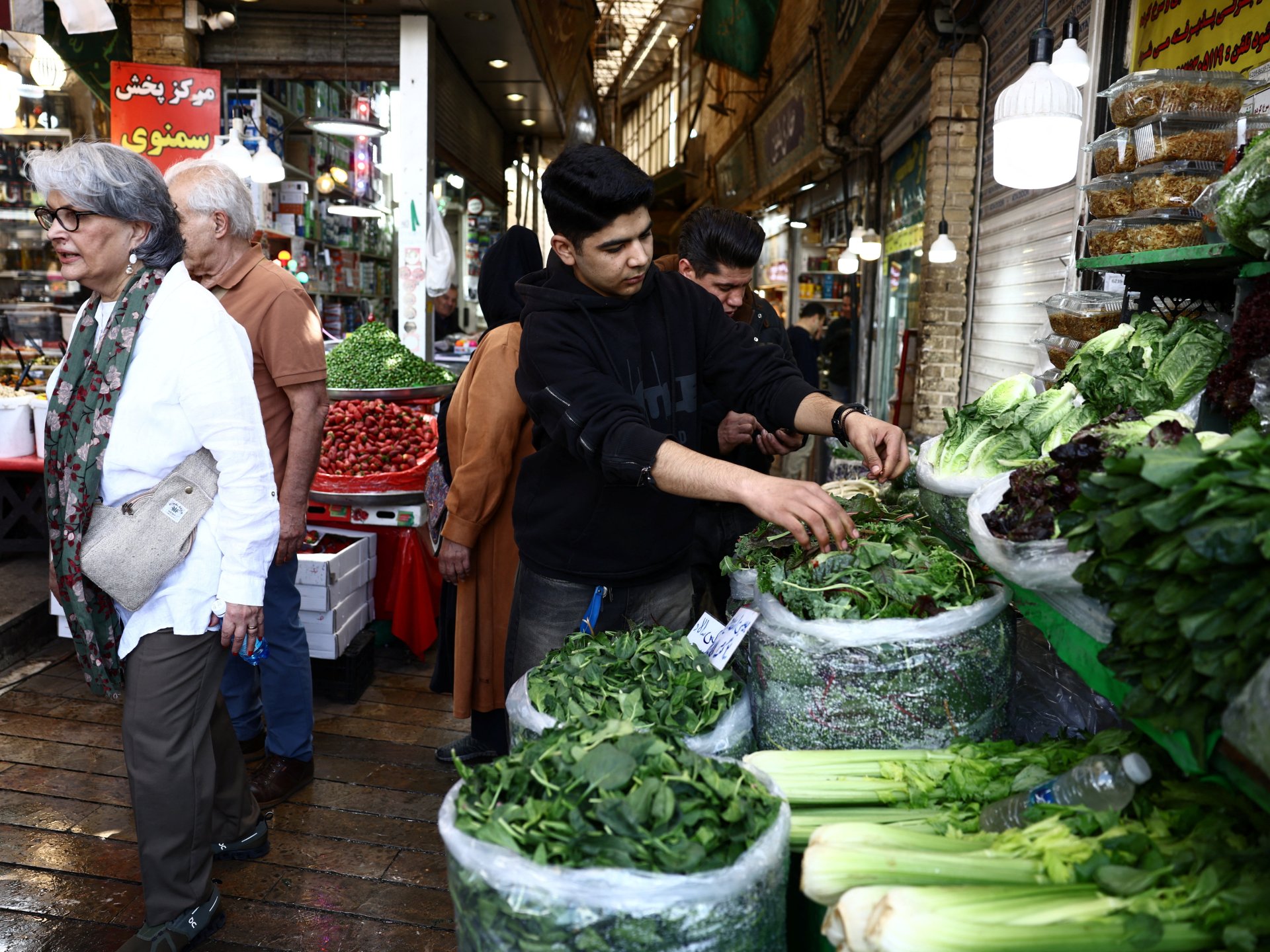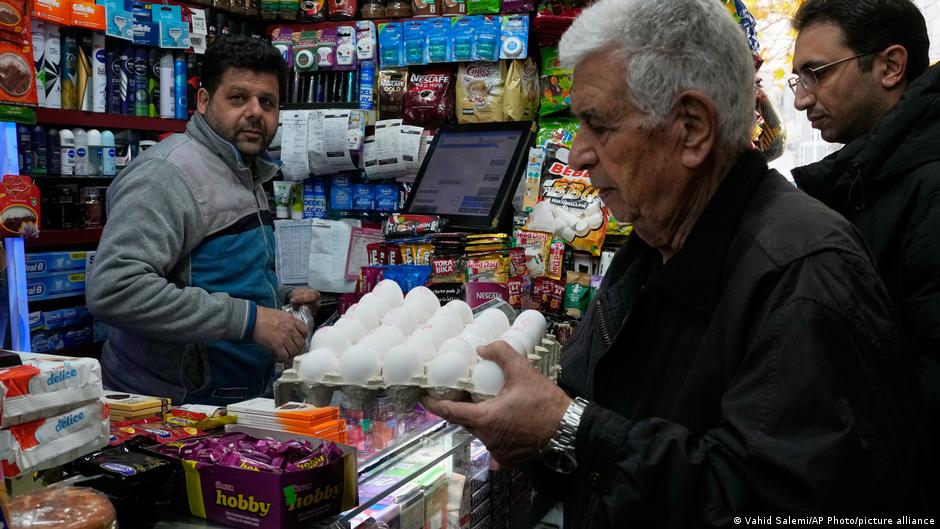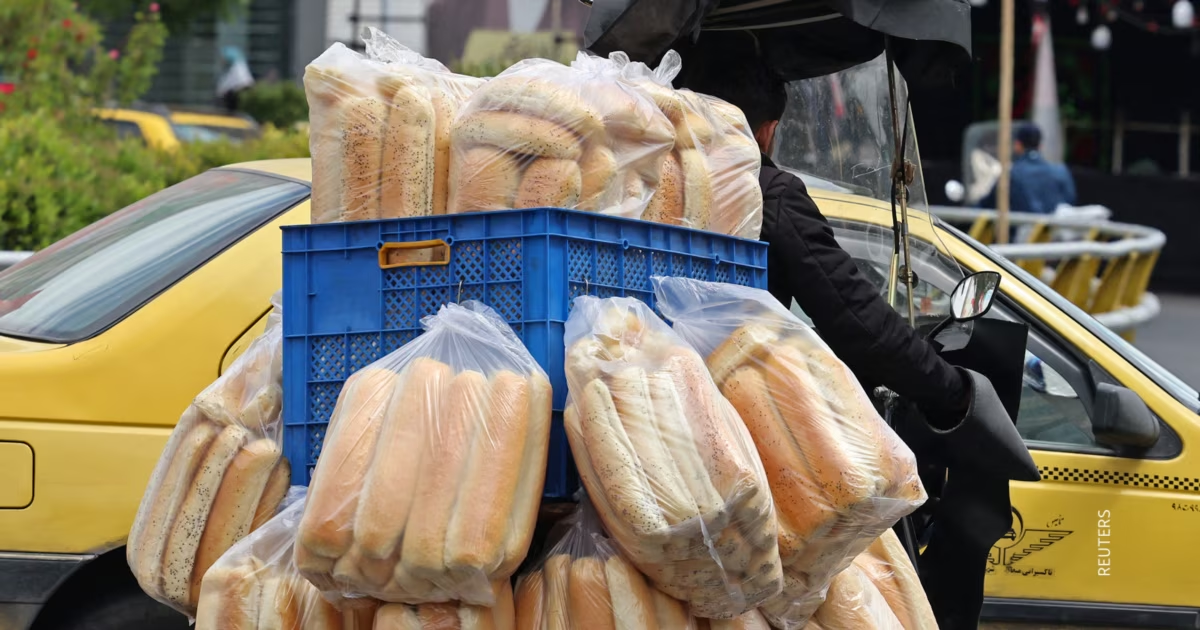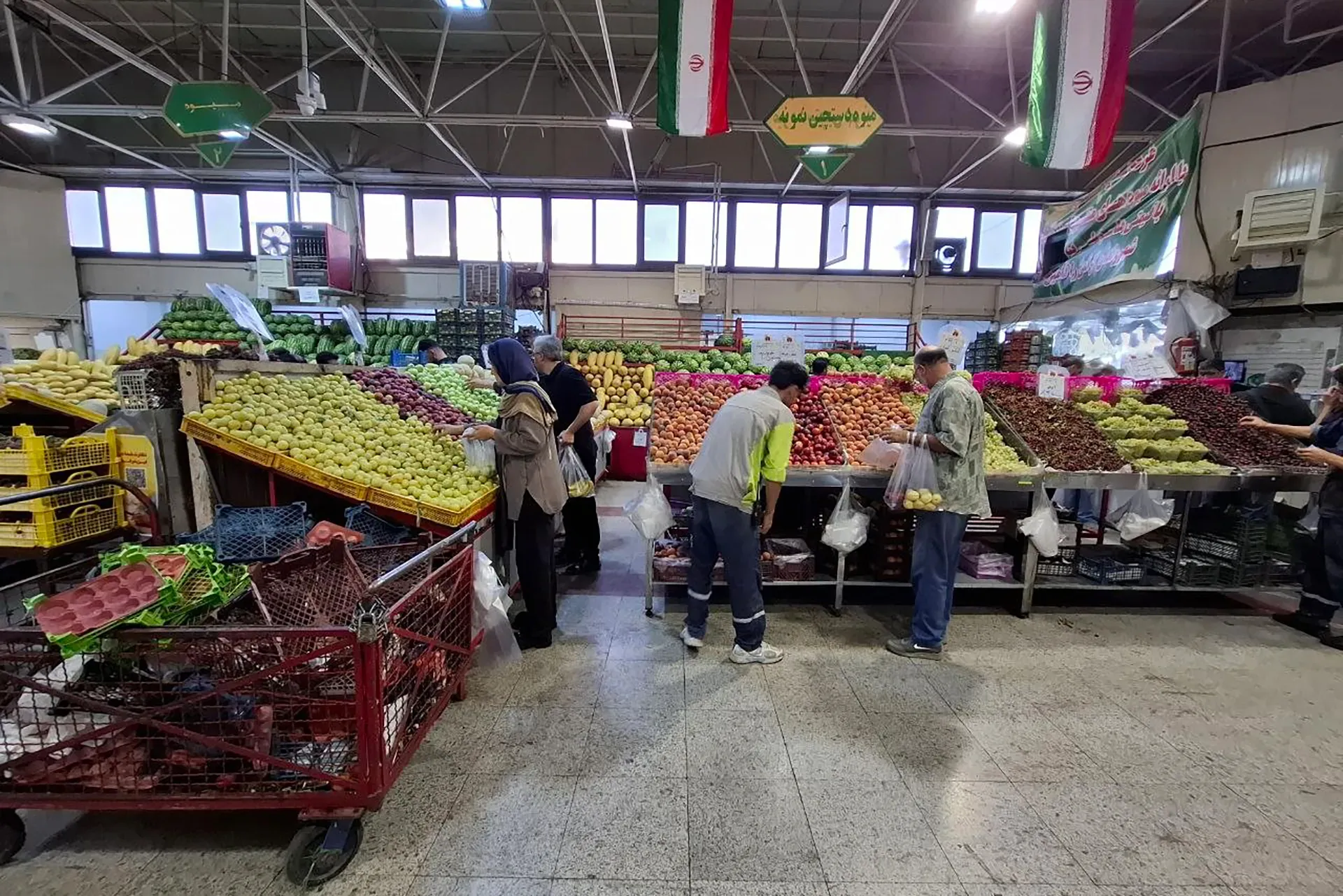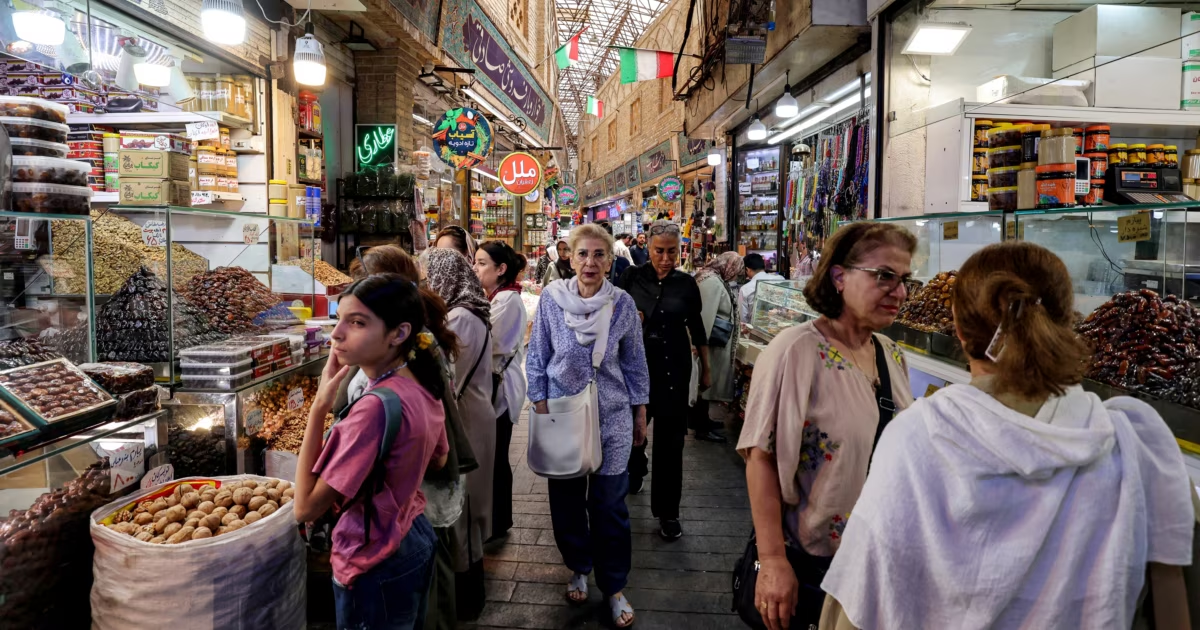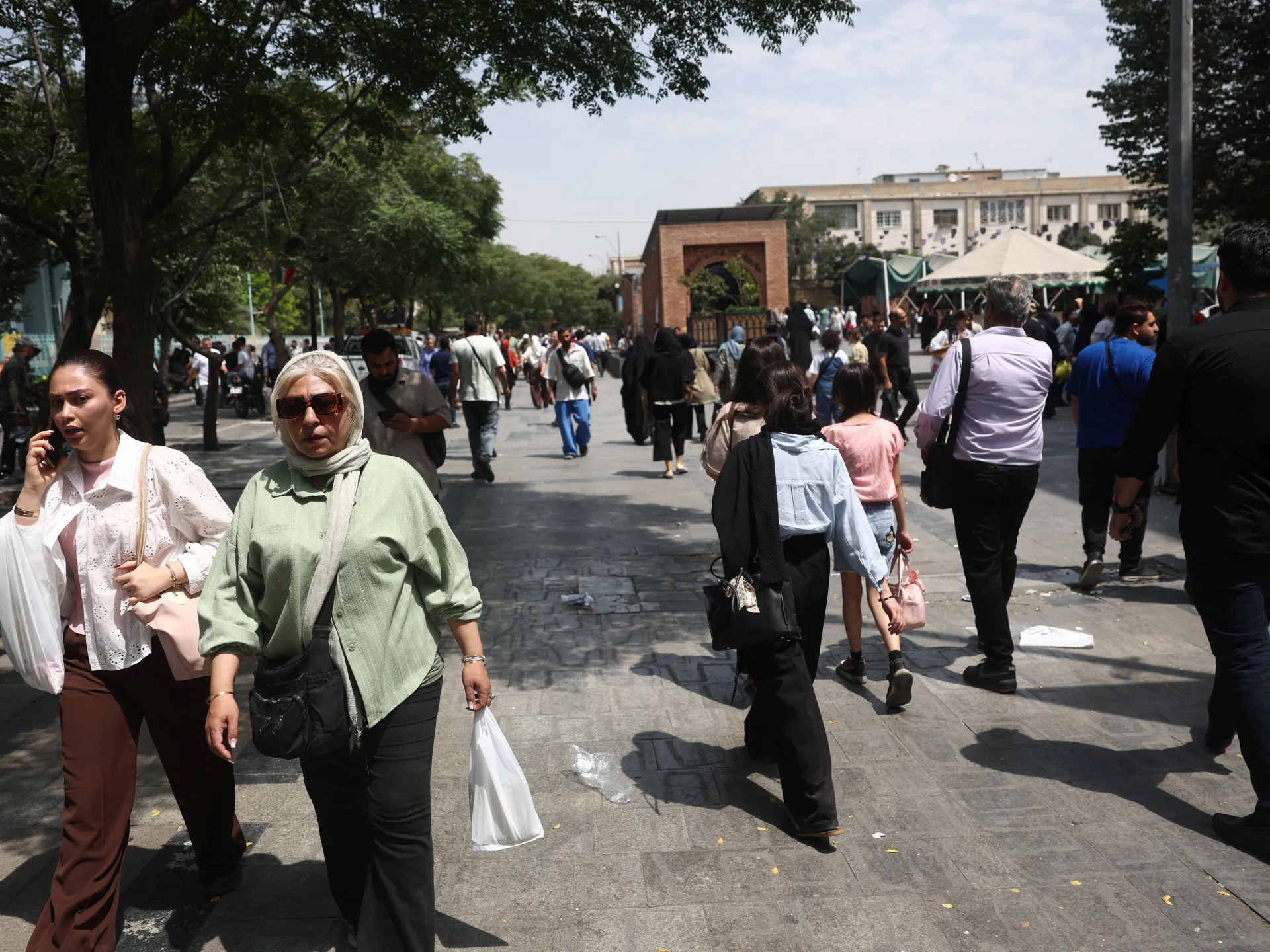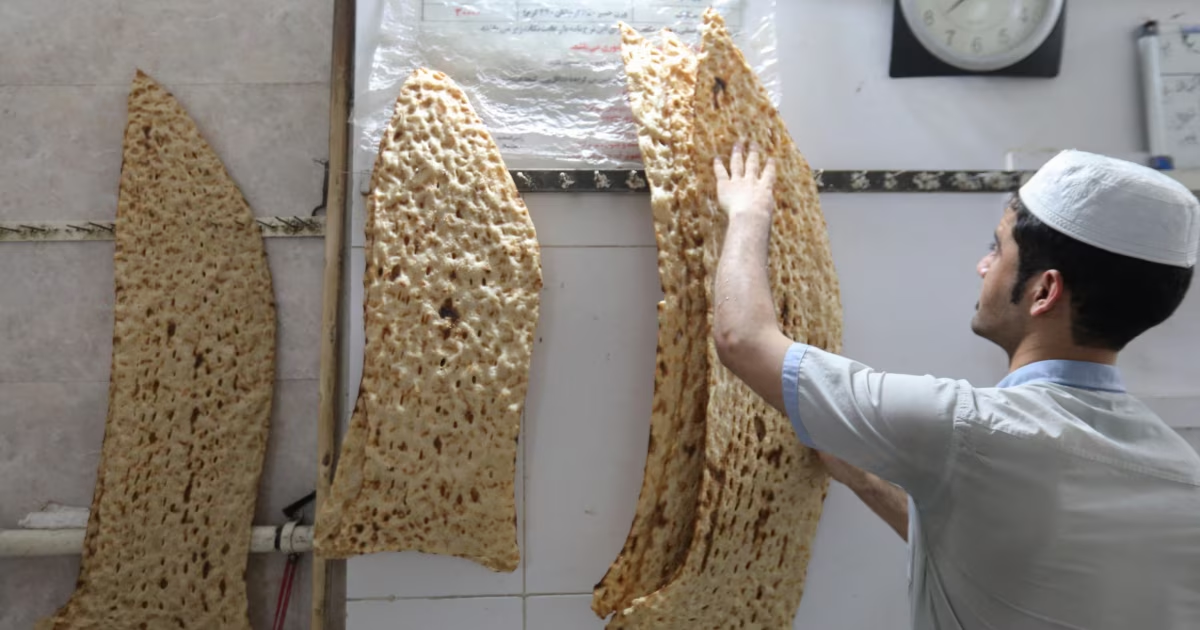
Despite years of crippling economic sanctions, Iranians were still able to put bread on the table. Until now.Soaring costs and supply shortages exacerbated by the war with the United States and Israel have left much of Iran's infrastructure and industries in tatters, fueling runaway inflation and joblessness.Bread has historically been among the few staples kept affordable through government subsidies, with the state supplying flour to bakeries at low prices.But bread prices have doubled from a year ago in places such as Tehran, leaving many struggling to put the staple on their dining tables."Things are very bad," one woman in the capital told RFE/RL, "and we're actually better off than a lot of people."Describing the cost-of-living crisis in Iran, the woman, who requested anonymity for fear of government reprisal, said she no longer buys meat, rarely eats out, and has not purchased anything for herself in months.Tehran and Washington signed an interim deal aimed at ending the nearly four-month-war and are currently in a 60-day negotiating window to try to come to a full peace deal.But while diplomats chew on the wording of an accord, millions of Iranians are still wrestling with the economic fallout, with some cutting down to just one meal a day.Bread prices are determined by the authorities. In Tehran, officials allowed a massive price increase on June 23, reneging on pledges to keep subsidies in place so that bread would remain affordable.Informal price hikes have already spread to other provinces where costs have doubled. The price of lavash, usually the cheapest bread type in stores and bakeries, has increased to 27,000 rials ($0.02) from 14,000 rials ($0.01).
Iranians Struggle For Their Daily Bread As The War's Economic Costs Rise
The doubling of bread prices in Iran is yet another indicator of the deteriorating state of the economy as ordinary Iranians describe cutting meat, skipping meals out, and struggling to buy their children toys.
647 words~3 min read