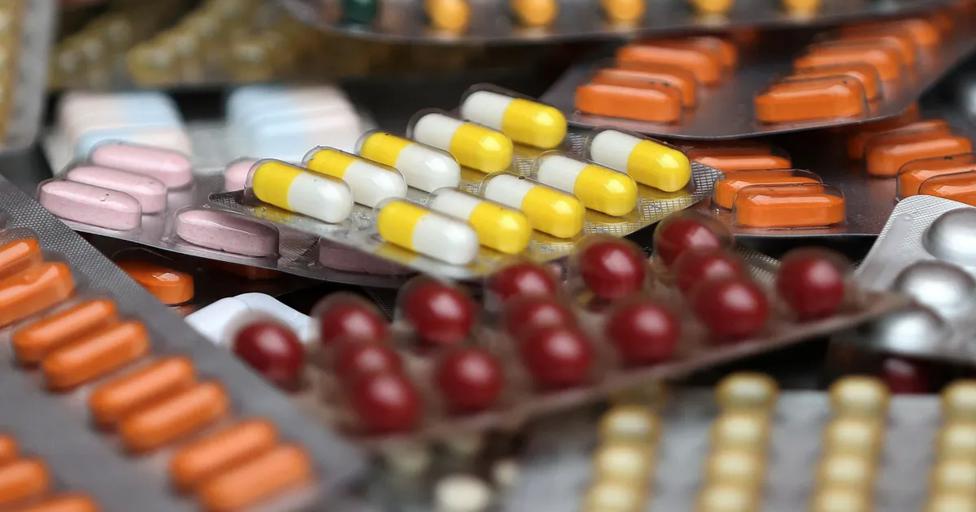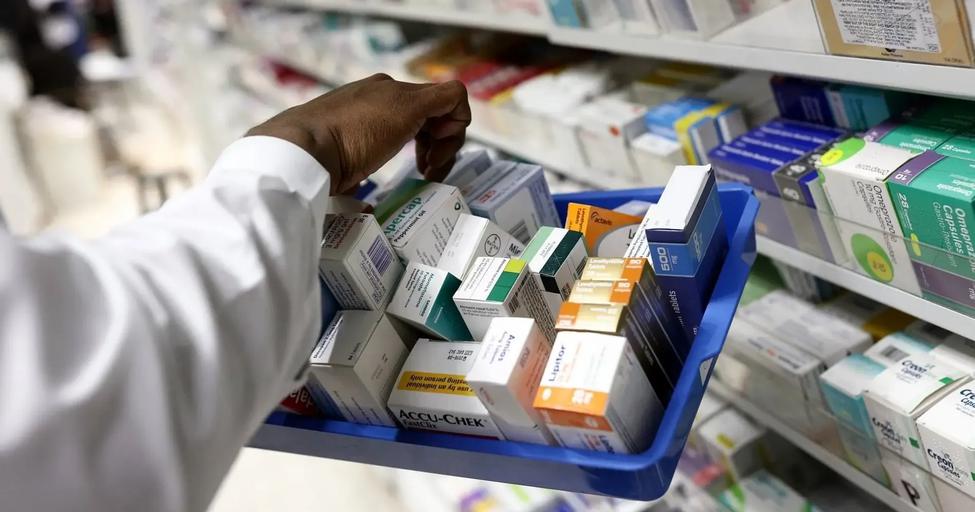
Reports of sharp price increases for several pharmaceuticals in Iran have renewed public anxiety over rising healthcare costs and the fate of subsidized foreign exchange for medicines, a trend the Food and Drug Administration (FDA) claims should not be interpreted as the start of a broader price surge.
Citing an official disclosure by a pharmaceutical company on the Codal financial registry system, Bamdad-e No reported that prices for 82 products from the manufacturer surged by an average of 120%. According to the disclosure, certain medications experienced far higher spikes: Donepezil, used to treat Alzheimer’s disease, rose by roughly 543%, while Clarithromycin, an antibiotic, jumped by nearly 308%.
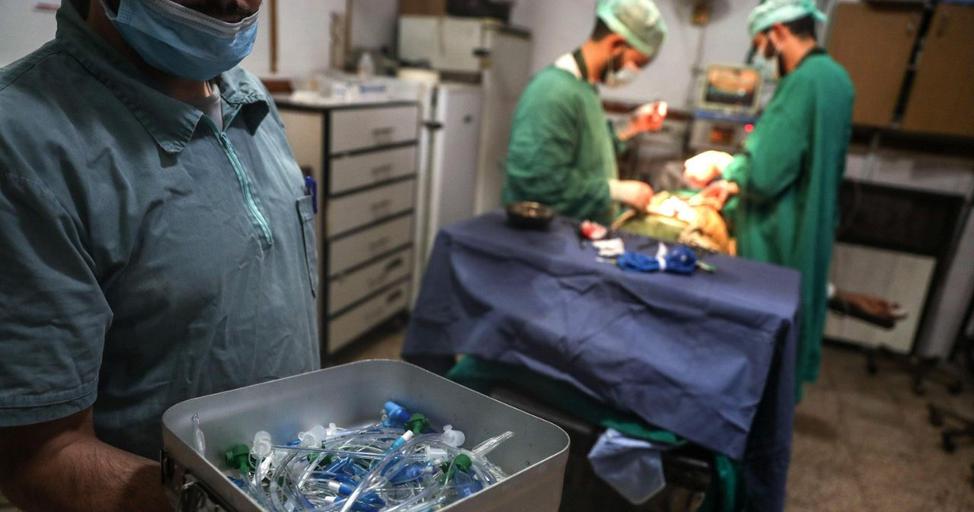
The publication of these figures comes as escalating medicine costs and restricted patient access to essential drugs have emerged as primary concerns in the health sector in recent months.
Responding to the reports, Mohammad Hashemi, spokesperson for the Food and Drug Administration, clarified that recent currency adjustments do not signify a complete elimination of preferential foreign exchange subsidies across the entire pharmaceutical supply chain.
Hashemi explained that the recent policy shifts apply only to select chemical intermediates and raw precursors, rather than the end-stage medication market. He added that foreign currency allocations for active pharmaceutical ingredients and raw materials remain at last year’s levels, reaffirming that the Ministry of Health’s policy is to absorb currency fluctuations so that costs are not passed on to consumers.