Amid a fragile ceasefire with the US and Israel, Iranians are finding it harder to access essential medicines as imports and payment systems are disrupted.
Sanctions, currency volatility and long-running pressure on insurers have made medical treatment hard to access in Iran for years.
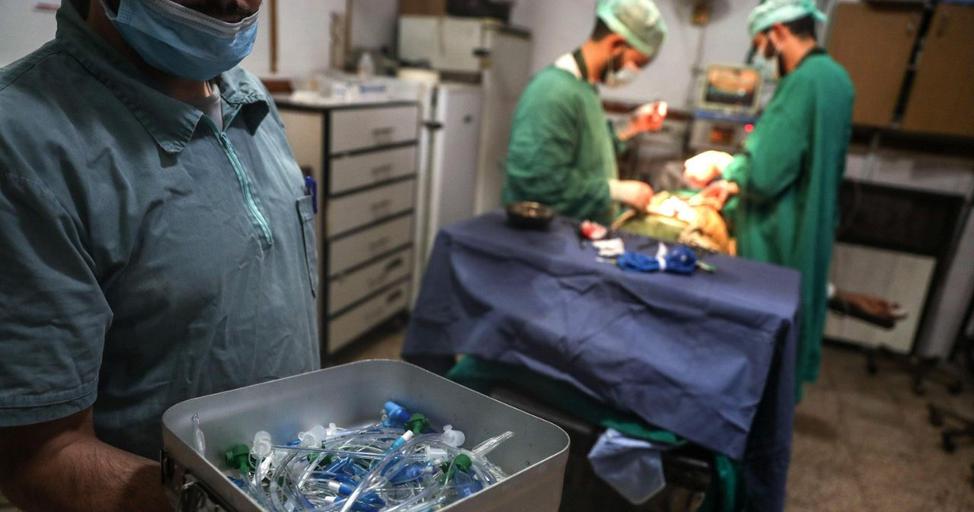
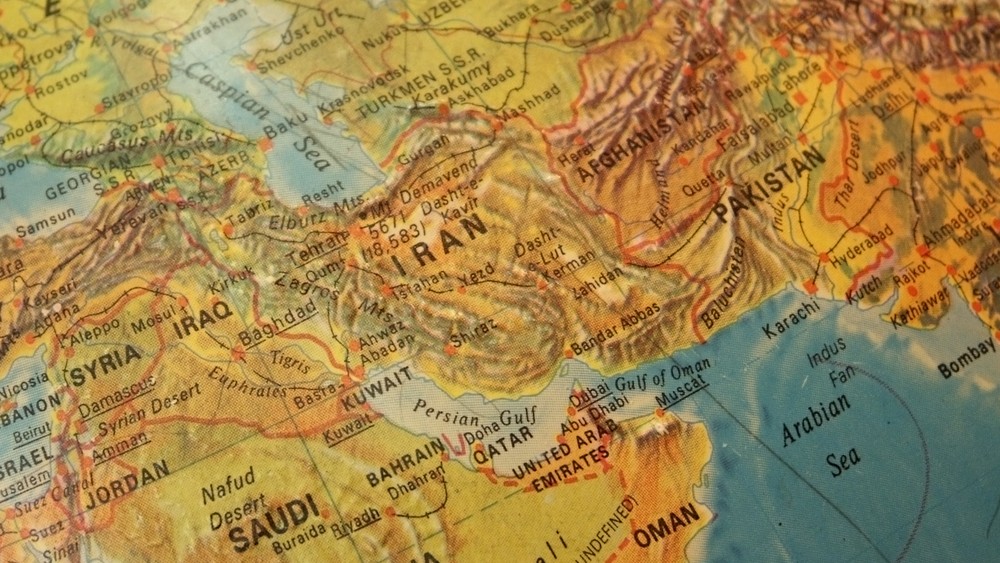
Now, the war launched by the US and Israel appears to have deepened the strain by disrupting regional supply routes, damaging parts of Iran's health infrastructure and adding fresh pressure to an already fragile pharmaceutical market.
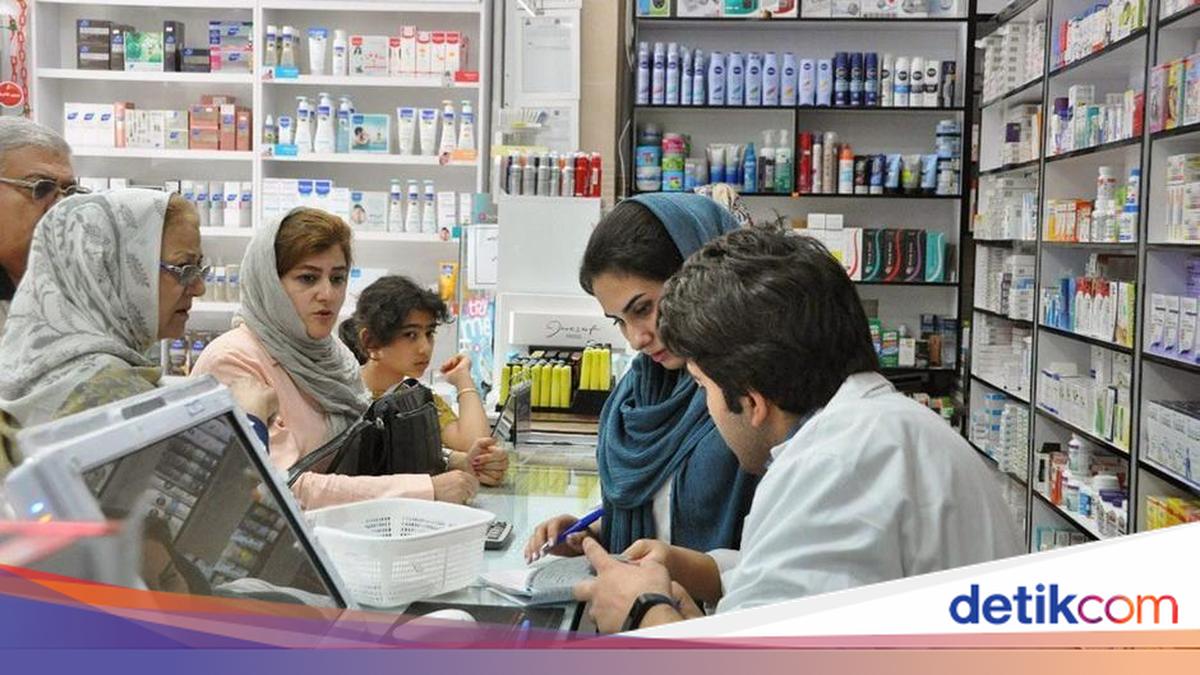
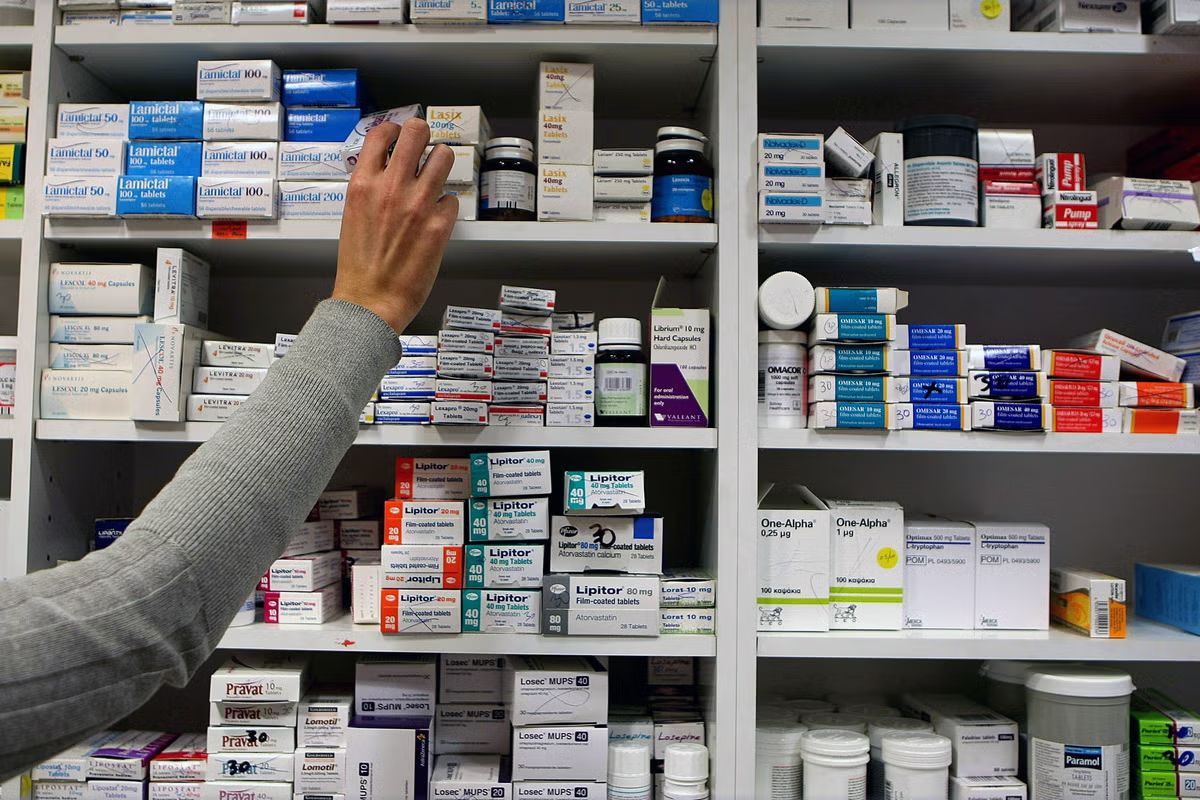
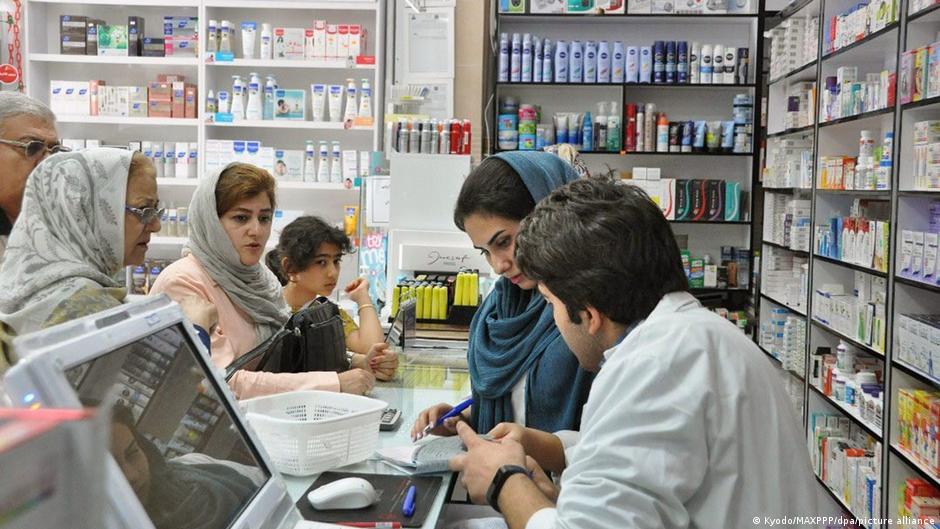
The results are affecting everyday life for many Iranians: from patients searching multiple pharmacies for medicine to doctors watching people abandon prescriptions they can no longer afford.
For a country like Iran, which depends on imported raw materials and foreign-made medicines for part of its pharmaceutical system, delays and higher transport costs quickly feed into domestic shortages and price rises.