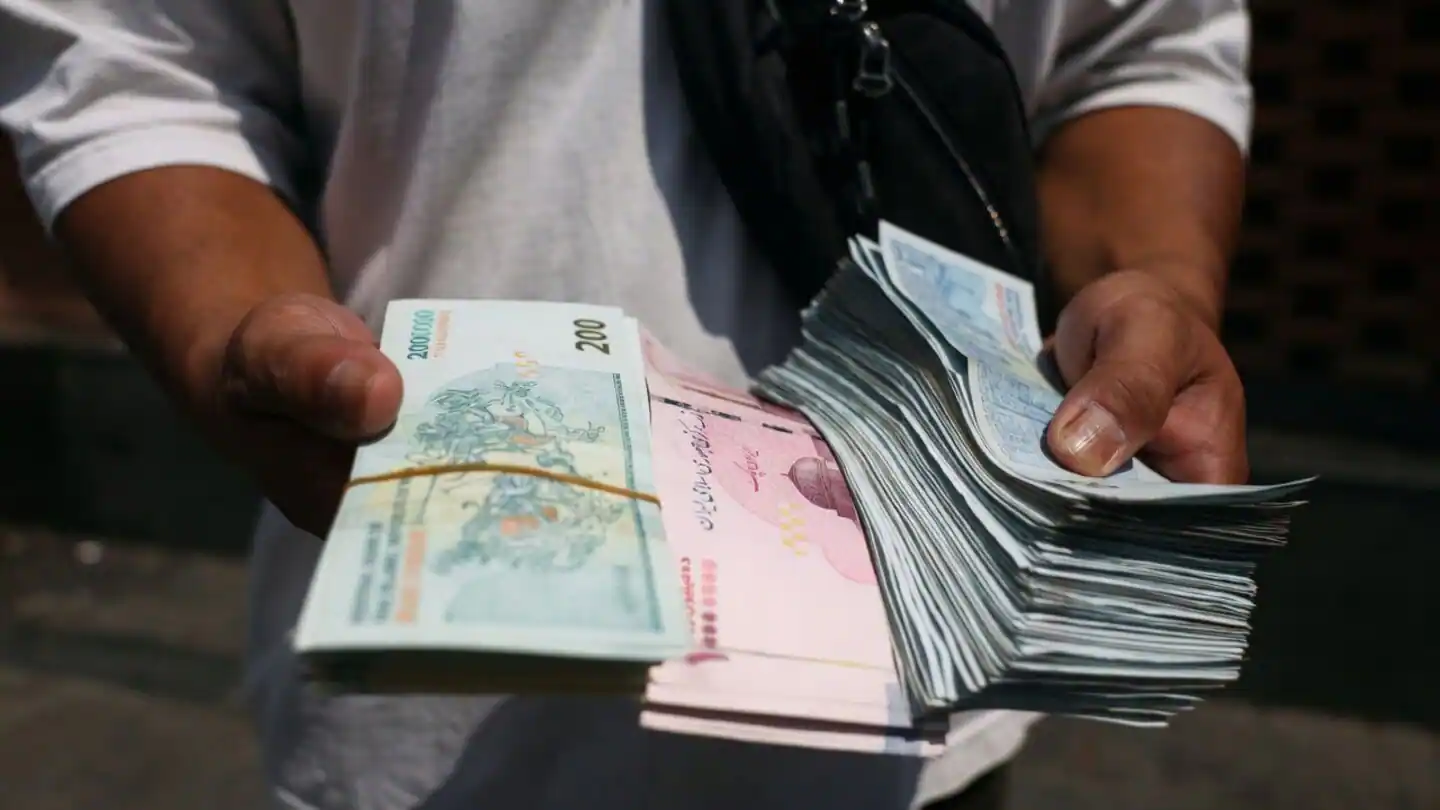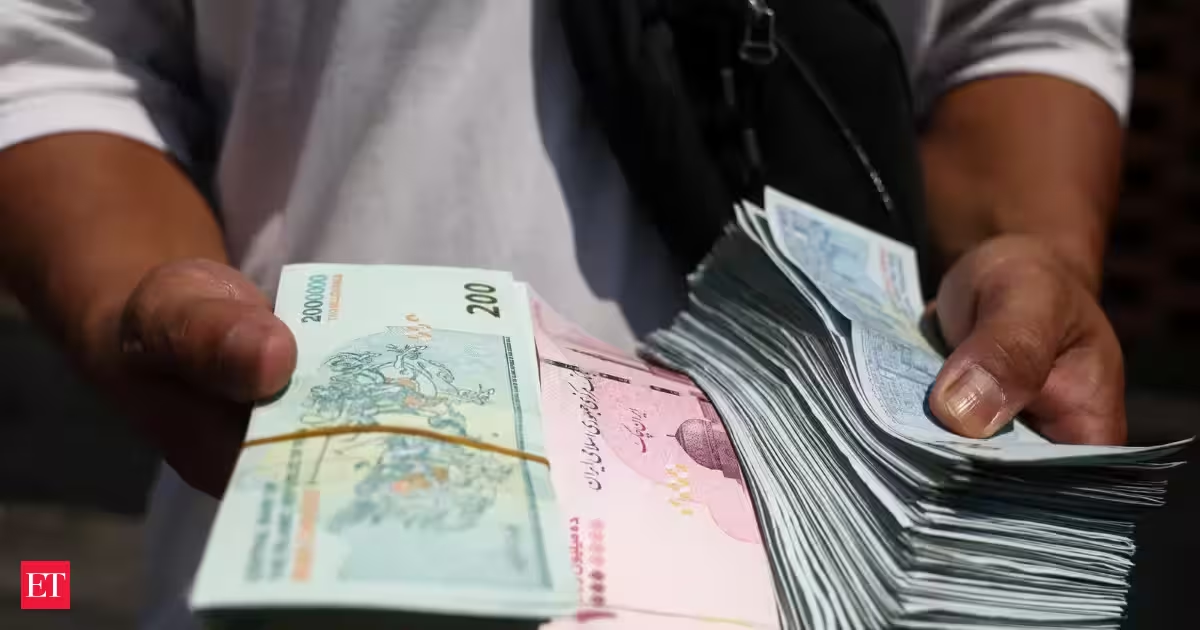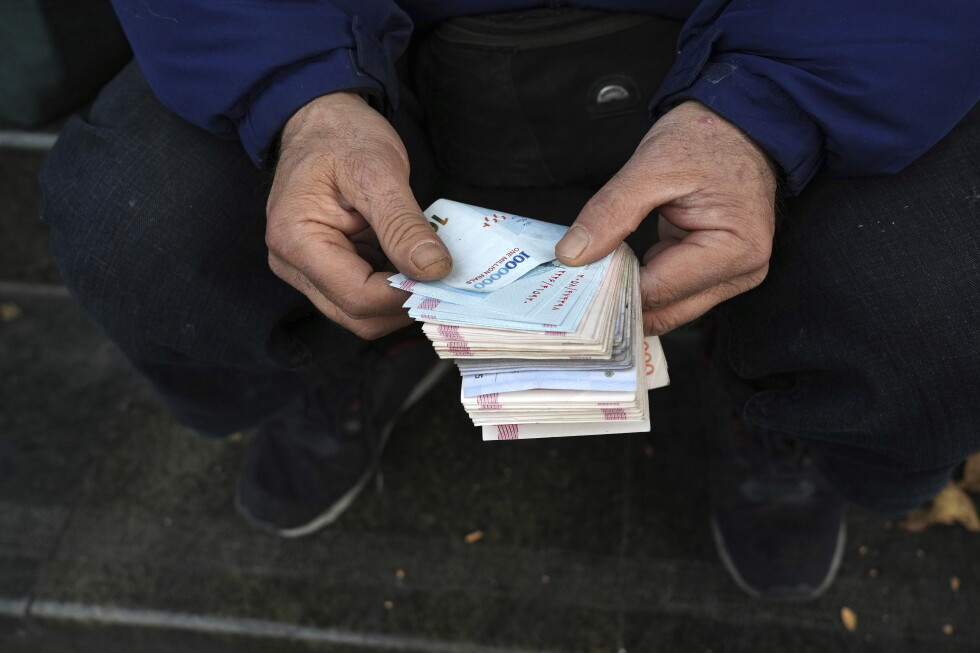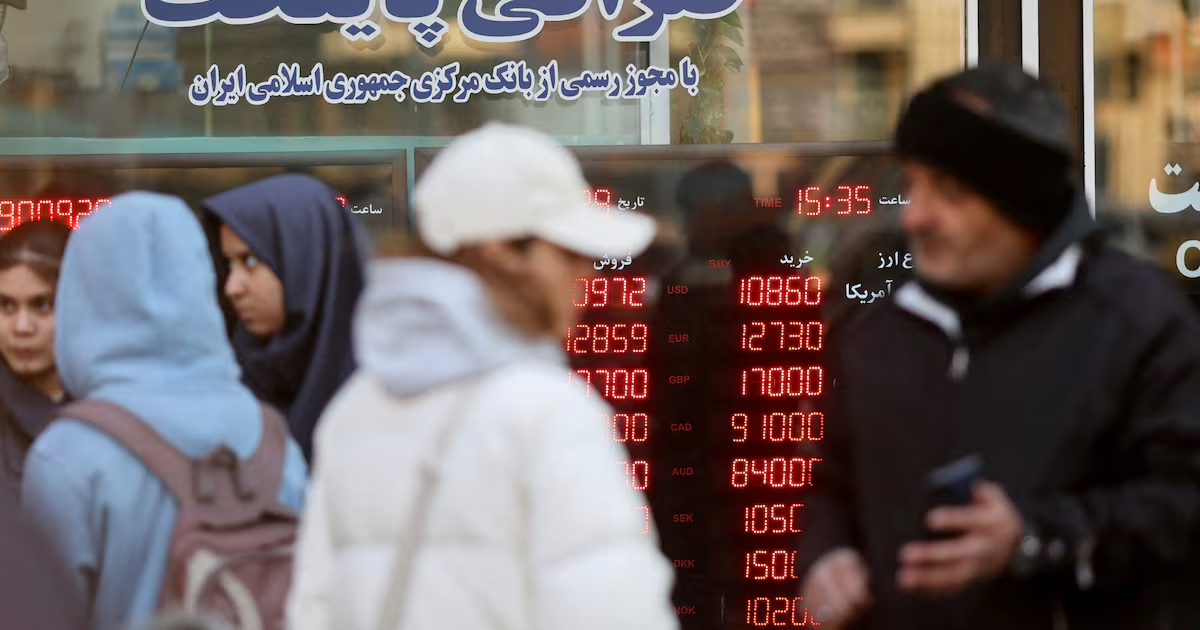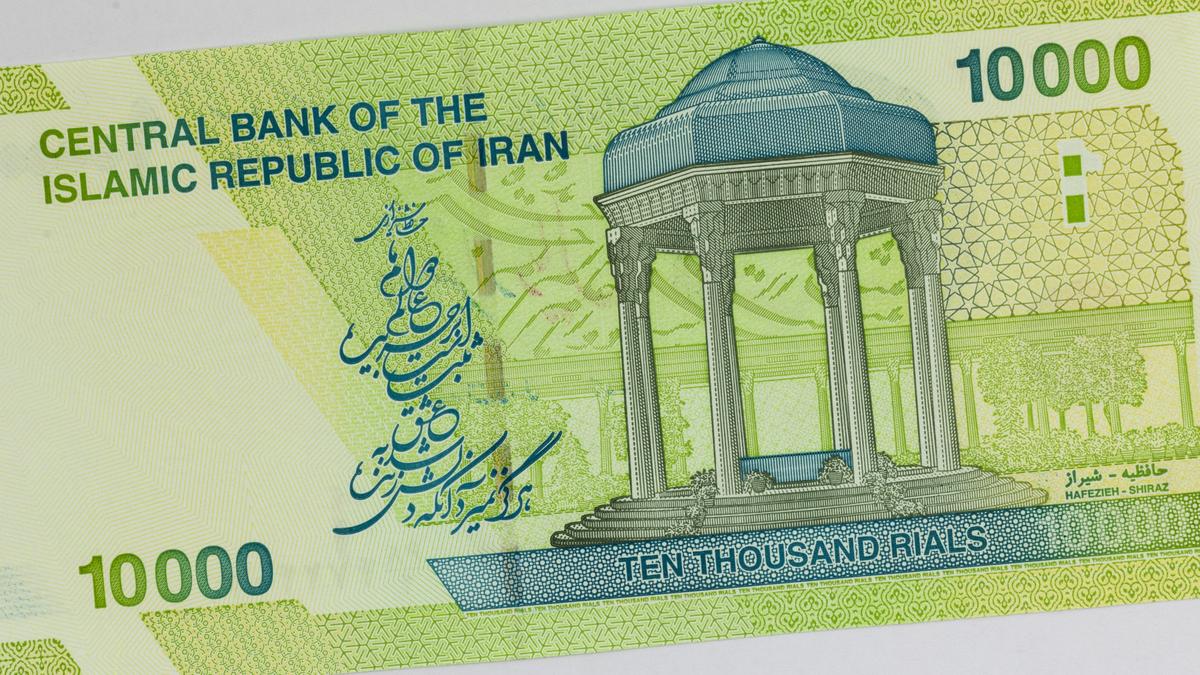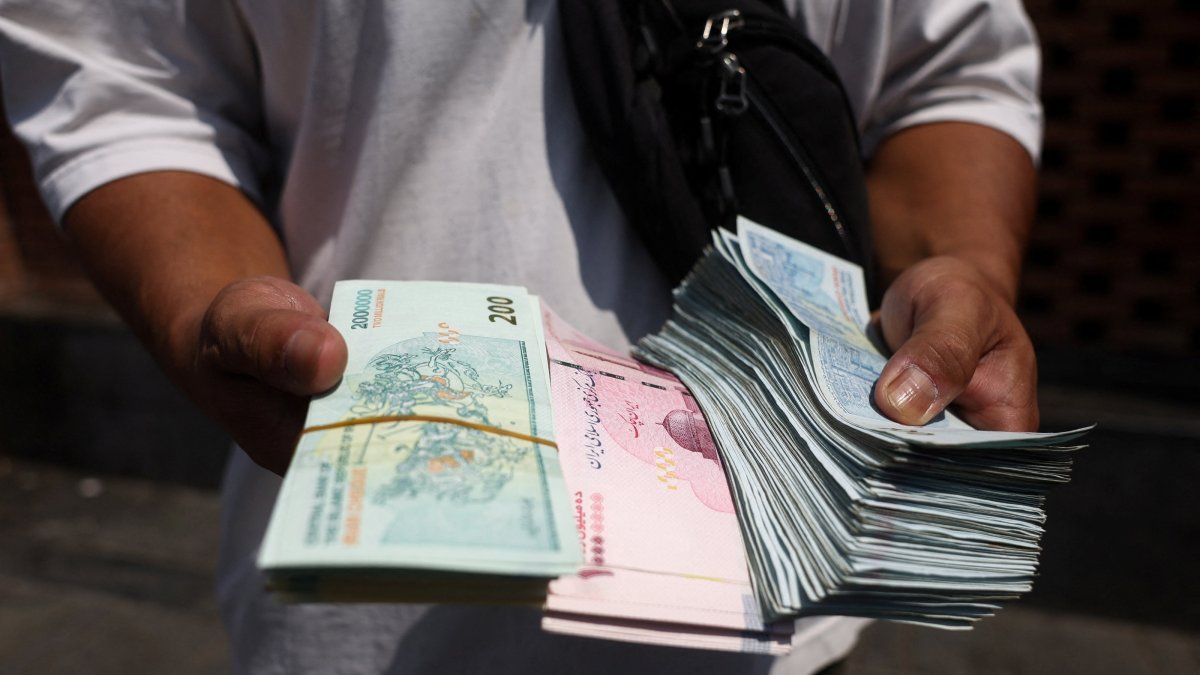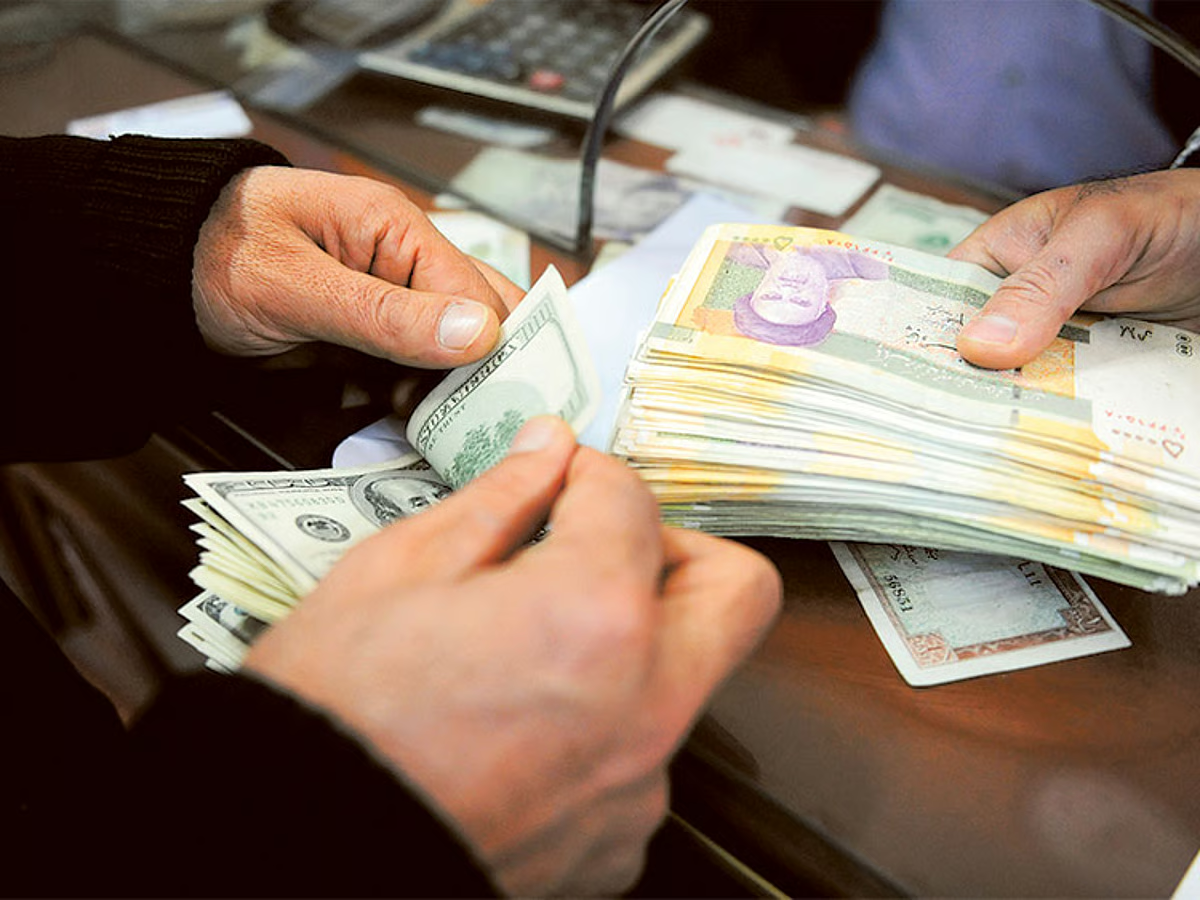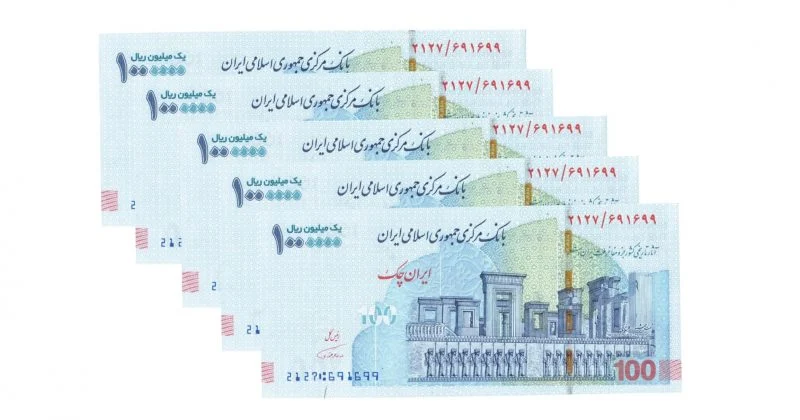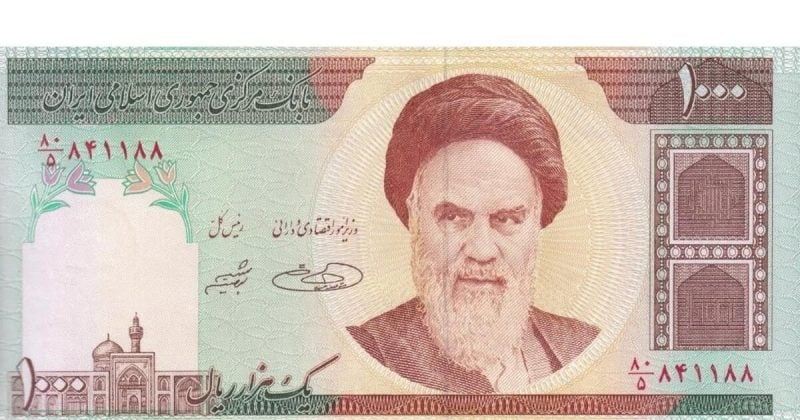
Iran’s rial has crossed a psychological threshold that few economists thought possible even a year ago. The currency is now trading at roughly 2 million rials to one US dollar on the open market, a record low that captures decades of economic isolation compressed into a single, staggering number.
A currency in freefall
The decline has been sharp even by the rial’s own turbulent standards. On July 17, the open-market rate stood at approximately 1,918,000 rials per dollar. By August 24, that figure had ballooned to somewhere between 2,005,000 and 2,025,000, a drop of roughly 5% in just over five weeks.
Zoom out further and the trajectory looks even more alarming. In late January, the rial set what was then considered a record low at 1.5 million per dollar. By late April, heightened geopolitical tensions pushed the rate to 1.81 million. Each new “floor” for the currency has quickly become a ceiling.
The official exchange rate, maintained by Iran’s central bank, tells a much rosier story. But the open-market rate, the one that actually matters to Iranians buying imported goods or trying to preserve savings, routinely exceeds 1.5 to 2 million rials per dollar. The gap between official and street rates is itself a measure of economic distortion.