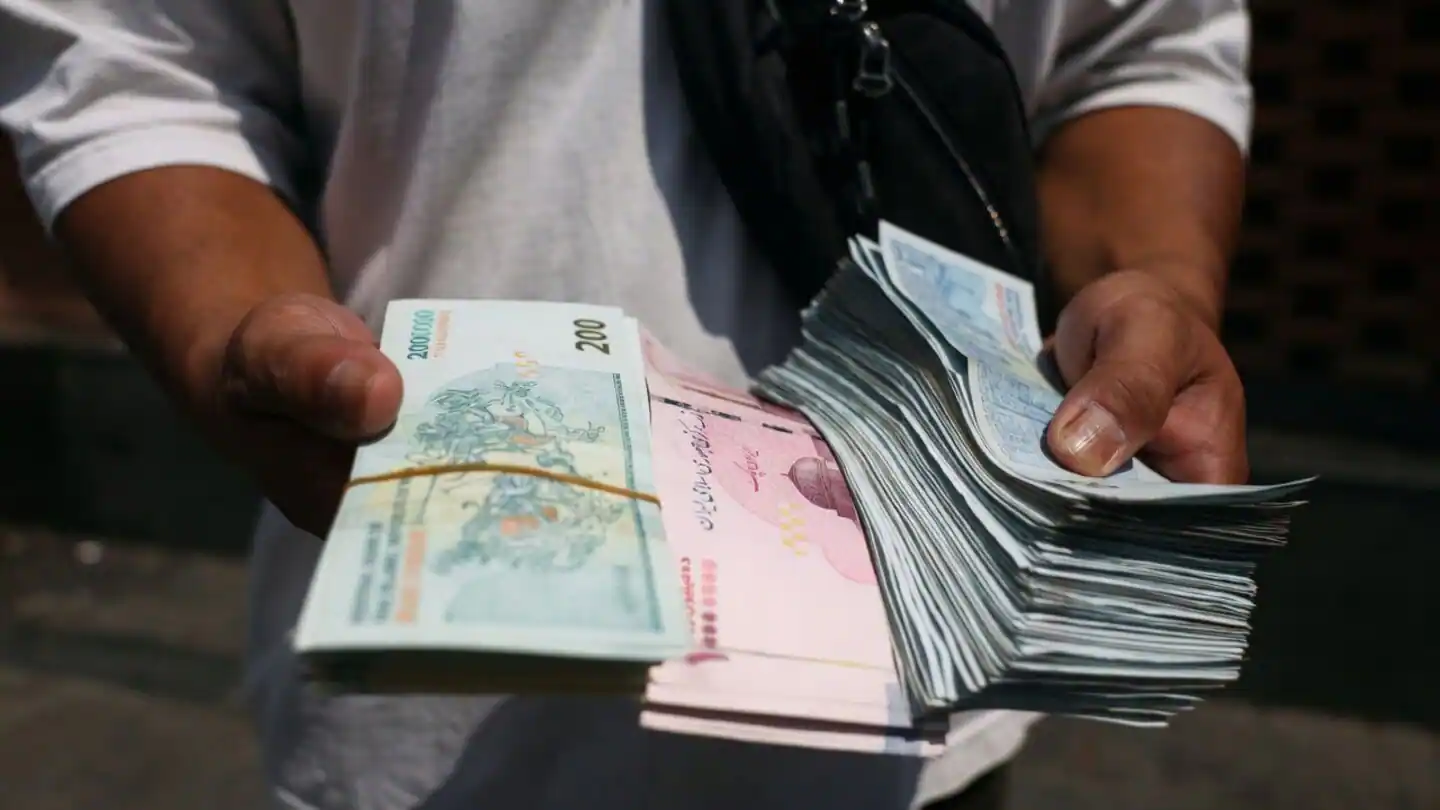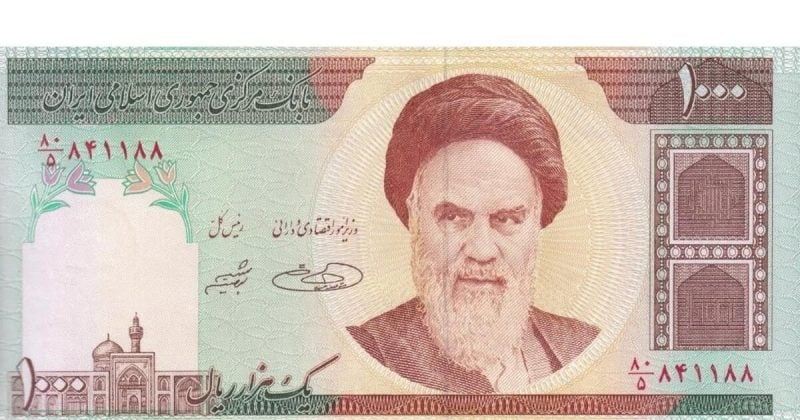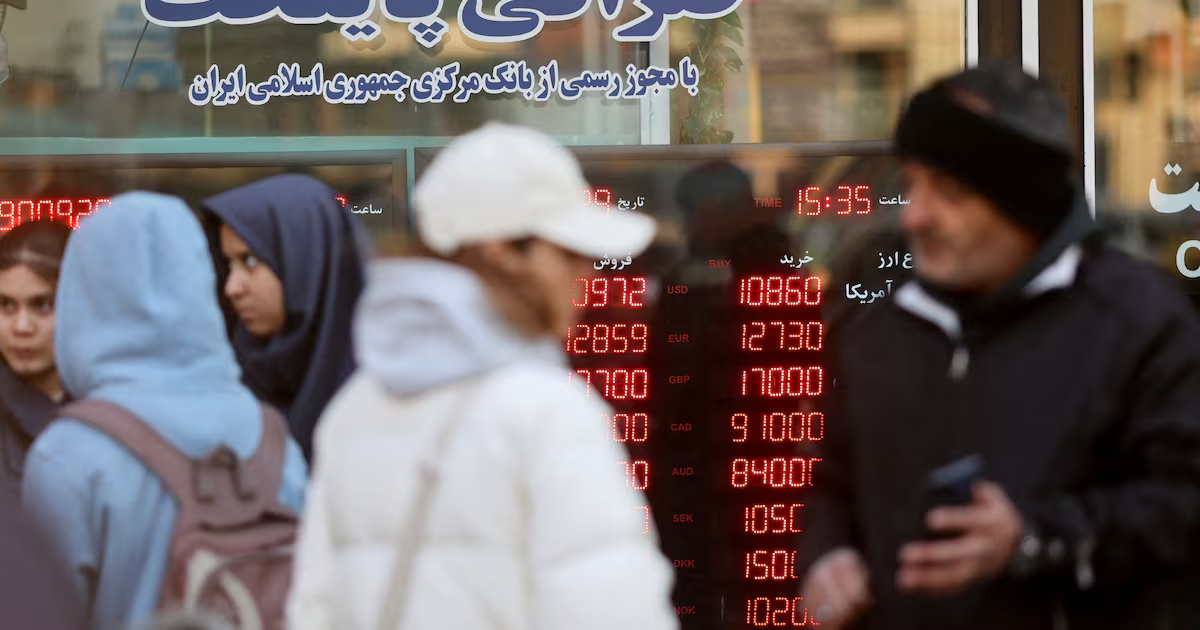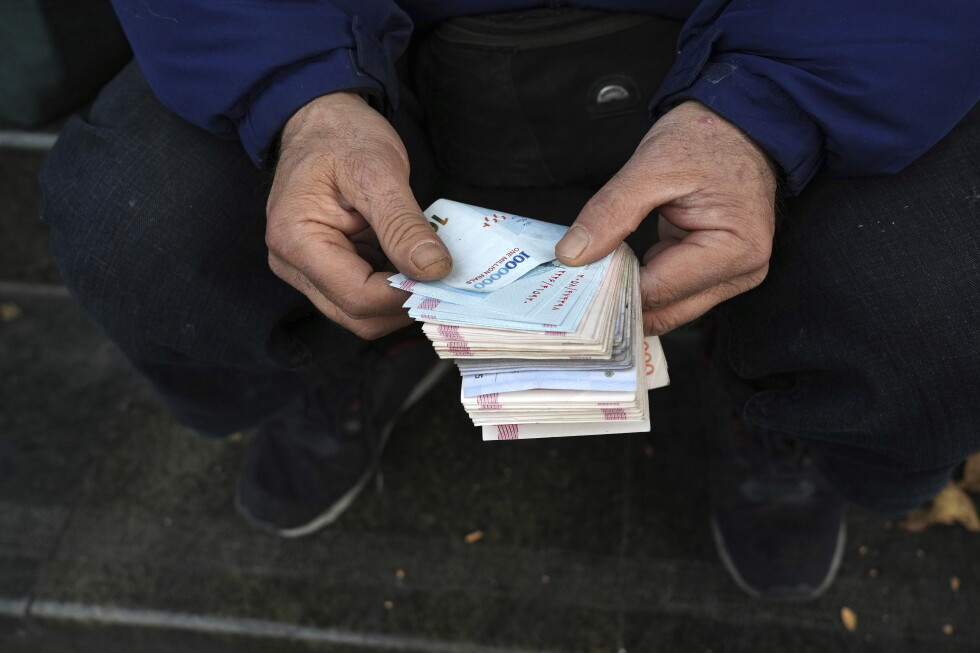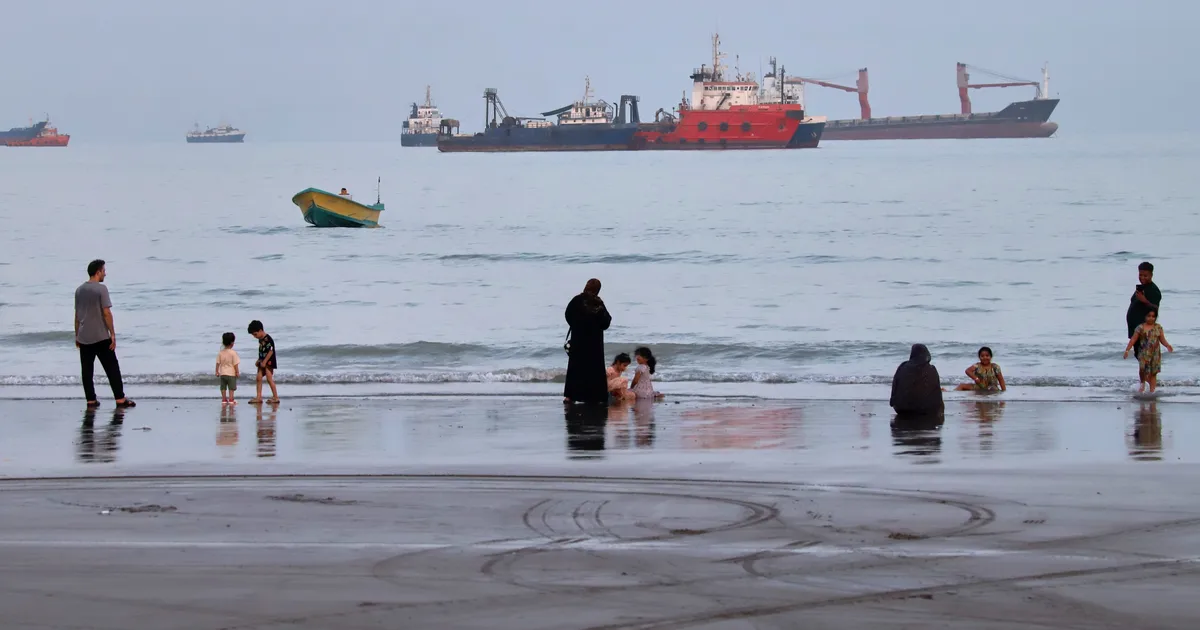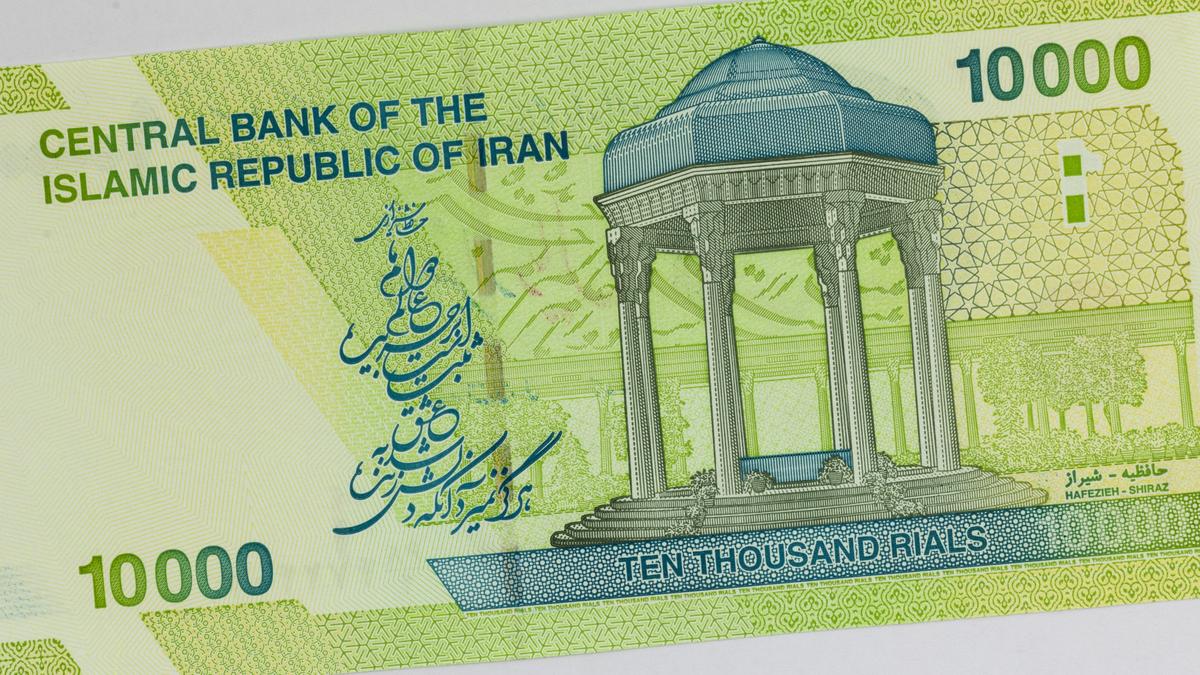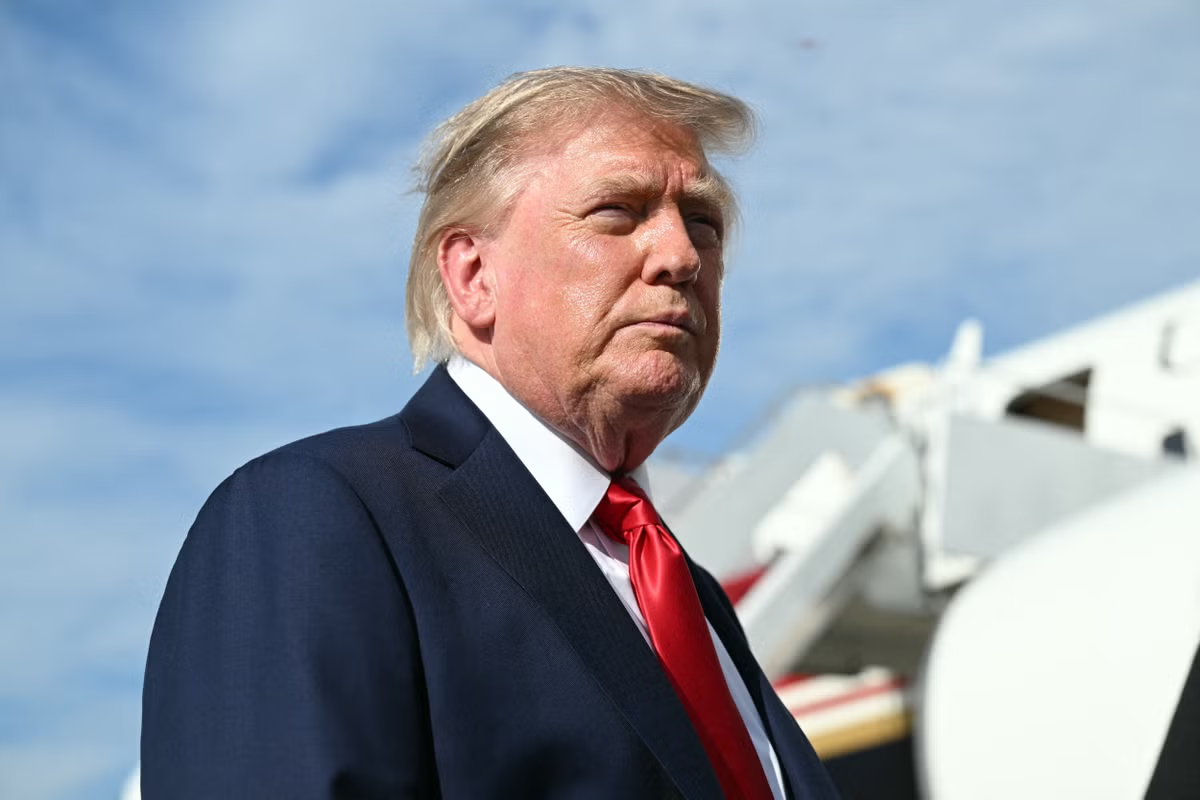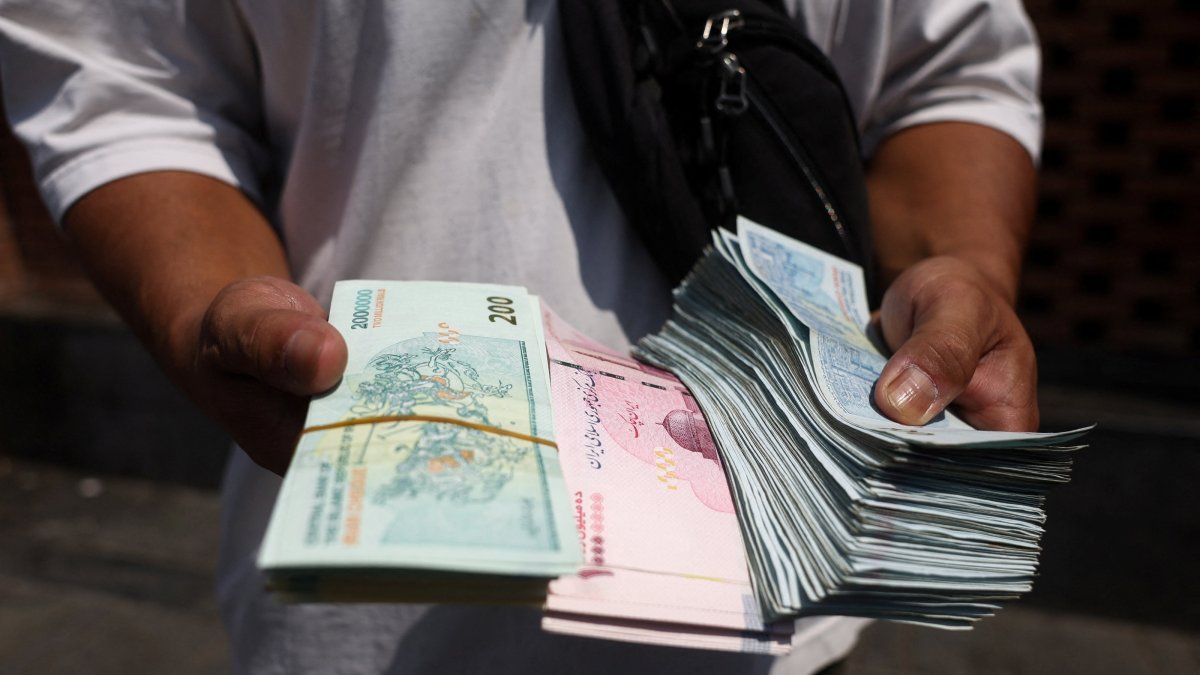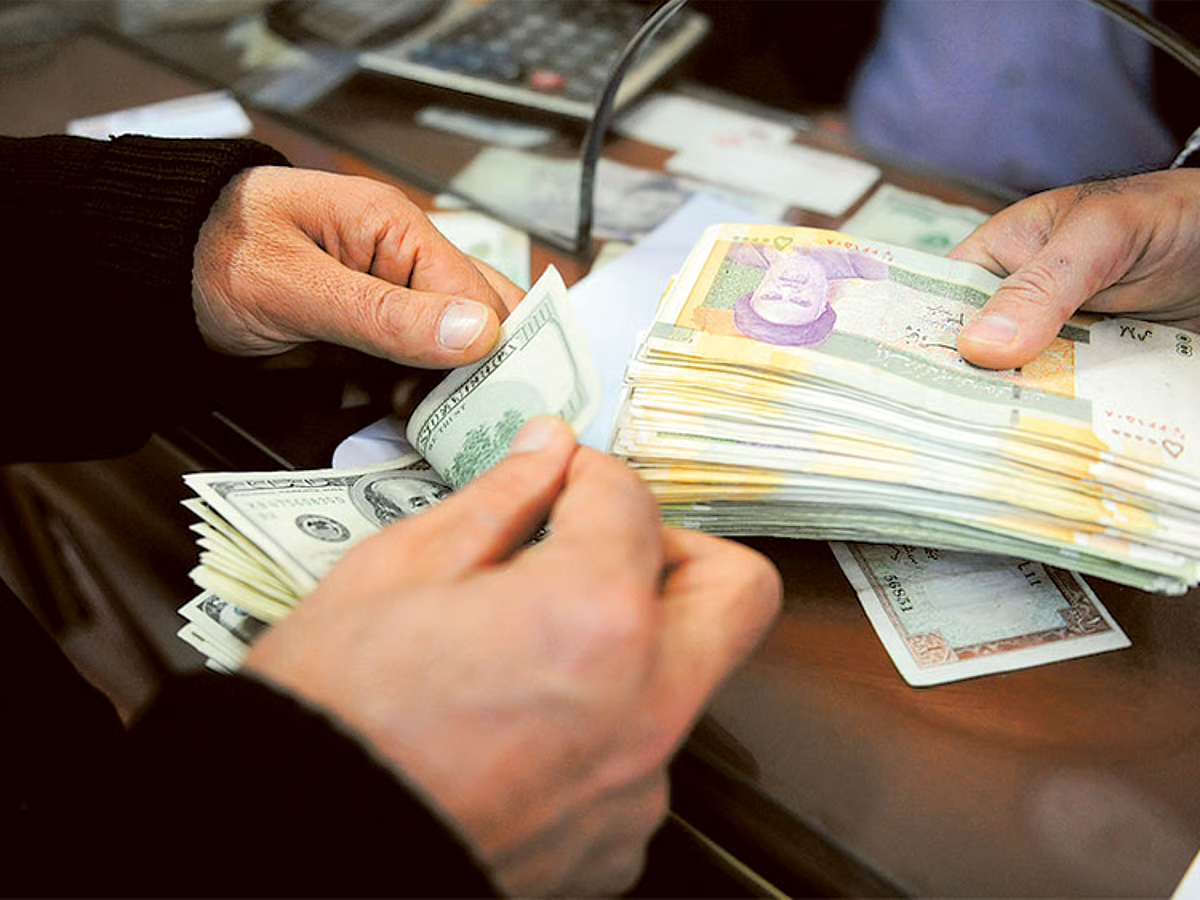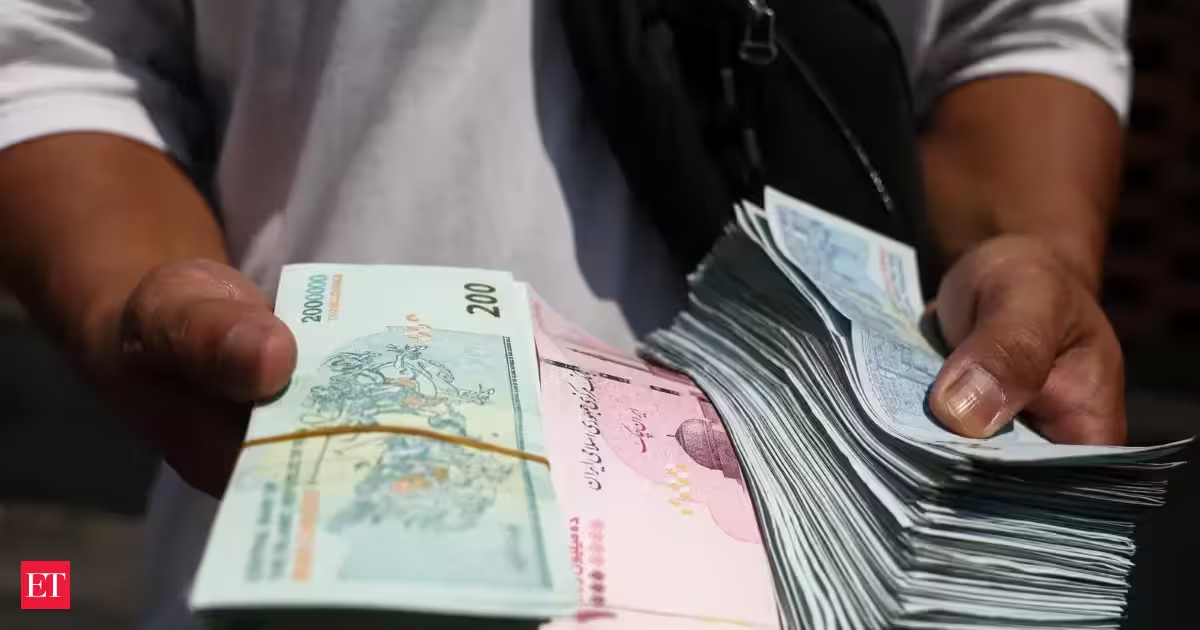
Iran’s currency has plunged to a record low against the dollar, crossing the 2 million-rial threshold as US President Donald Trump’s administration steps up its campaign to cripple Tehran’s economy after almost six months of war, according to a report by Bloomberg.The rial was trading at 1.992 million per dollar on the unregulated market on Monday, according to tracking website Bonbast, down 4.5% since Trump announced a “crushing economic operation” against Iran last week.Also read: Iran digs up ‘tens of billions’ in gas wealth as US energy showdown heats upAnother unofficial tracking site, TGJU, said the rial crossed the 2 million mark on Sunday before closing lower.The currency’s latest slide comes as Washington seeks to isolate Iran by pressuring its remaining trade partners, restricting access to its main Persian Gulf ports and squeezing oil exports, a crucial source of foreign-currency revenue.Iran’s oil lifeline comes under pressureIran’s Central Bank Governor Abdolnaser Hemmati said last week that the country’s crude exports have “virtually stopped.”The pressure on oil revenues is being compounded by financial restrictions. The United Arab Emirates, one of Iran’s major trading partners, said last week that it had suspended all financial transactions with Tehran until further notice.The moves are part of a broader US campaign to cut off the economic channels that sustain Iran.“Our objective is to sever every economic lifeline that sustains the tyrannical regime until Tehran stands alone,” US Treasury Secretary Scott Bessent wrote in the Financial Times on Monday, warning that an “economic D-Day” would begin at dawn.Iran’s top financial newspaper, Donya-e Eqtesad, attributed the rial’s decline to disruptions in foreign-exchange transfers and falling exports, alongside stronger import demand and rising expectations for inflation.The combination threatens to deepen pressure on an economy already struggling with restricted access to foreign currency and a shrinking ability to generate export revenues.Tehran looks to China and other partnersChina, Iran’s biggest oil customer, has rejected the US strategy, saying economic pressure will not work and calling for a diplomatic solution to the war, which is approaching its sixth month.Tehran, meanwhile, is signalling that it intends to lean harder on trade with countries aligned with Beijing to withstand the US campaign.Iranian Foreign Minister Abbas Araghchi said in an op-ed published Monday in the state-run Ettela’at newspaper that Tehran sees organisations such as the Shanghai Cooperation Organisation and BRICS as tools for challenging the existing global power structure.“We believe that structures such as the Shanghai Cooperation Organisation and the BRICS group are effective instruments for breaking the monopoly of power and moving toward a fairer international order,” Araghchi wrote.“Iran is determined to make the most of these opportunities,” he added.The strategy reflects Tehran’s effort to deepen economic ties beyond the Western financial system as Washington attempts to restrict the channels through which Iran earns foreign currency and conducts international trade.Also read: Iran says support for new sanctions would be 'act of war'Iran’s gas reserves offer another energy cardThe currency crisis comes just days after Iran announced the discovery of a new gas field in southern Fars province containing more than 7.5 trillion cubic feet of gas.Oil Minister Mohsen Paknejad said around 5.7 trillion cubic feet was recoverable, equivalent to one block of the giant South Pars gas field and enough to supply gas for 15 years.The field also contains gas condensate that Paknejad said had brought “tens of billions of dollars of new wealth” to Iran.The discovery adds to Iran’s substantial hydrocarbon resources, but the new reserves do not immediately solve the country’s currency or export problems. Developing the field and turning the resources into revenue would require production infrastructure and access to markets — precisely the channels Washington is seeking to constrain.
Iran’s rial plunges past 2 million per dollar as Trump unleashes ‘crushing economic operation’
Irans rial has fallen to a record low, crossing 2 million per dollar on the unofficial market as US President Donald Trump escalates pressure on Tehran. The currencys slide comes amid disruption to foreign-exchange transfers, falling exports and tighter financial restrictions, while Iran looks to China-aligned partners to withstand Washingtons economic assault.
609 words~3 min read