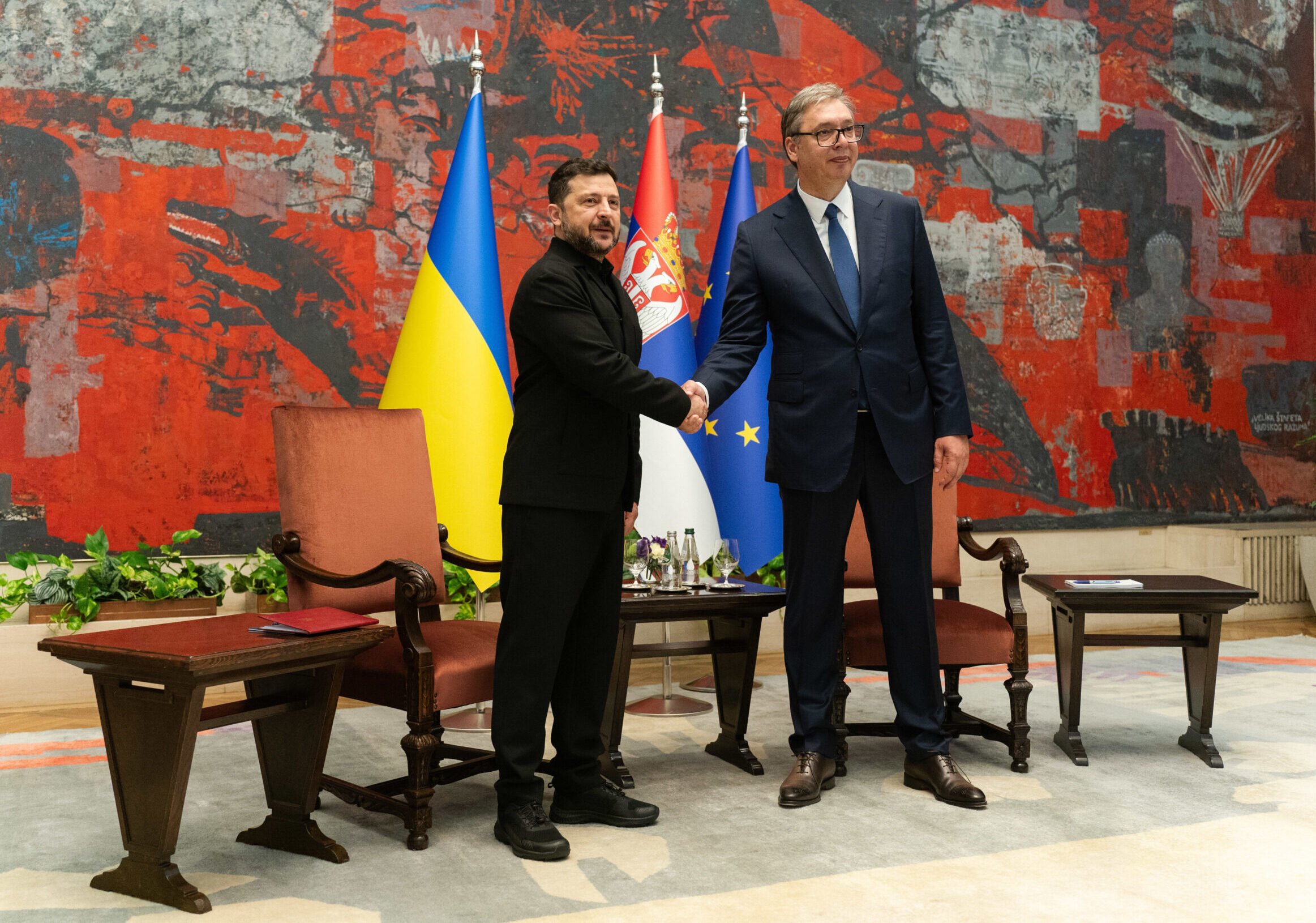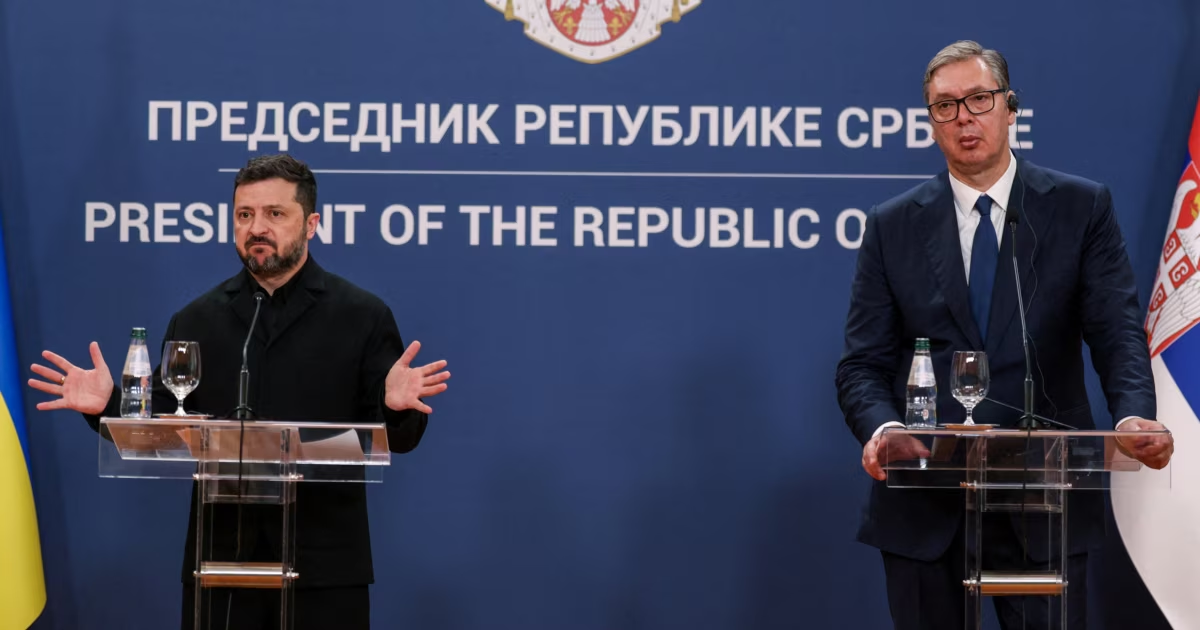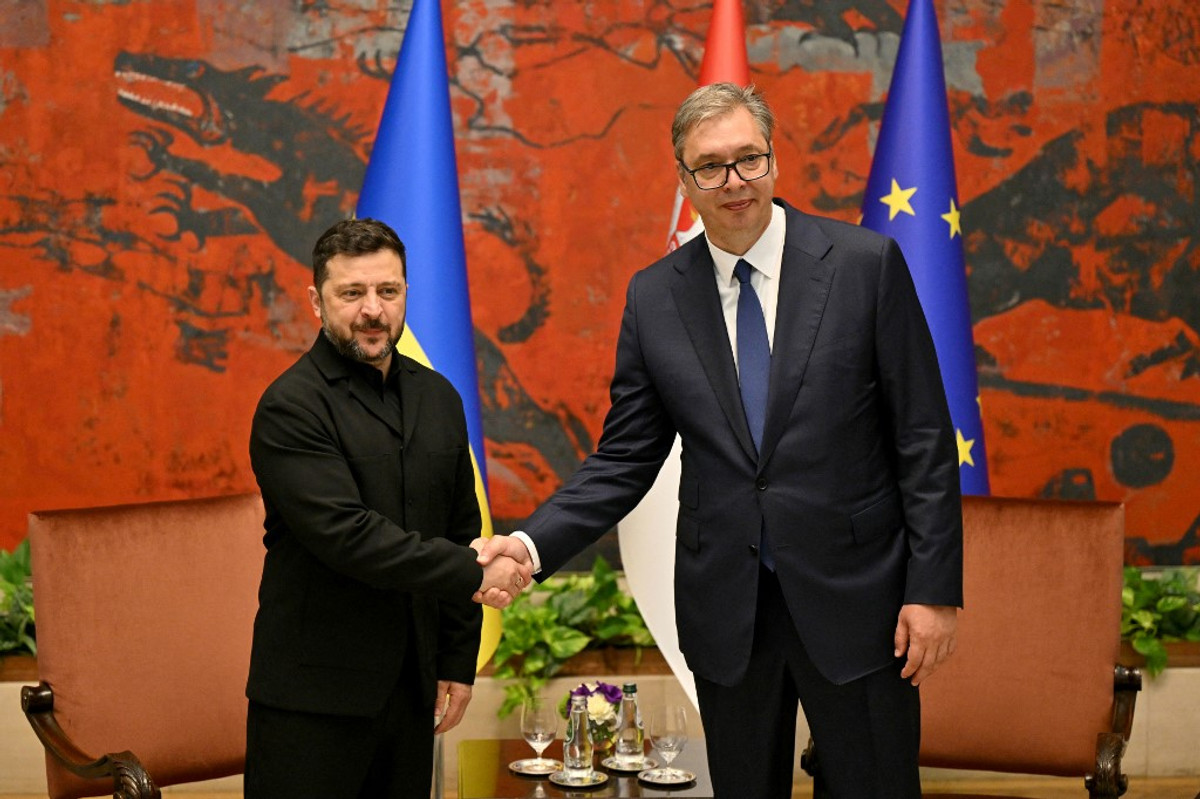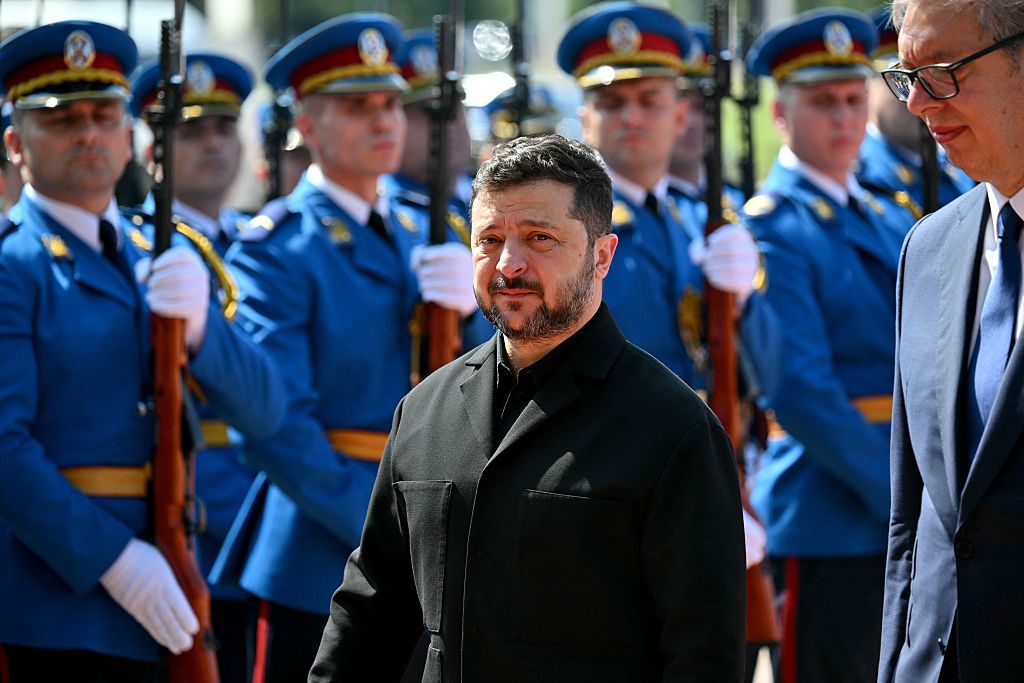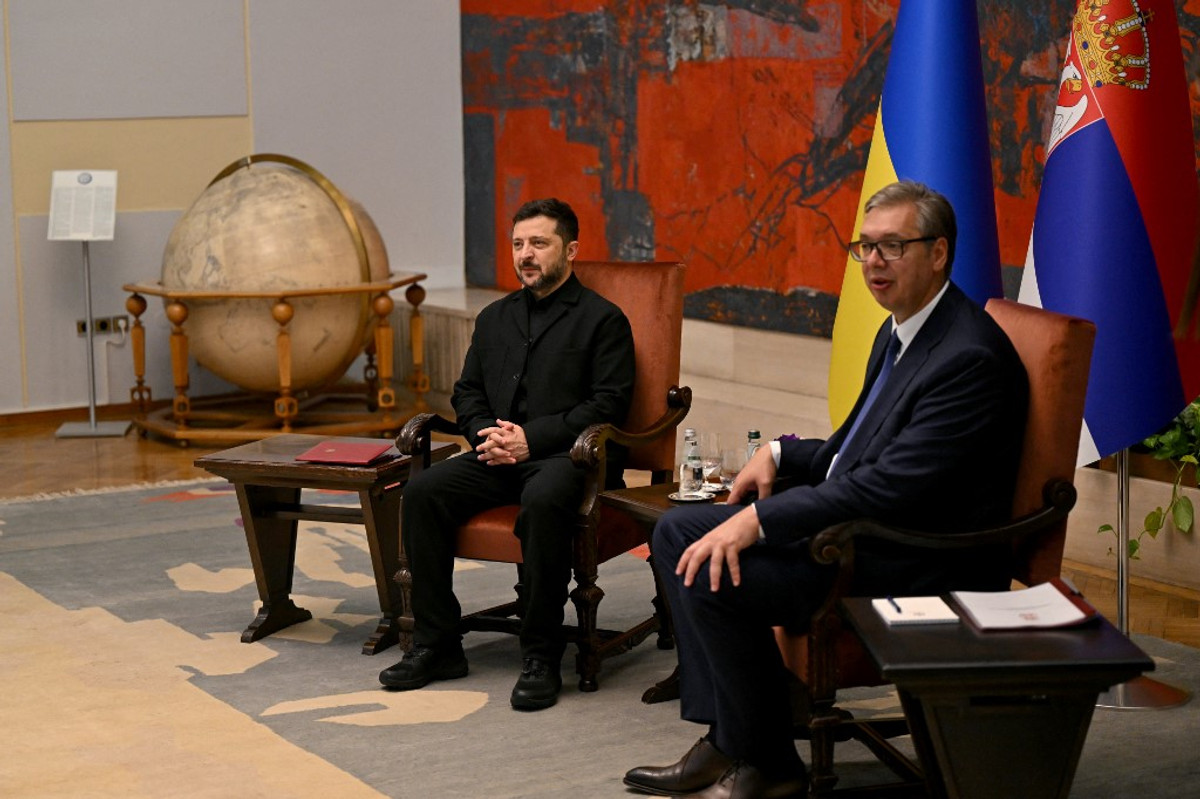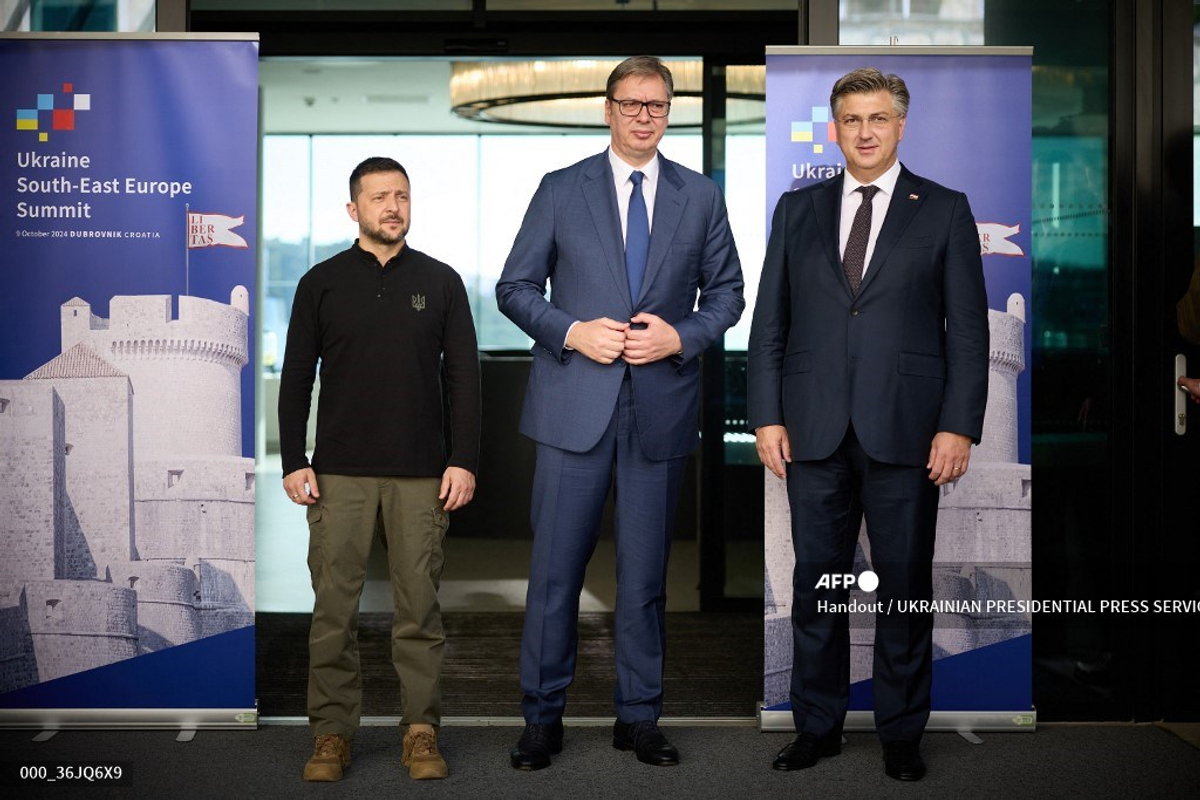
Volodymyr Zelensky’s visit to Serbia in early August to see his counterpart Aleksandar Vučić proved a success for the Ukrainian president: Belgrade confirmed its commitment to Ukraine’s territorial integrity and may even help with ammunition production, even if only through intermediaries. Judging by the intensity of the subsequent Russian propaganda campaign, Moscow resented the Zelensky-Vučić talks, which showed that Belgrade is no longer Moscow’s exclusive partner. By hosting Zelensky, Vučić also sent a signal to his Western counterparts about his geopolitical usefulness in wartime. Belgrade still may not be willing to join the international sanctions regime levied against Moscow, but ties between the friendly capitals are nevertheless weakening. Vučić is focused on relations with the U.S. and China, while his political opponents, should they come to power, will seek to accelerate Serbia’s EU integration.Contents1.Who did the “Nazi grandchild” help?2.Not just an election stunt3.Avoiding a choice between Kyiv and Moscow4.Vučić’s view of the war and the worldUntil recently, Aleksandar Vučić was more than welcome in the Kremlin. However, the Serbian president clearly no longer believes Russia will score a decisive enough victory to force him to sever contacts with Kyiv. Had he thought otherwise, Volodymyr Zelensky would not have found himself in Belgrade earlier this month for a round of closed-door talks with his Serbian counterpart. In their public statements, both leaders confirmed their mutual recognition of one another’s territorial integrity and sovereignty, and they signaled that they are also contemplating the post-war future of their relationship.The two sides left the key question of military cooperation unanswered, though reports did emerge on the eve of the meeting about a possible Serbian-Ukrainian drone development project, potentially funded by the UAE. Indirect military cooperation between Belgrade and Kyiv has been a focus of media scrutiny in recent years. According to the Financial Times, by mid-2024 the total value of Serbian weapons and ammunition that had found its way to Ukraine was around €800 million — even if in May 2025 Vučić denied the reports of military supplies after Russia’s Foreign Intelligence Service accused Serbia’s defense industry of “trying to shoot Russia in the back.”For some analysts, it is clear that Zelensky’s visit to Belgrade would not have taken place had Washington and other Western countries not believed Ukraine had reached a turning point in the war. Russian authorities, for their part, sought to minimize the significance of the Serbian-Ukrainian summit through their propaganda media. Officially, however, Moscow shifted the focus away from the meeting itself to a controversial remark by Frankfurter Allgemeine Zeitung journalist Michael Martens. At a press conference in Belgrade, Martens asked Zelensky how Europeans can “help kill more Russians” — a remark that, predictably, drew an angry rebuke from the Russian embassy in Germany.Who did the “Nazi grandchild” help?The FAZ editorial team quickly distanced itself from the “ambiguous phrasing,” stating that the question did not reflect the outlet’s editorial policy. But in the days that followed, the scandal only grew. The Russian embassy in Germany threatened Martens with prosecution through German and Russian law enforcement agencies. And indeed, on Aug. 15, criminal proceedings were opened against Martens in Russia on charges of incitement of hatred or enmity, which carry a sentence of up to six years in prison.Russian Foreign Ministry spokeswoman Maria Zakharova also condemned the world’s “vaunted human rights activists and humanists” over their deafening silence in response to Martens’s words. “For the so-called civilized world,” Zakharova said, “this Nazi grandchild said exactly what they all think — he just didn’t call it ‘inflicting a strategic defeat on Russia,’ but literally ‘killing Russians.’” Frankfurter Allgemeine Zeitung journalist Michael MartensThe Moscow press picked up on the tone set by Zakharova and did its best to minimize the significance of Zelensky’s visit. The business outlet Kommersant, for instance, described the trip as an event “of a pre-electoral nature,” crowned only by the signing of a memorandum of understanding on agriculture.The picture was rounded out by fringe Serbian politicians with negligible ratings, who told Russian state media that “the West is waging war against Russia,” that Serbs can only join the EU “as a humiliated nation,” and that the Ukrainian leader’s visit to Belgrade had “shaken” Vučić’s position ahead of a snap parliamentary vote coming up in October.In short, Moscow signaled its lack of intention to make an original diplomatic move. The Russian Foreign Ministry had already made clear its attitude toward senior Kyiv officials being received in Serbia a month earlier, following the visit to Belgrade by Ukrainian parliament speaker Ruslan Stefanchuk.At the time, Moscow complained that “hostile anti-Russian escapades had not received an appropriate response from the Serbian hosts.” It follows that by receiving Zelensky shortly afterwards, the “Serbian hosts” chose to ignore their Russian partners’ displeasure.Not just an election stuntMoscow is not in a position to derail such contacts, but the Kremlin and the Russian Foreign Ministry almost certainly understand that excessive pressure on Belgrade would push it further toward Kyiv and the West. In this sense, the scandal around the German journalist came at just the right moment, as it allowed Russian diplomacy to signal displeasure without directly attacking Vučić.Despite Belgrade’s refusal to impose sanctions on Russia, the Kremlin has failed to halt the development of Serbia’s ties to Ukraine, let alone to make it an anti-Ukrainian ally. Zelensky’s visit, accompanied by constant reminders in the Western press about the indirect military cooperation between Belgrade and Kyiv, is a rather vivid illustration of this fact.Despite Belgrade’s refusal to impose sanctions on Russia, the Kremlin has failed to turn Serbia into an anti-Ukrainian ally
The Belgrade tightrope: How Serbia’s president balances friendship with Moscow and support for Zelensky
Volodymyr Zelensky’s visit to Serbia in early August to see his counterpart Aleksandar Vučić proved a success for the Ukrainian president: Belgrade confirmed…
1,805 words~8 min read