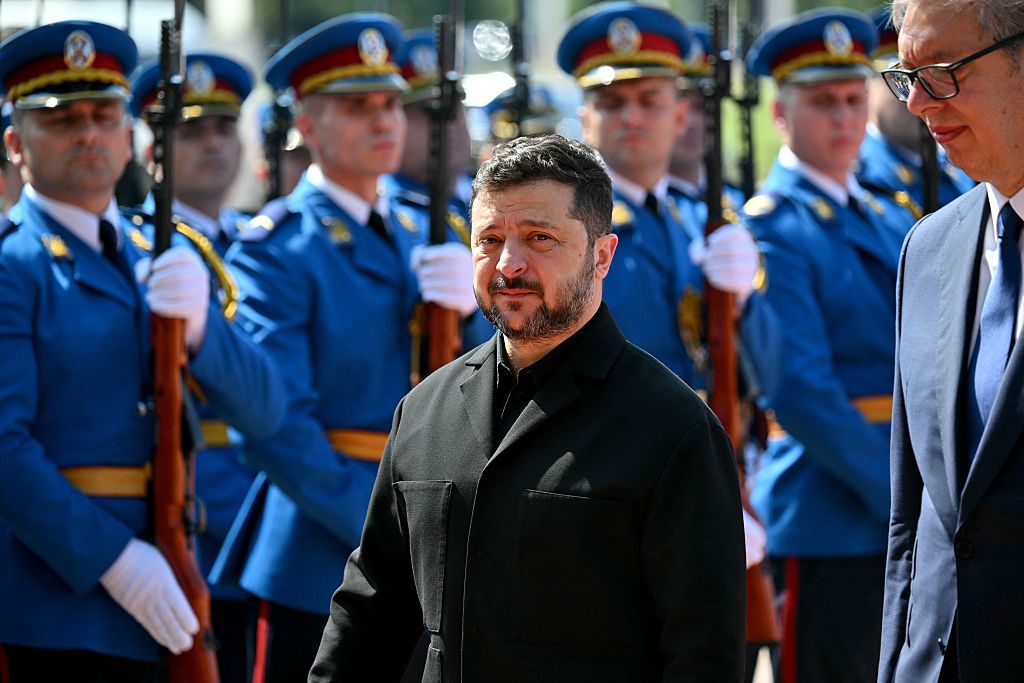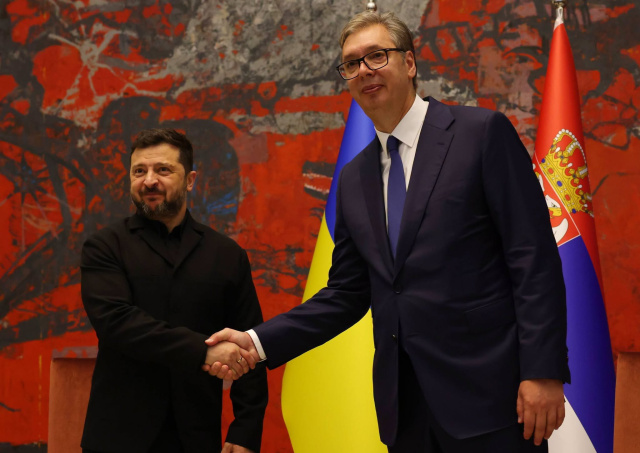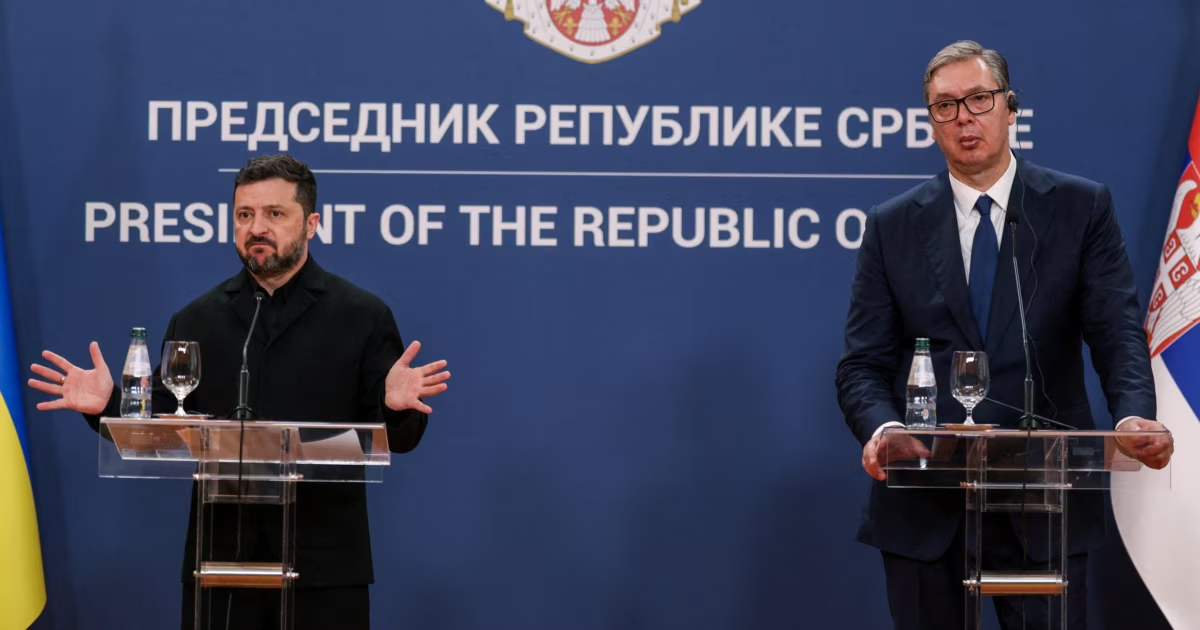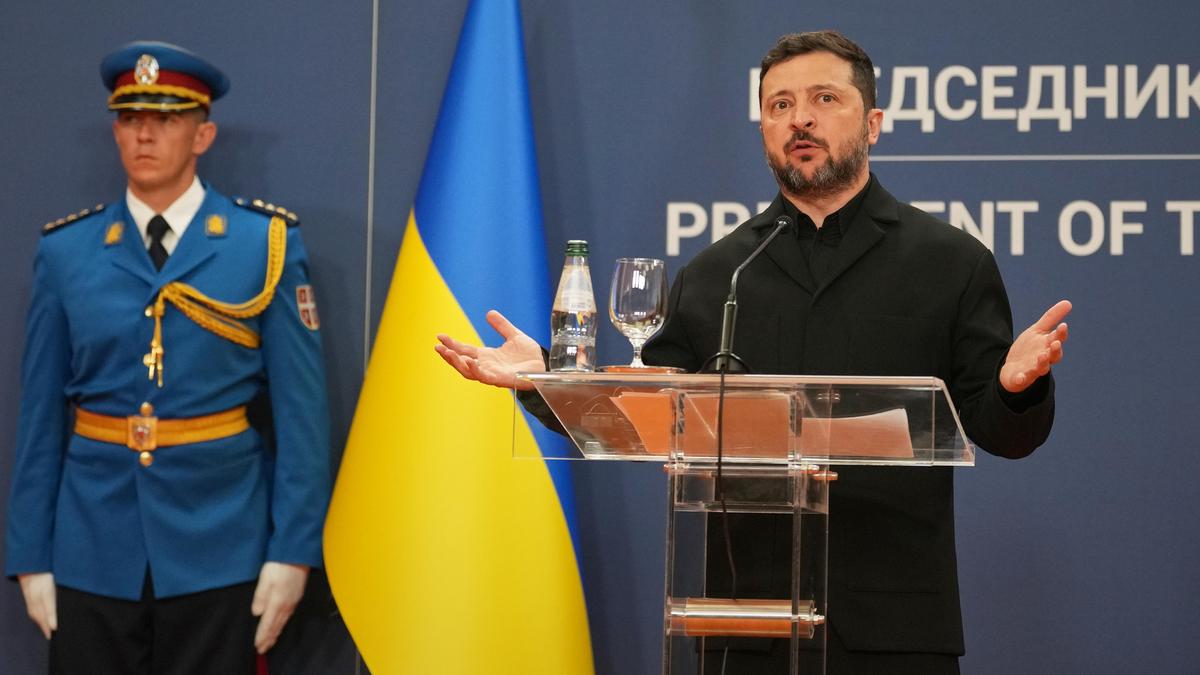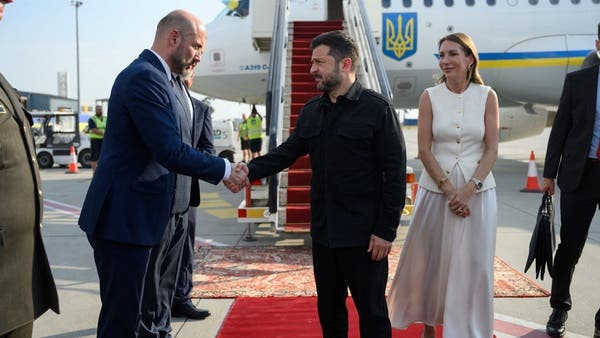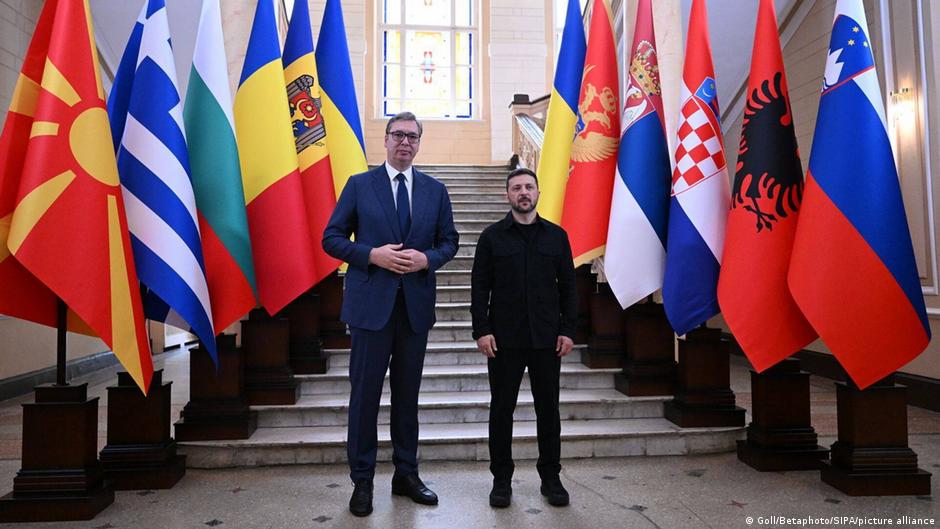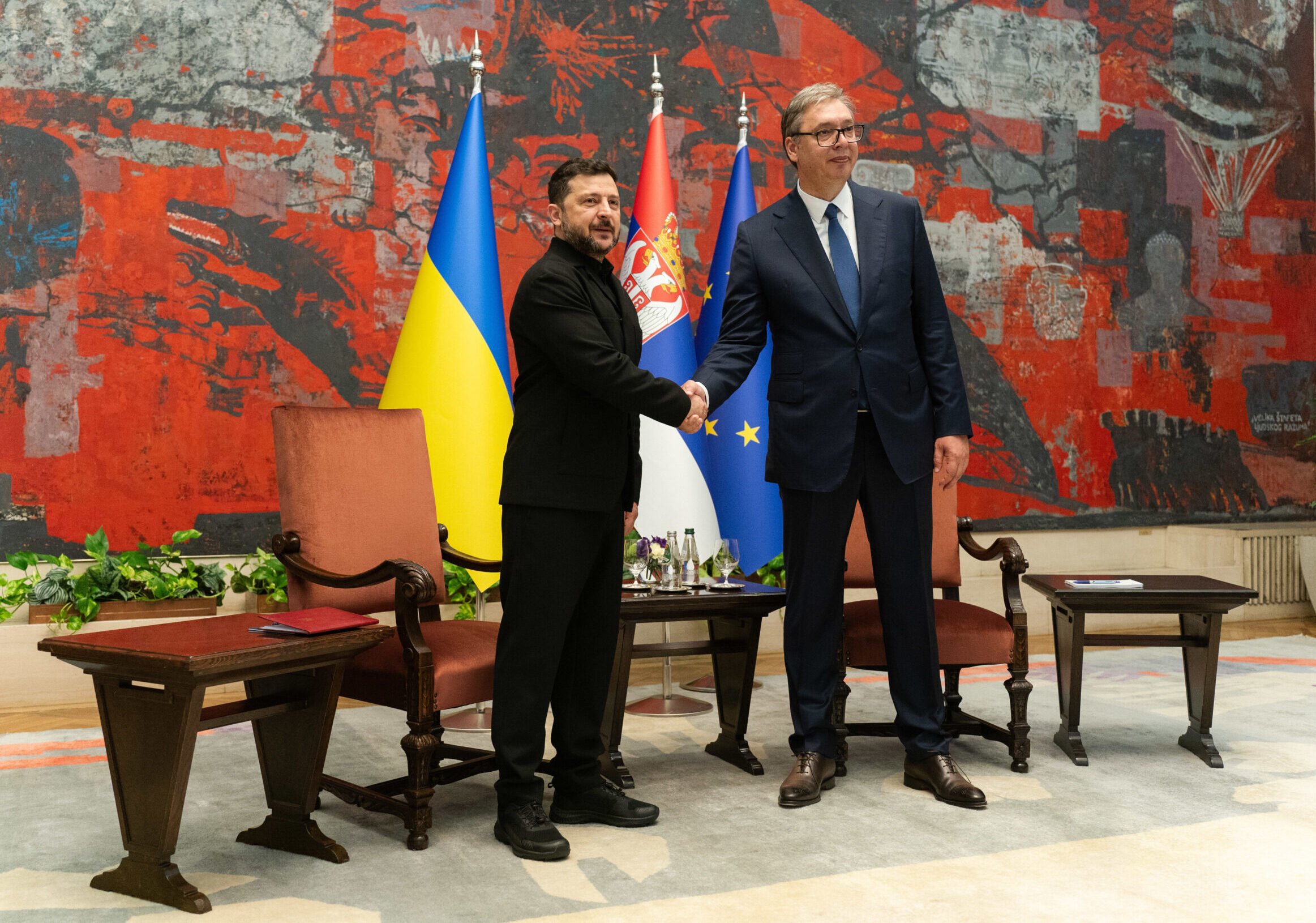
The blue-and-yellow honor guard that greeted Ukrainian President Volodymyr Zelenskyy in Belgrade on August 7 would have been hard to imagine a few years ago, given Serbia’s deep historic ties to Russia. This photo-op certainly made headlines, but the Ukrainian leader’s visit was no mere publicity stunt.
Zelenskyy’s first official trip to Serbia served the interests of Ukraine, Europe, and the United States alike, proving that Kyiv can forge real partnerships amid a grinding war and mounting geopolitical instability. Serbia came to the table with its own complicated history and constraints, including the issue of Kosovo and concerns about territorial integrity. Both sides walked away with results that went beyond symbolism.
None of this squares neatly with Serbia’s decision not to sanction or openly criticize Russia. Indeed, Serbian society remains largely sympathetic to Russia, a position that reflects longstanding cultural, historical, and religious ties. This relationship has been reinforced in recent decades by perceptions of Moscow as a guarantor of Serbian sovereignty, along with widespread Serbian resentment over NATO’s 1999 bombing campaign and the secession of Kosovo.
Despite his country’s strong links to Moscow, Serbian President Aleksandar Vucic appears to understand the difference between Russian mythology and geopolitical reality. For example, he seems well aware that the Kremlin has spent years using its energy foothold in Serbia to fund destabilizing influence operations and corrupt Serbian politics. Nevertheless, support for Russia remains an electoral fact of life that no Serbian government has been willing to openly challenge.