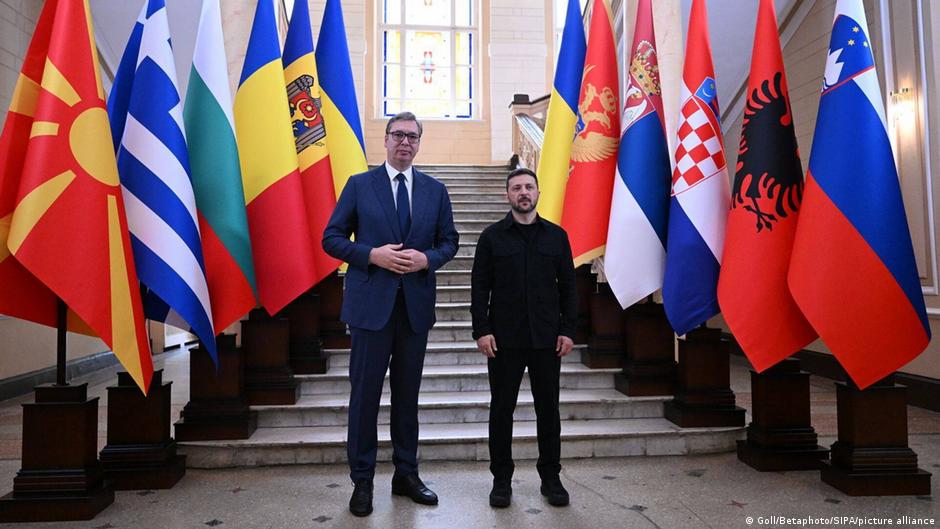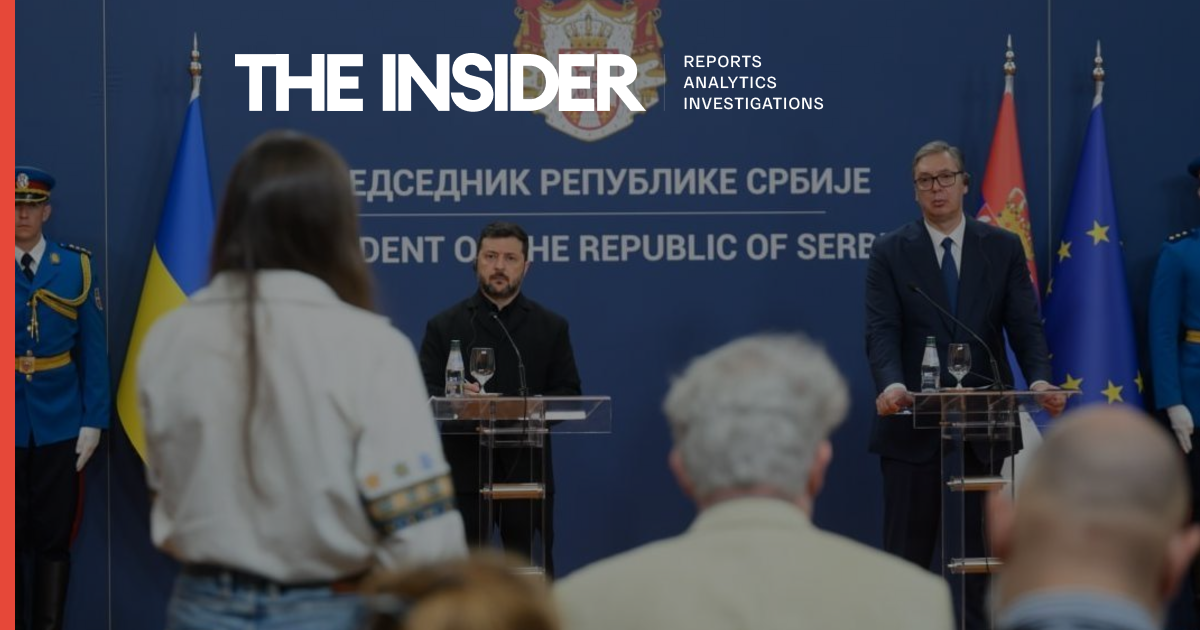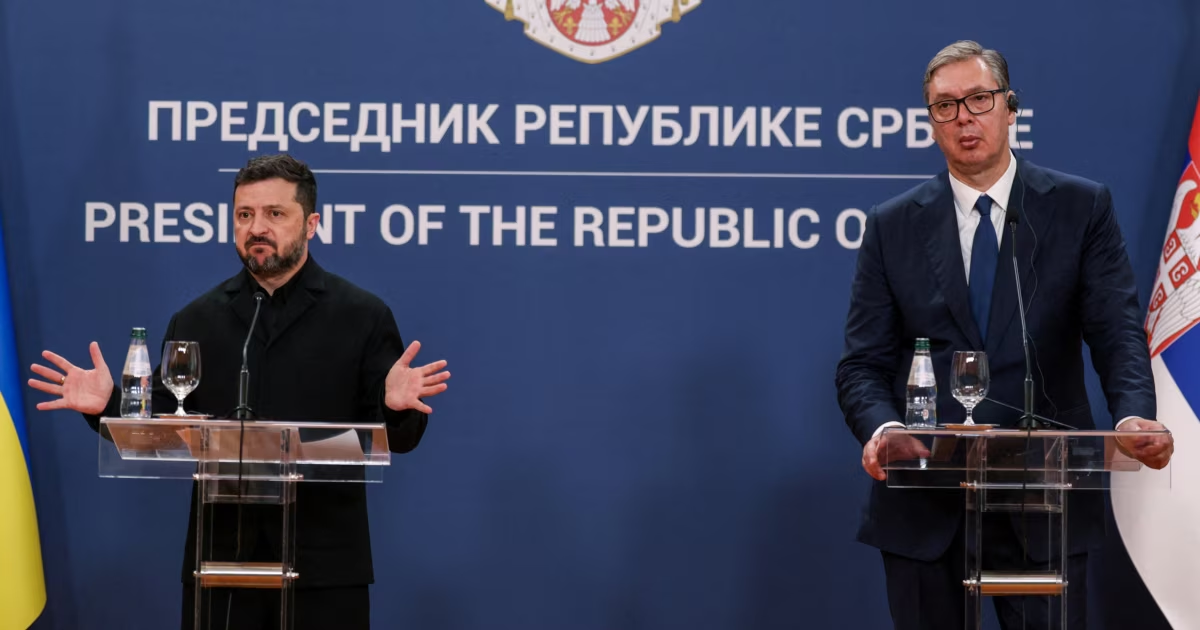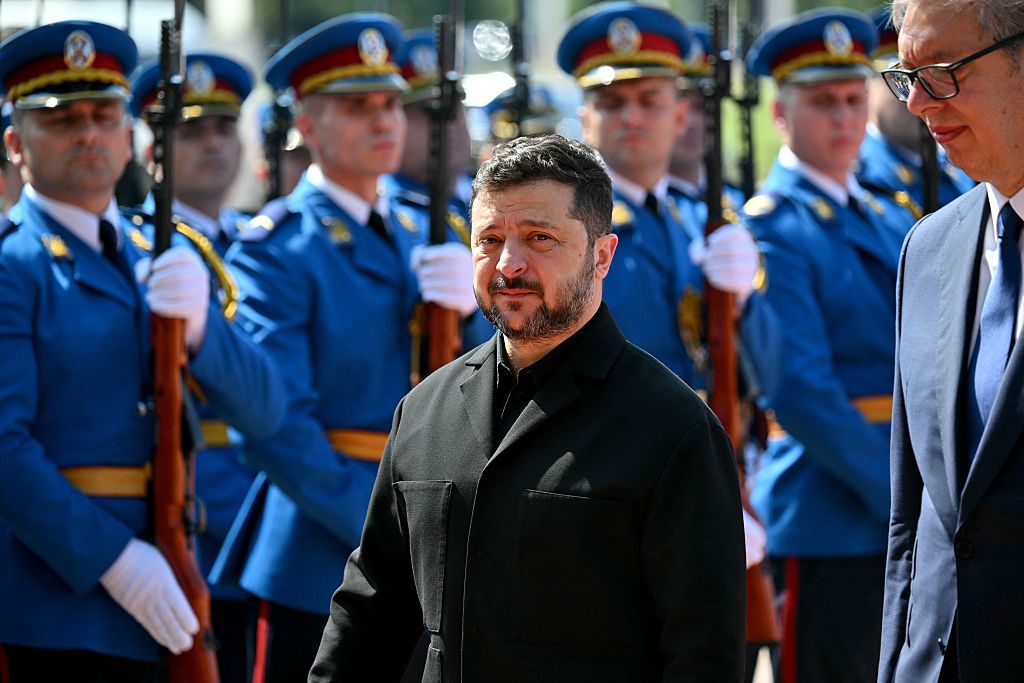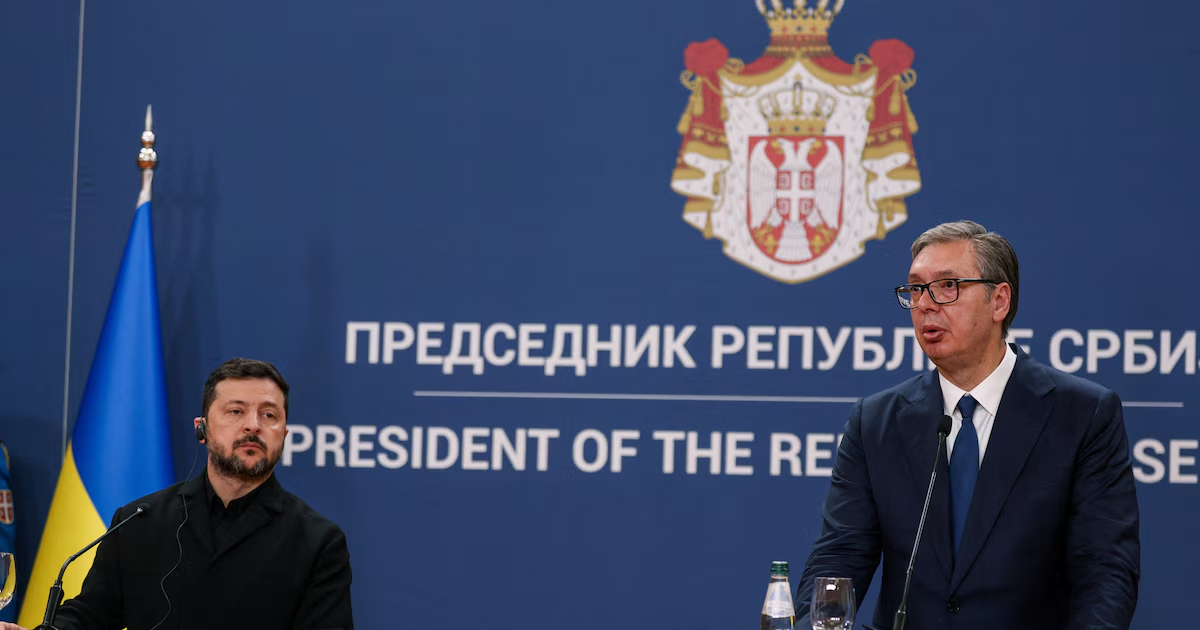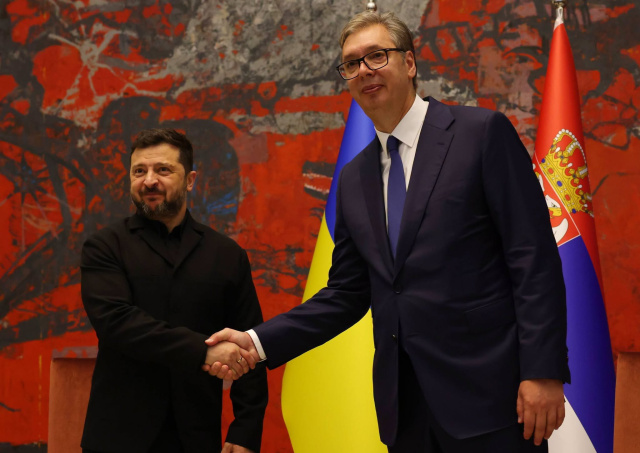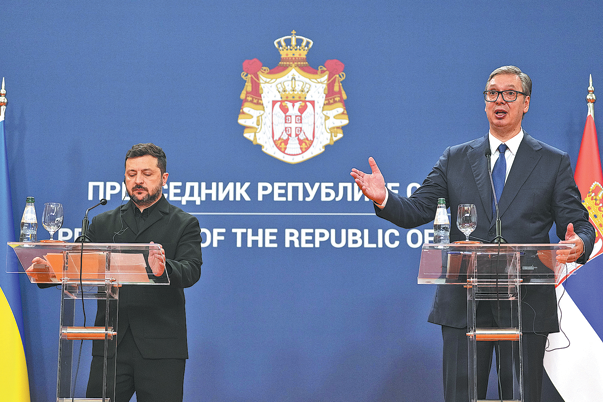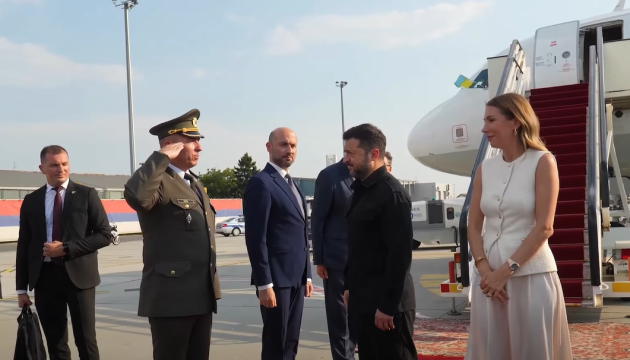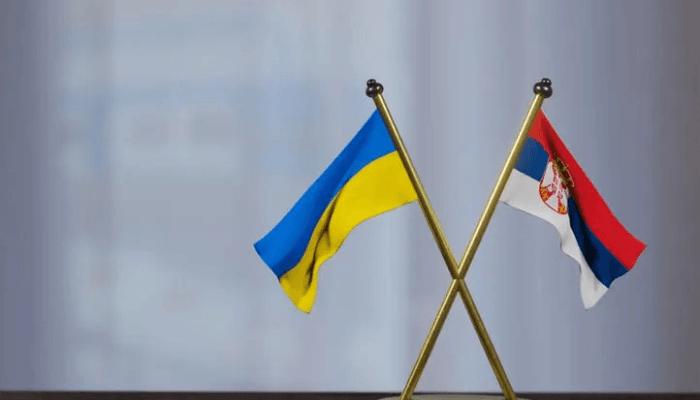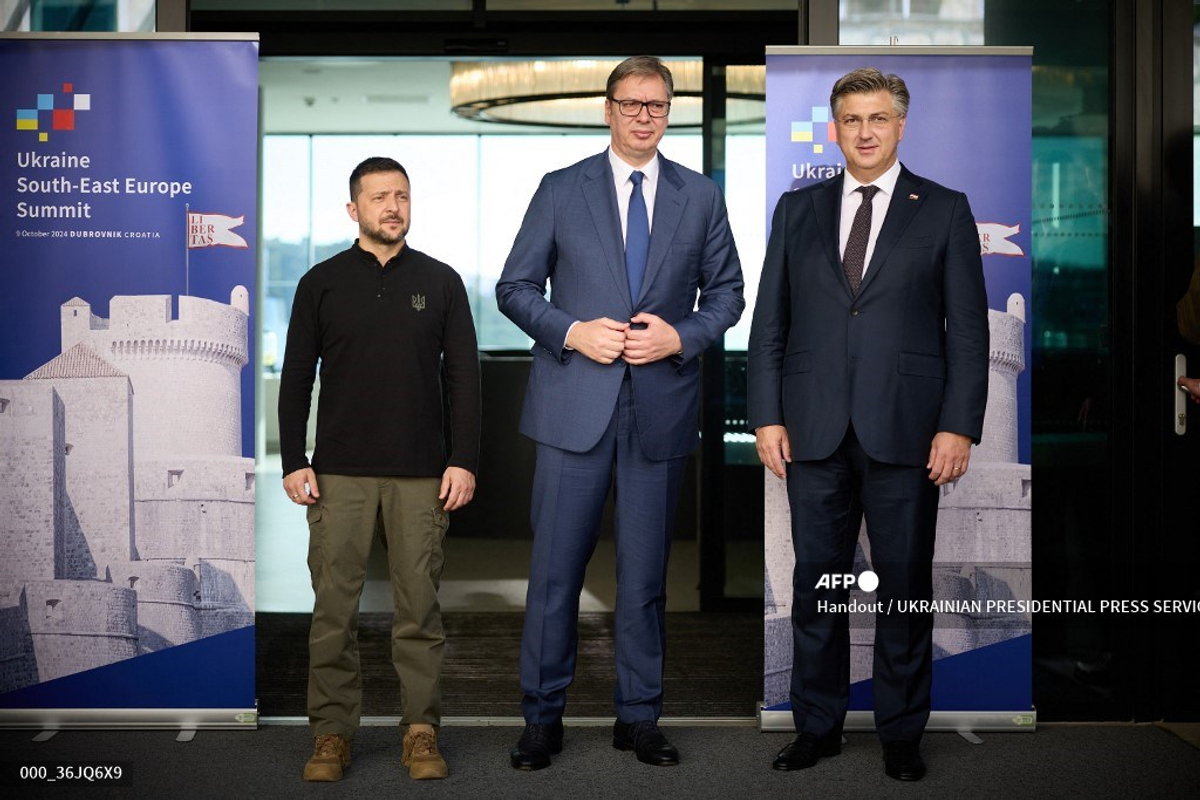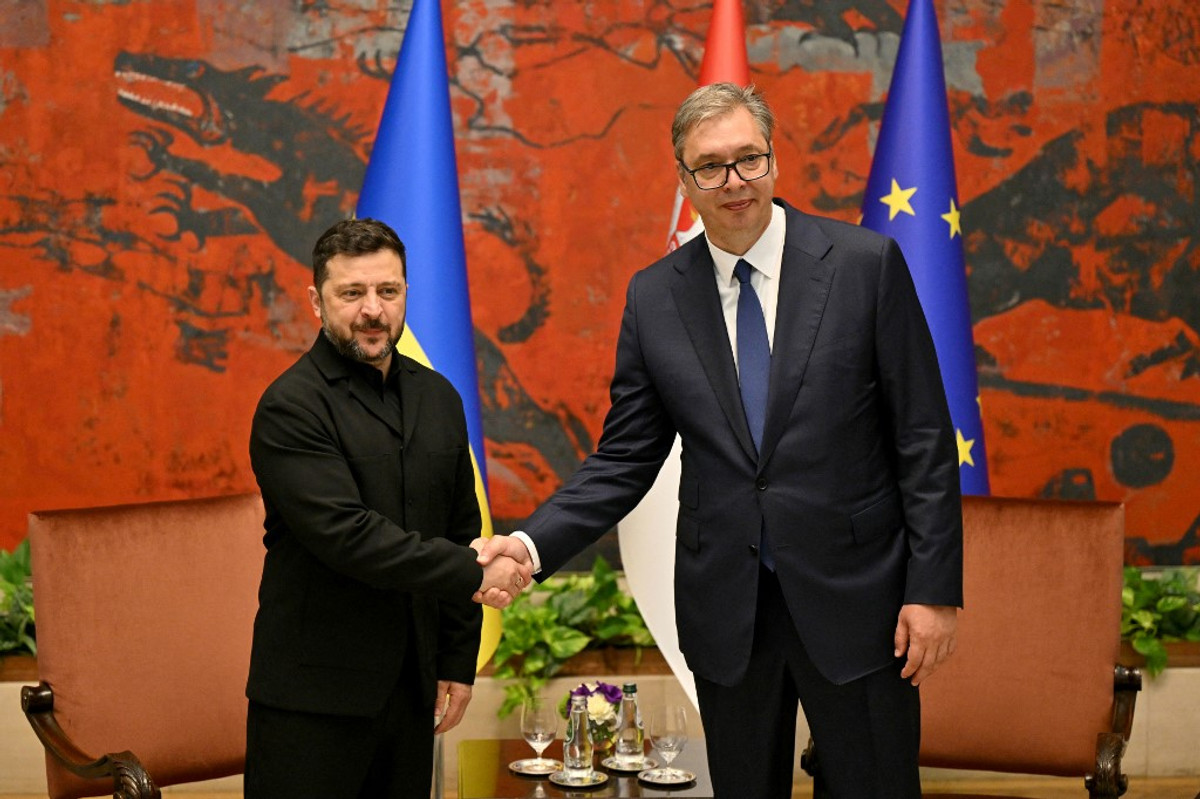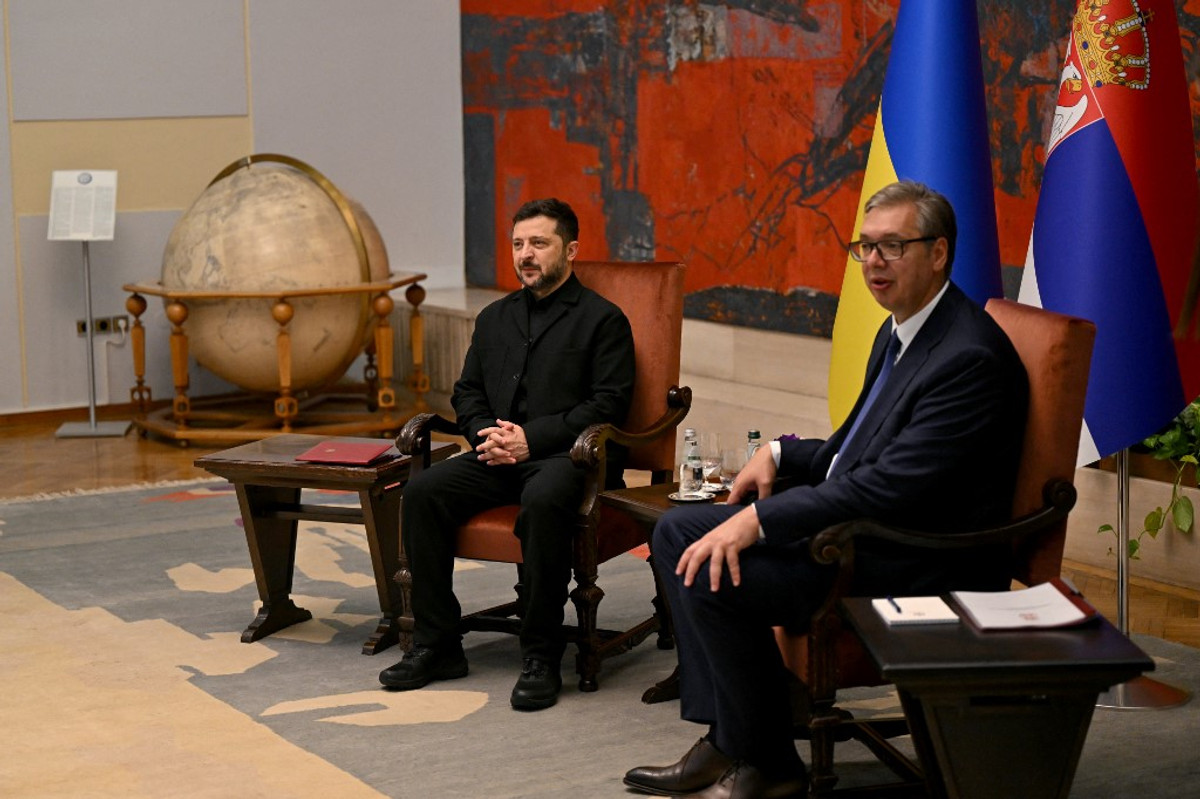
Volodymyr Zelensky’s visit to Belgrade mattered precisely because, at this moment, it offered Serbia’s President Aleksandar Vučić nothing politically at home. Serbia is heading towards snap elections, society has long been deeply politically divided, and Russophilia and support for Vladimir Putin remain very strong across a large part of the electorate. A president thinking solely about his own electoral result has no reason, just a few months before the vote, to invite Zelensky to Belgrade, receive him with the highest state honors and reiterate before the Serbian public that Serbia recognizes Ukraine’s territorial integrity within its internationally recognized borders. Vučić’s political opponents will not cross over to his side because of this visit, while some voters who support his government and at the same time openly stand with Putin may see it as a reason for discontent. Zelensky, then, brings him not a single new vote and may cost him some of those he already has, which is why the decision to receive him now deserves a far more serious analysis than the familiar explanation that this is simply another attempt by Belgrade to balance between Moscow and the West.JOIN US ON TELEGRAMFollow our coverage of the war on the @Kyivpost_official. The easier option Vučić had a much easier option. He had already met Zelensky, had travelled to Ukraine, Serbia had provided humanitarian and financial assistance, and since the start of Russia’s full-scale invasion Belgrade had supported Ukraine’s territorial integrity in international institutions. An official visit by the Ukrainian president to Serbia could, without the slightest damage to bilateral relations, have been arranged several months later, once the elections were over, allowing Vučić to avoid opening one of the most sensitive foreign-policy questions among part of his own electorate precisely when every vote may matter.
Zelensky in Belgrade: Vučić Refused to Let Serbia Foot Putin’s Bill
Receiving Zelensky in Belgrade showed that Serbia understands where it must stand.
1,948 words~9 min read