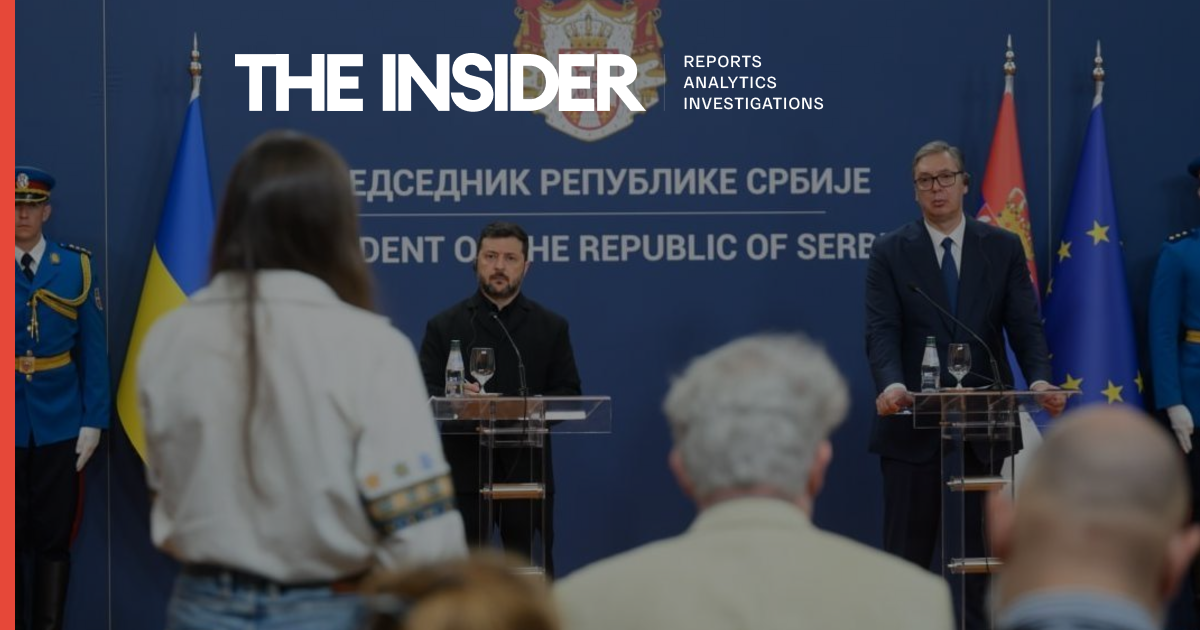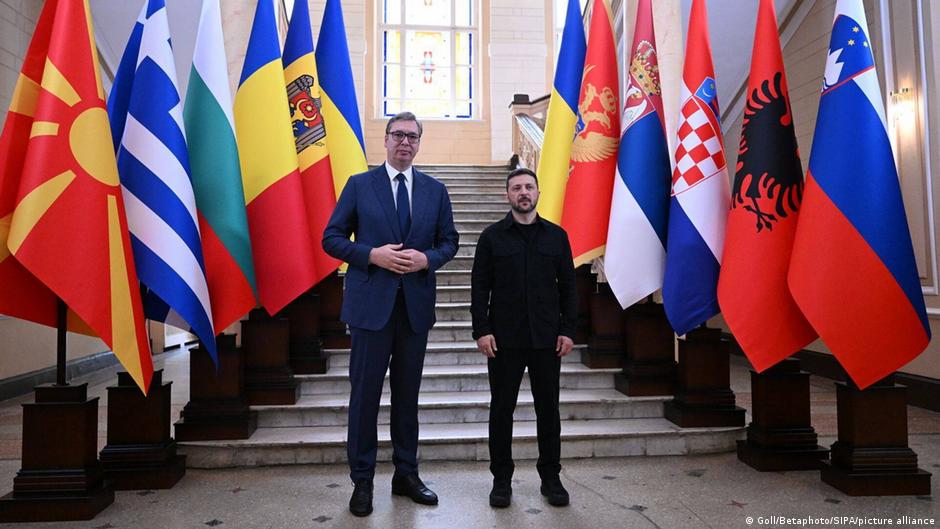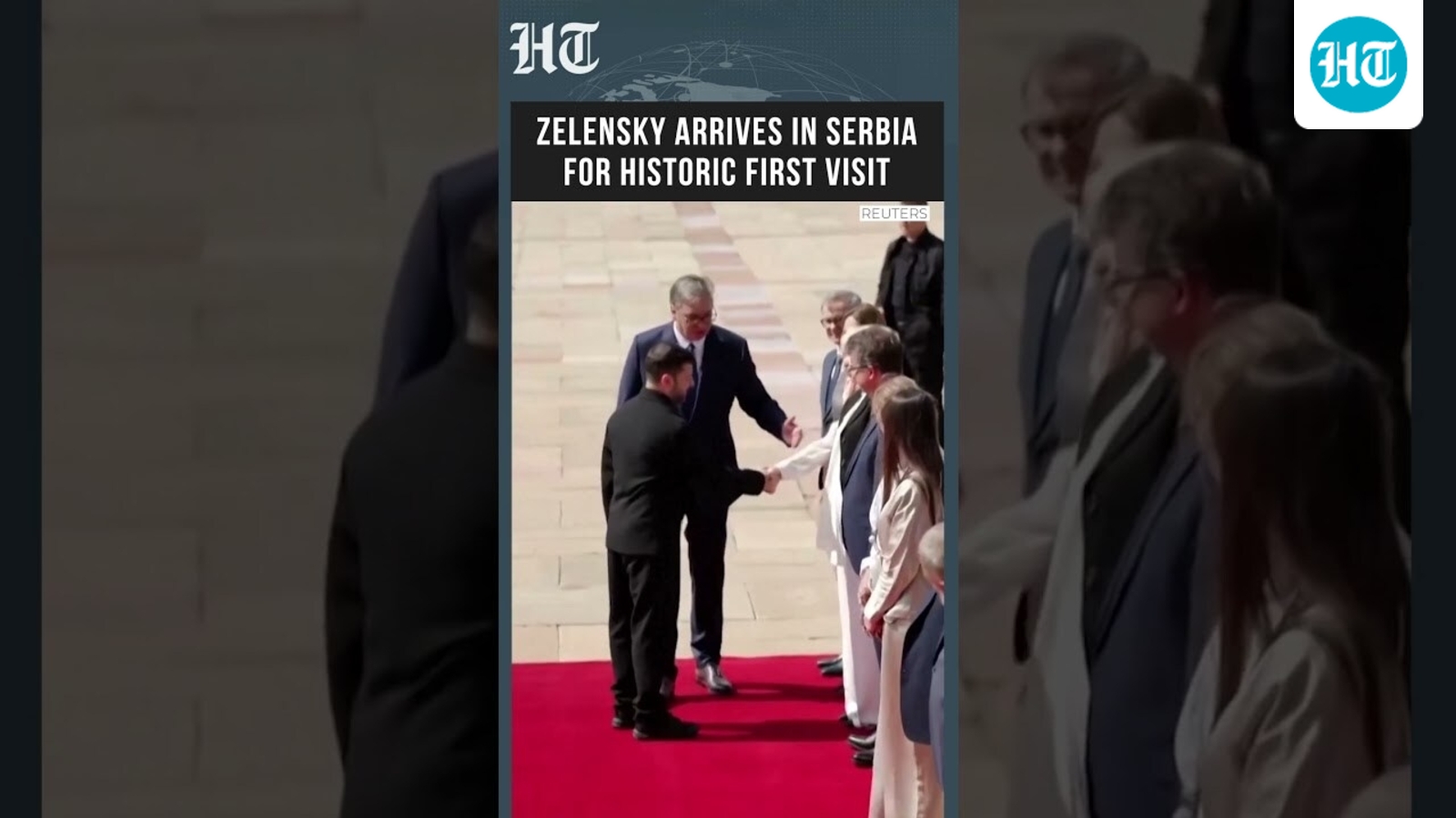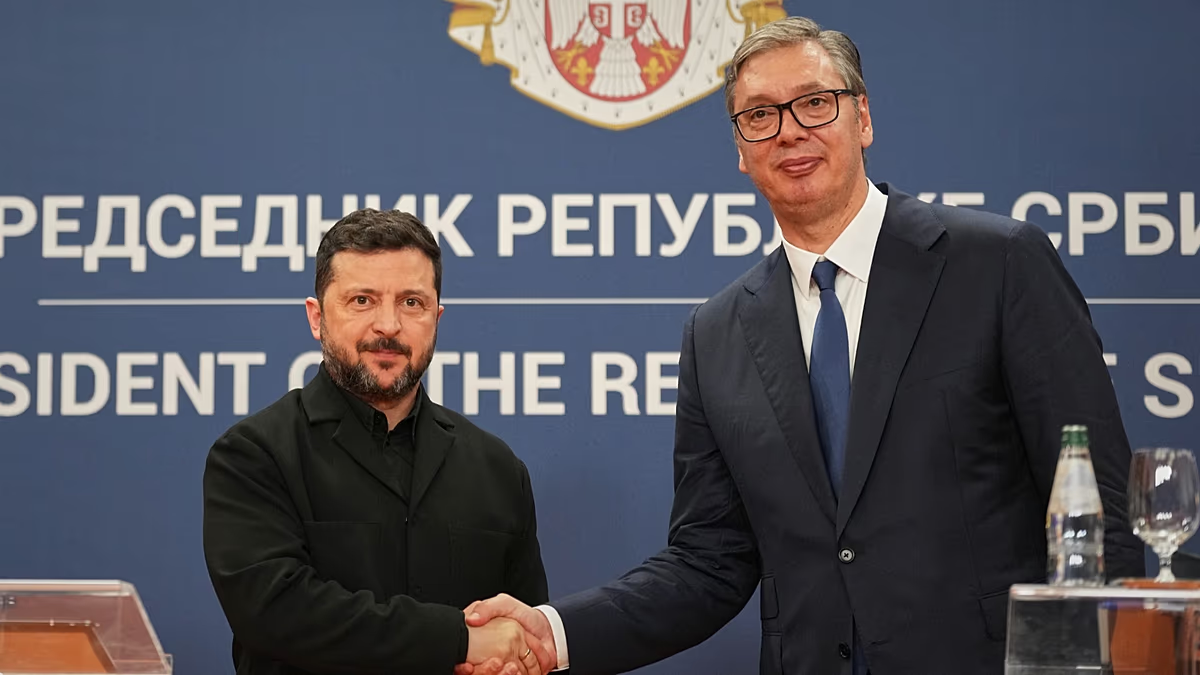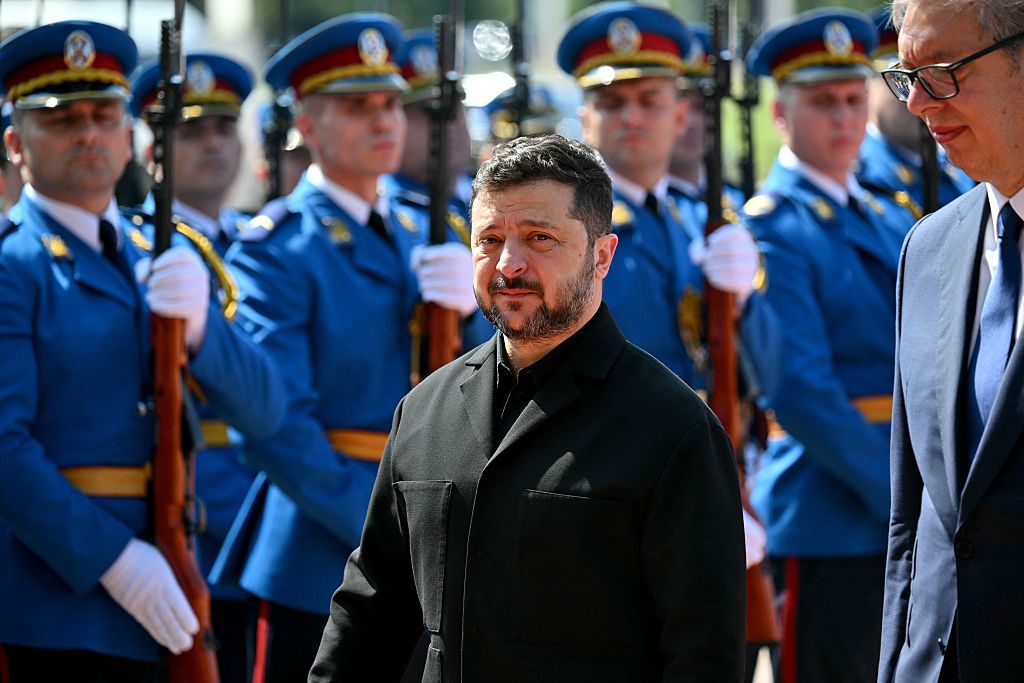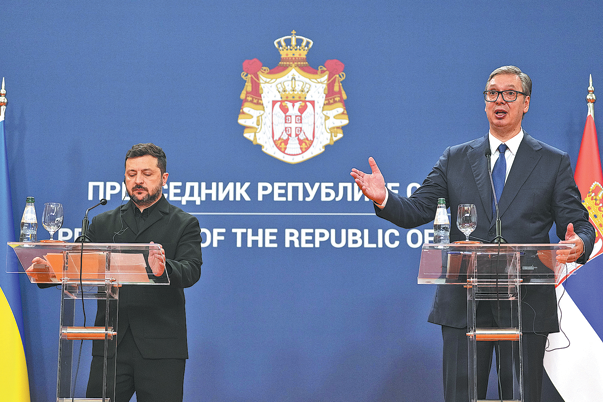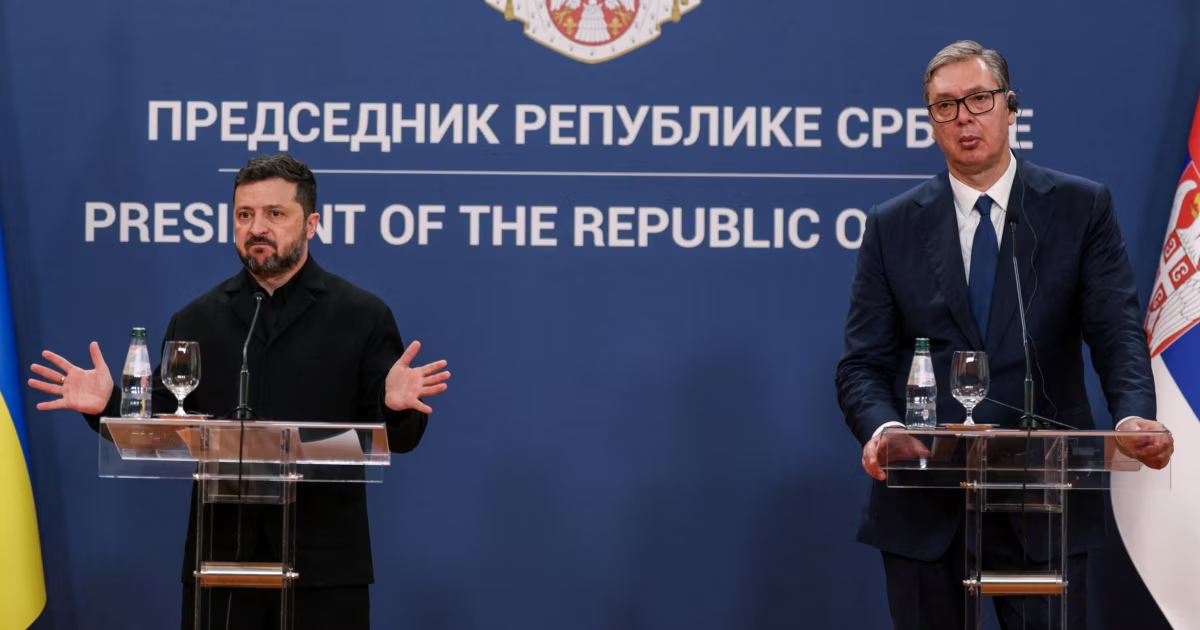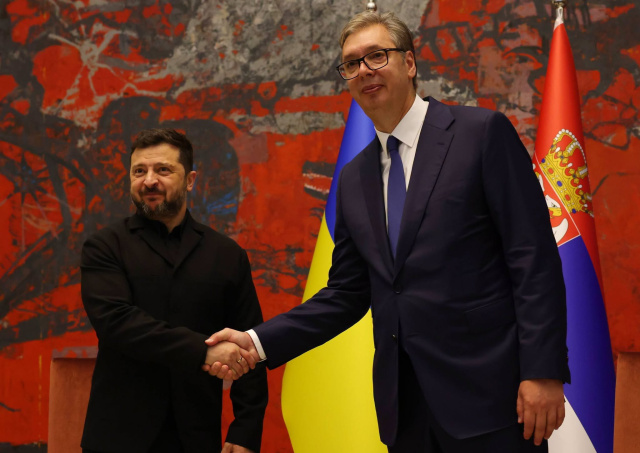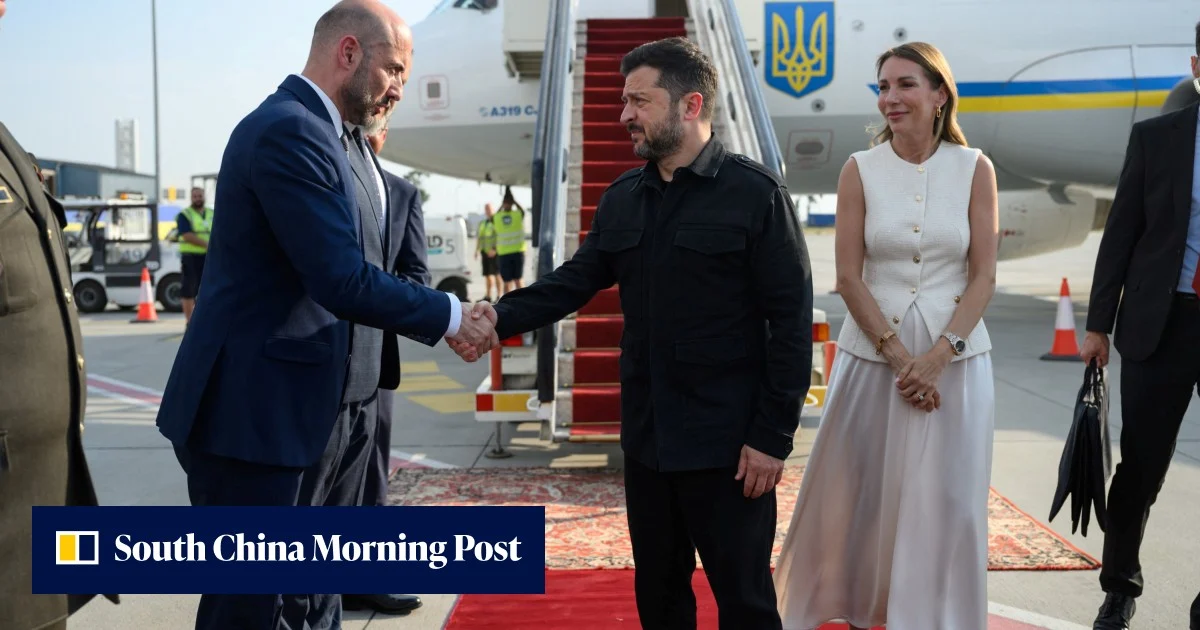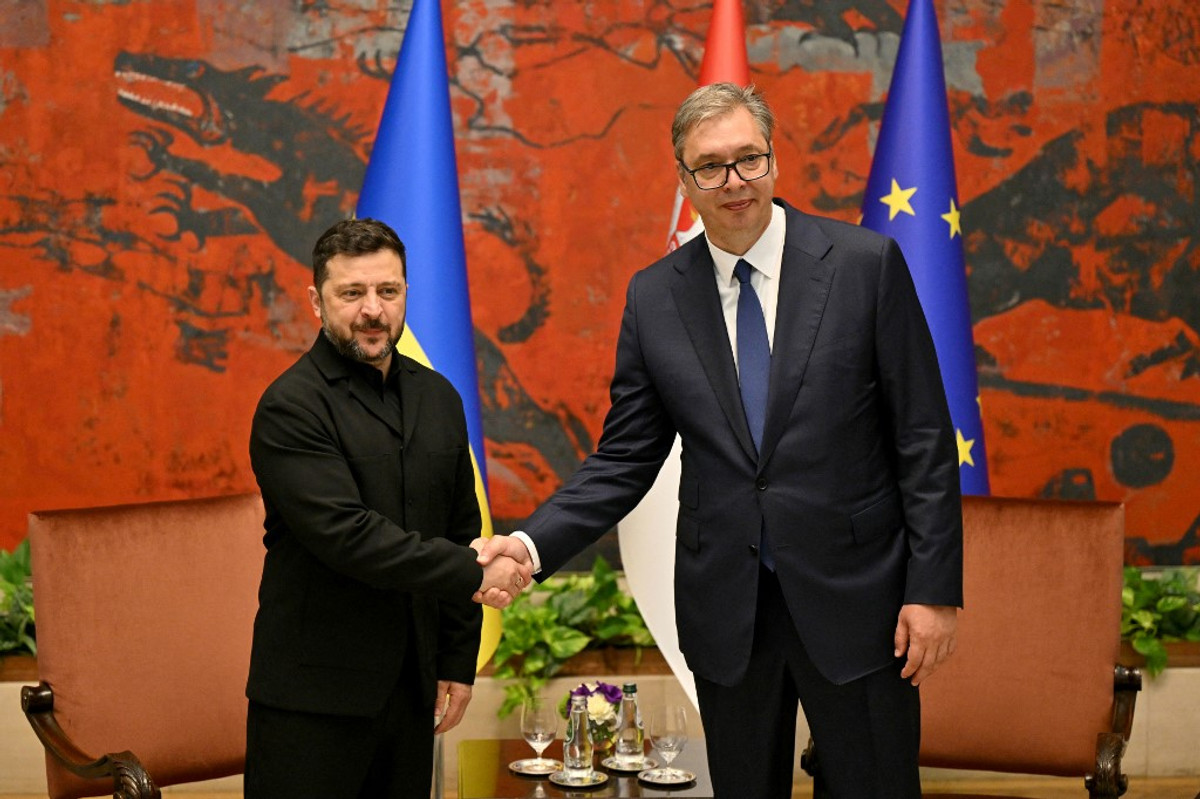
On Saturday, Volodymyr Zelensky made his first official visit to Serbia, a country long seen as one of Russia’s closest European partners. For some in the West, it was proof that Serbian President Aleksandar Vučić was finally moving toward Europe and away from Moscow. That celebration is likely premature.JOIN US ON TELEGRAMFollow our coverage of the war on the @Kyivpost_official. Vučić has long sought to play East and West off each other. Currently facing the biggest protests of his decade-long rule, he craves the appearance of European legitimacy to help shore up his hold on power. For Vučić, hosting Zelensky is a tactical gambit rather than a sign Belgrade has fundamentally changed its geopolitical strategy. Despite being a nominal candidate for EU accession, since Moscow launched its 2022 invasion of Ukraine, Vučić’s political machinery has cast the conflict in a light favorable to Russia. Pro-government media have repeated Kremlin narratives that Ukraine attacked Russia, promoted Russian propaganda about supposed Ukrainian bioweapons, and amplified fears of that Western aid for Kyiv could lead to World War III. At the same time, Vučić has turned the war into a lucrative business opportunity. Serbian ammunition has reached Kyiv through third countries, prompting former US Ambassador to Serbia Christopher Hill to describe the arms trade as evidence of a “lasting and sustainable relationship” between Serbia and Ukraine. But Serbia’s weapons trade has never been about choosing geopolitical camps. Its defense industry sells to whoever will pay, from Western partners to Azerbaijan, the Gulf states, and African countries. Reportedly, Serbia’s weapons also reached the authoritarian regime in Myanmar, Sudan and armed groups in the Sahel.
Vučić Welcomes Zelensky in Serbia: Turning Point or Tactical Gambit?
It’s hard to tell why the Serbian president invited his Ukrainian counterpart, but many suspect it was an exercise in optics.
963 words~4 min read