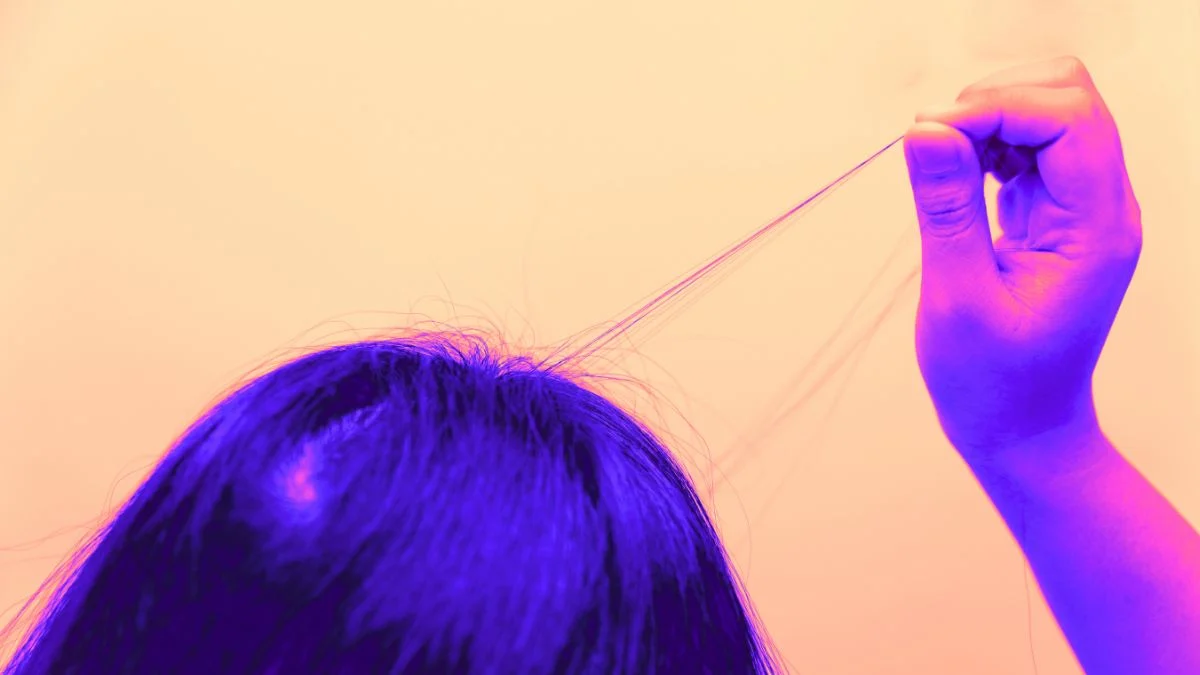
Trichotillomania (pulling out the hairs on your head, eyebrows, lashes, or elsewhere) is not a new condition. According to historical documents, the earliest written mentions appear in Hippocrates' Epidemics III, in 410 BCE. Around 350 BCE, Aristotle wrote about vices in the Nicomachean Ethics and included "the habit of plucking out the hair or of gnawing the nails." Also called hair-pulling disorder, trichotillomania is classified as a body-focused repetitive behavior and can lead to hair loss and significant psychological or social impairment. It affects between 1-2 percent of people in the US, impacts both genders equally, and is often seen alongside other mental-health conditions such as anxiety and depression, PTSD, OCD, and ADHD.One common explanation for trichotillomania is emotional regulation: that hair pulling helps people cope with unpleasant feelings such as anxiety, tension, or frustration and feel relief after completing the act. But previous research has produced inconsistent evidence to support the emotional regulation idea, as hair pulling can also happen when someone is distracted or not even aware they are doing it. To get a better handle on what happens in real time, researchers at Heidelberg University Hospital followed 61 adults with trichotillomania for 10 days."The majority of existing studies focus predominantly on the behavior, neglecting the urge and underlying factors that may influence it," the team writes in their new study, published in Comprehensive Psychiatry.So the researchers set out to discover more about this urge and its repercussions.
Trichotillomania: New Study Explains Why People Feel Compelled to Pull Out Their Own Hair
Trichotillomania (pulling out the hairs on your head, eyebrows, lashes, or elsewhere) is not a new condition.
772 words~4 min read