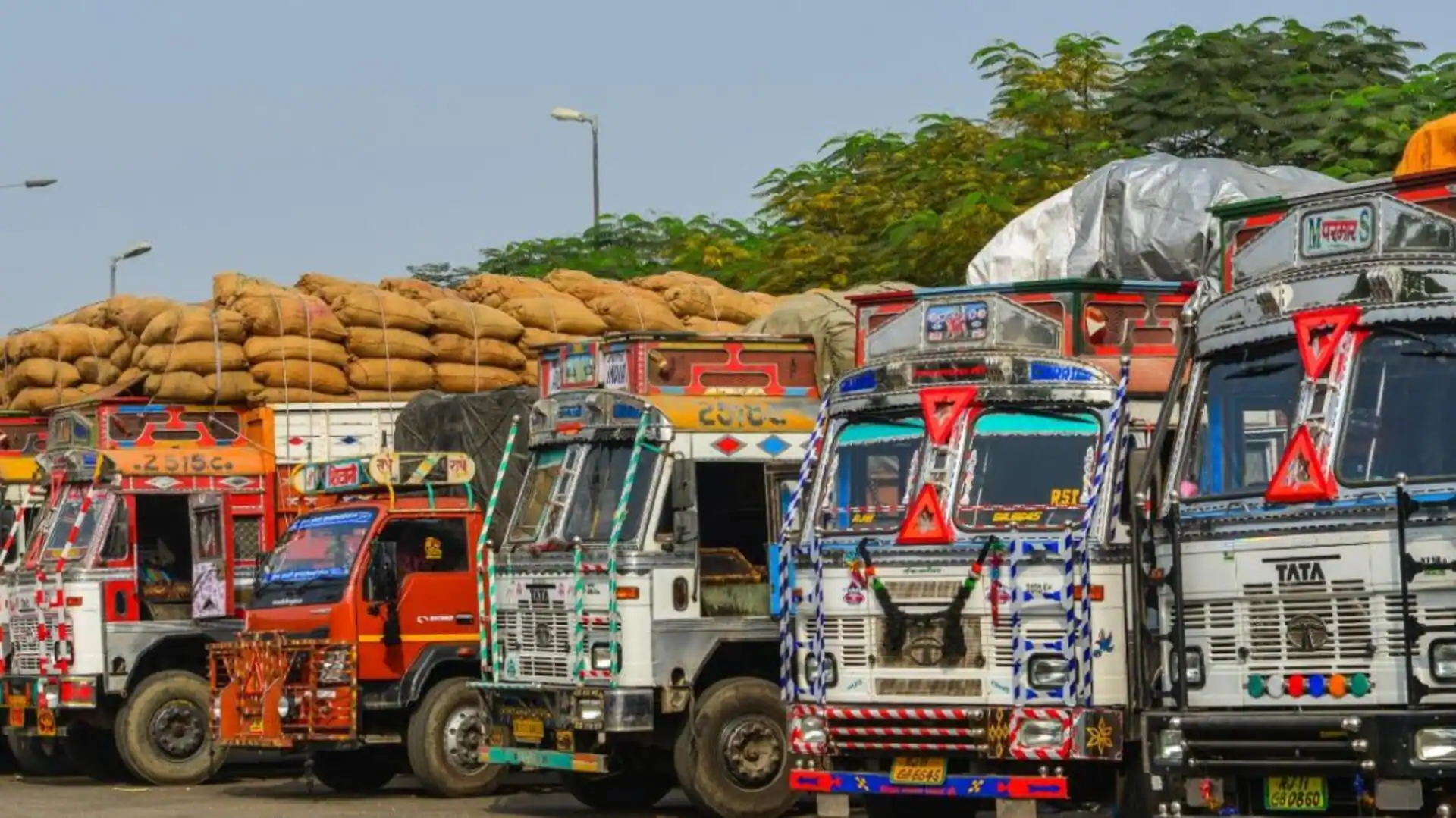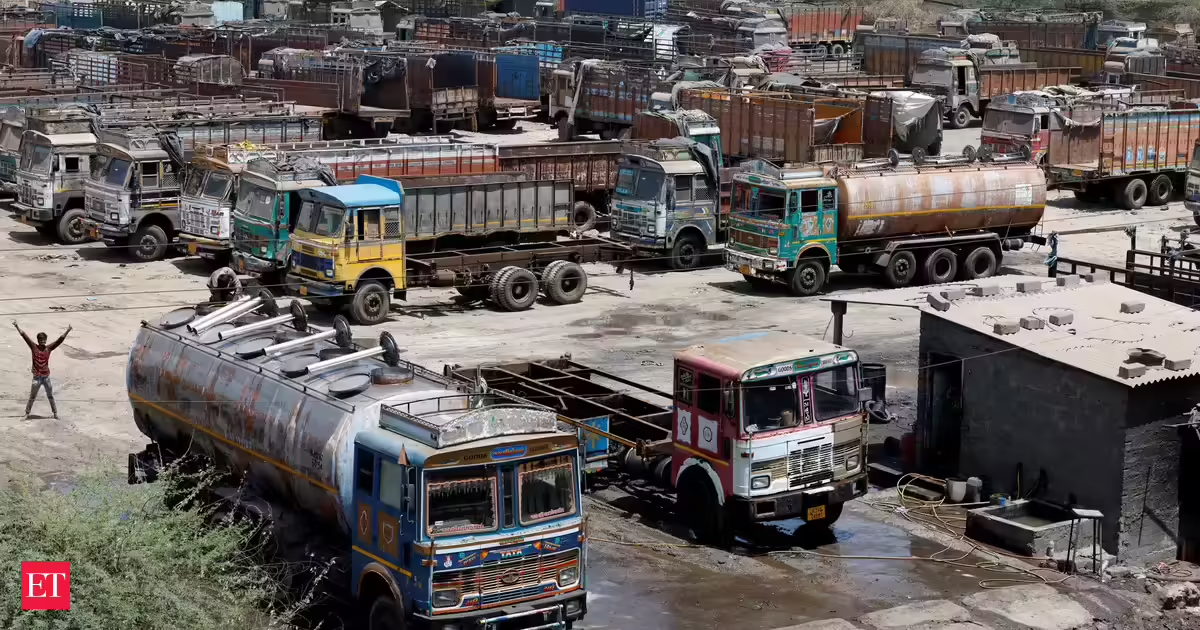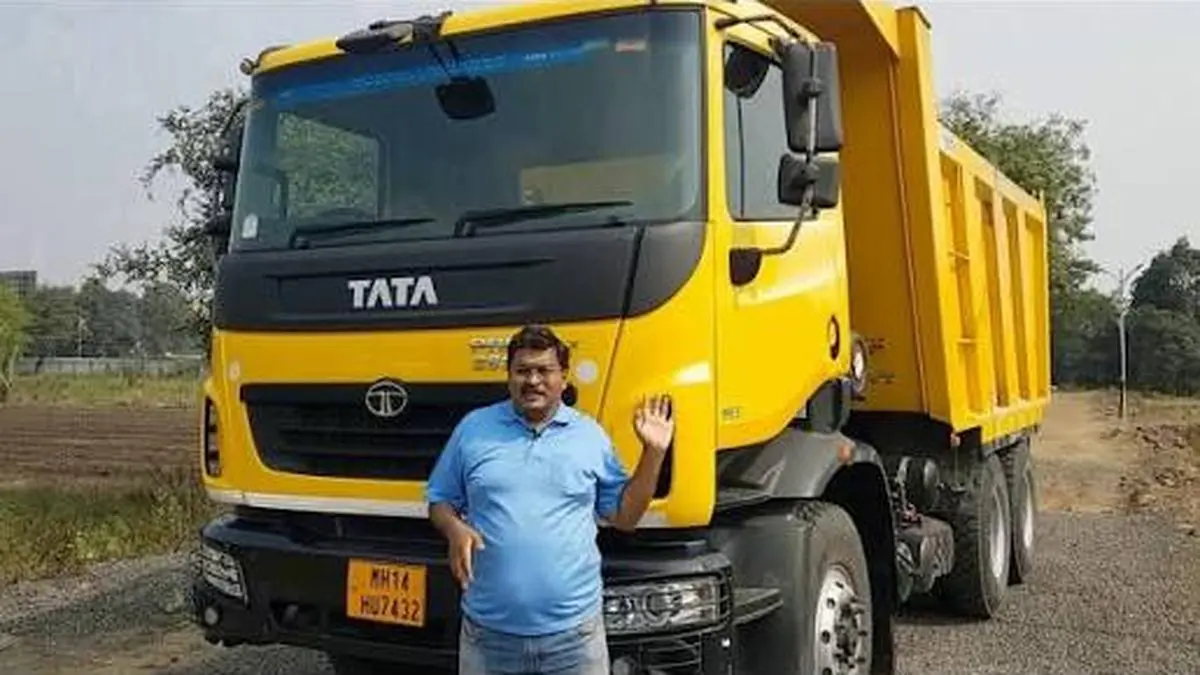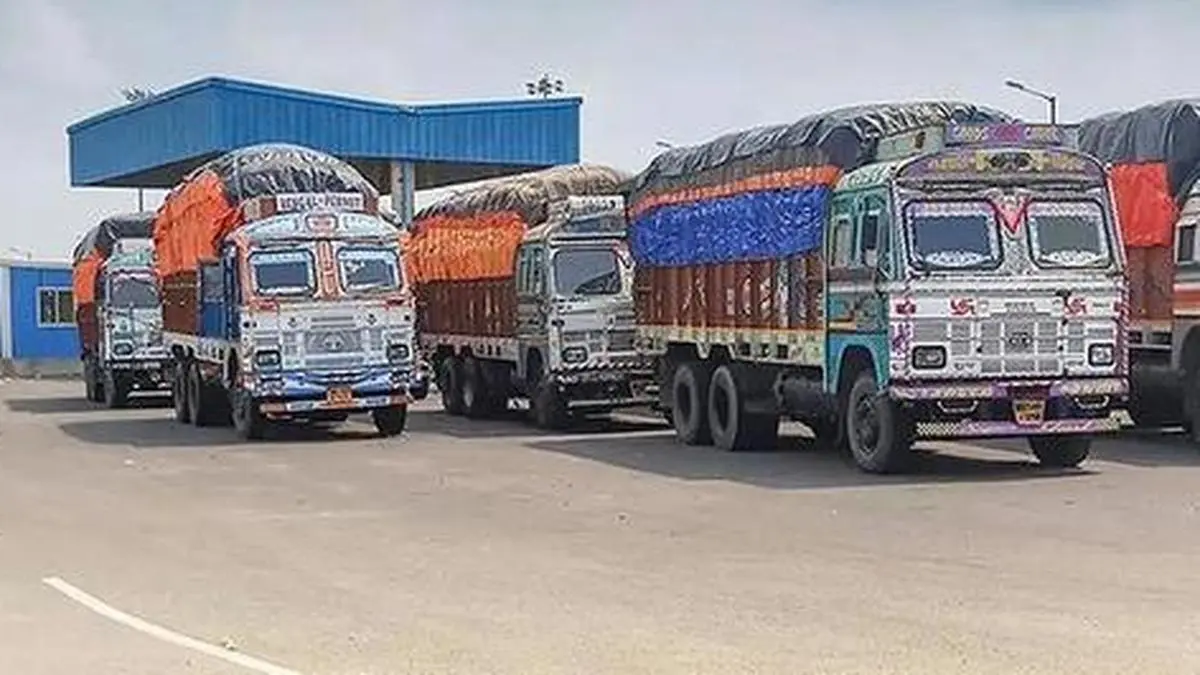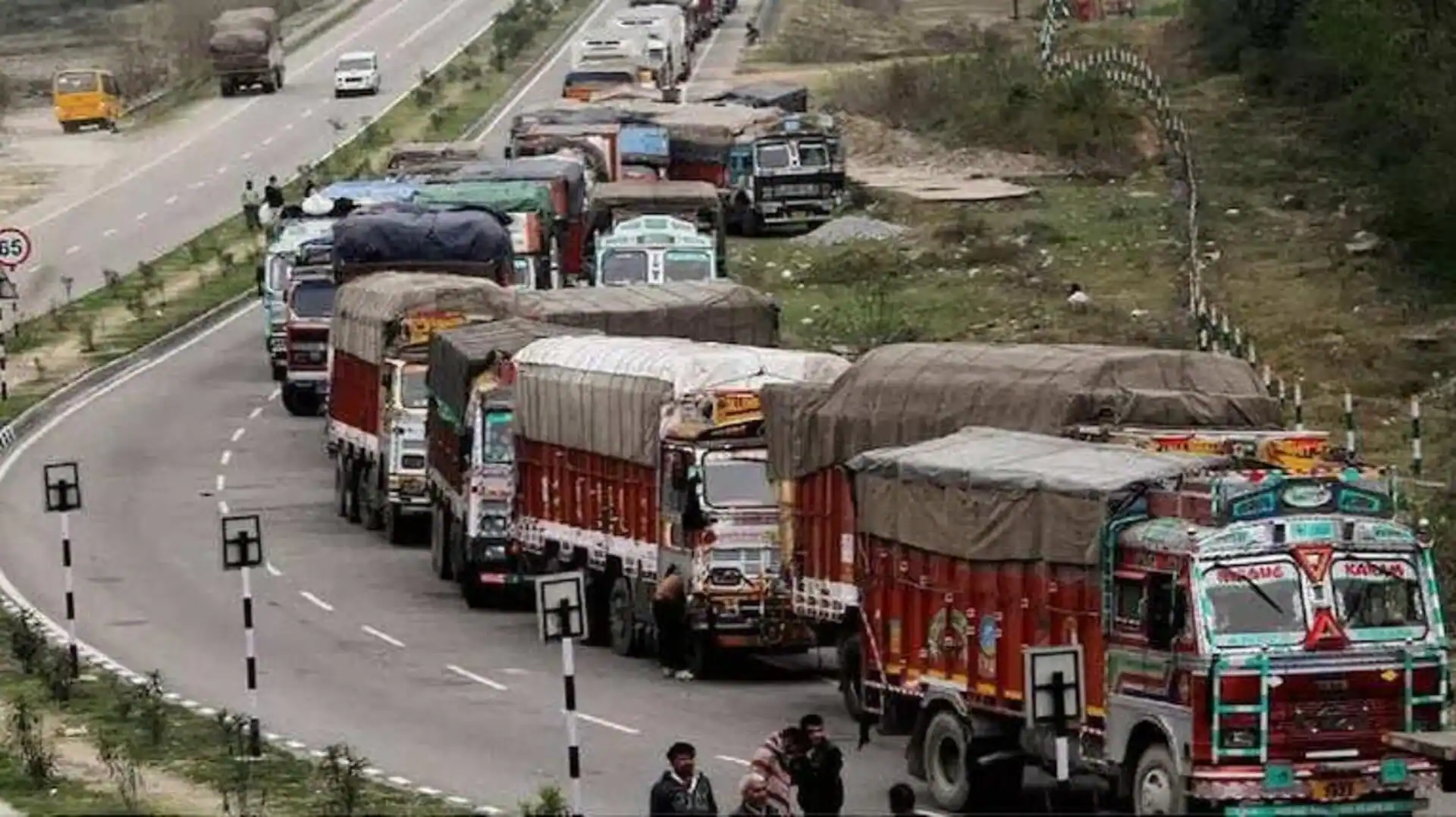
EATEN WITH WORRY. Despite paying hefty tolls, truckers lack basic highway amenities such as parking zones, clean toilets and rest areas
| Photo Credit:
Manu_Bahuguna
The road transport industry is the backbone of the nation’s economy, carrying nearly 70 per cent of domestic freight and ensuring uninterrupted movement of goods countrywide. Yet this vital sector, particularly its small transport operators and self-driving truck owners, is today facing one of the most difficult periods in its history.Over the last few years, the cost of operating commercial vehicles has increased sharply, while freight rates have remained largely stagnant. The widening gap between operational expenses and earnings is making the transport business financially unsustainable for thousands of operators.Many transporters are operating on wafer-thin margins simply to retain business, while some are functioning below the actual cost of operations.Diesel alone accounts for nearly 60 per cent of a truck’s operating cost. In addition to fuel price increases, transporters have had to absorb the cost of AdBlue for BS-VI vehicles.Tyre prices, insurance premiums, spare parts, engine oil, lubricants, maintenance expenses, finance costs and statutory compliance charges have all escalated. Toll charges continue to rise, while the burden of documentation, permits, fitness requirements and other regulatory compliances has also increased substantially.Technology-driven governance is welcome when it promotes transparency and efficiency. However, implementation should not result in needless hardship.Electronic challans were introduced to minimise human intervention and improve road safety. However, more and more transporters allege misuse of the system, leading to avoidable penalties and harassment.Enforcement must remain transparent, accountable and fair while ensuring that genuine operators are not penalised.Missing amenitiesSimilarly, vehicle location tracking devices (VLTDs) — originally conceived for passenger safety and emergency response — have been mandated for goods vehicles in the absence of clear operational necessity, imposing an additional financial burden on transporters.More importantly, technical issues related to the integration of VLTD devices with the Vahan portal have left many commercial vehicles stranded for weeks, and even months in some cases.Each day that a truck remains off the road implies loss of income, loan repayment pressure and severe financial distress for the operator.Small transport operators and self-driving truck owners are affected the most by these developments. Unlike large fleet operators, they have limited financial resources and capacity to absorb the continuous increases in operating costs. Many are struggling merely to keep their vehicles on the road while meeting EMI obligations and supporting their families.Despite paying substantial toll charges, drivers continue to face a shortage of secure truck parking zones, clean toilets, rest areas and other basic highway amenities. These facilities are not luxuries but essential requirement for a sector that keeps India’s economy moving 24 hours a day.Need for a relookIt is time for a comprehensive review of the road transport ecosystem. Freight rates must be based on scientific cost calculations that reflect actual operating expenses. Toll charges require rationalisation. The increasing compliance burden needs a relook.Safeguards against the misuse of e-challans should be strengthened. Mandatory VLTD requirements for goods vehicles deserve reconsideration, and the technical issues affecting Vahan integration must be resolved without delay. Simultaneously, the government should accelerate the development of adequate parking facilities, driver rest areas and sanitation infrastructure across the Mational Highway network.The small transporter is not seeking concessions or special treatment. He or she is seeking fairness, sustainability and an environment where honest enterprise can survive.If the present trend continues unchecked, thousands of small transport businesses may disappear, weakening India’s logistics network and disrupting the nation’s supply chain.The road transport industry does not seek sympathy — it seeks a practical, balanced and sustainable policy framework. Protecting small transporters today is essential to securing India’s economic growth tomorrow.