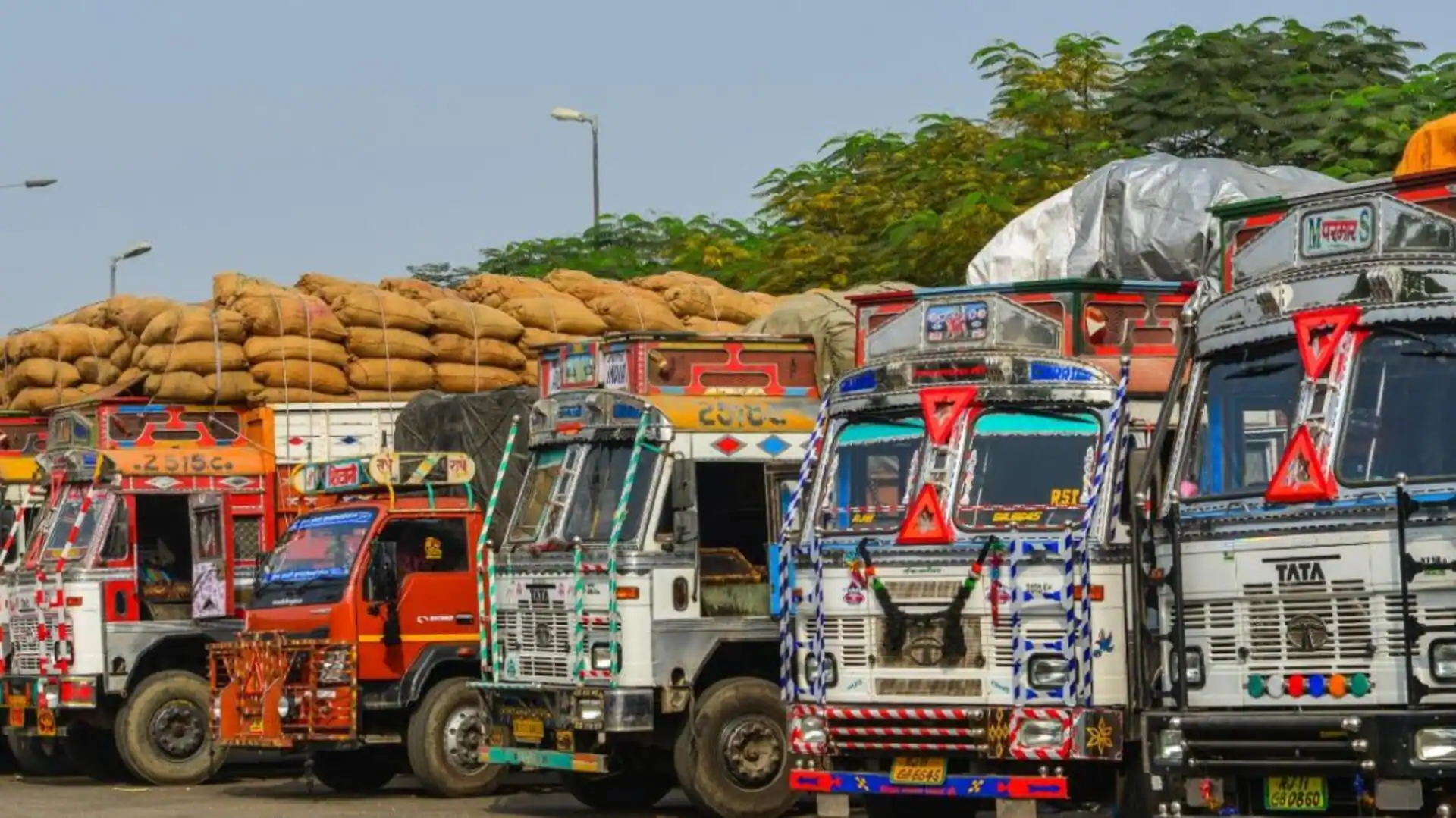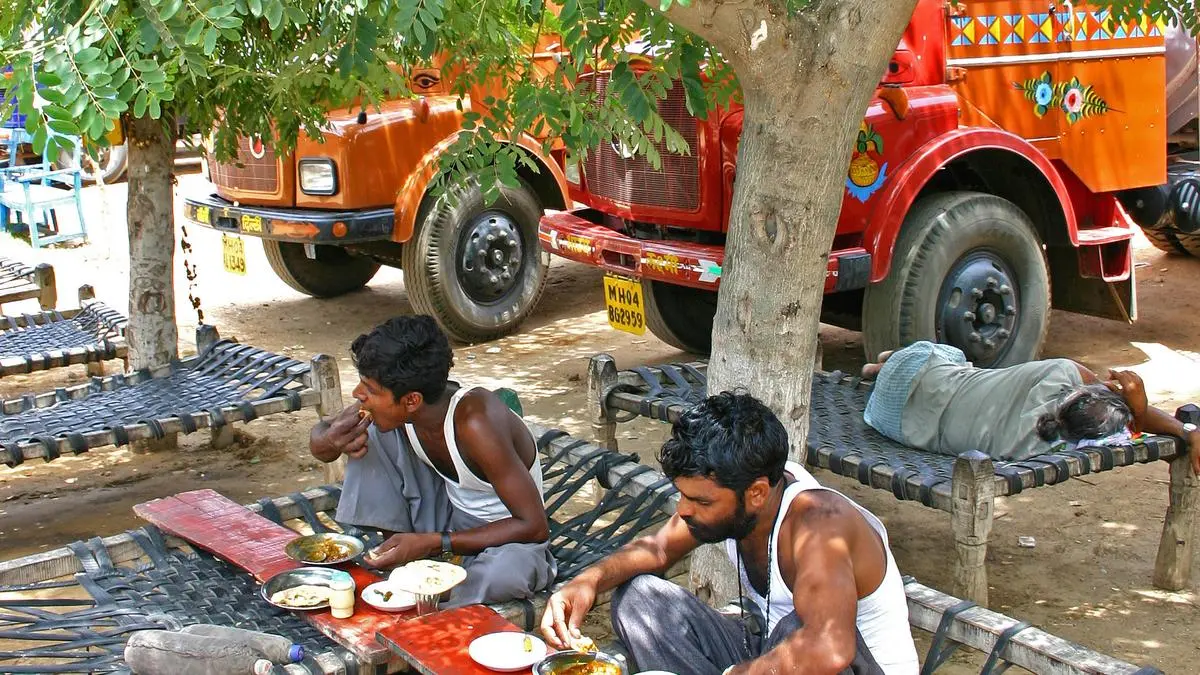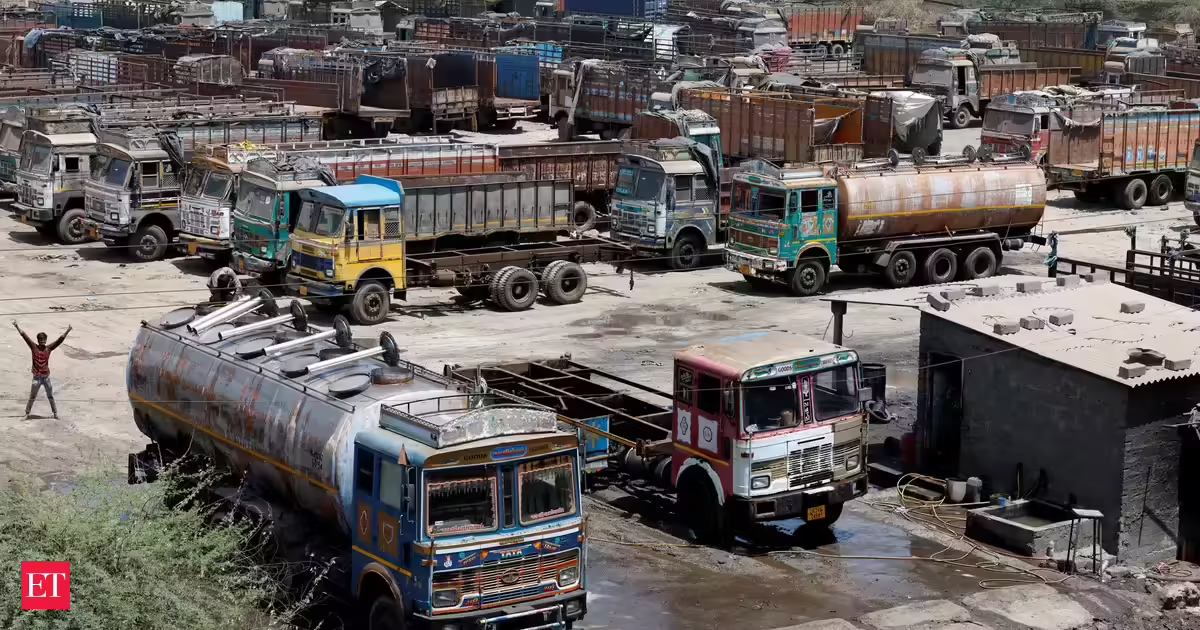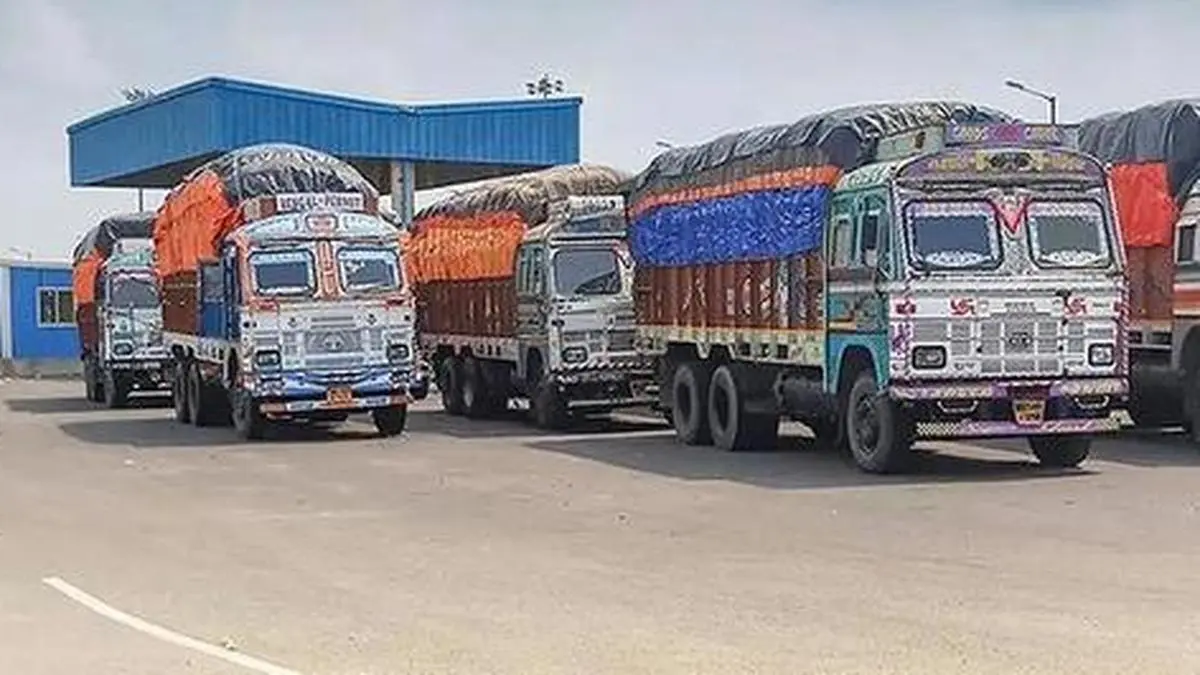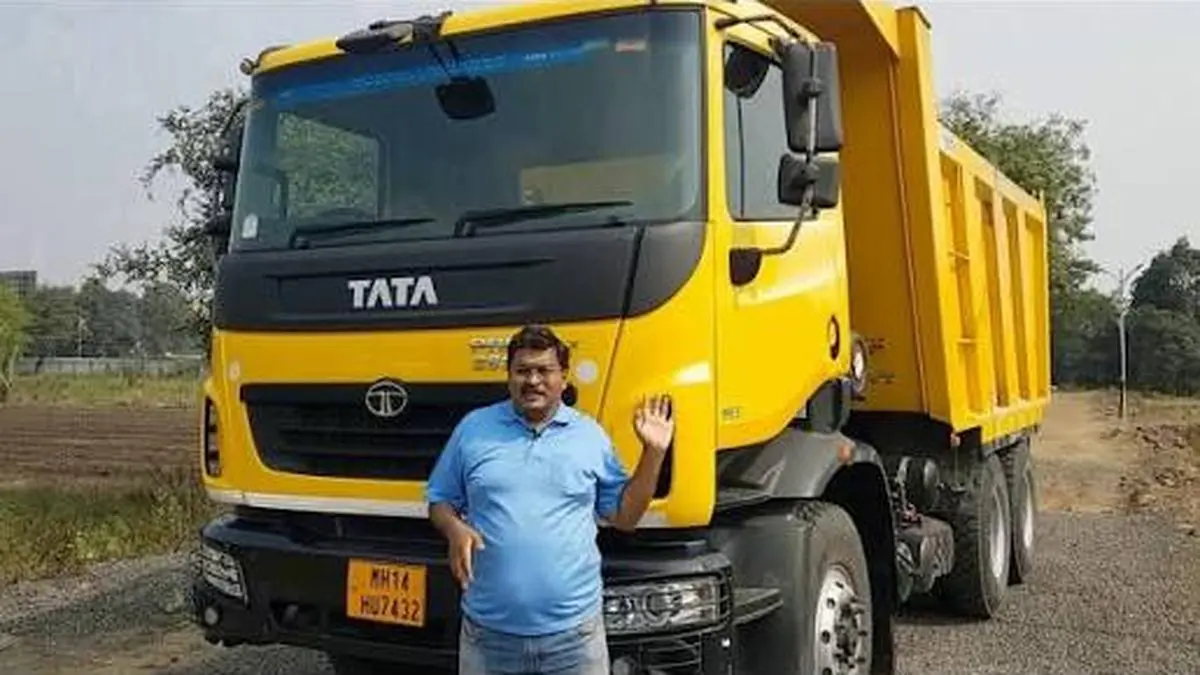
Ludhiana-based Roshan Singh Chawla, 52, owns three trucks — two Tata Prima heavy-duty trucks and an Ashok Leyland BOSS, the latest bought last Diwali.Trucking has been the Chawla family’s livelihood for over two decades, but the business may not survive another generation.His elder son, Ritesh, is in the final year of his B.Com degree, while his younger son, Arjun, has just completed Class 12. Neither plans to take over the family transport businessFinding drivers has become a daily challenge and, when one fails to report for work, Chawla often returns to the driver’s seat himself. Even then, rising diesel prices, toll charges, insurance premiums, loan repayments, maintenance costs and an expanding compliance burden, leave little room for profit.Chawla’s story is increasingly becoming the story of India’s small road transport operators. The All India Motor Transport Congress (AIMTC) has warned that thousands of owner-drivers and micro fleet operators, who keep nearly 70 per cent of the country’s domestic freight moving, are facing a survival crisis as rising operating costs, shrinking pricing power, expensive finance and mounting compliance requirements make the business increasingly difficult to sustain.The small transporter is not asking for subsidies or special treatment. ”We are only seeking a fair, viable and sustainable business environment,” says Chawla”If immediate corrective measures are not taken, thousands of small transport operators and self-driving truck owners will be forced to shut down, severely impacting India’s supply chain and economy,” said Bal Malkit Singh, Advisor and Former President of AIMTC.The question today is not whether transporters can survive another increase in costs. The real question is —how long can they continue carrying the nation’s economy on their shoulders, he asked.A business losing its next generationFor decades, owning one or two trucks offered families a dependable livelihood. Today, transporters say the economics have changed dramatically. According to AIMTC, diesel alone accounts for 55-60 per cent of a truck’s operating cost, while tolls, tyres, insurance, AdBlue, lubricants, maintenance, permits and statutory compliance have all become more expensive. Freight rates, however, have remained largely stagnant.Industry estimates suggest more than three-fourths of India’s transport operators own five or fewer trucks. Most depend on brokers or digital freight platforms to secure loads, leaving them with little bargaining power to negotiate higher freight rates. Many accept lower-paying consignments simply to keep trucks moving and meet monthly loan repayments.Drivers becoming harder to findThe industry is also grappling with the shortage of an estimated 2.2 million commercial vehicle drivers. Long periods away from home, poor roadside amenities, the absence of secure parking and rest facilities, and falling financial returns are making the profession less attractive to younger generations.For many owner-operators, the shortage means returning behind the wheel themselves whenever drivers are unavailable, adding to already long working hours.Compliance adds another layer of pressureBeyond rising costs, AIMTC said transporters are increasingly burdened by compliance requirements. It has sought a review of the mandatory Vehicle Location Tracking Device (VLTD) requirement for goods vehicles, saying installation costs and technical glitches in integrating devices with the VAHAN portal have delayed fitness renewals and permit clearances, resulting in avoidable vehicle downtime.The body has also raised concerns over the alleged misuse of electronic challans and called for a simpler, more predictable compliance framework for small operators.AIMTC has urged the Centre and State governments to rationalise toll charges, simplify compliance requirements, resolve VAHAN-VLTD integration issues, improve highway parking, sanitation and driver rest facilities, and introduce a scientific freight-rate mechanism linked to actual operating costs.As India’s logistics sector becomes more organised and technology-driven, transporters warn that unless the economics of owning one to five trucks improve, the country risks losing the small owner-driver who has long formed the backbone of its road freight network.Published on July 25, 2026
Small truckers face survival crisis even as they move 70% of India’s freight
Small truckers, vital to India's freight, face a survival crisis due to rising costs, driver shortages, and compliance burdens.
617 words~3 min read