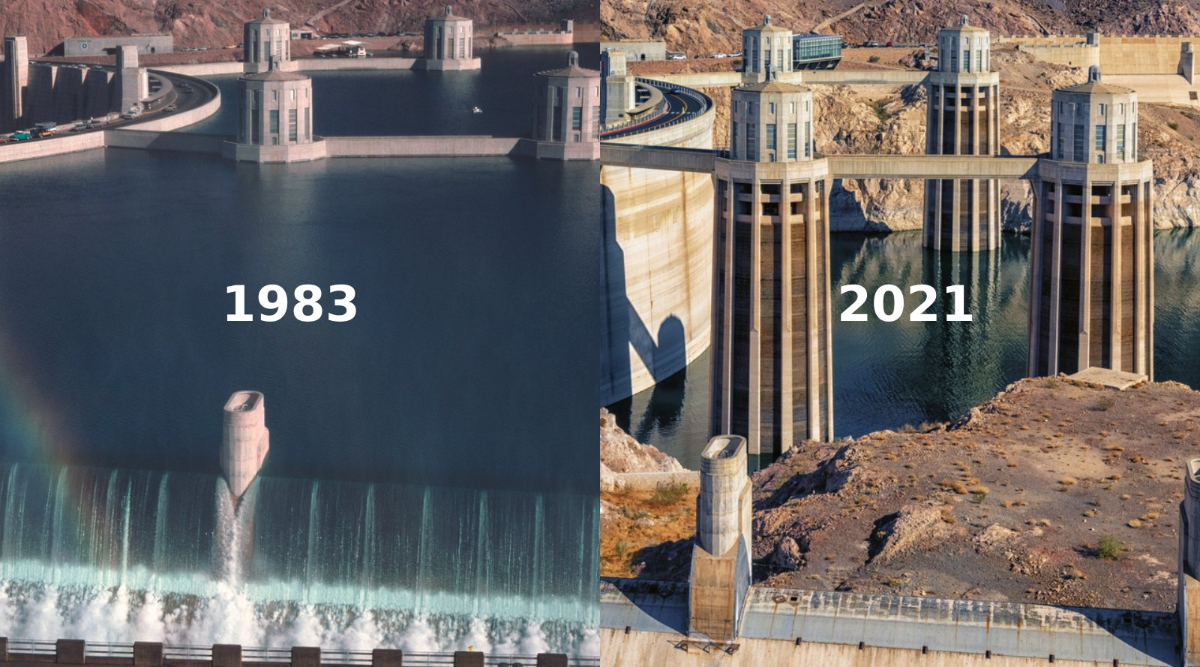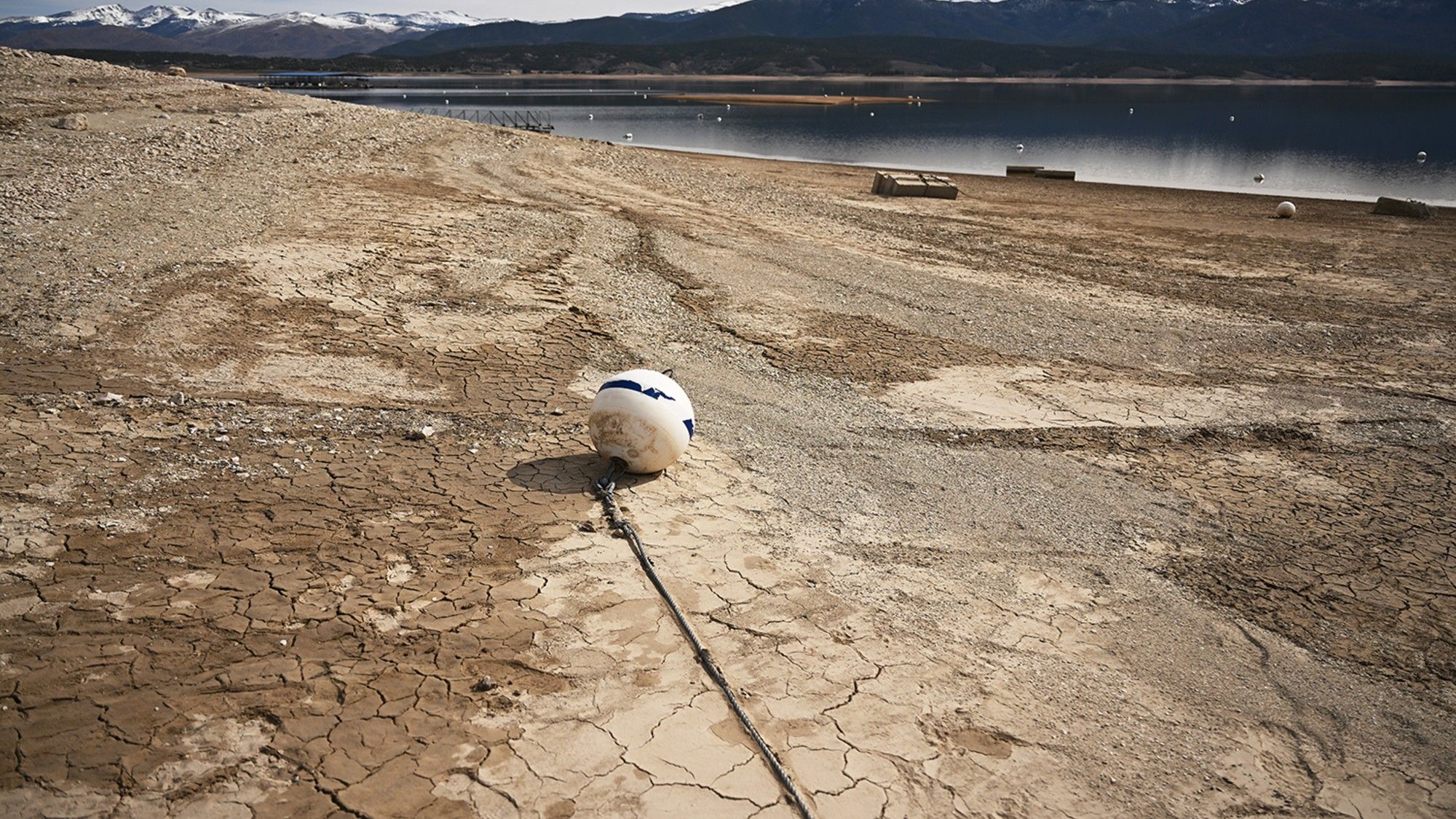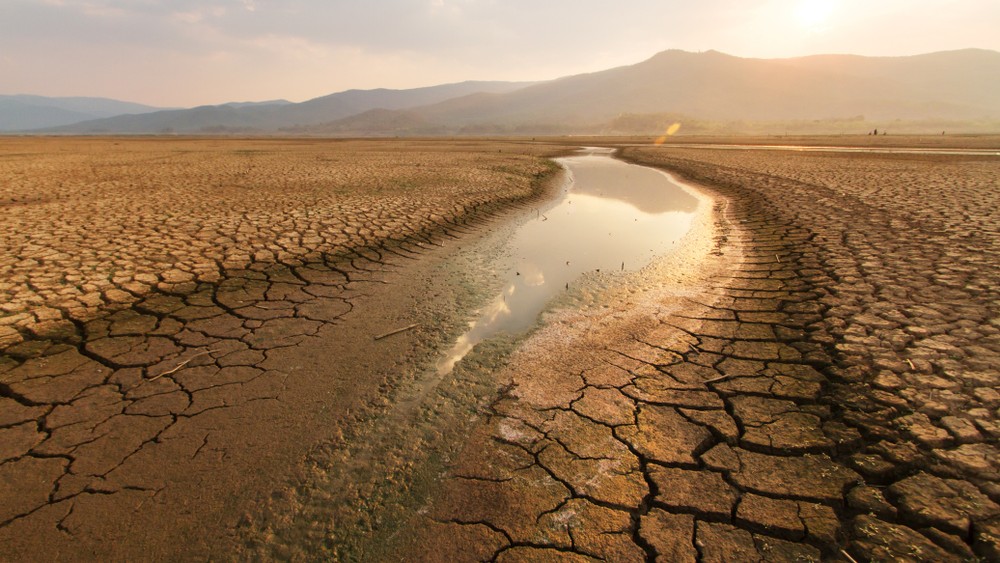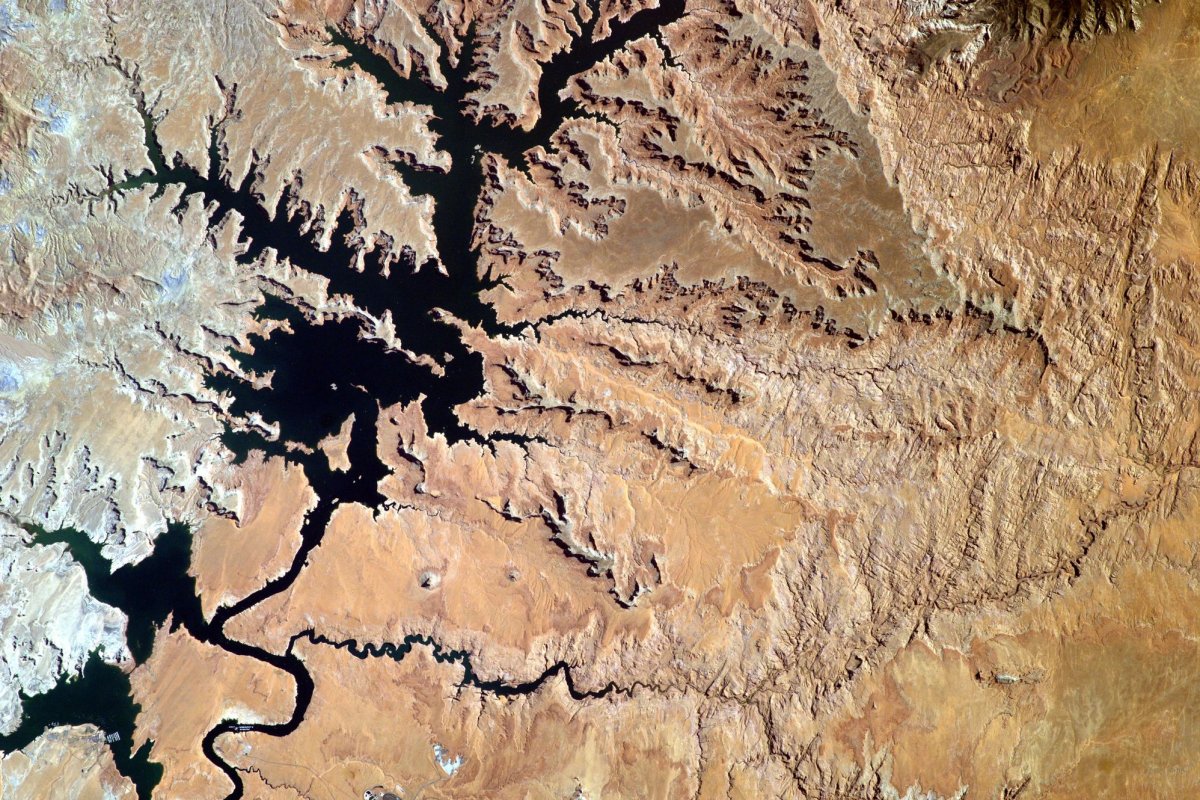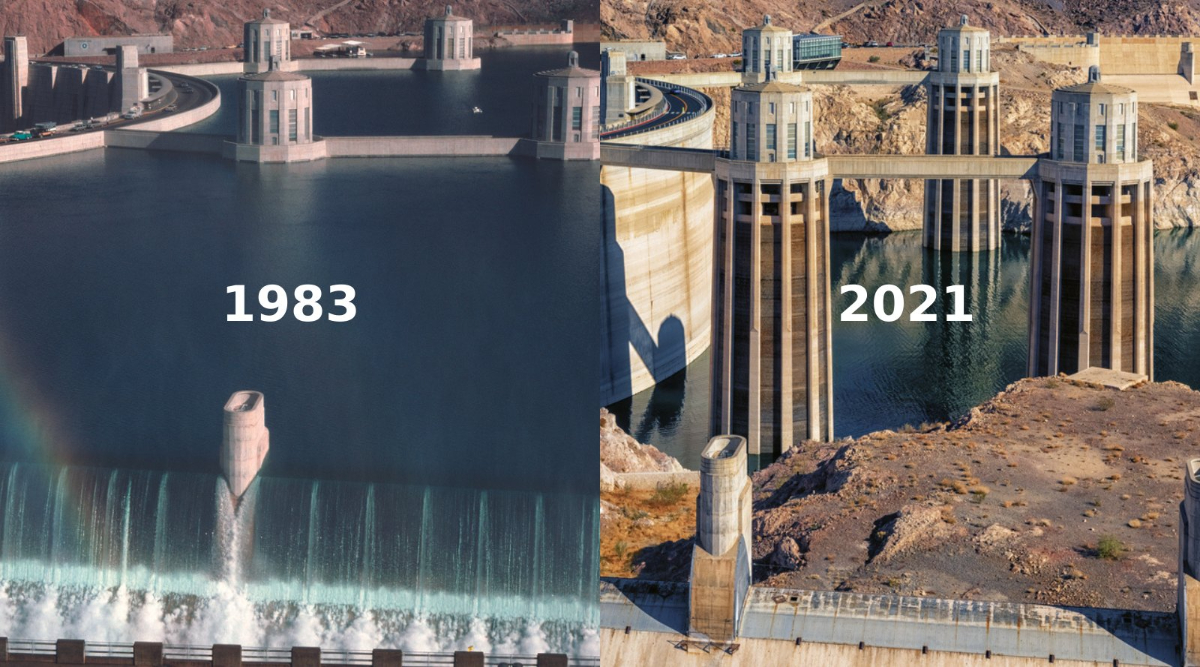
Seven US states rely on the water in the Colorado River. Those seven states are divided into upper basin states — Colorado, New Mexico, Utah, and Wyoming — and lower basin states — Arizona, Nevada, and California. In 1922, the American southwest was little more than an arid area with few cities. Nevada was a dusty backwater town with a population of just over 2,000. Los Angeles had a population of about half a million. Phoenix was home to about 30,000.
Today, there are 1.7 million people living in Phoenix with another 4 million in surrounding communities. Los Angeles is home to 4 million with another 8 million souls scattered throughout the surrounding area. And Las Vegas? It has grown to 700,000 people with another 2 million nearby. All of that growth in population has been made possible by one thing — access to fresh water, much of it from the Colorado River.
What is the significance of 1922? That is the year the upper basin states and the lower basin states entered into a legal agreement that awarded 7.5 million acre-feet of water from the Colorado River to each group — a total of 15 million acre-feet. That was far more than either needed at the time and the prospect that there would ever not be enough water in the river to meet the allotted quota was never considered. Today, the Colorado supplies only about 12 million acre-feet to all seven states. An acre-foot, in case you are unfamiliar with the term, is the amount of water needed to cover a football field to a depth of one foot. It is equal to 326,000 gallons or 1.2 million liters.