Support CleanTechnica's work through a Substack subscription or on Stripe.
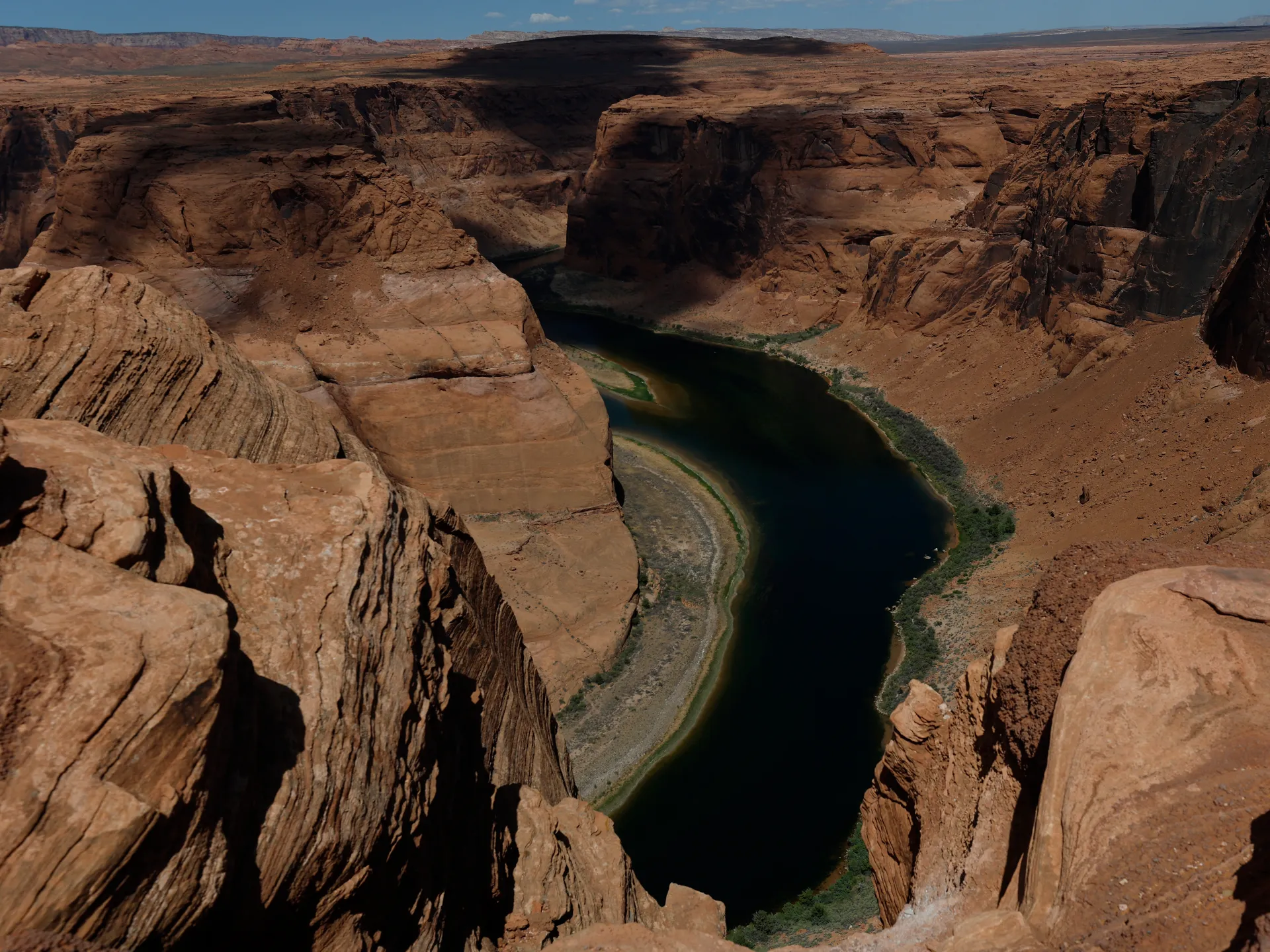
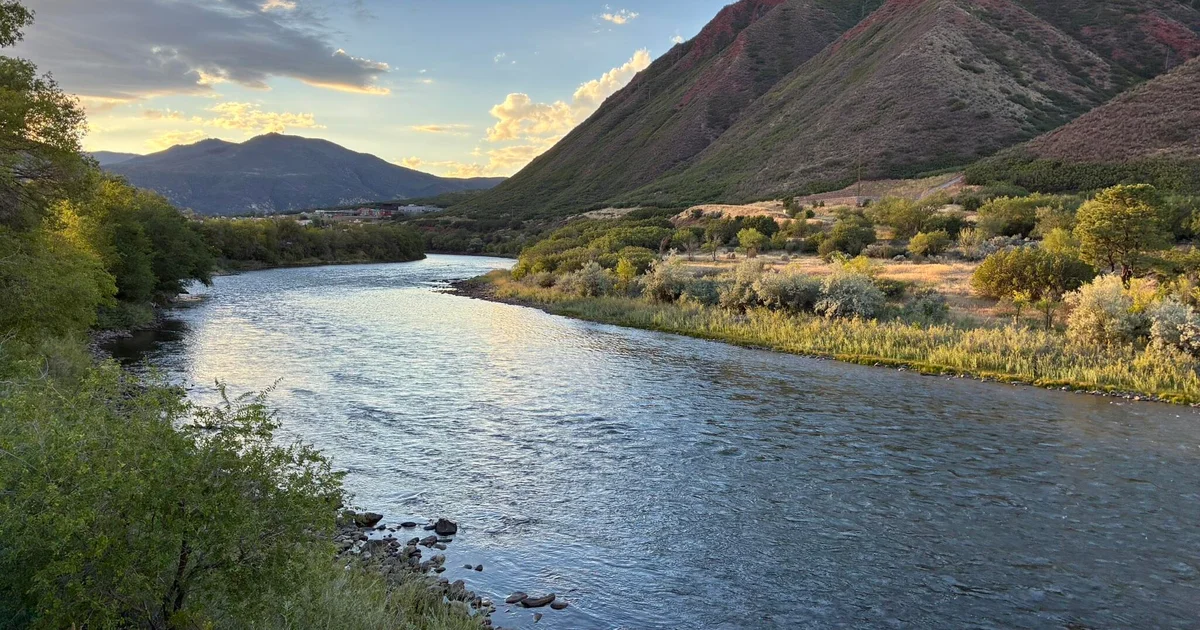
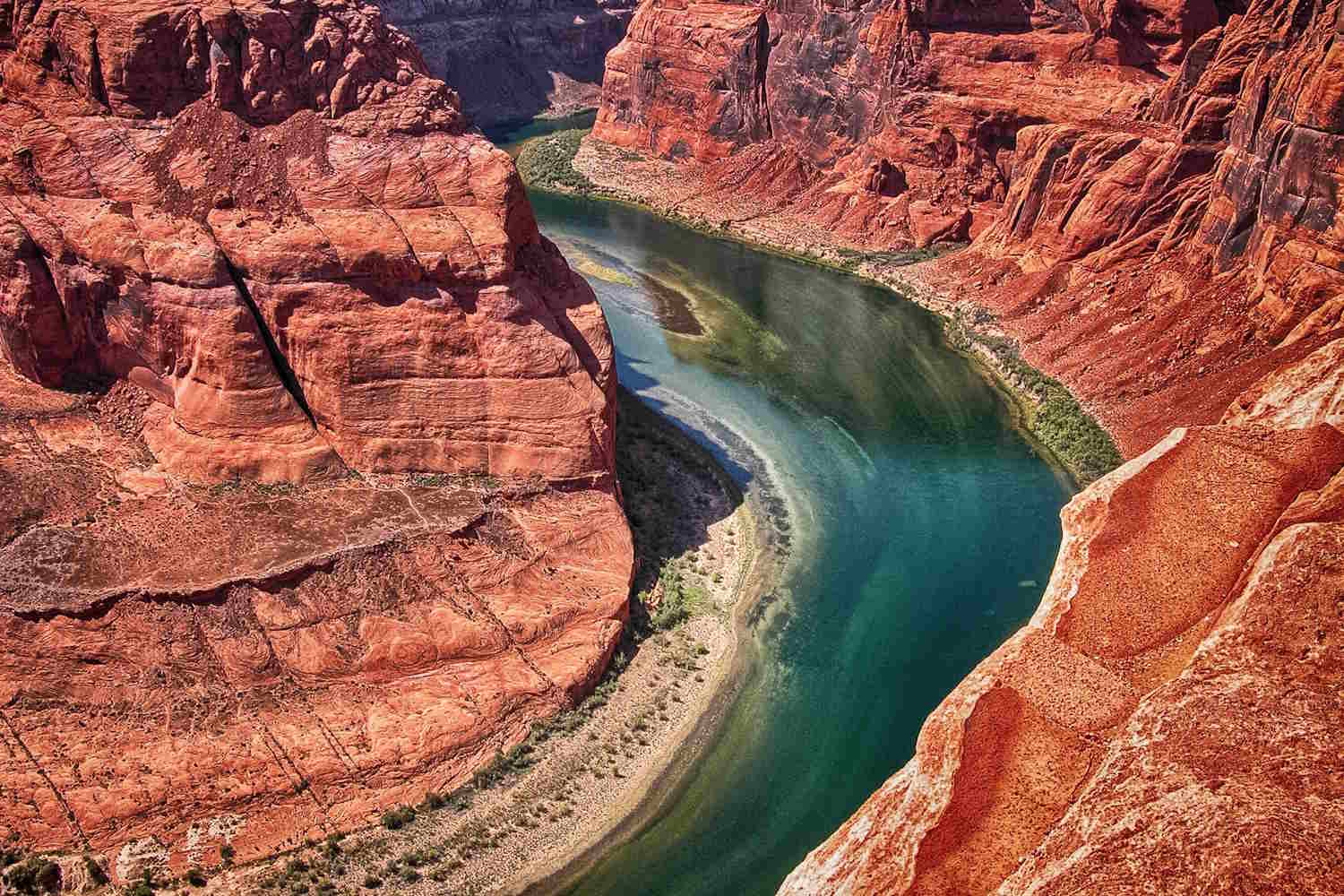
For years, the seven states that rely on water from the Colorado River have been negotiating how to meet the looming water emergency as the amount of water in the river continues to decline every year. To date, those states have been unable to agree, so the federal government plans to do the heavy lifting for them. California, Arizona, and Nevada won’t be happy with the new federal policy, which proposes to reduce the amount of water each state draws from the river by 40 percent.
Some will cheer the announcement. For decades, new communities have been springing up in what were once deserts as ageing baby boomers move to warmer climes. But that is only a part of the picture. Much of the fruits and vegetables in the US are grown in those states. Reducing the amount of water available for irrigation will necessarily impact the farming community severely.
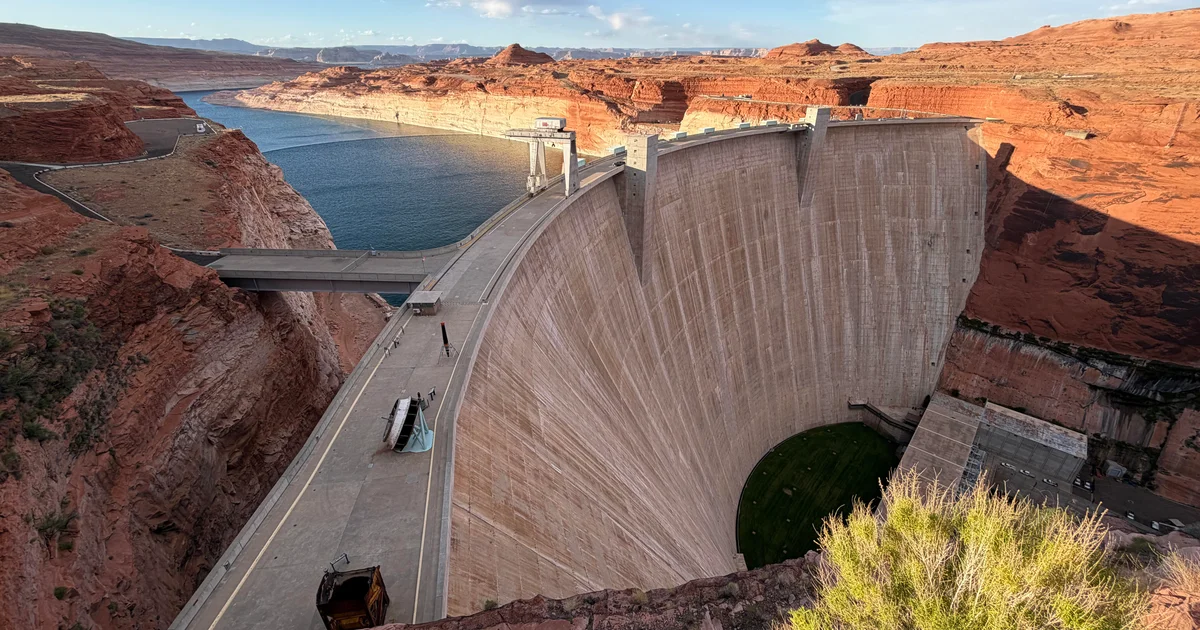
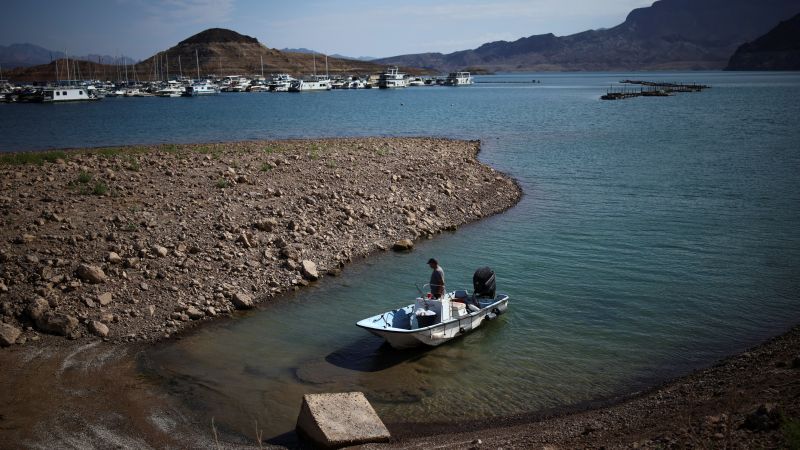
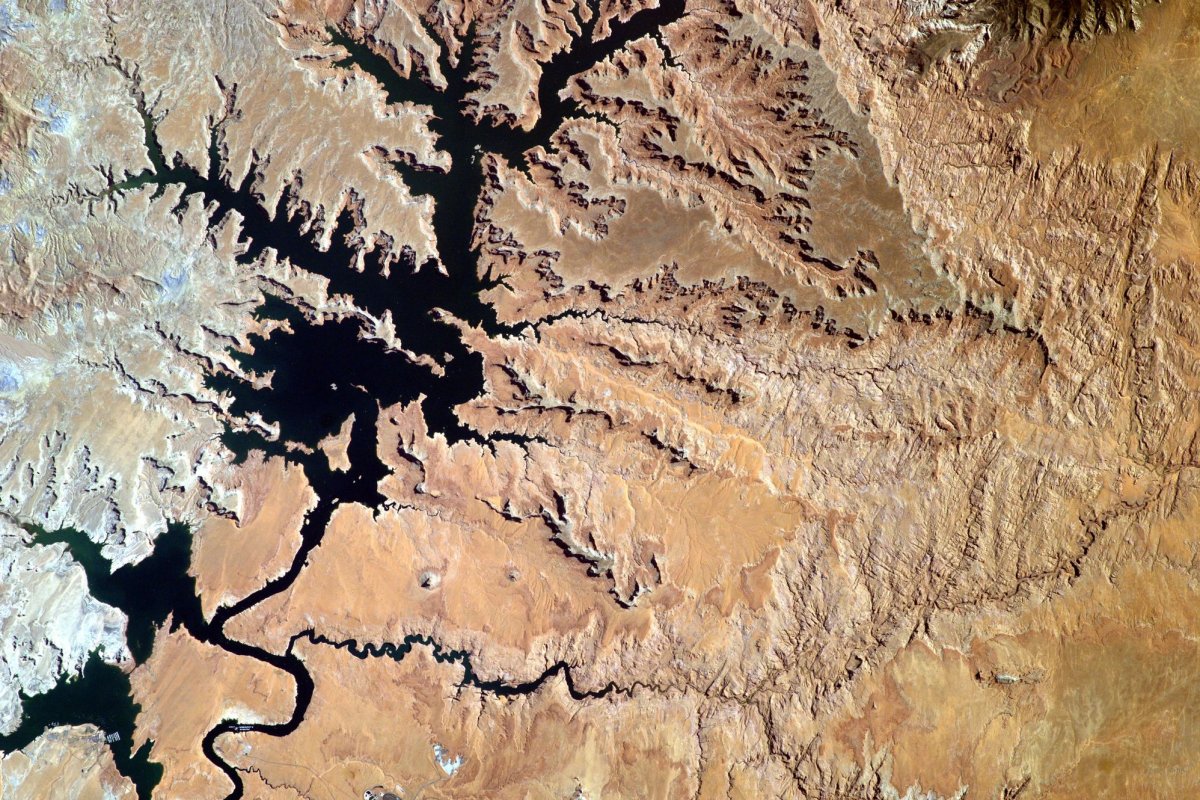
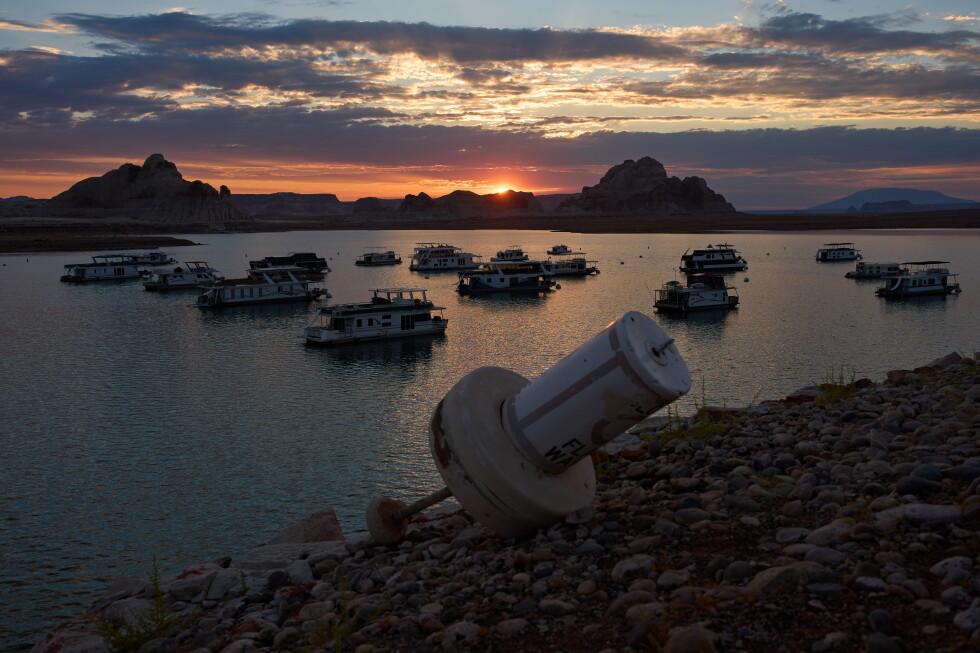
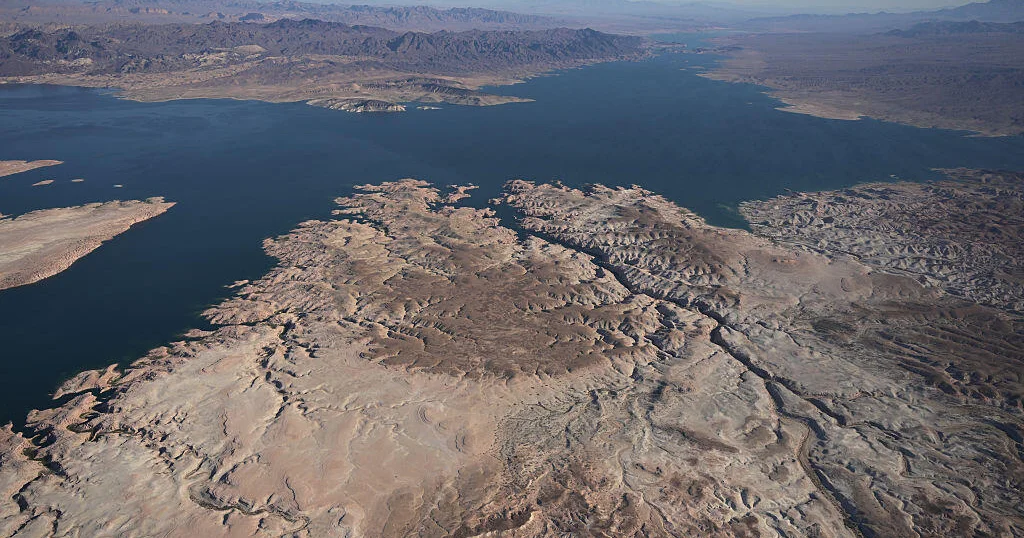
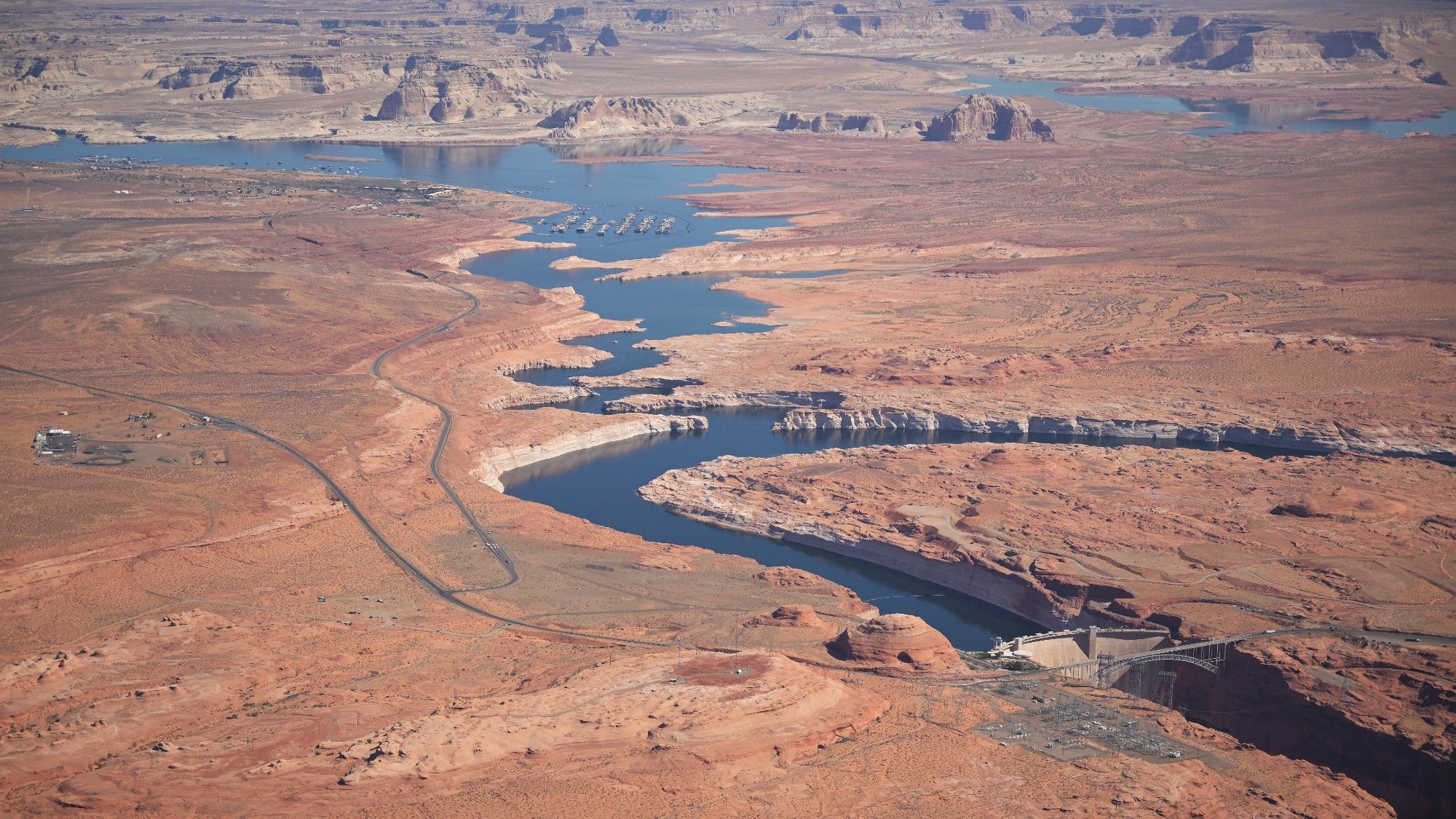
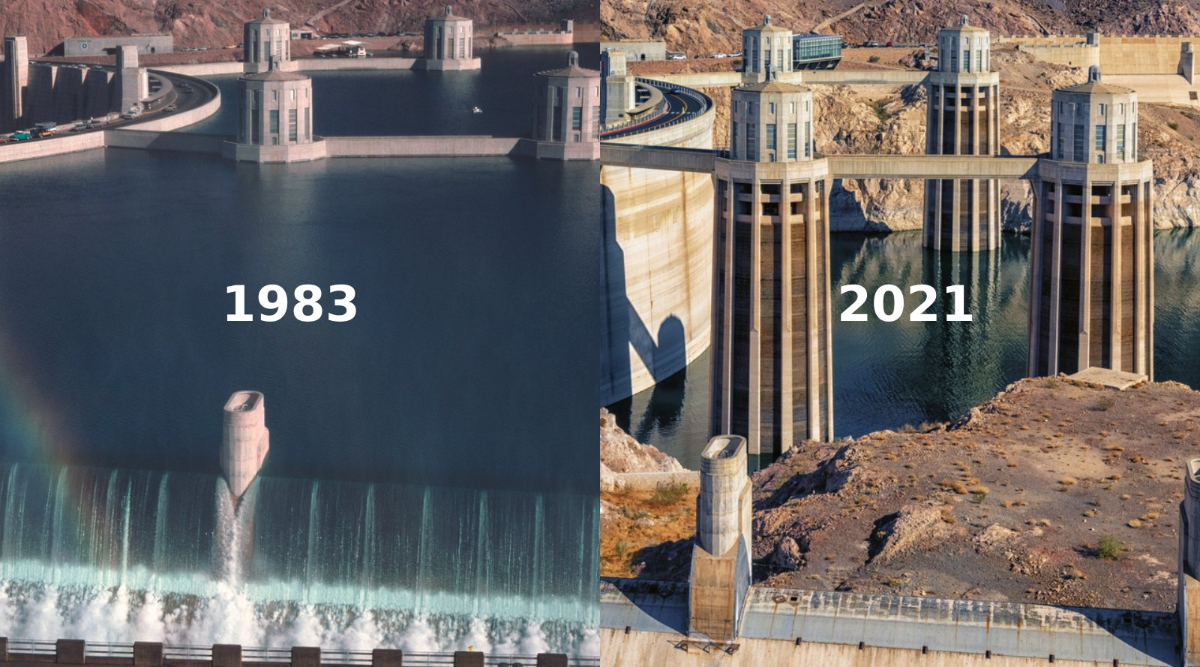
The largest reservoirs fed by the Colorado River — Lake Mead and Lake Powell — are severely depleted and their levels continue to drop. News of the federal government’s preliminary plan surfaced Wednesday during a meeting in Phoenix. Federal officials informed state water managers they are developing a “10-year framework,” with specific rules requiring water reductions that would be reassessed every two years, according to WaterEducation.org.