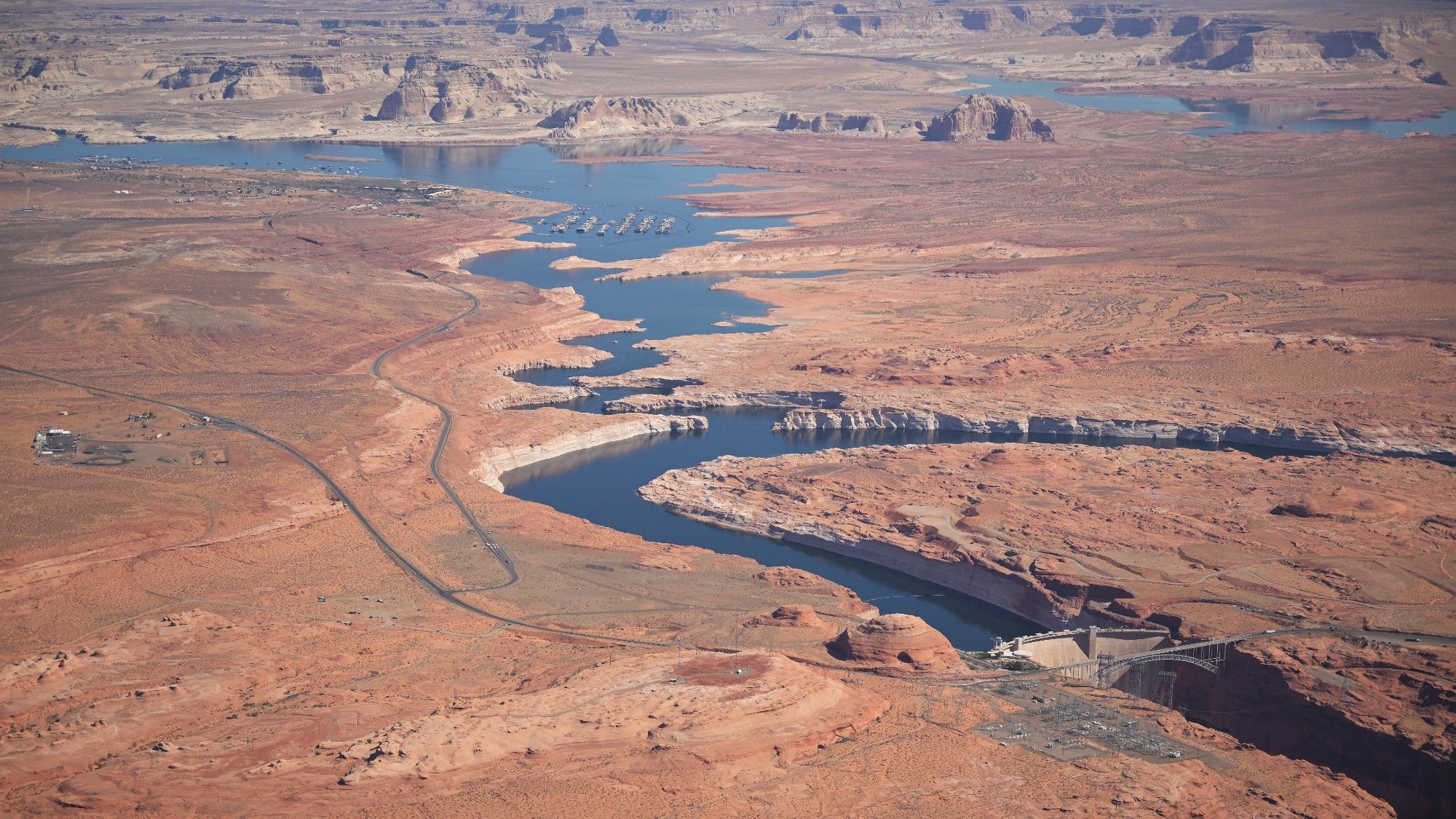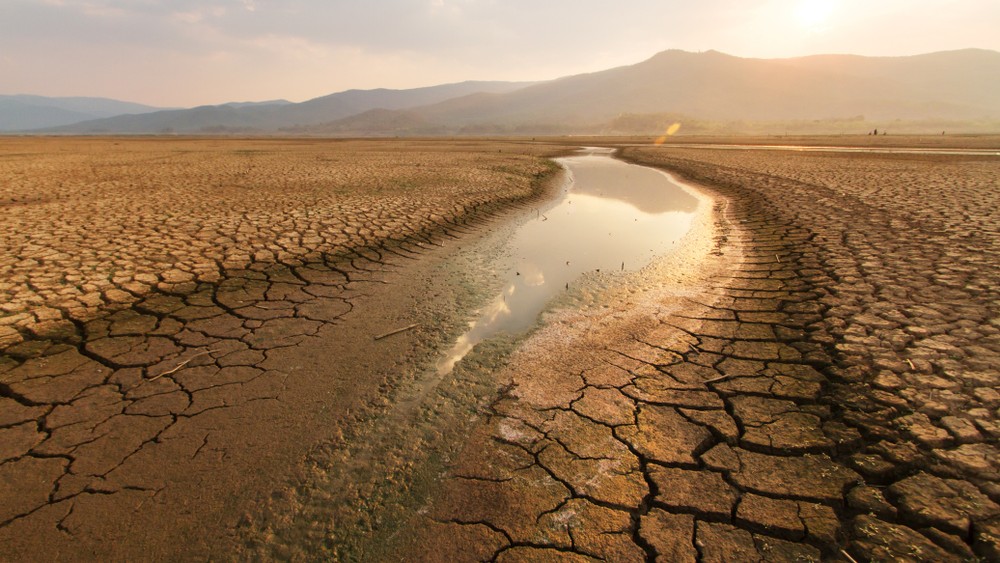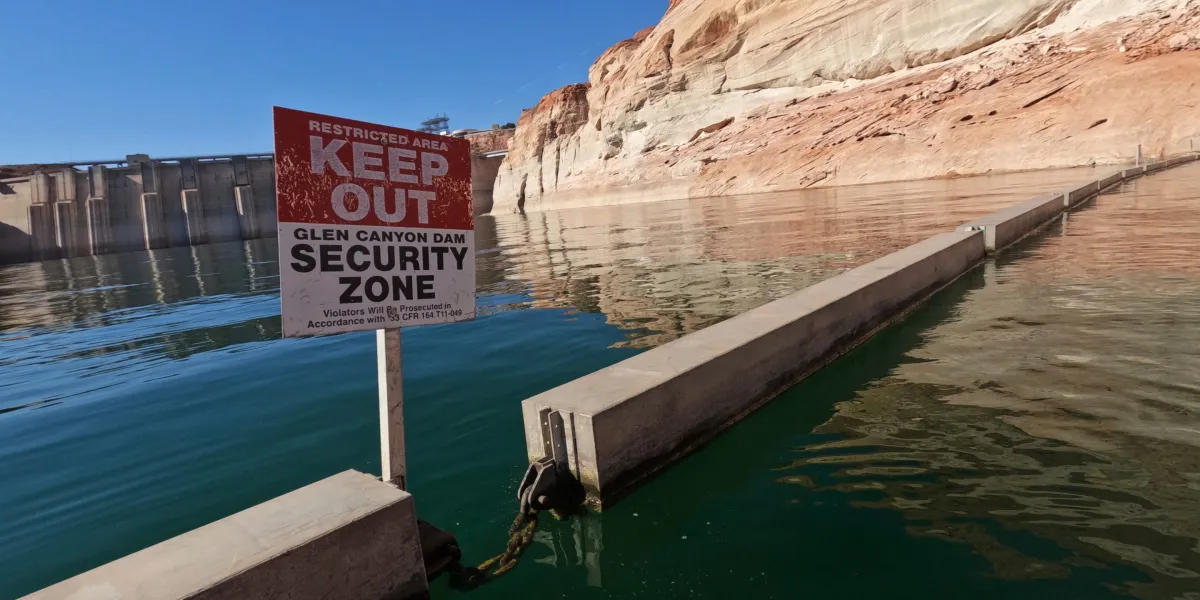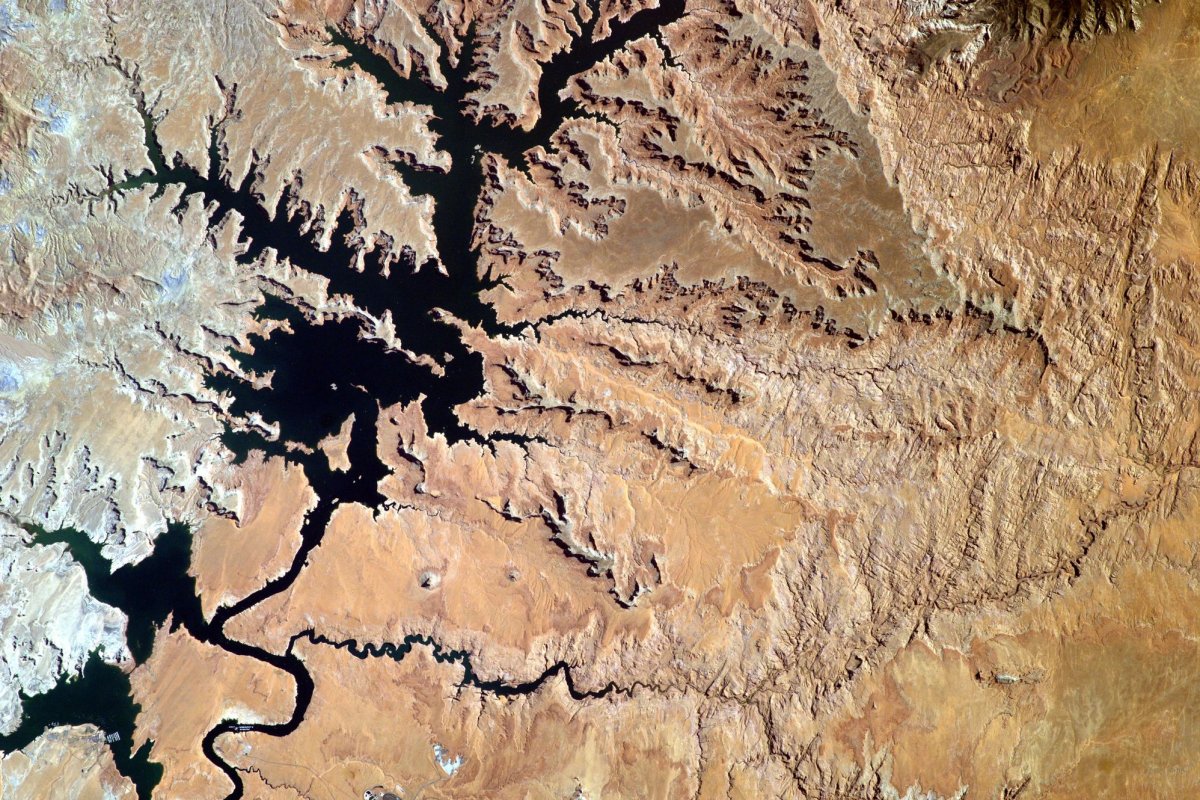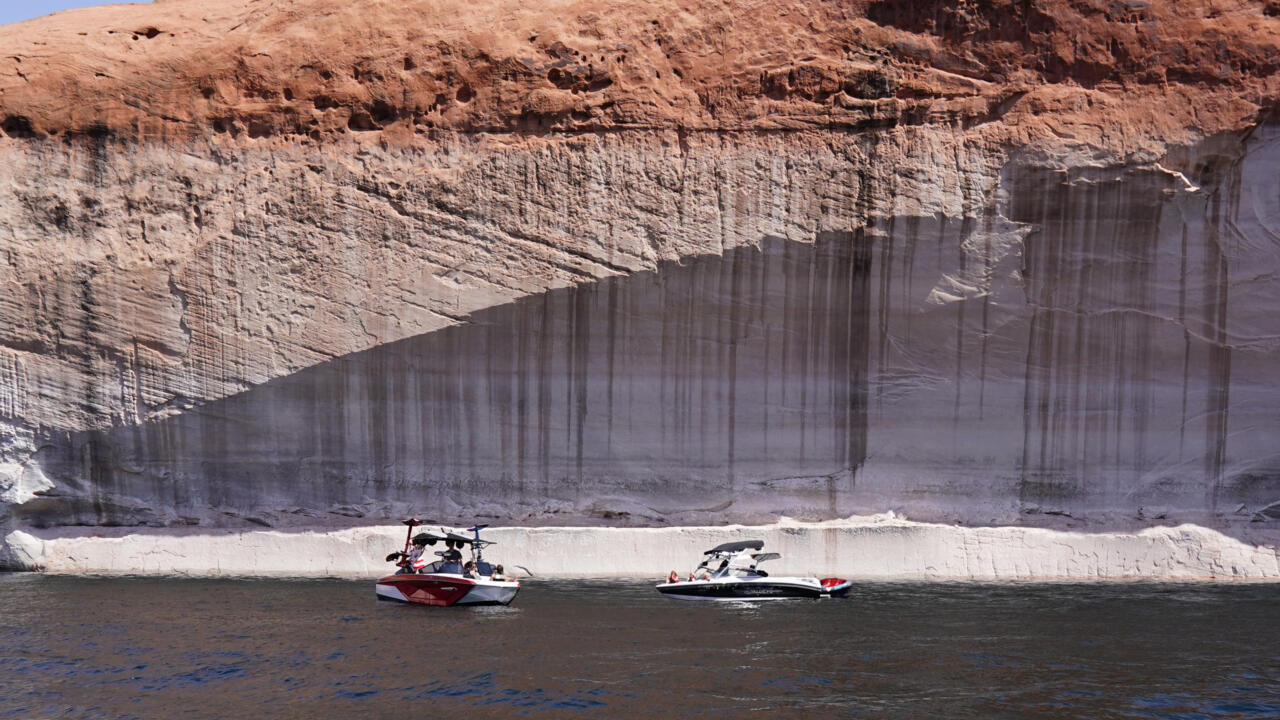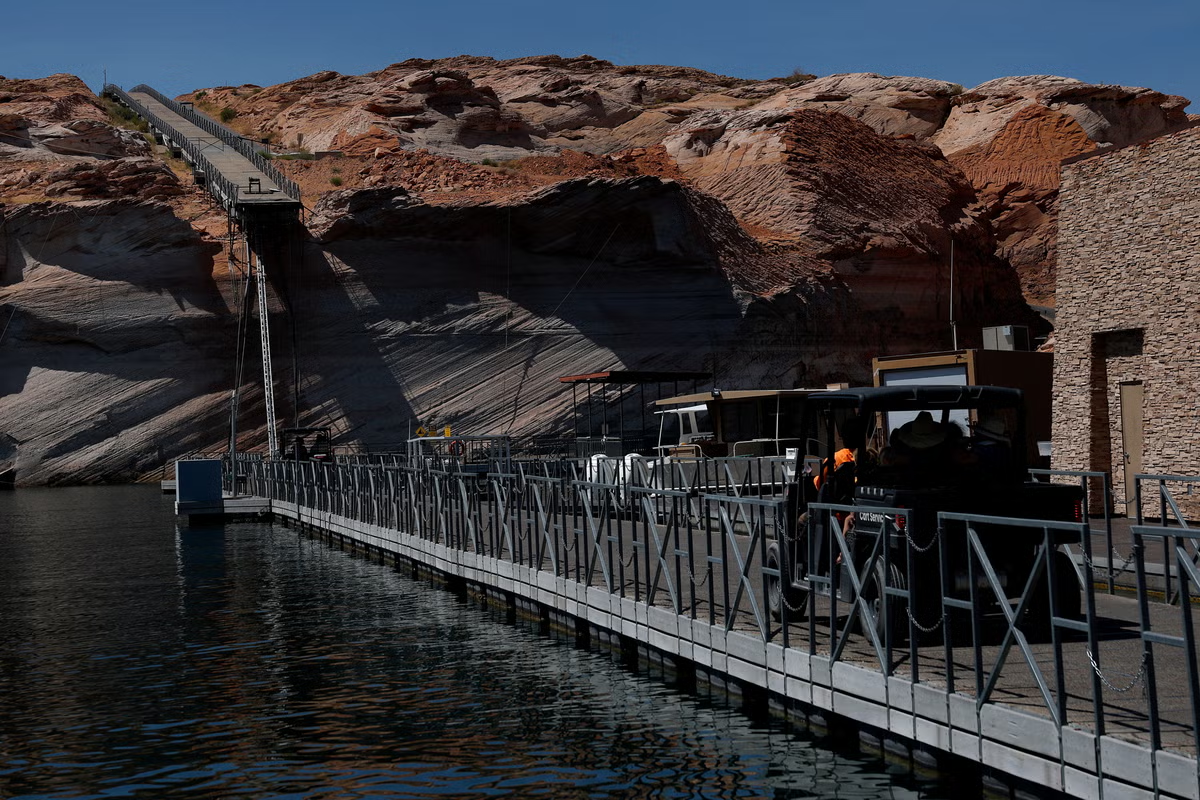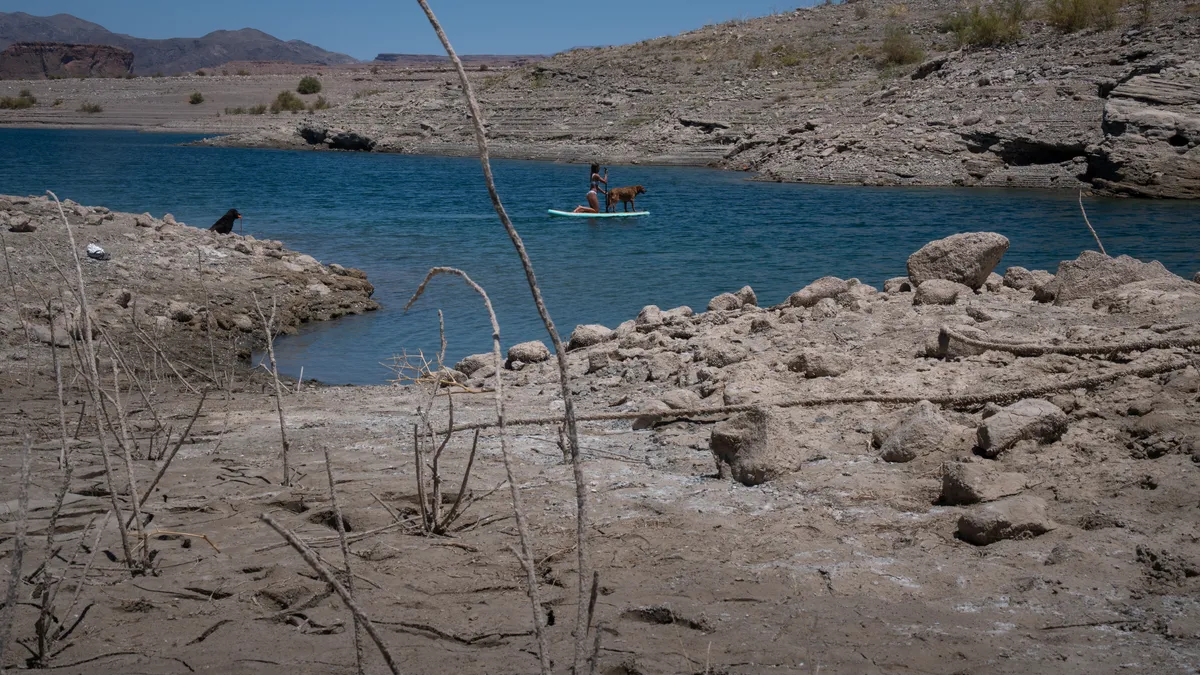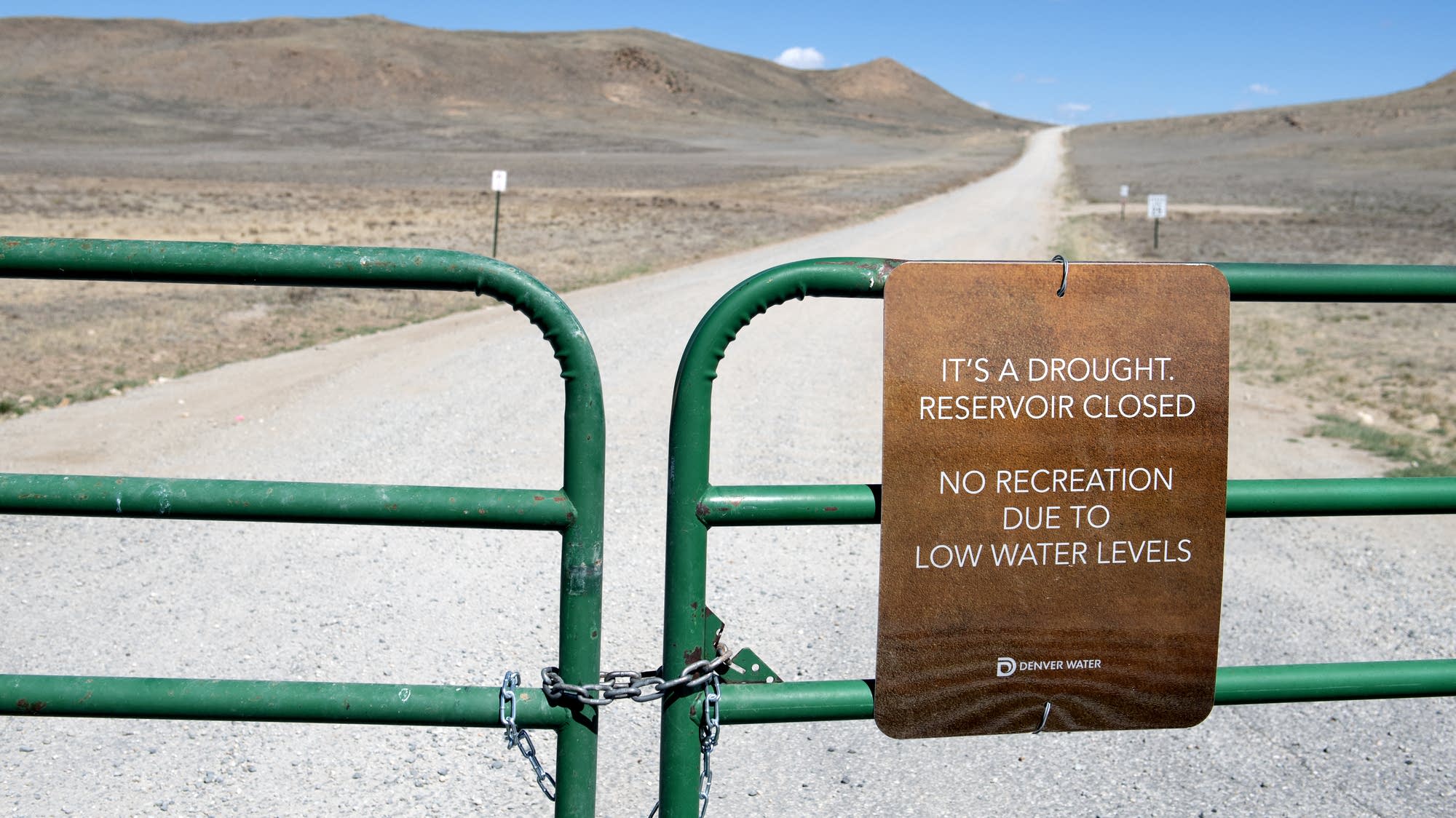
New U.S. Department of the Interior data confirmed what many already feared: The Colorado River system, which pumps out water to 40 million people in seven western states, is looking grim. It was already depleted from drought, and a dry winter out West left little snow to replenish it. There’s now concern over hydropower and the structural integrity of Hoover and Glen Canyon Dams, and keeping taps flowing in cities like Phoenix and Tucson. Kyle Roerink, executive director of water conservation group Great Basin Water Network, just finished looking through the latest federal report.“This is the scariest thing I have ever seen in terms of Colorado River projections,” he said. “This is unprecedented — I can’t stress that enough.”And if the West has another mild winter? “Draconian steps will have to be taken to further reduce water consumption,” said Jack Schmidt, who heads up Colorado River research at Utah State.That could mean less water for golf courses in Phoenix and more people in Vegas ticketed for overwatering their lawns. But Schmidt said the bulk of cutbacks has to come from agriculture. “That keeps it from being a catastrophe.”Nearly three-quarters of the water goes to irrigation. “You hate to tell farmers what to grow and what not to grow; they call this ‘crop shaming,’ in particular with respect to alfalfa,” said Brad Udall, a water and climate scientist with Colorado State. “Logically, one way it works is an infusion of dollars.”A coalition of conservation groups, tribes, and other stakeholders is asking Congress for $2 billion to take measures like buying out farmers so they send more water downstream.
West prepares for extreme measures to relieve pressure on Colorado River
Nearly three-quarters of the water in the Colorado River system is used for irrigation.
267 words~1 min read