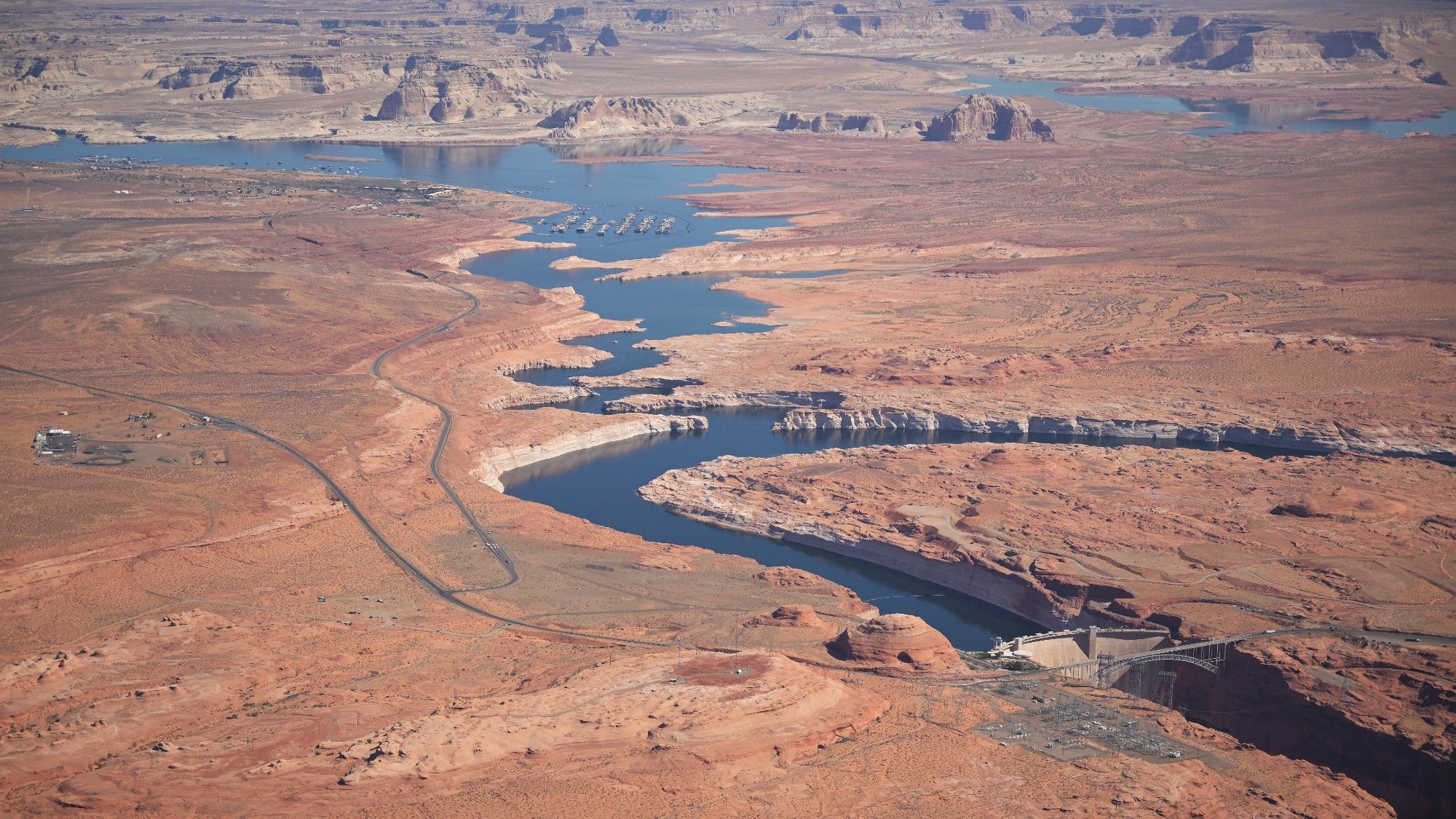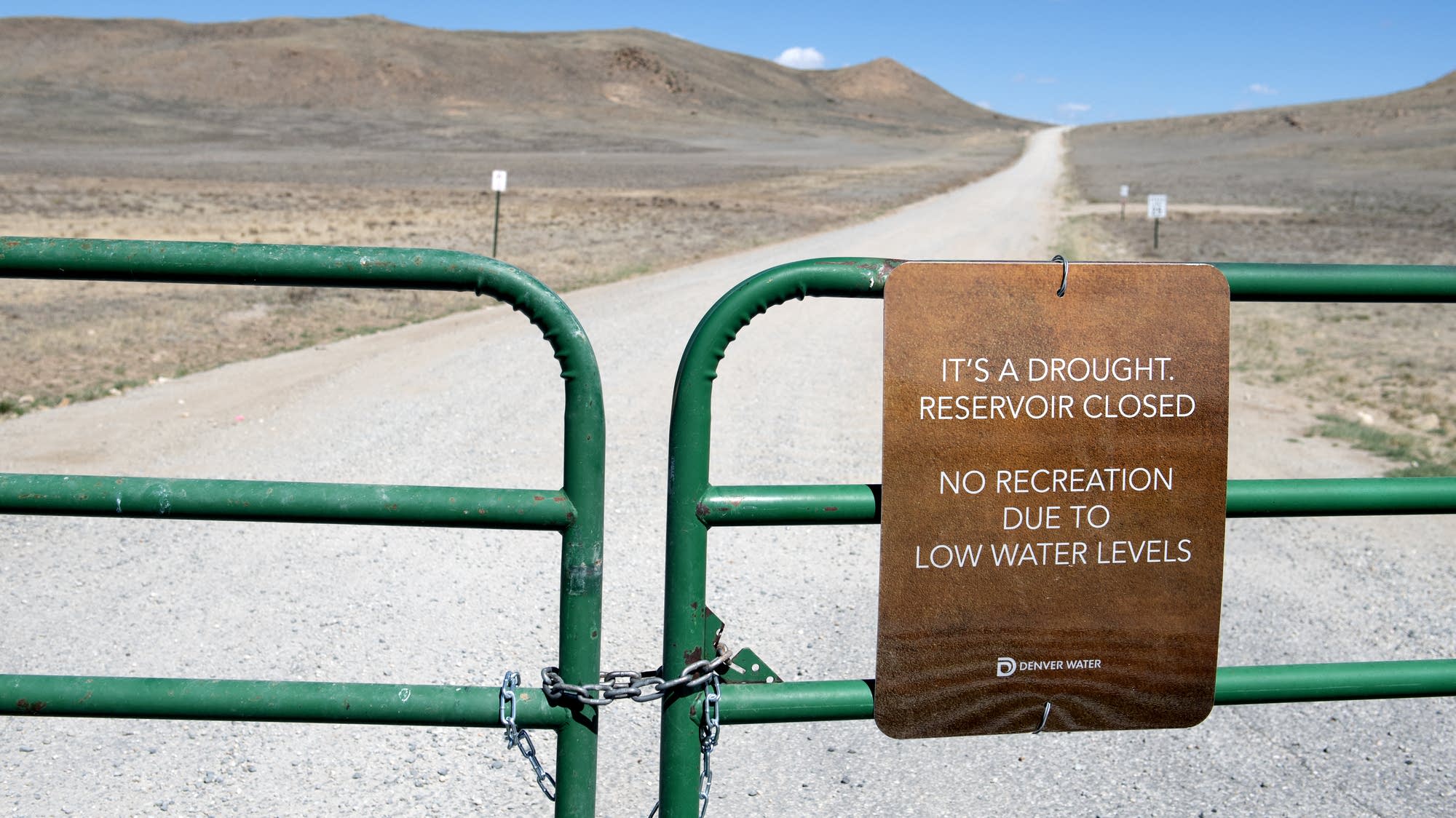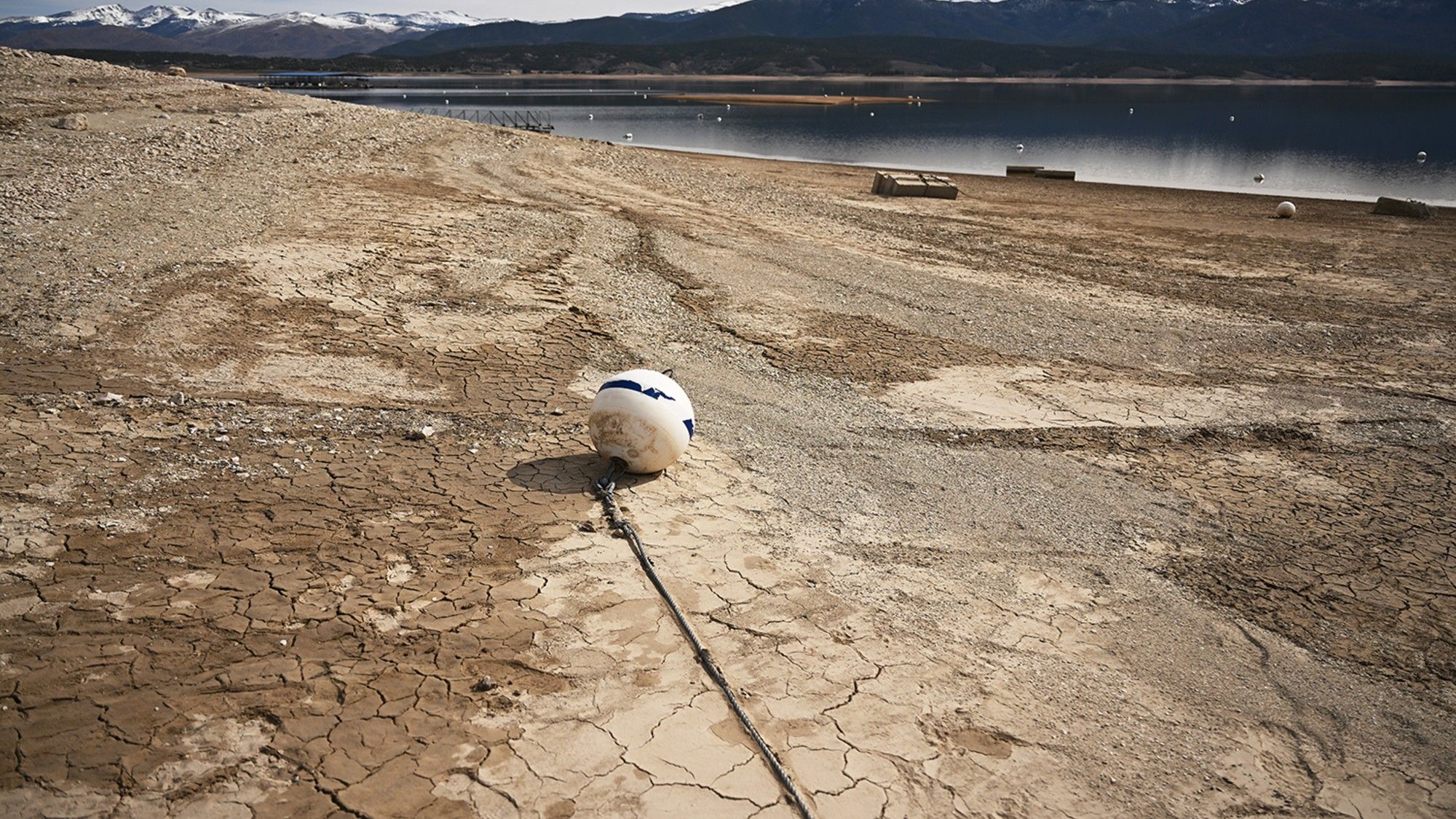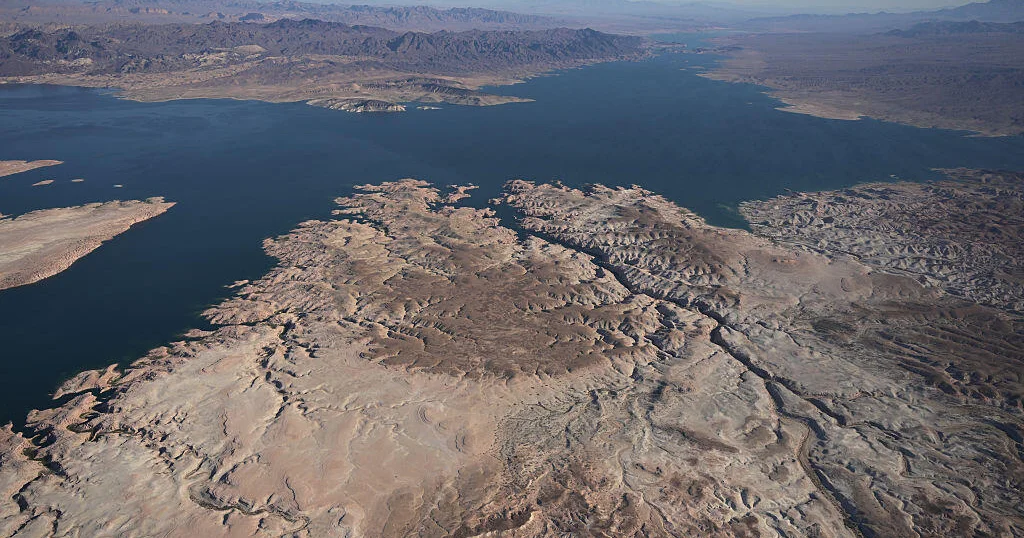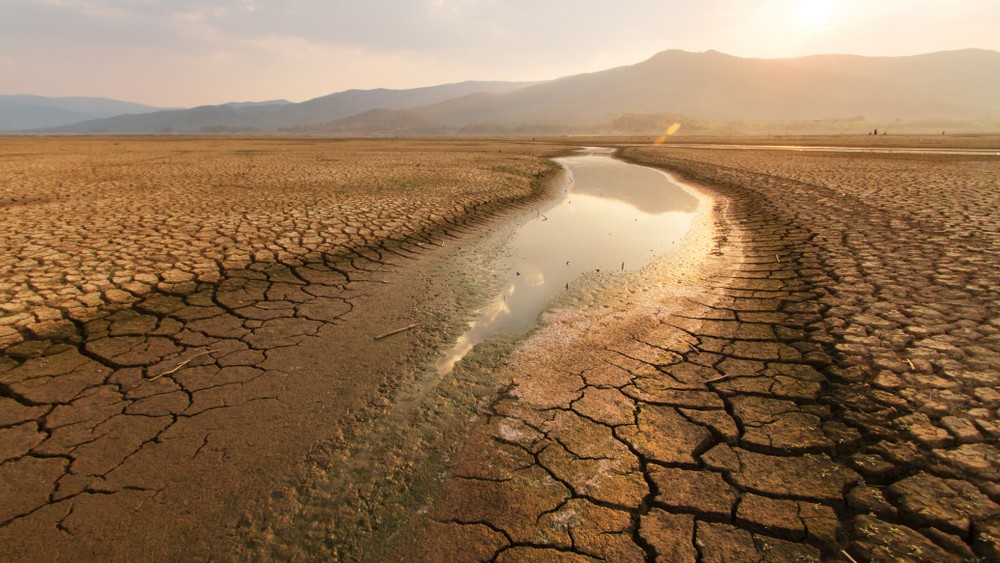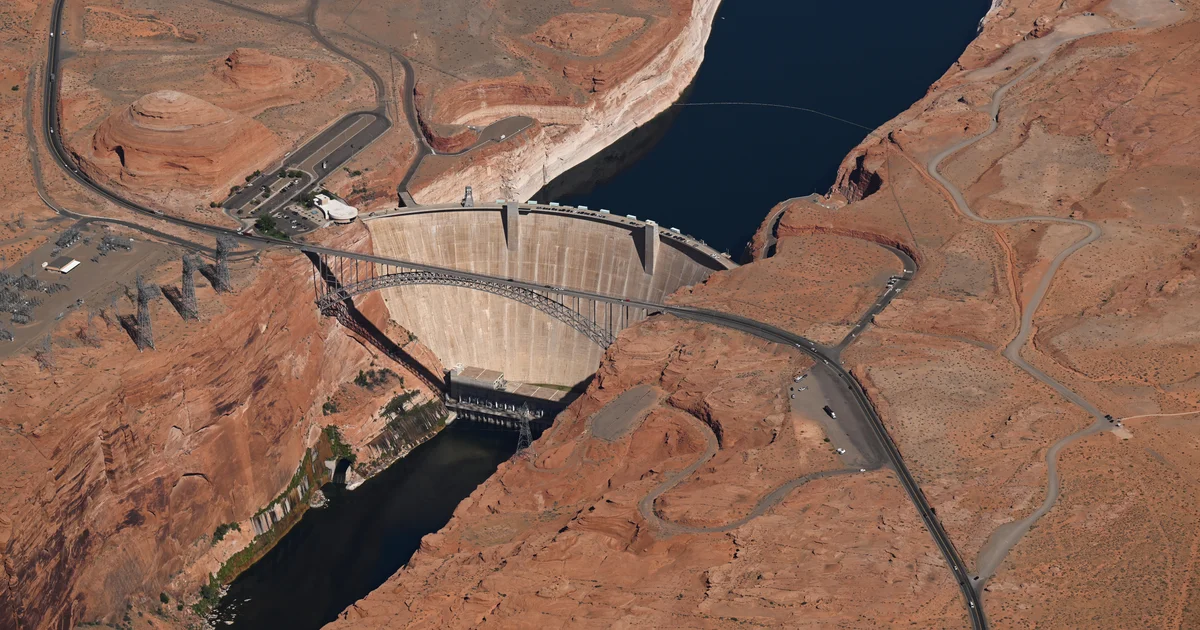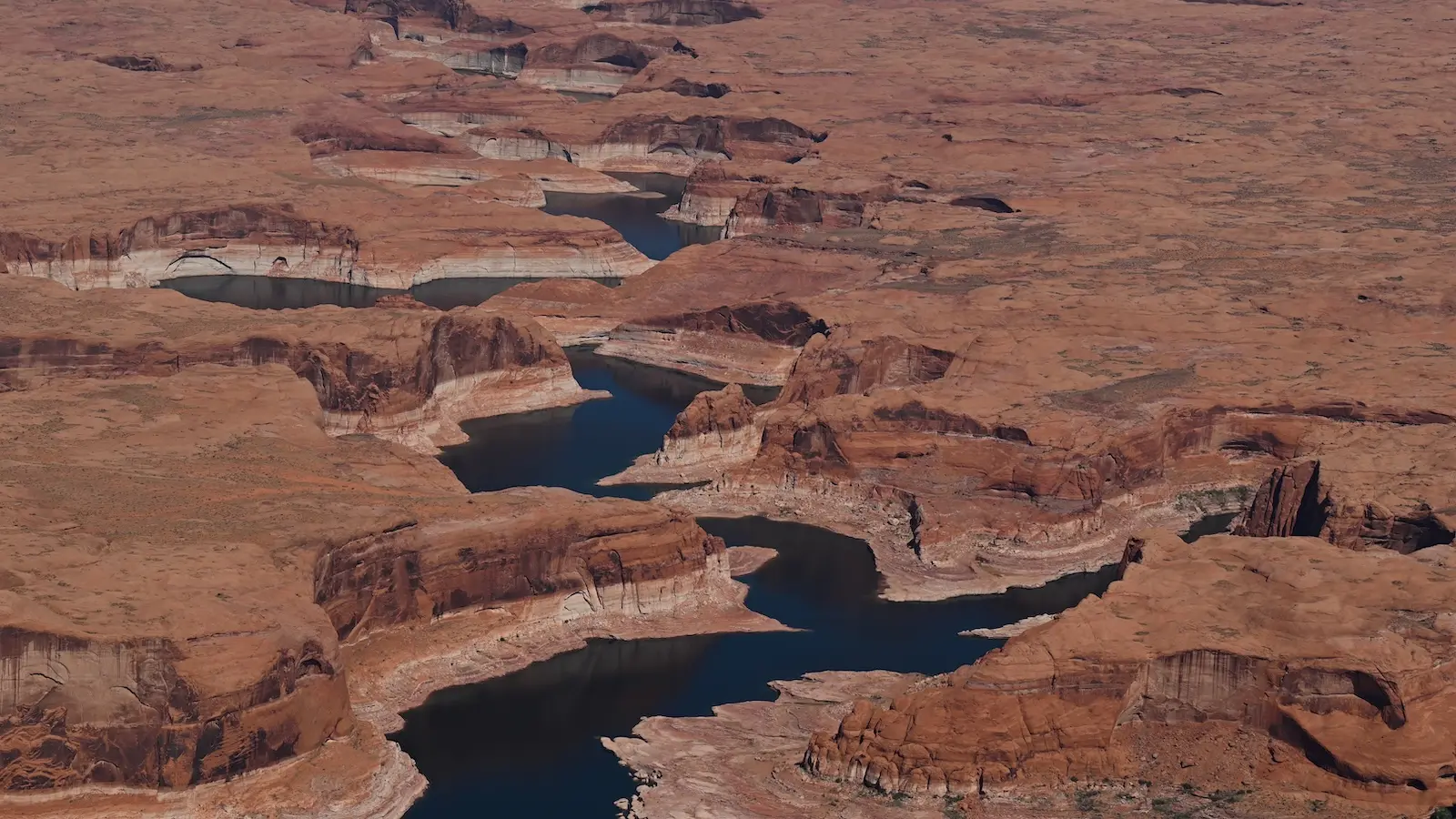
The crisis on the Colorado River is simple: The seven Western states that border the essential waterway use more water than it contains. Chronic overuse has drained its two largest reservoirs, Lake Powell and Lake Mead, and a two-decade drought cycle has pushed them to the point of collapse.
The dream solution to this crisis is an agreement among all involved to use less water. Such a deal would decide who must reduce consumption, which means asking which cities would ban irrigating lawns and washing cars and which farmers would rip up their fields.
This has proven impossible. The states have been trying to work this out since the last dry spell, in 2022, but talks have ended in frustration and name-calling. The main sticking point is between the “Upper Basin” states led by Colorado and Utah (along with Wyoming and New Mexico) and the “Lower Basin” states of Arizona, California, and Nevada. Each side believes the other has a legal and a moral responsibility to cut usage during dry years. The stalemate means the Trump administration must design a schedule of restrictions ahead of a crucial deadline in September. So far, Interior Secretary Doug Burgum has balked at resolving the quarrel.