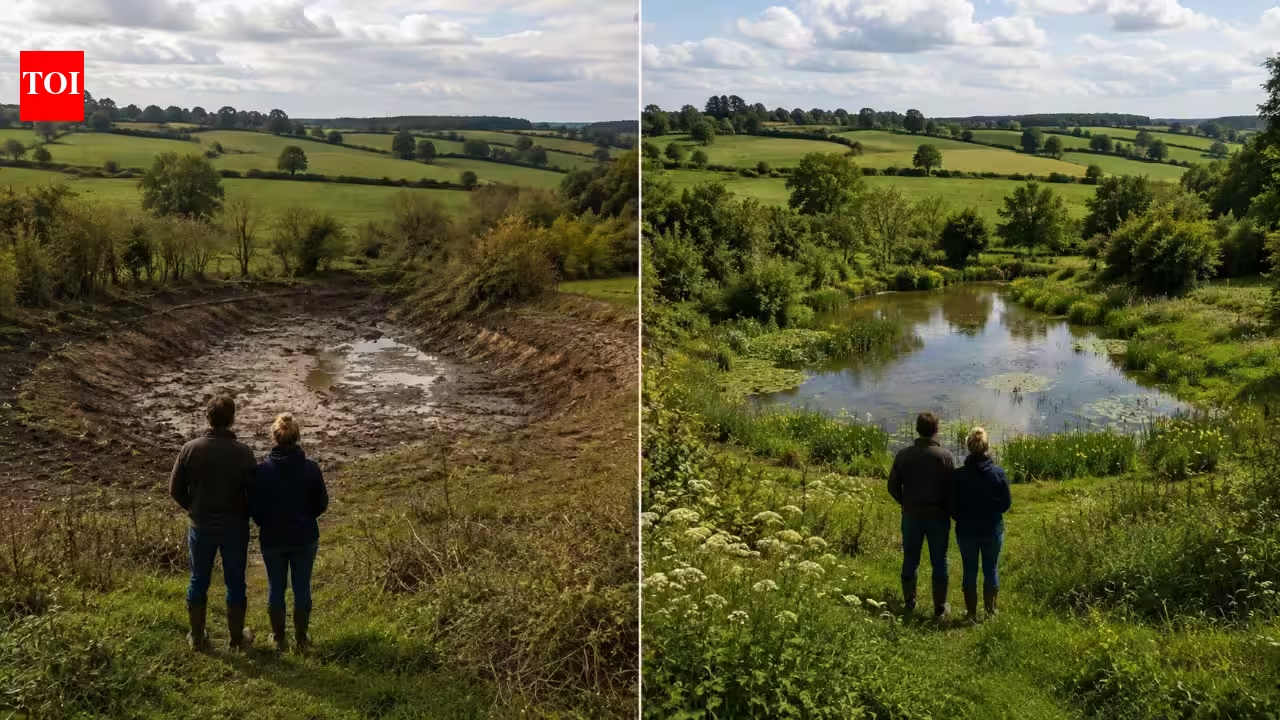
Research led by Professor Carl Sayer at UCL Geography has found that abandoned farmland can recover naturally and develop into a diverse wildflower meadow, raising questions about some conventional methods used in habitat restoration.
Published in Restoration Ecology, the research followed changes in plant life over 11 years (2011-2022) in a two-hectare field in North Norfolk. Farming at the site ended after its final crop in 2005. Aside from a traditional annual hay cut, the field was largely allowed to recover without intervention.
Farmland Transforms Into a Wildflower Meadow
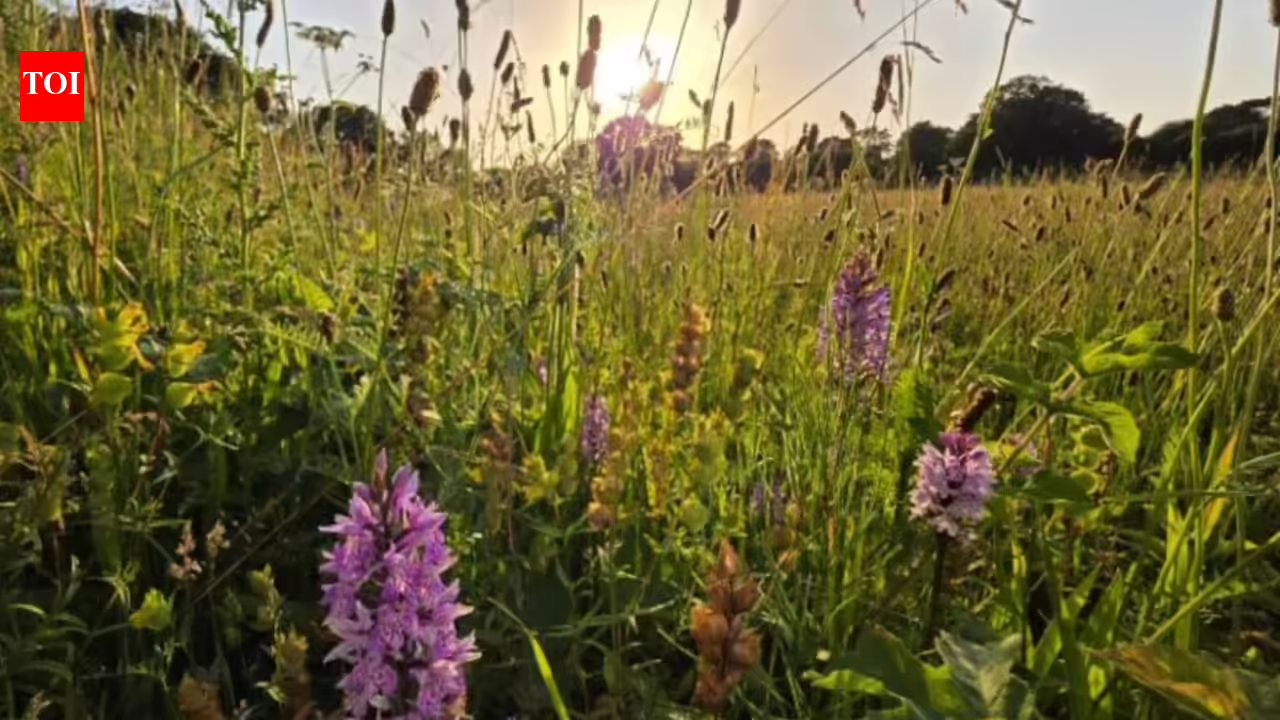
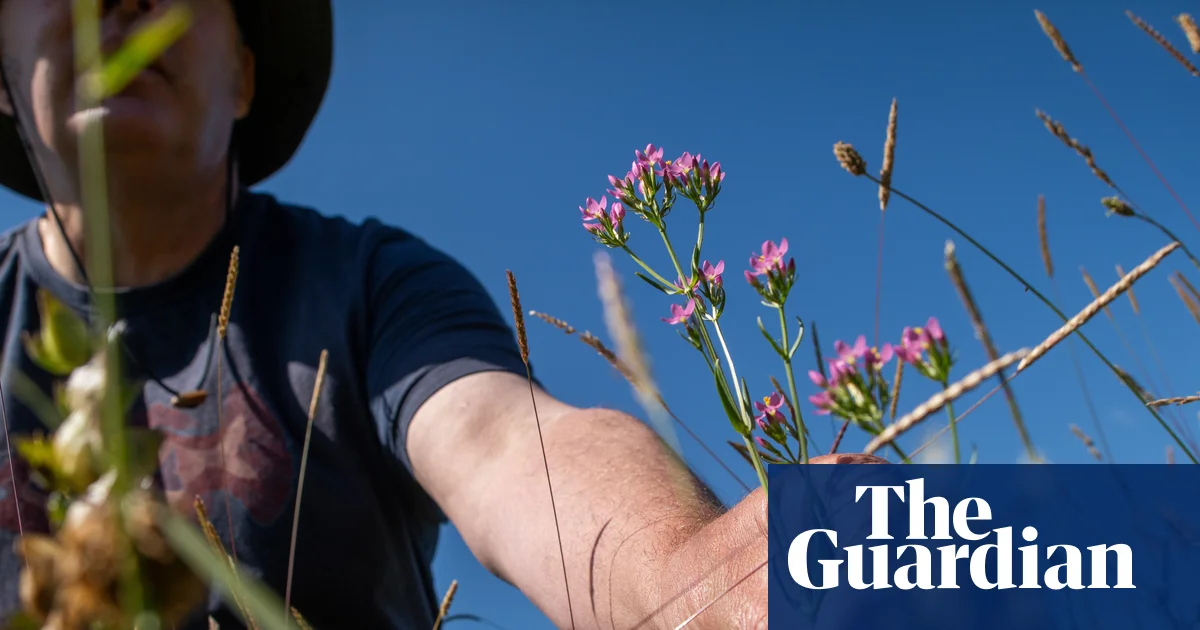
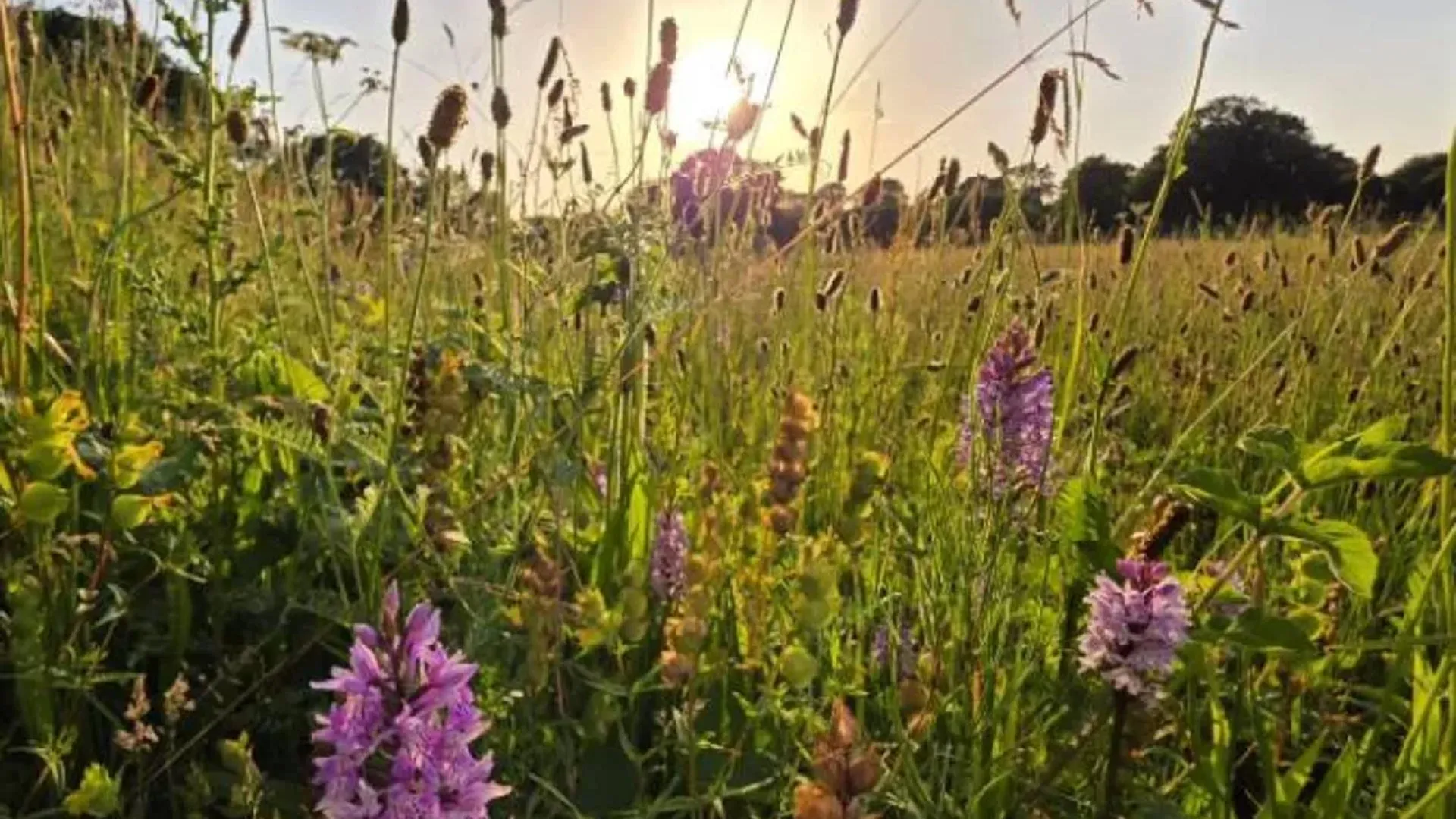
Within 10-15 years, the former arable field had developed into a species-rich wildflower meadow. The number and variety of plants increased over time, including locally rare species such as southern marsh orchid, greater tussock-sedge, yellow rattle and common centaury.
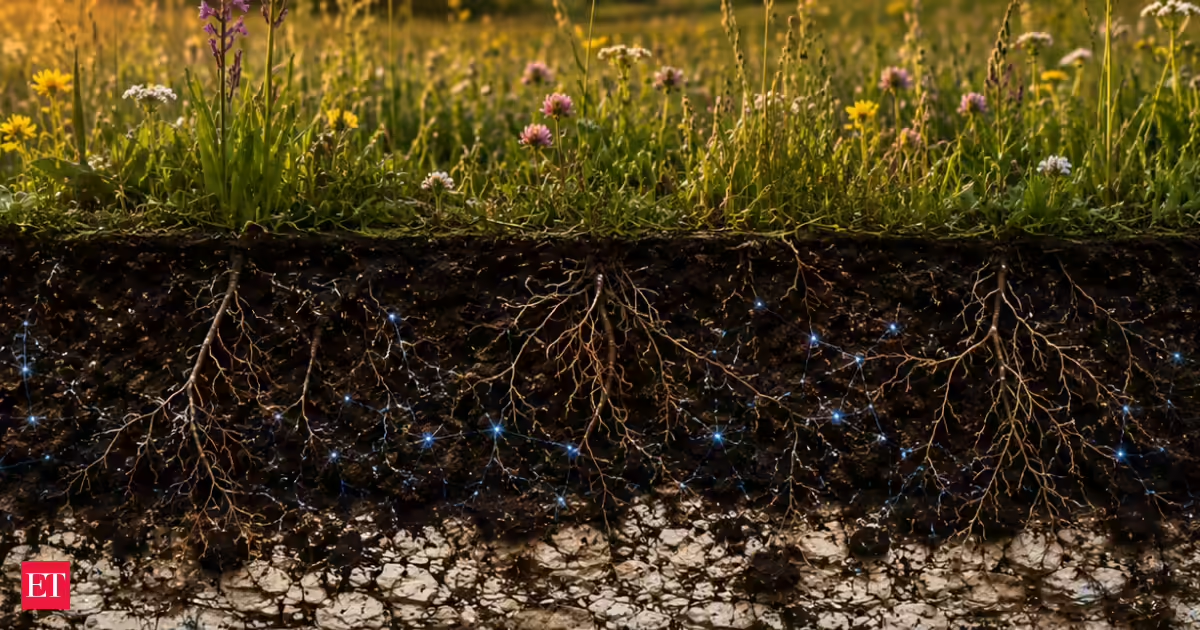
The results call into question the common assumption that restoring species-rich grassland necessarily requires commercial seed mixes or other expensive measures. Instead, the researchers suggest that allowing natural ecological processes to unfold can restore biodiversity while also preserving the genetic diversity of plants already adapted to the local area.