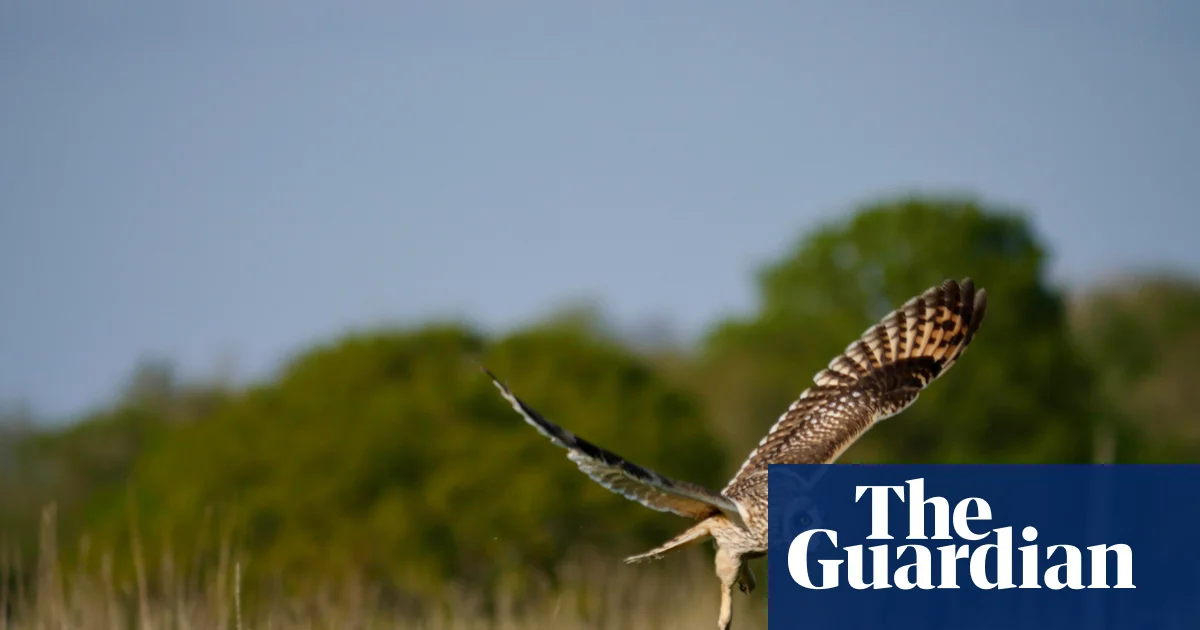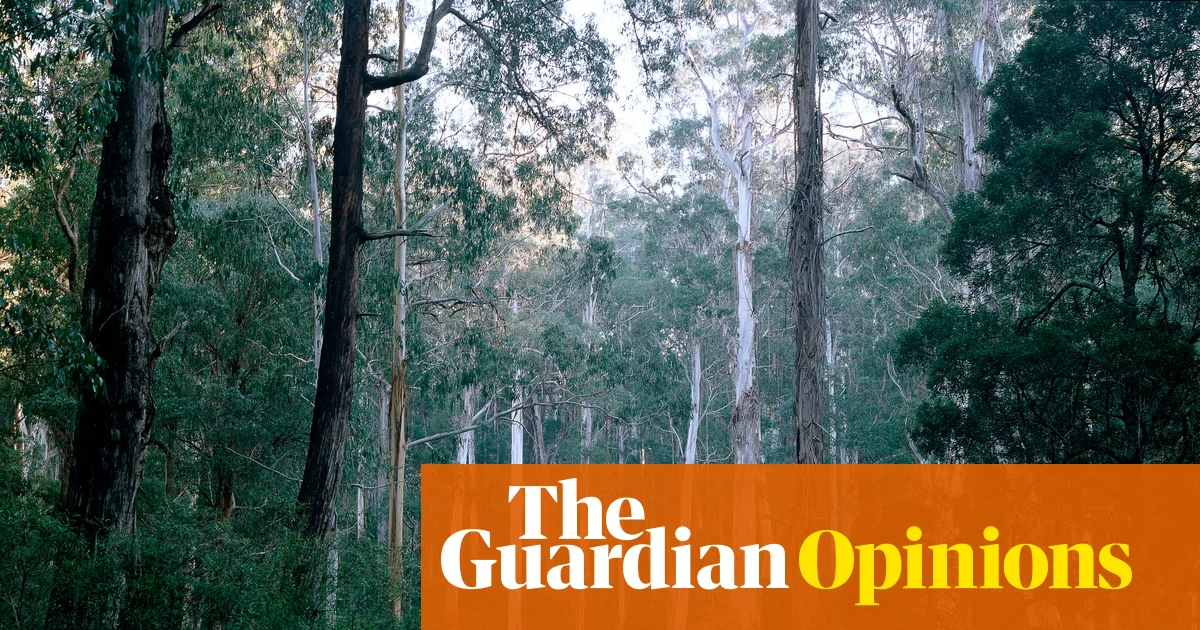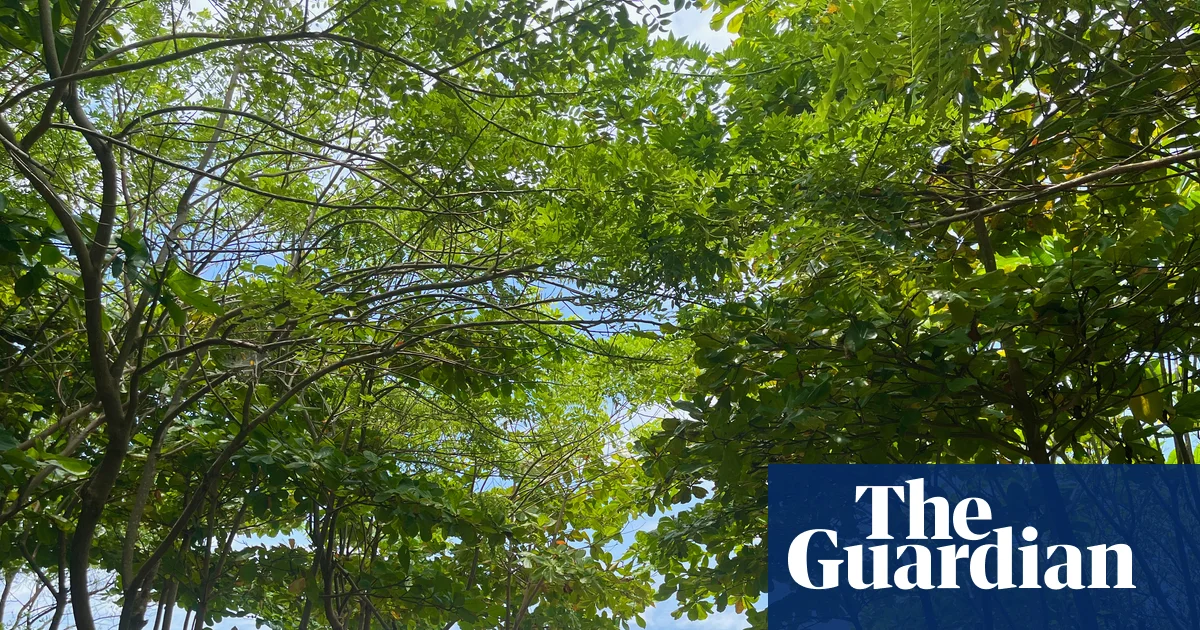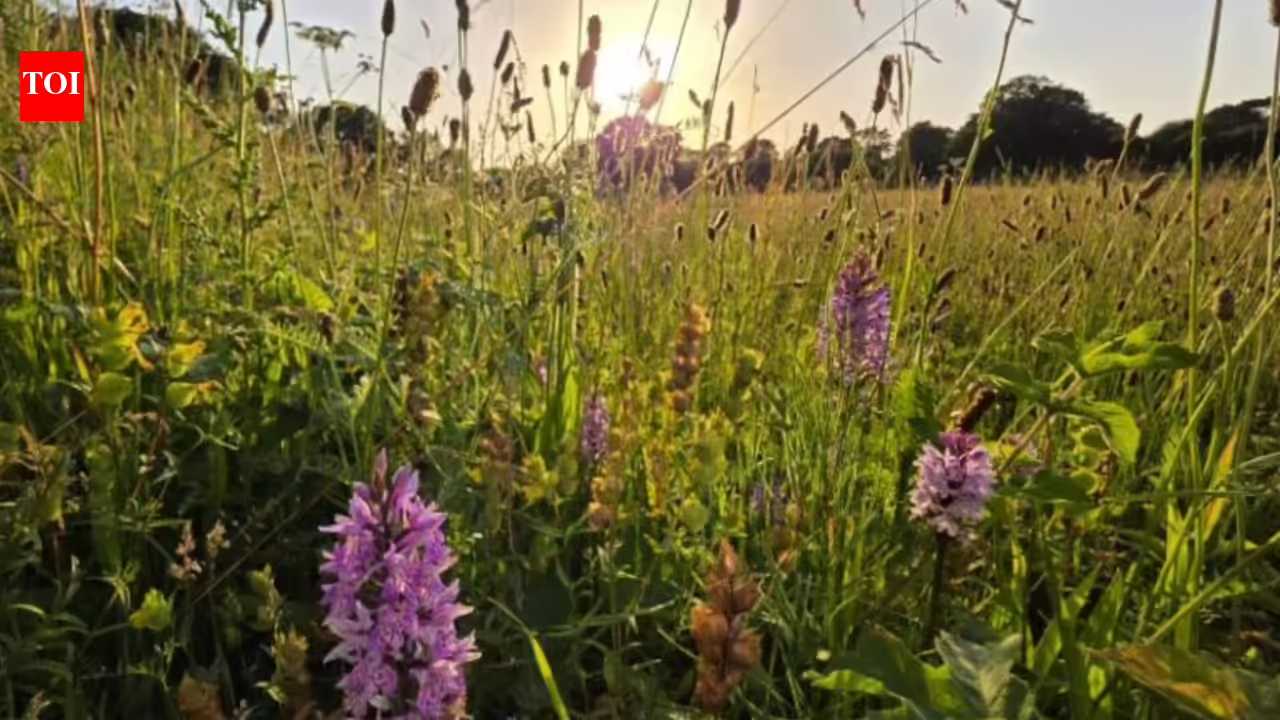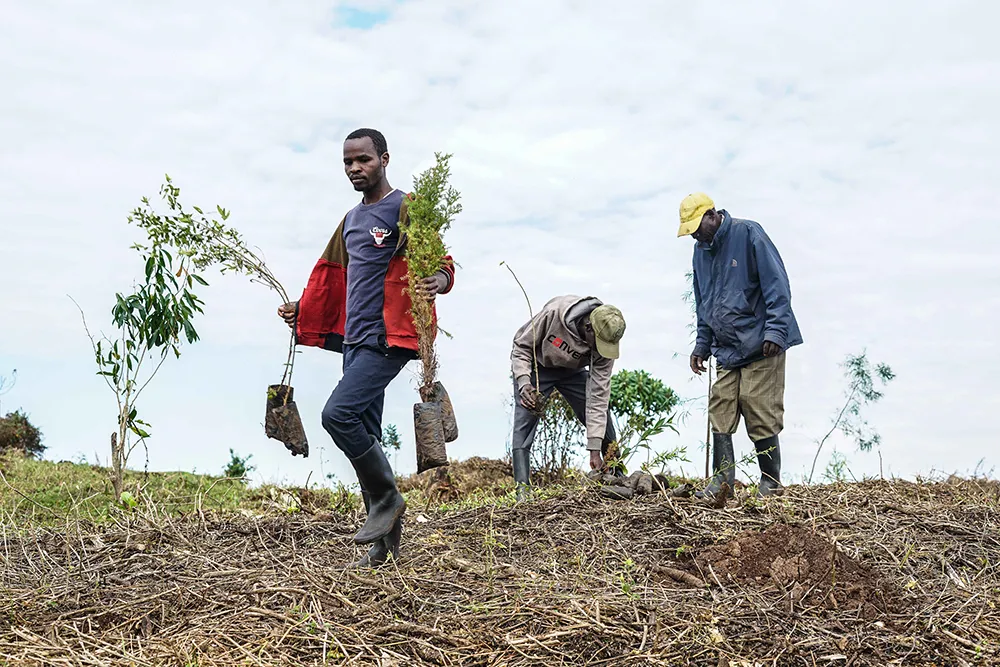
A decade ago, I planted 12 acres of trees in a field that had proved unsuitable for productive grazing. The trees themselves are doing well but the most remarkable change has been the increase in birds, invertebrates and flora. Each year brings new species, new levels of abundance. It has been very satisfying and strangely quick. We’re encouraged to think that the planet’s natural processes work if not always at a geological pace, at least not in the instant reward timeframe that characterises our own brief lives.
In Nature’s Echo, the leading ecologist Thomas Crowther takes this capacity for nature’s rapid recovery as one reason why we should temper pessimism about environmental catastrophe. He identifies the pattern that more than simple cause and effect helps define the dynamics of change: feedback loops. They’re everywhere. They were there after the Big Bang when the first coalescing of matter took place and created density, and density increased gravity, and gravity increased density, until massive stars were spinning around the void. Once life appeared on Earth, ‘the feedback loops that followed gave rise to the most dazzling array of molecular complexity that our universe – as far as we know – has ever seen’. Natural selection is another feedback loop, with certain traits helping survival, which then leads to more of those same traits.