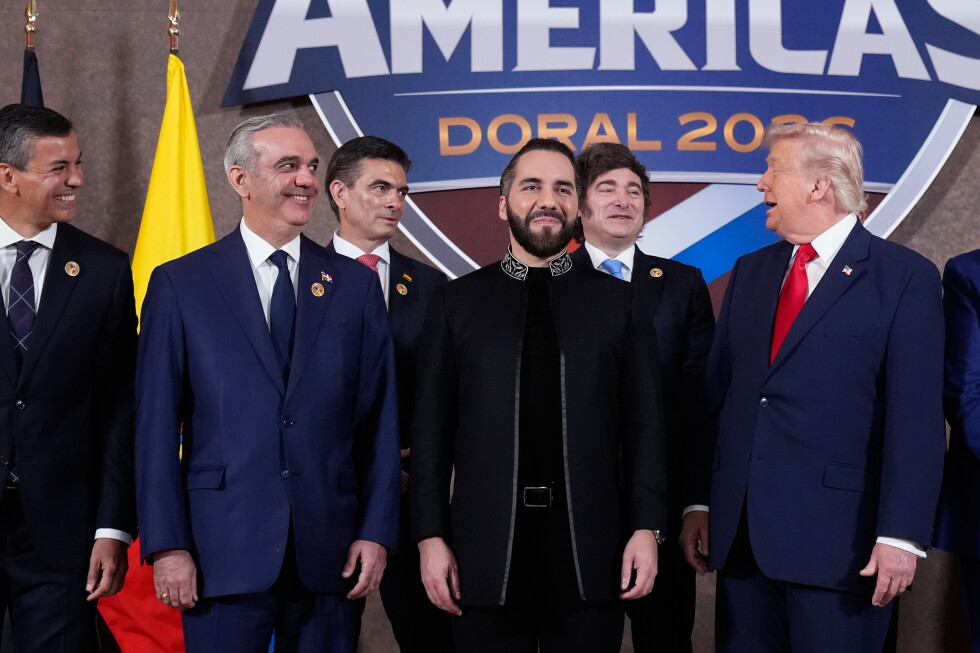
For years, Latin American politics seemed trapped in a familiar cycle. The Left promised social justice. The Right promised stability. Governments changed, parties rebranded, presidents came and went — yet the underlying political architecture often remained remarkably resilient.That era is ending.Across Latin America, voters are increasingly challenging political establishments that once appeared permanent. But describing this transformation simply as a “shift to the right” misses the deeper story. What is emerging is a revolt against political permanence itself.
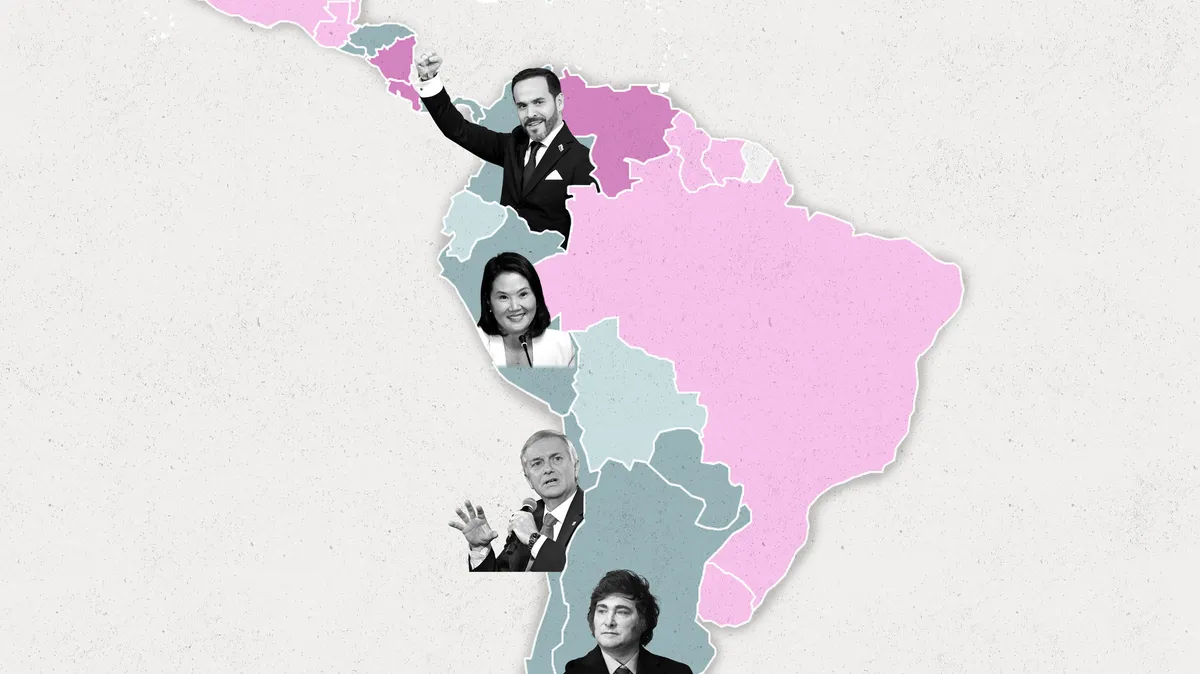
HAMAS ISN’T JUST IN GAZA. IT’S BUILDING A SECOND FRONT UNDER AMERICA’S NOSEArgentinian President Javier Milei represents the most dramatic version of that revolt. Peru has now elected Keiko Fujimori, extending the region’s conservative turn. Colombia has moved decisively away from Gustavo Petro’s left-wing government, with President Abelardo De La Espriella, a political outsider nicknamed “El Tigre,” taking office in early August after campaigning on security, fiscal restraint, and a smaller state. Bolivia has also broken with two decades of dominance by Evo Morales’s Movement for Socialism, and Chile elected conservative Jose Antonio Kast, driven overwhelmingly by public anxiety over crime.Yet these countries are not identical. And that is precisely the point.The old ideological map is becoming inadequate