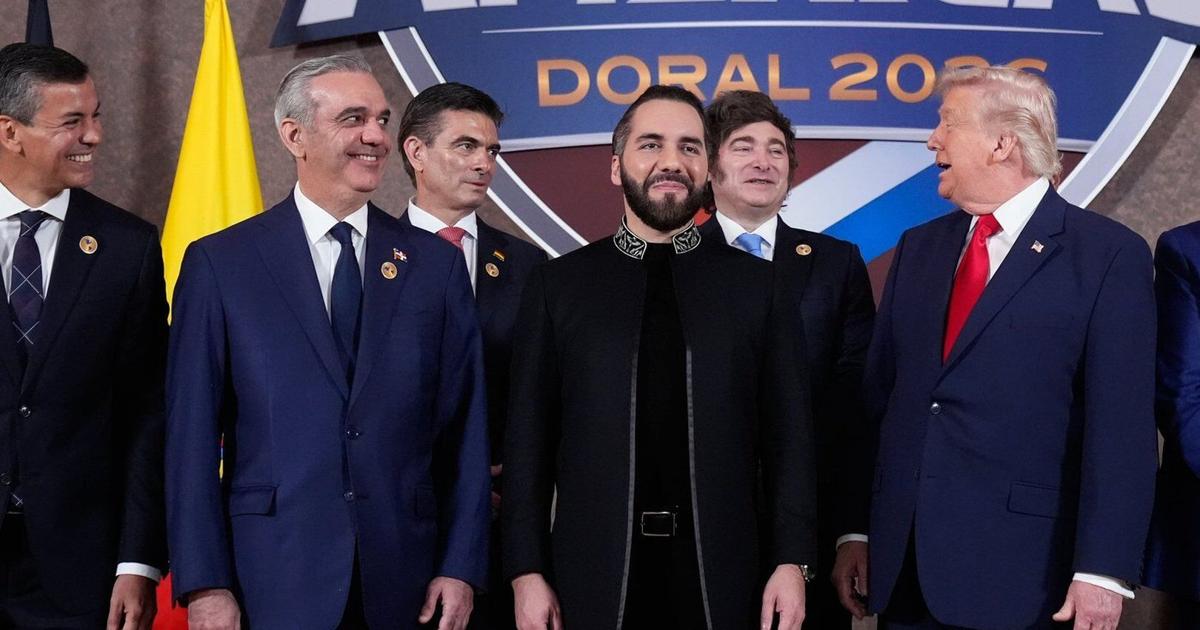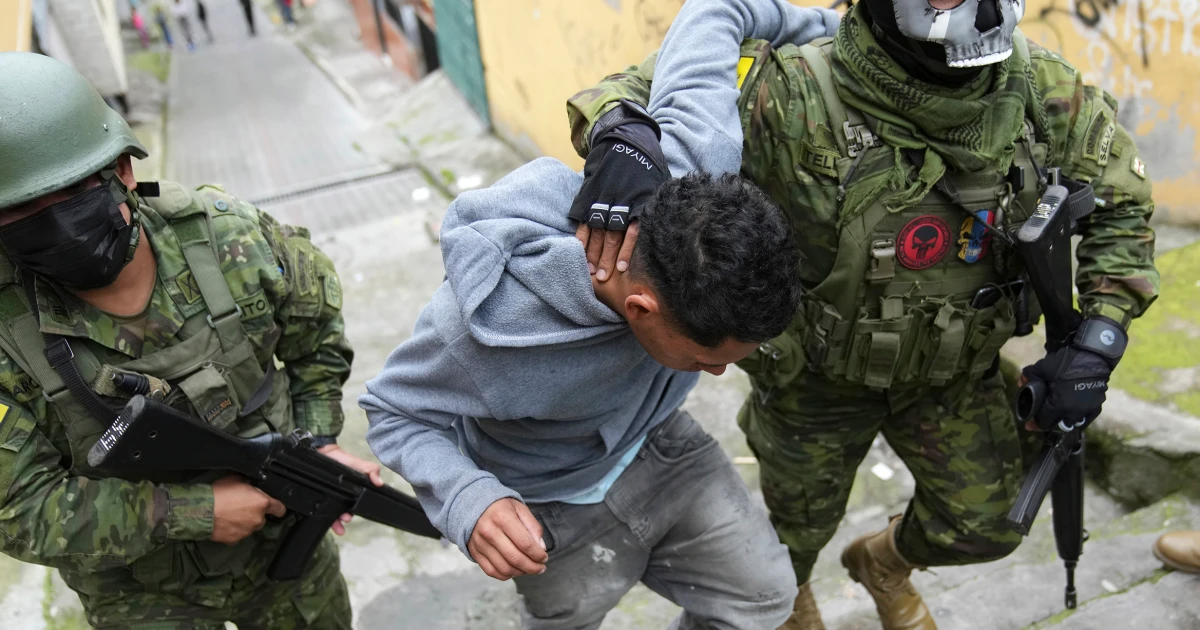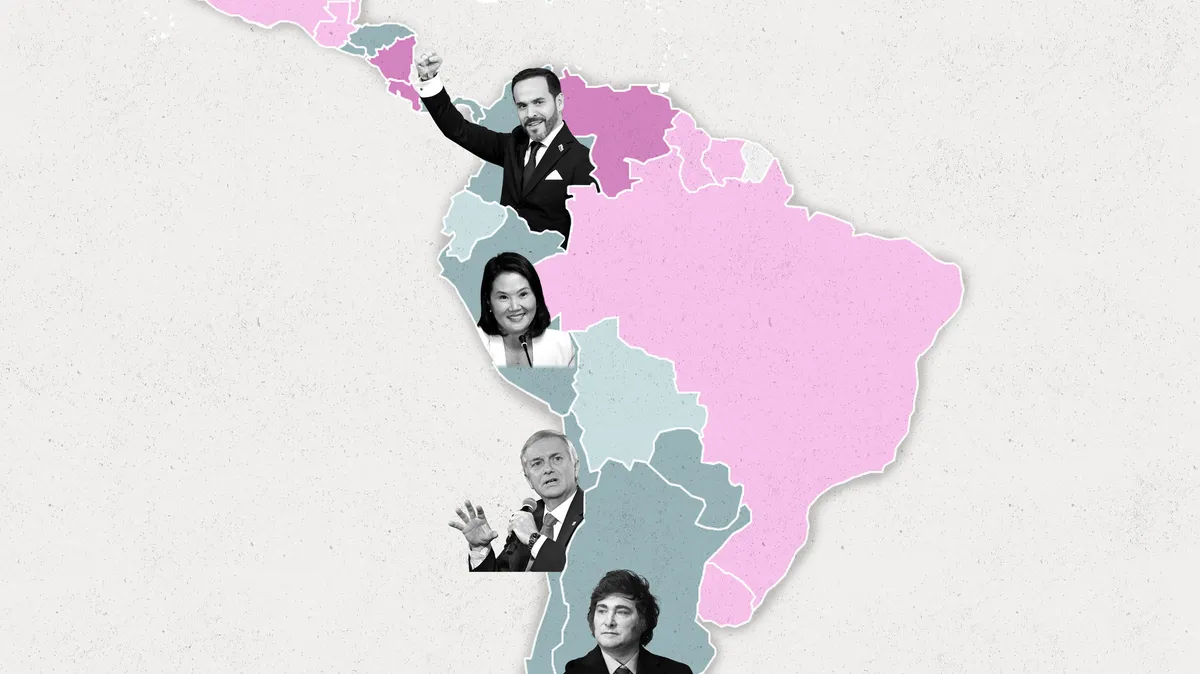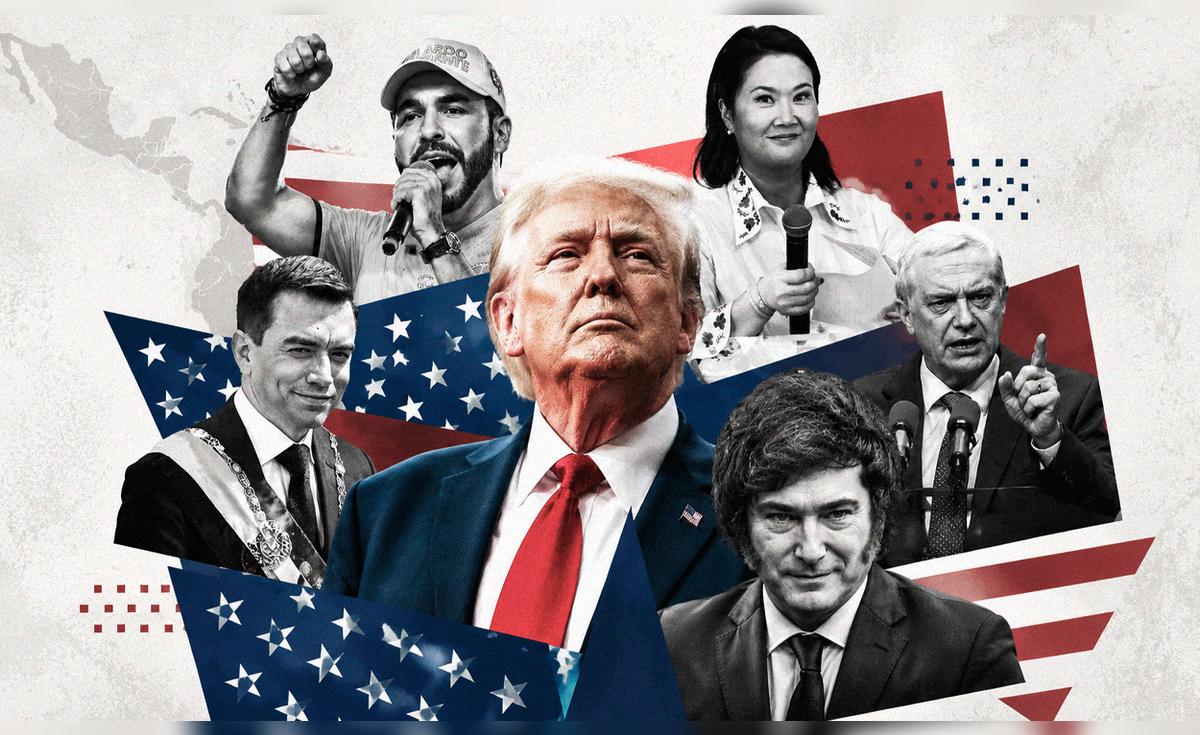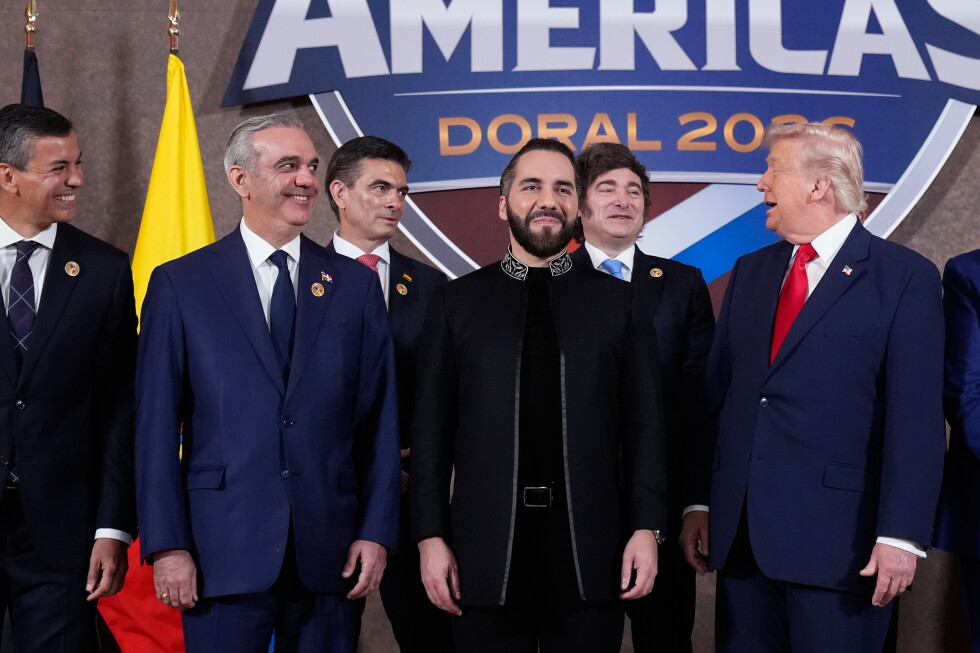
BOGOTA, Colombia (AP) — At the start of this decade, Latin America was hurtling to the left. Progressives, seizing on public outrage over entrenched inequities exacerbated by the pandemic, swept to power in many of the region’s biggest economies, including Brazil, Chile, Colombia and Peru.A political backlash is brewing, though. Although homicide rates have broadly declined across Latin America compared to a decade ago, spikes in some countries and a regionwide rise in other crimes, particularly extortion, have created the conditions for conservative populists to score votes by promising strong-arm tactics against crime and immigration. Stump speeches casting migrants as criminals and pitching heavy-handed security strategies popularized by El Salvador’s president, Nayib Bukele, have won conservative candidates U.S. President Donald Trump’s backing and fired up their disaffected electorates despite concerns that such tactics could encourage human rights abuses or threaten democracy.
“You have an emergent right wing that is very much in collaboration across the region and with the U.S. through the MAGA movement, which has also used crime as a rallying cry for political mobilization,” said Enrique Roig, vice president of the nonprofit Human Rights First and a former State Department official. “It’s easier to sell locking people up than it is to deal with the reasons why mainly young men join gangs in countries like El Salvador.”