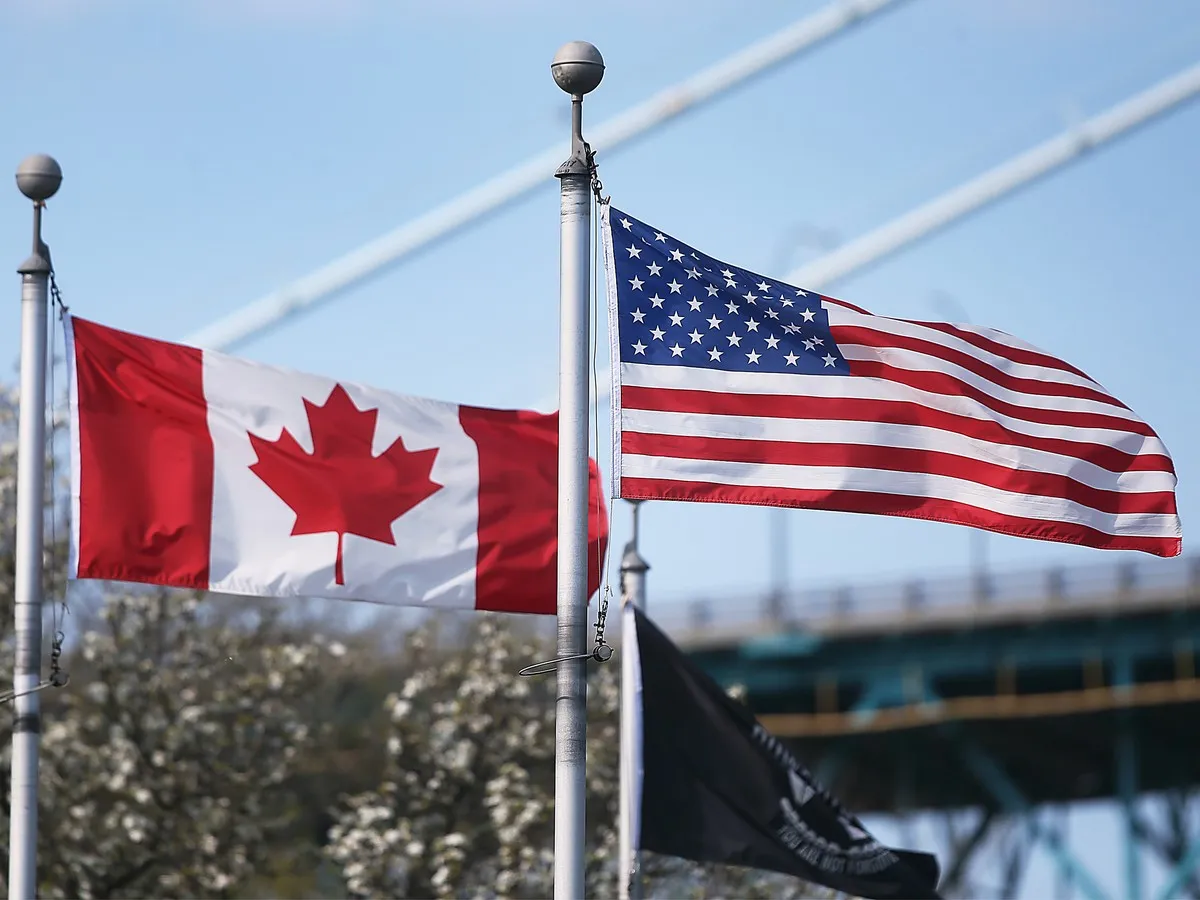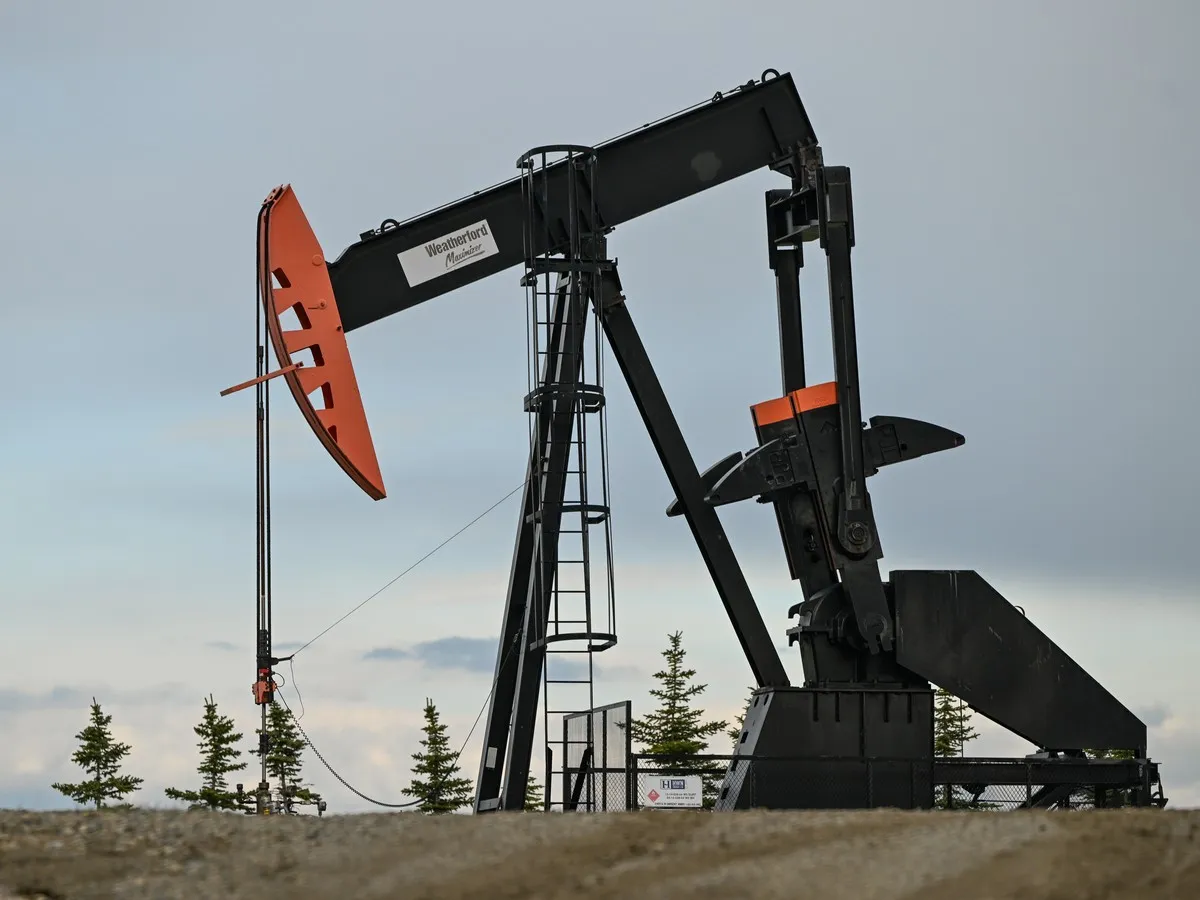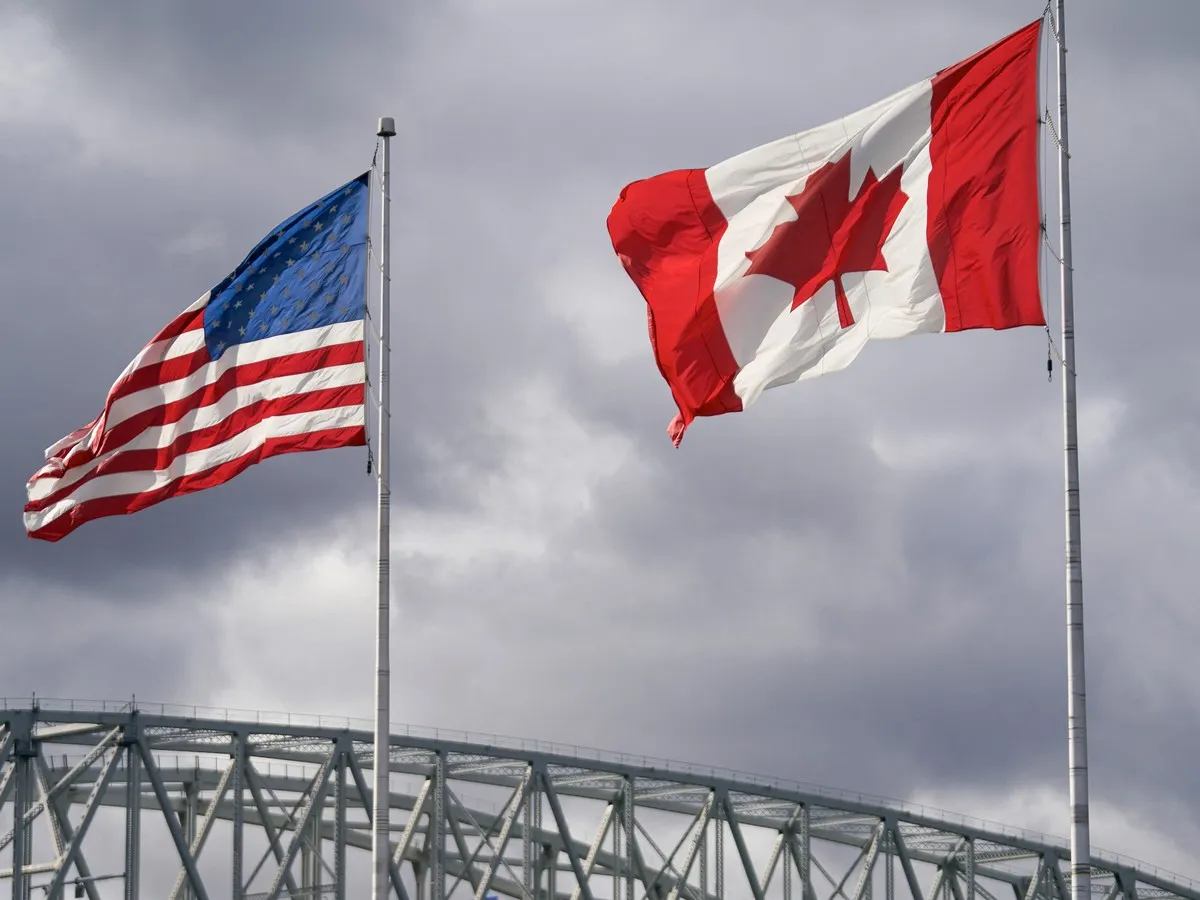
Skip to Content Subscribe My Account Manage My Subscriptions FAQ Newsletters Canada Canadian True Crime Canadian Politics Health World Israel & Middle East Financial Post NP Comment Longreads Puzzmo Diversions Comics NP News Quiz New York Times Crossword Horoscopes Life Eating & Drinking Style Sponsored Play for Ontario Travel Travel Canada Travel USA Travel International Cruises Travel Essentials Culture Books Celebrity Movies Music Theatre Television Business Essentials Advice Lives Told Tails Told Shopping Buy Canadian Home Living Outdoor Living Kitchen & Dining Tech Style & Beauty Personal Care Entertainment & Hobbies Gift Guide Travel Guide Amazon Prime Day Deals Savings National Post Store More Sports Hockey Baseball Basketball Football Soccer Golf Tennis Driving Vehicle Research Reviews News Gear Guide Obituaries Place an Obituary Place an In Memoriam Classifieds Place an Ad Celebrations Working Business Ads Archives Healthing Epaper Manage Print Subscription Profile Settings My Subscriptions My Offers Newsletters Customer Service FAQ Newsletters Canada World Financial Post NP Comment Longreads Puzzmo Diversions Life Shopping Epaper Manage Print Subscription HomeNP CommentJohn Ivison: Things are about to get verrrrrry uglyThe pain will be felt on both sides of the borderLast updated 19 minutes ago The U.S. and Canadian flags on a border crossing bridge. Negotiations between the neighbouring countries broke down on Friday. Photo by GEOFF ROBINS /AFP via Getty ImagesThe main business of Canadian foreign policy for nearly 160 years has been to remain friendly with the United States, while maintaining a measure of self-respect.Enjoy the latest local, national and international news.Exclusive articles by Conrad Black, Barbara Kay and others. Plus, special edition NP Platformed and First Reading newsletters and virtual events.Unlimited online access to National Post.National Post ePaper, an electronic replica of the print edition to view on any device, share and comment on.Daily puzzles including the New York Times Crossword.Support local journalism.Enjoy the latest local, national and international news.Exclusive articles by Conrad Black, Barbara Kay and others. Plus, special edition NP Platformed and First Reading newsletters and virtual events.Unlimited online access to National Post.National Post ePaper, an electronic replica of the print edition to view on any device, share and comment on.Daily puzzles including the New York Times Crossword.Support local journalism.Create an account or sign in to continue with your reading experience.Access articles from across Canada with one account.Share your thoughts and join the conversation in the comments.Enjoy additional articles per month.Get email updates from your favourite authors.Create an account or sign in to continue with your reading experience.Access articles from across Canada with one accountShare your thoughts and join the conversation in the commentsEnjoy additional articles per monthGet email updates from your favourite authorsSign In or Create an AccountorAccording to Prime Minister Mark Carney, last minute changes to the prospective Canada-U.S. deal meant that his government couldn’t sign on and still retain its conception of itself as a proud, independent country.In an ad hoc press conference on Saturday morning, Carney explained that he ordered his trade negotiators home after the U.S. side added changes that would have imposed unjustified tariffs and undermined Canadian sovereignty.The National Post newsletter that doesn’t hold back, giving readers the unvarnished truth on media, politics and culture.By signing up, you consent to receive the above newsletter from Postmedia Network Inc.A welcome email is on its way. If you don't see it, please check your junk folder.The next issue of Right? will soon be in your inbox.We encountered an issue signing you up. Please try againThe auto industry north of the border was already at risk under the terms of the putative deal, which would have cut the current tariff level in half. But Carney said a late adjustment meant the American side wanted the deal applied only to cars and light trucks, not vehicles such as Ford’s F-series Super Duty line, which the company plans to make in Oakville, Ont., or GM’s Silverado, made in Oshawa.That shift would have made production uneconomic over time, Carney said.The Americans also added language that would have limited Canada’s ability to strike new international trade deals.The prime minister was asked whether the late involvement of the U.S. Commerce Secretary, Howard Lutnick, reversed the progress all sides had claimed earlier in the week.Carney would only say that there were differences inside the Trump administration that only emerged in the last few days.Ottawa had been prepared to make concessions, dropping counter-tariffs on steel and aluminum provided the U.S. lower theirs to levels that would allow Canadian exports to be economic. Carney said he was prepared to encourage provinces to return U.S. alcohol to provincial liquor store shelves, and to take “administrative measures” to give more access to the dairy sector.But, ultimately, “(the U.S.) asked too much and offered too little.”The consequences are likely to be profound for all involved. The U.S. has already begun the process of imposing 50 percent tariffs on $28-billion of Canadian goods. Carney promised dollar-for-dollar retaliation and now Jamieson Greer, the U.S. trade representative, says the Americans are working on measures to respond to Canadian retaliation.The impact on Canadian businesses will be felt immediately. Economist Trevor Tombe estimated up to 90,000 job losses, with the electronics, plastic and consumer goods industries hardest hit.But the pain will be felt on both sides of the border. The absurdity is that Trump is stoking the very inflationary pressures that are partly responsible for the surging bond yields that are so concerning to him. Such is his vexation that he suggested that he may instruct the U.S. military to intervene in the bond crisis, though even for this president an order to bomb Wall Street might be considered as an overreaction.When the details of Canada’s retaliation are announced next week, Trump will also come under pressure from the impacted businesses and members of Congress. The American side is unlikely to be as united as the justifiably aggrieved Canadians.The vast majority of citizens here support Carney’s decision to stand fast in the face of a bad deal, according to recent opinion polling.Conservative Leader Pierre Poilievre’s response suggests he realizes many Canadians see the Trump administration’s trade policy as an extortion racket aimed at getting paid for doing nothing. He urged Canadians to stand united and placed the blame for threatening jobs firmly on the U.S. side. That was in stark contrast to Alberta Premier Danielle Smith, who expressed her disappointment that the agreement had fallen apart and urged Ottawa to restart negotiations, without mentioning Trump.In the normal course of events, that would be good advice.But as Mike Tyson once said, everyone has a plan until they get punched in the face. And, if Carney’s version of events goes uncontested, it suggests Canada has just been biffed much lower on the anatomy.How can any self-respecting country give in to a supposed partner that, in Carney’s words, “uses economic integration as a weapon and writes its signature in pencil”?Carney is a central banker, trained to be mildewed with caution. The governing principle of such men is to sit on the fence until the iron enters their soul. Yet on Saturday he looked and sounded like a man going to war. One reporter asked why.“Because we were attacked. You’re at war when you’re attacked.”To paraphrase a famous anti-war comment, you can no more win a trade war with tariffs than win an earthquake.Carney noted that Canada supplies the U.S. with 95 percent of its natural gas imports, 85 percent of its electricity imports and 60 percent of its crude oil imports. “I don’t think they want us to stop sending any of that energy,” he said cryptically. The problem with that tacit threat is that following through would risk breaking up the country, on the eve of an Alberta sovereignty referendum.Still, Canadians are angry and resolved to remain masters of their own destiny. Americans, by contrast, are largely bemused. California Governor Gavin Newsom likely spoke for all Democrats and many Republicans in a social media post that talked about the U.S.’s most critical trading partner. “Trump is hitting Canada with 50 percent tariffs. What the actual fuck are we doing?”The most likely resolution of this rapidly escalating conflict is that more Americans ask the same question and pressure the Capo dei Capi in the White House to rethink this lunacy.jivison@criffel.caTwitter.com/IvisonJ Join the Conversation This website uses cookies to personalize your content (including ads), and allows us to analyze our traffic. Read more about cookies here. By continuing to use our site, you agree to our Terms of Use and Privacy Policy.
John Ivison: Things are about to get verrrrrry ugly
It's likely the Americans themselves who can persuade the Trump administration to rethink this trade lunacy with Canada.
1,406 words~6 min read