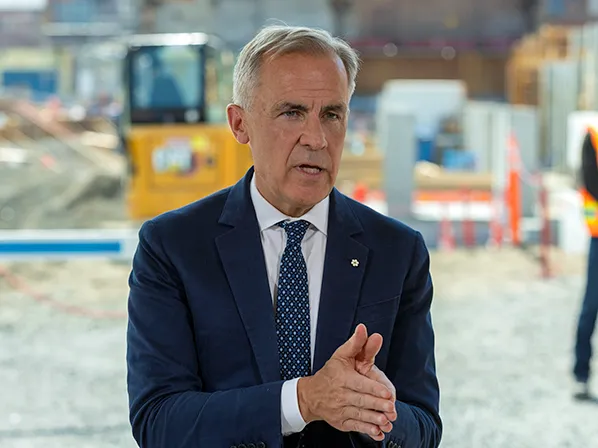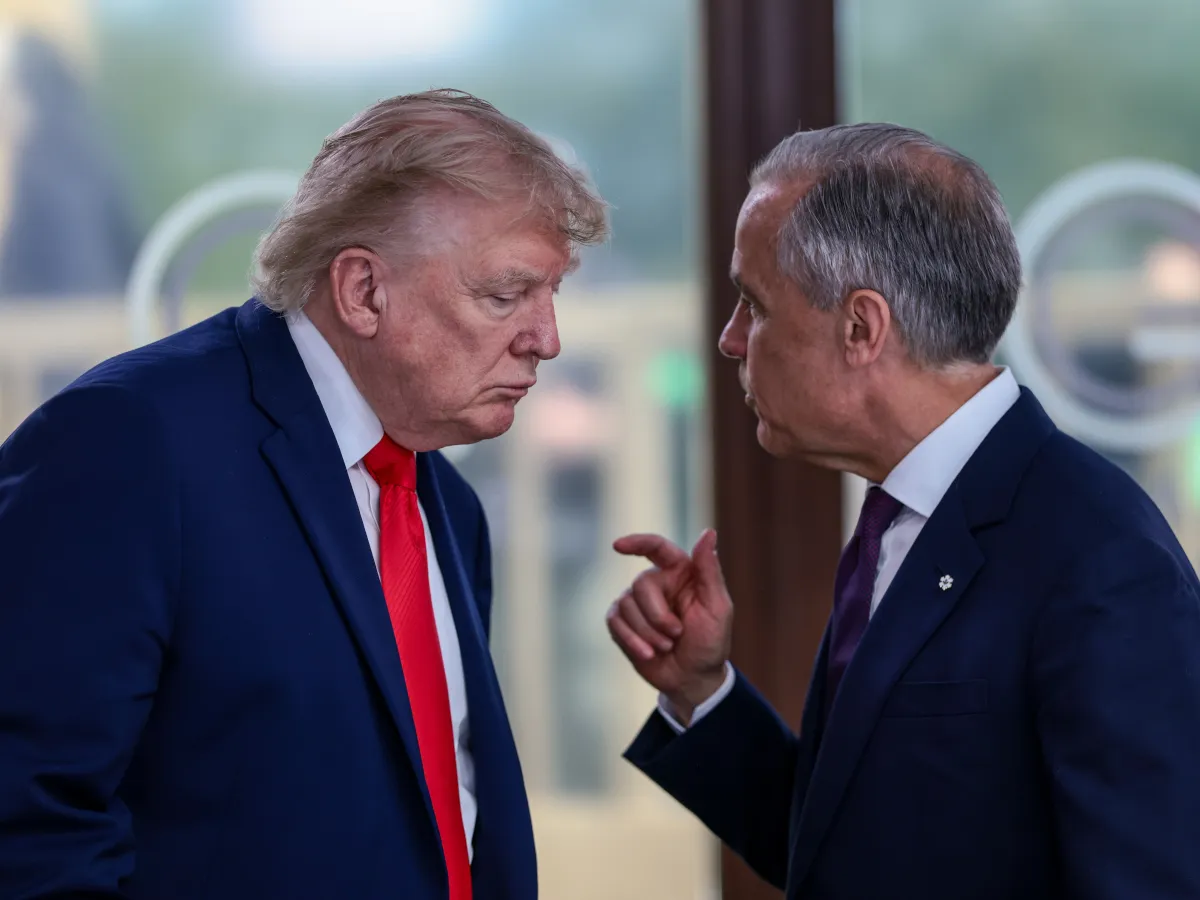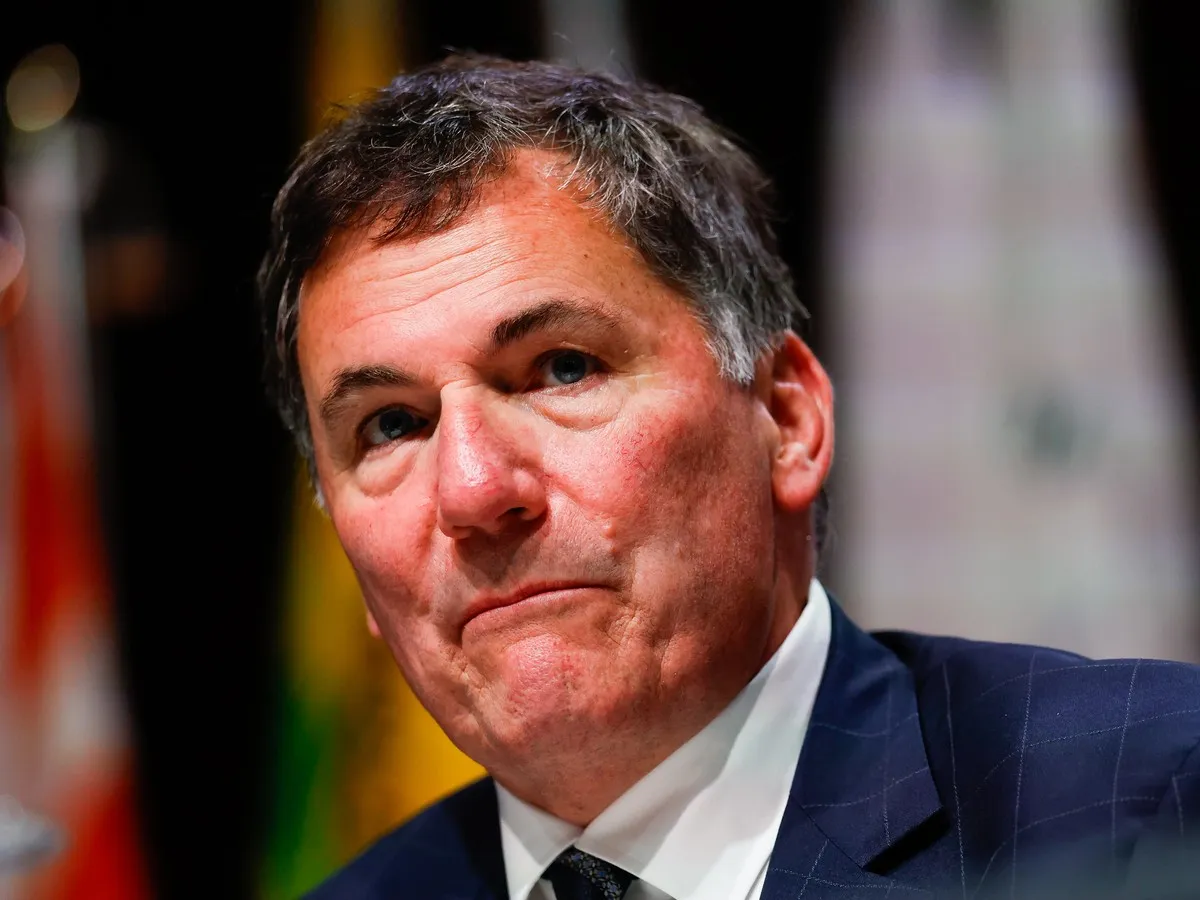
Skip to Content Subscribe Our Offers My Account Manage My Subscriptions FAQ Newsletters Canada Canadian True Crime Canadian Politics Health World Israel & Middle East Financial Post NP Comment Longreads Puzzmo Diversions Comics NP News Quiz New York Times Crossword Horoscopes Life Eating & Drinking Style Sponsored Play for Ontario Travel Travel Canada Travel USA Travel International Cruises Travel Essentials Culture Books Celebrity Movies Music Theatre Television Business Essentials Advice Lives Told Tails Told Shopping Buy Canadian Home Living Outdoor Living Kitchen & Dining Tech Style & Beauty Personal Care Entertainment & Hobbies Gift Guide Travel Guide Amazon Prime Day Deals Savings National Post Store More Sports Hockey Baseball Basketball Football Soccer Golf Tennis Driving Vehicle Research Reviews News Gear Guide Obituaries Place an Obituary Place an In Memoriam Classifieds Place an Ad Celebrations Working Business Ads Archives Healthing Epaper Manage Print Subscription Profile Settings My Subscriptions Saved Articles My Offers Newsletters Customer Service FAQ Newsletters Canada World Financial Post NP Comment Longreads Puzzmo Diversions Life Shopping Epaper Manage Print Subscription HomeNP CommentJohn Ivison: Days before deadline, Canada should be ready to make tough choices'It is a little disconcerting to hear the most senior people in government say they don’t know whether a deal is possible' You can save this article by registering for free here. Or sign-in if you have an account.Minister responsible for Canada-U.S. Trade Dominic LeBlanc in Ottawa on Thursday, July 16, 2026. Photo by HYUNGCHEOL PARK /PostmediaCanada-U.S. trade minister Dominic LeBlanc was due to brief his provincial counterparts on Friday about progress on trade negotiations with Washington, ahead of the imposition of new tariffs next week.Enjoy the latest local, national and international news.Exclusive articles by Conrad Black, Barbara Kay and others. Plus, special edition NP Platformed and First Reading newsletters and virtual events.Unlimited online access to National Post.National Post ePaper, an electronic replica of the print edition to view on any device, share and comment on.Daily puzzles including the New York Times Crossword.Support local journalism.Enjoy the latest local, national and international news.Exclusive articles by Conrad Black, Barbara Kay and others. Plus, special edition NP Platformed and First Reading newsletters and virtual events.Unlimited online access to National Post.National Post ePaper, an electronic replica of the print edition to view on any device, share and comment on.Daily puzzles including the New York Times Crossword.Support local journalism.Create an account or sign in to continue with your reading experience.Access articles from across Canada with one account.Share your thoughts and join the conversation in the comments.Enjoy additional articles per month.Get email updates from your favourite authors.Create an account or sign in to continue with your reading experience.Access articles from across Canada with one accountShare your thoughts and join the conversation in the commentsEnjoy additional articles per monthGet email updates from your favourite authorsSign In or Create an AccountorIt probably won’t take him long.We are less than a week away from the Trump administration introducing a 50 per cent levy on around US$20 billion of Canadian goods, with no exemption for those covered by the Canada-U.S.-Mexico trade agreement, and a senior Canadian official described the two sides are still being “very far apart.”In some ways I’m surprised that the parties aren’t closer but that is often the nature of trade negotiations. In 2018, the concessions that enabled the announcement of the tentative trilateral CUSMA deal to replace NAFTA were reached just 30 minutes before Trump’s deadline expired, after 11th hour negotiations between the U.S. side (in the form of trade representative Robert Lighthizer and the President’s son-in-law, Jared Kushner) and the Canadians (PMO staffers Gerald Butts and Katie Telford).The National Post newsletter that doesn’t hold back, giving readers the unvarnished truth on media, politics and culture.By signing up, you consent to receive the above newsletter from Postmedia Network Inc.A welcome email is on its way. If you don't see it, please check your junk folder.The next issue of Right? will soon be in your inbox.We encountered an issue signing you up. Please try againThis time around, it remains too early for the negotiating teams to hand the file over to the political side but it is seen as a possibility that any final deal will have to be hammered out by the President and the Prime Minister.Still, it is a little disconcerting to hear the most senior people in government say they don’t know whether a deal is possible.The Canadian side remains focused on alleviating the section 232 national security tariffs impacting the steel, aluminum, copper, auto and forestry industries.The corollary is that any deal will require Canada to give the Americans what they want in other sectors like dairy, liquor and digital services.The present U.S. Trade Representative, Jamieson Greer, said on Friday in Iowa that his sense is that Canada “wants to have a more conciliatory approach.”It is apparent that going full “elbows-up” at this stage would be counterproductive. But it remains unclear whether the Canadian public is willing to stomach major concessions.Officials characterize the current discussions as “sustained and comprehensive” but apparently they do not encompass defence and security, focusing purely on the trade issues.Perhaps the only grounds for optimism at this stage are that negotiations are continuing — and that the most recent statistics suggest U.S. exports to Canada are still rising (even as the trade imbalance widens, thanks to energy prices).Trump is not able to act without limits, contrary to the impression he likes to convey. He is constrained by the markets, public opinion, Congress and the states — all of which dislike tariffs on Canada.TACO (Trump Always Chickens Out) is a far more likely outcome than FAFO (F— Around and Find Out).But even if he does not impose the new tariffs, the existing national security tariffs will continue to harm manufacturing industries that have seen 50,000 jobs lost since he returned to office. Their alleviation remains Ottawa’s priority.The Carney government is on the eve of making some very unpalatable decisions.National Post Jivison@criffel.ca Twitter.com/IvisonJ Join the Conversation This website uses cookies to personalize your content (including ads), and allows us to analyze our traffic. Read more about cookies here. By continuing to use our site, you agree to our Terms of Use and Privacy Policy.
John Ivison: Days before deadline, Canada should be ready to make tough choices
It is a little disconcerting to hear the most senior people in government say they don’t know whether a deal is possible
1,027 words~5 min read