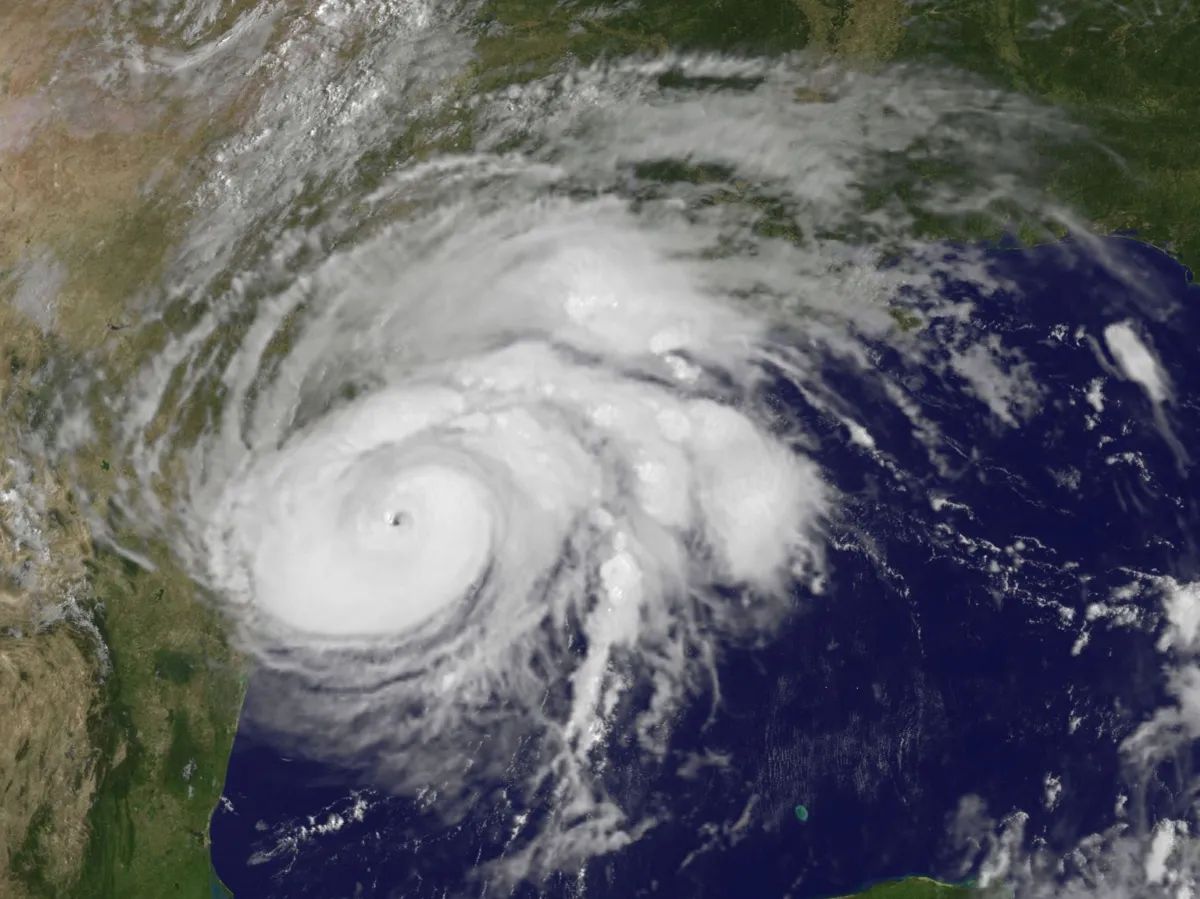
Skip to Content Subscribe Our Offers My Account Manage My Subscriptions FAQ Newsletters Canada Canadian True Crime Canadian Politics Health World Israel & Middle East Financial Post NP Comment Longreads Puzzmo Diversions Comics NP News Quiz New York Times Crossword Horoscopes Life Eating & Drinking Style Sponsored Play for Ontario Travel Travel Canada Travel USA Travel International Cruises Travel Essentials Culture Books Celebrity Movies Music Theatre Television Business Essentials Advice Lives Told Tails Told Shopping Buy Canadian Home Living Outdoor Living Kitchen & Dining Tech Style & Beauty Personal Care Entertainment & Hobbies Gift Guide Travel Guide Amazon Prime Day Deals Savings National Post Store More Sports Hockey Baseball Basketball Football Soccer Golf Tennis Driving Vehicle Research Reviews News Gear Guide Obituaries Place an Obituary Place an In Memoriam Classifieds Place an Ad Celebrations Working Business Ads Archives Healthing Epaper Manage Print Subscription Profile Settings My Subscriptions Saved Articles My Offers Newsletters Customer Service FAQ Newsletters Canada World Financial Post NP Comment Longreads Puzzmo Diversions Life Shopping Epaper Manage Print Subscription HomeNP CommentJamie Sarkonak: Carney hasn't weatherproofed Canada for the Trump hurricaneReducing internal trade barriers remains a challengeLast updated 44 minutes ago You can save this article by registering for free here. Or sign-in if you have an account.This image of Hurricane Harvey taken from NOAAs GOES East satellite on August 25 at 1407 UTC shows the storms eye as it nears landfall in the southeastern coast of Texas. Photo by HANDOUT/AFP/Getty ImagesThe United States has waged an on-and-off-again tariff war with Canada for a year and a half now, and it seems like little has changed since Day One.Enjoy the latest local, national and international news.Exclusive articles by Conrad Black, Barbara Kay and others. Plus, special edition NP Platformed and First Reading newsletters and virtual events.Unlimited online access to National Post.National Post ePaper, an electronic replica of the print edition to view on any device, share and comment on.Daily puzzles including the New York Times Crossword.Support local journalism.Enjoy the latest local, national and international news.Exclusive articles by Conrad Black, Barbara Kay and others. Plus, special edition NP Platformed and First Reading newsletters and virtual events.Unlimited online access to National Post.National Post ePaper, an electronic replica of the print edition to view on any device, share and comment on.Daily puzzles including the New York Times Crossword.Support local journalism.Create an account or sign in to continue with your reading experience.Access articles from across Canada with one account.Share your thoughts and join the conversation in the comments.Enjoy additional articles per month.Get email updates from your favourite authors.Create an account or sign in to continue with your reading experience.Access articles from across Canada with one accountShare your thoughts and join the conversation in the commentsEnjoy additional articles per monthGet email updates from your favourite authorsSign In or Create an AccountorPresident Donald Trump is as volatile as ever, keen to leverage the latest irritation to the American public against Canada. At first, these were anxieties over fentanyl and ineffective border control; today, it’s forest fire smoke and a sudden interest in skimming revenues from a cross-border bridge paid for by Canadians. The degree to which we mismanage, or competently manage, these issues doesn’t matter all that much: if it’s weaponizable in the moment, he’ll weaponize it.On the Canadian side, tough words continue to be spoken. Doug Ford, who presides over a province that surpasses only seven U.S. states in terms of GDP per capita, assured reporters that “we could dismantle the U.S. if we wanted to.” His posturing was also fierce back in March 2025, when he imposed a 25 per cent tariff on all energy exports to the United States — only to rescind it the very next day.The National Post newsletter that doesn’t hold back, giving readers the unvarnished truth on media, politics and culture.By signing up, you consent to receive the above newsletter from Postmedia Network Inc.A welcome email is on its way. If you don't see it, please check your junk folder.The next issue of Right? will soon be in your inbox.We encountered an issue signing you up. Please try againPrime Minister Mark Carney, meanwhile, continues to maintain lines about Canada’s steadfast sovereignty and the need to diversify its customer base while being more pliable: indeed, this has been his central message since the election, and, from a domestic politics perspective, it’s worked.He’s been more pliable to the Americans face-to-face, however, something that can even be seen in the revised Gordie Howe bridge deal. Canada had constructed the bridge with its own funds, the agreement being it would split toll revenue with Michigan after the bridge debts were paid for. Trump wanted the tolls immediately. A new deal, the prime minister assured, would split “net profits” between the two countries, though the text of the actual “agreement in principle,” CBC reported on Wednesday, “seems to contradict Carney” by specifying that the countries will share “net revenue” — that is, all bridge revenues minus operating costs.In practice, it’s big talk, small game. And, well, what else can be done? We aren’t about to join the U.S.; we don’t have the size and market power to fight back, nor are the Commonwealth countries interested in banding together to make such an effort more effective. As for scrutinizing whatever Carney and his team is saying behind closed doors to smooth things over, there’s no way to know whether that’s being done well or not — and if there was, the loss of confidentiality would render negotiations ineffective anyway.It’s easiest not to think of Trump as a person, but as a storm to be weathered. There’s no wrangling or reasoning with a hurricane or finding common ground with a thunderstorm. Destructive winds are a fact of nature, as are downpours. All that can really be done is proactive mitigation. In the trade context, for Canada, that means making it easier to build out own own industries and increasing capacity to ship product to international markets.That should have been simple, but, once again, what’s been done in practice doesn’t come close to matching the sovereigntist, David-fights-Goliath rhetoric embraced by the likes of Carney and Ford.Last year, there was a whole month where the news cycle revolved around frenzied talk of reducing internal trade barriers plaguing Canada. While you can’t totally erase all internal trade barriers without eliminating actual provinces, there was a clear sense that the status quo wasn’t working. Indeed, you have to wonder how much economic drag comes from having 13 different sets of securities legislation operating in the country. Much of the internal trade barrier discussion has been on the much more tangible topic of alcohol — which, after more than a yearof relative prominence in the news, finally brought about an agreement on Tuesday between most provinces to drop needless barriers.But as all that was going on, we failed to get rid of other points of friction. Trucking in Canada, which is largely regulated province-by-province and is thus a source of trade barriers, is so notorious for putting dangerous drivers on the road that Quebec is taking steps to limit Ontario drivers from its borders, an indictment of Transportation Minister Prabmeet Sarkaria’s work on the file.Meanwhile, Canada has ratcheted up regulations and barriers to increase cost to other key sectors: for example, a regulatory overhaul for fertilizer has created an industry headache so immense that the new rules were paused a few months later.Then there are the half-cocked efforts to, as Carney says, “unlock Canada’s full potential” by creating a scheme to let certain federally selected projects escape parts of the Ottawa-based approvals process, incentivising allegiance to the Liberal party over productivity. Those shortcuts have only bought room for Carney to erect new barriers: for example, he agreed earlier this month to let B.C. collect royalties on a new pipeline from Alberta to the coast, should it ever materialize, as if Alberta were a foreign country.And so, the cycle continues. Complain, change little, bring a few improvements to tangible sectors like the liquor business while subjecting the far-and-away fossil fuels and fertilizers to additional hurdles that won’t be felt by most people directly as Trump prepares to scapegoat Canada for the Nth time. It’s the economic equivalent of living in Tornado Alley and refusing to build a storm cellar.National Post Join the Conversation This website uses cookies to personalize your content (including ads), and allows us to analyze our traffic. Read more about cookies here. By continuing to use our site, you agree to our Terms of Use and Privacy Policy.
Jamie Sarkonak: Carney hasn't weatherproofed Canada for the Trump hurricane
Reducing internal trade barriers remains a challenge
1,420 words~6 min read