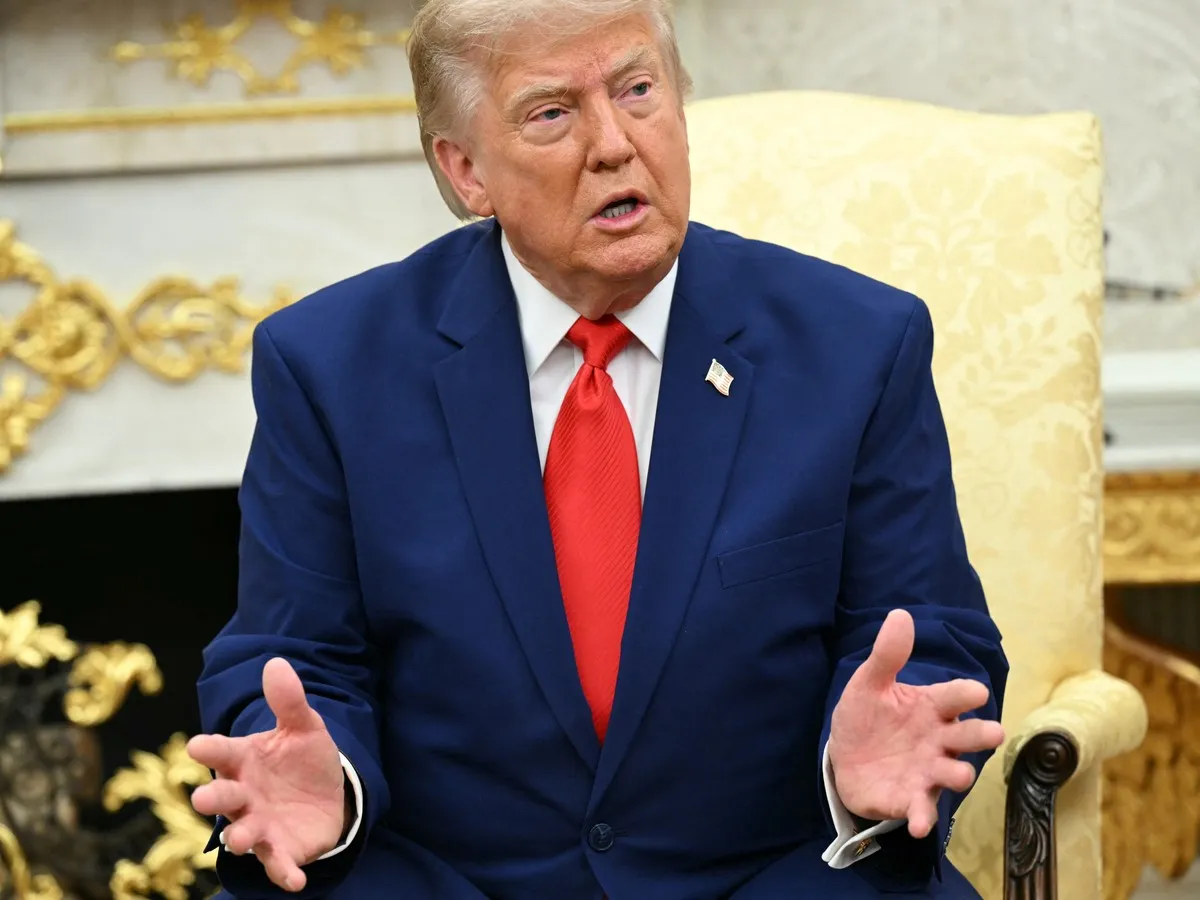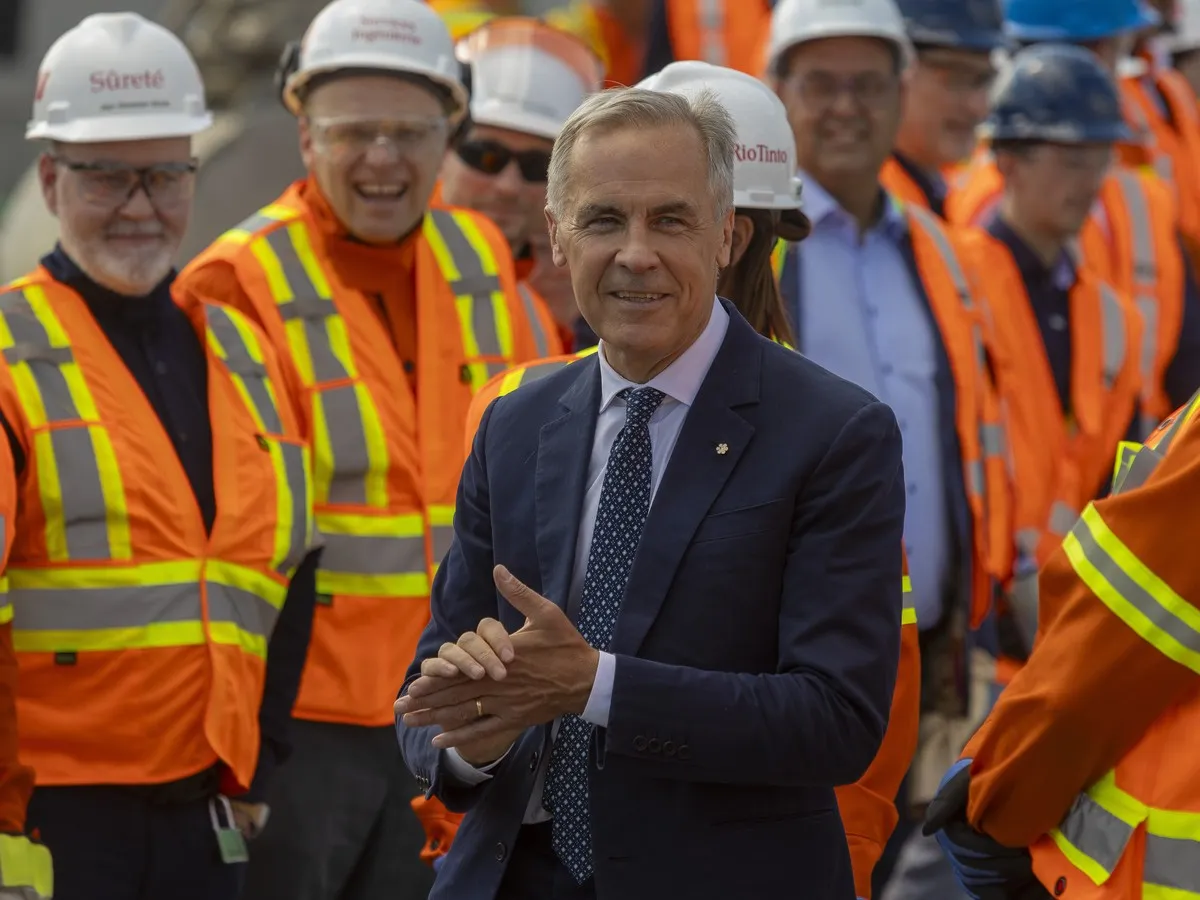
Skip to Content Subscribe My Account Manage My Subscriptions FAQ Newsletters Canada Canadian True Crime Canadian Politics Health World Israel & Middle East Financial Post NP Comment Longreads Puzzmo Diversions Comics NP News Quiz New York Times Crossword Horoscopes Life Eating & Drinking Style Sponsored Play for Ontario Travel Travel Canada Travel USA Travel International Cruises Travel Essentials Culture Books Celebrity Movies Music Theatre Television Business Essentials Advice Lives Told Tails Told Shopping Buy Canadian Home Living Outdoor Living Kitchen & Dining Tech Style & Beauty Personal Care Entertainment & Hobbies Gift Guide Travel Guide Amazon Prime Day Deals Savings National Post Store More Sports Hockey Baseball Basketball Football Soccer Golf Tennis Driving Vehicle Research Reviews News Gear Guide Obituaries Place an Obituary Place an In Memoriam Classifieds Place an Ad Celebrations Working Business Ads Archives Healthing Epaper Manage Print Subscription Profile Settings My Subscriptions My Offers Newsletters Customer Service FAQ Newsletters Canada World Financial Post NP Comment Longreads Puzzmo Diversions Life Shopping Epaper Manage Print Subscription HomeNP CommentJesse Kline: Deal or no deal, Carney Liberals have failed to build CanadaWhether or not tariff relief comes this week, Trump will always be a wildcardLast updated 26 minutes ago Canadian Prime Minister Mark Carney shakes hands with employees at Rio Tinto, a major aluminum smelter in Saguenay Thursday August 6, 2026. Photo by Francis Vachon /PostmediaIt should come as no surprise that U.S. President Donald Trump’s Wednesday deadline to impose 50 per cent tariffs on $29 billion worth of Canadian goods came and passed with little fanfare — the president is famous for making boisterous threats and then backing down at the last minute. But as businesses, consumers and investors eagerly await details of a trade deal that may-or-may-not come by Friday, the lesson for Canadians should be that we cannot continue to allow our fate to hang on the whims of foreign politicians.Enjoy the latest local, national and international news.Exclusive articles by Conrad Black, Barbara Kay and others. Plus, special edition NP Platformed and First Reading newsletters and virtual events.Unlimited online access to National Post.National Post ePaper, an electronic replica of the print edition to view on any device, share and comment on.Daily puzzles including the New York Times Crossword.Support local journalism.Enjoy the latest local, national and international news.Exclusive articles by Conrad Black, Barbara Kay and others. Plus, special edition NP Platformed and First Reading newsletters and virtual events.Unlimited online access to National Post.National Post ePaper, an electronic replica of the print edition to view on any device, share and comment on.Daily puzzles including the New York Times Crossword.Support local journalism.Create an account or sign in to continue with your reading experience.Access articles from across Canada with one account.Share your thoughts and join the conversation in the comments.Enjoy additional articles per month.Get email updates from your favourite authors.Create an account or sign in to continue with your reading experience.Access articles from across Canada with one accountShare your thoughts and join the conversation in the commentsEnjoy additional articles per monthGet email updates from your favourite authorsSign In or Create an AccountorOf course, that’s a lesson we should have learned long ago. It’s been over a year since Prime Minister Mark Carney, fresh off an election victory, promised to “do things previously thought impossible at speeds we haven’t seen (in) generations,” including building “twice as many homes every year,” developing “new trade and energy corridors” that will turn Canada into “an energy superpower” and freeing inter-provincial trade.The National Post newsletter that doesn’t hold back, giving readers the unvarnished truth on media, politics and culture.By signing up, you consent to receive the above newsletter from Postmedia Network Inc.A welcome email is on its way. If you don't see it, please check your junk folder.The next issue of Right? will soon be in your inbox.We encountered an issue signing you up. Please try againIt would be unfair to suggest that the Carney Liberals haven’t made any progress on their signature election promises. But at a time of profound political and economic transformation, which the prime minister likened to the start of the Second World War and the end of the Cold War, the pace of change has been anemic, at best.Carney, for example, promised to create a system to fast-track major projects in order to free their proponents from the Byzantine approvals process put in place by his predecessor and facilitate a construction boom that would create jobs and provide the country with the infrastructure it so desperately needs. The Major Projects Office was setup nearly a year ago, and since then, 18 projects have been referred, but none have so far been green-lit.Carney initially said he hoped projects would be approved within a “maximum of two years,” so he hasn’t yet missed his own deadline. But even projects that were already being planned and specifically cited in the 2026 Liberal election platform continue to progress at a snail’s pace.While Ottawa and Victoria recently signed an agreement to fund the George Massey Tunnel replacement in Metro Vancouver, the cost estimate has more than doubled since 2021, the province terminated its deal with the consortium that was supposed to build it and the completion date has been pushed back to the fall of 2031. The Quebec City Tramway that was initially supposed to be up and running by 2029 has been delayed until 2033. The list goes on.On housing, too, Carney promised to build nearly 500,000 homes a year. Yet the Canada Mortgage and Housing Corporation reported this week that year-to-date housing starts are down four per cent compared to last year and July 2026 saw 19 per cent fewer housing starts in urban areas than July 2025.Compare this to other countries that found themselves in a “crisis” and decided to “build, baby, build” (to quote our prime minister). During COVID, China built two fieldhospitals with a total of 2,500 beds in less than two weeks.Before Russia invaded Ukraine in February 2022 and sparked a European energy crisis, Germany didn’t have any liquefied natural gas terminals. That same month, then-chancellor Olaf Scholz announced that two terminals would be built posthaste. The Wilhelmshaven terminal was already being planned and its approval was fast-tracked. It started receiving shipments in December of that year. Additional terminals were up and running by early 2023.After Iran shut down the Strait of Hormuz earlier this year, the United Arab Emirates announced plans to fast-track the approval of a new pipeline that is expected to be operational next year. And it’s not the only Middle Eastern country building at speeds not seen in generations: last month, Goldman Sachs predicted that new pipelines would be able to divert nearly half of prewar Persian Gulf oil exports around the Strait by the end of 2027 — before Canada is likely to have approved a single new pipeline.On trade, too, the prime minister has generally prioritized announcements and photo-ops with other leaders over tangible results. Many of his trips abroad have culminated in statements emphasizing our “shared commitment” to “free and fair trade,” or pledges to “advance the strong and growing economic partnership between our two countries.” While some free-trade agreements are in the works, nothing major has yet to be put to paper. Carney hasn’t even managed to convince his buddies in the European Union to fully ratify the free trade agreement we signed in 2016.Some progress has been made on inter-provincial trade, with the Canadian Federation of Independent Business (CFIB) giving the federal government an A+ on its latest “State of Internal Trade” report. But the CFIB cautions that the “high grades largely reflect commitments and policy intentions more than progress felt on the ground.” Landmark agreements on the mutual recognition of goods, direct-to-consumer alcohol shipments and labour mobility have yet to be fully implemented, or still contain major gaps.Carney also promised last year to boost the economy by reducing the regulatory burden faced by Canadian businesses. While some steps have been taken, business leaders are still waiting to see tangible results. A KPMG survey released earlier this month found that Canadian companies are generally hopeful about the federal government’s economic policies, but that their “optimism is tempered by a desire for faster execution.”Sixty-seven per cent of the 359 business leaders surveyed said that “regulatory compliance requirements,” such as red tape, “have created institutional gridlock, delaying projects and deterring investment”; while 65 per cent said “over-regulation and higher taxes make it harder for businesses to scale and remain in Canada.”If Donald Trump’s Tuesday night social media post claiming that the potential deal may revive the Keystone XL pipeline is true, it would be a huge win for both countries. But we should not need a foreign leader to twist our arm in order to get shovels in the ground on projects like this. Trump will be a wildcard for as long as he’s in office. While Canada can’t control him, we can take steps to rapidly improve our economy and open trade with the rest of the world — if only our prime minister was willing to do so.National Post jkline@postmedia.comTwitter.com/accessd Join the Conversation This website uses cookies to personalize your content (including ads), and allows us to analyze our traffic. Read more about cookies here. By continuing to use our site, you agree to our Terms of Use and Privacy Policy.
Jesse Kline: Deal or no deal, Carney Liberals have failed to build Canada
Whether or not tariff relief comes this week, Trump will always be a wildcard
1,549 words~7 min read