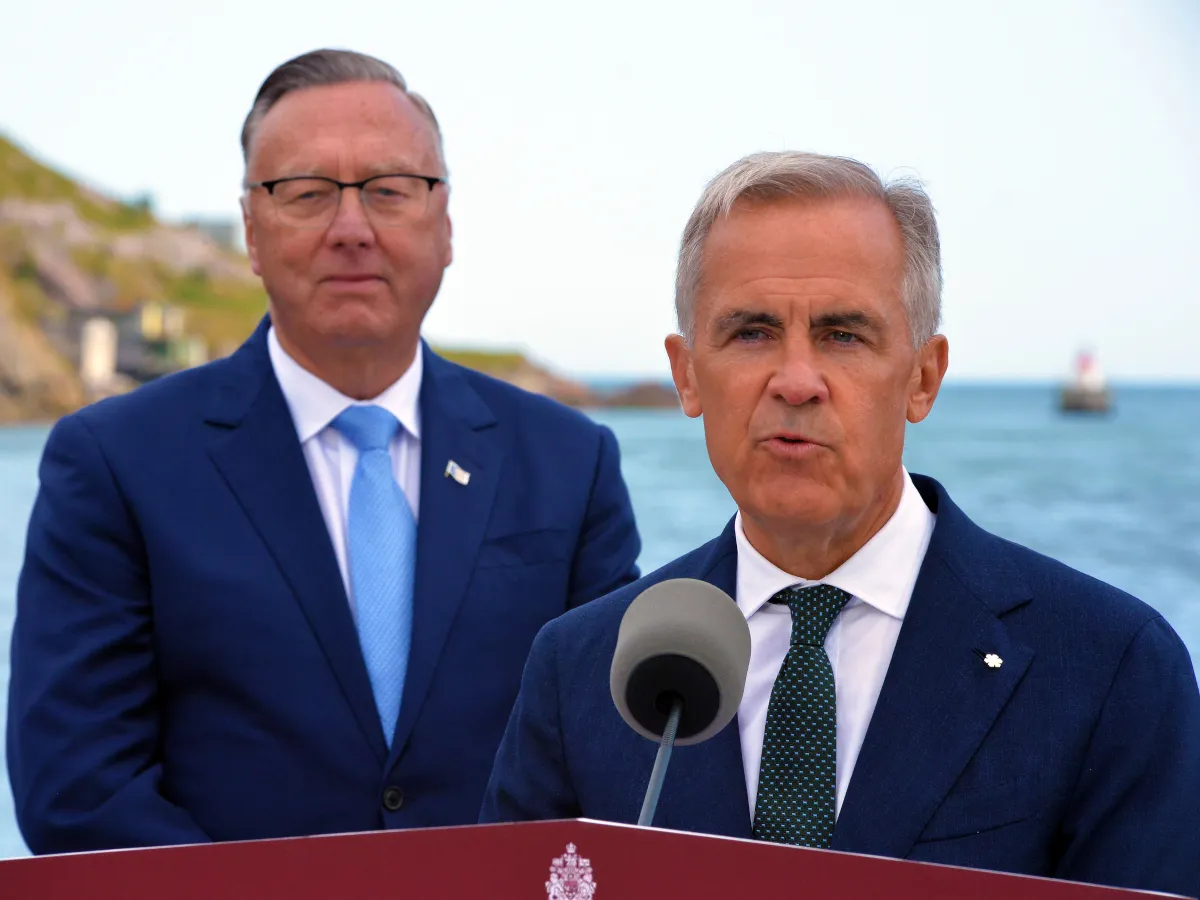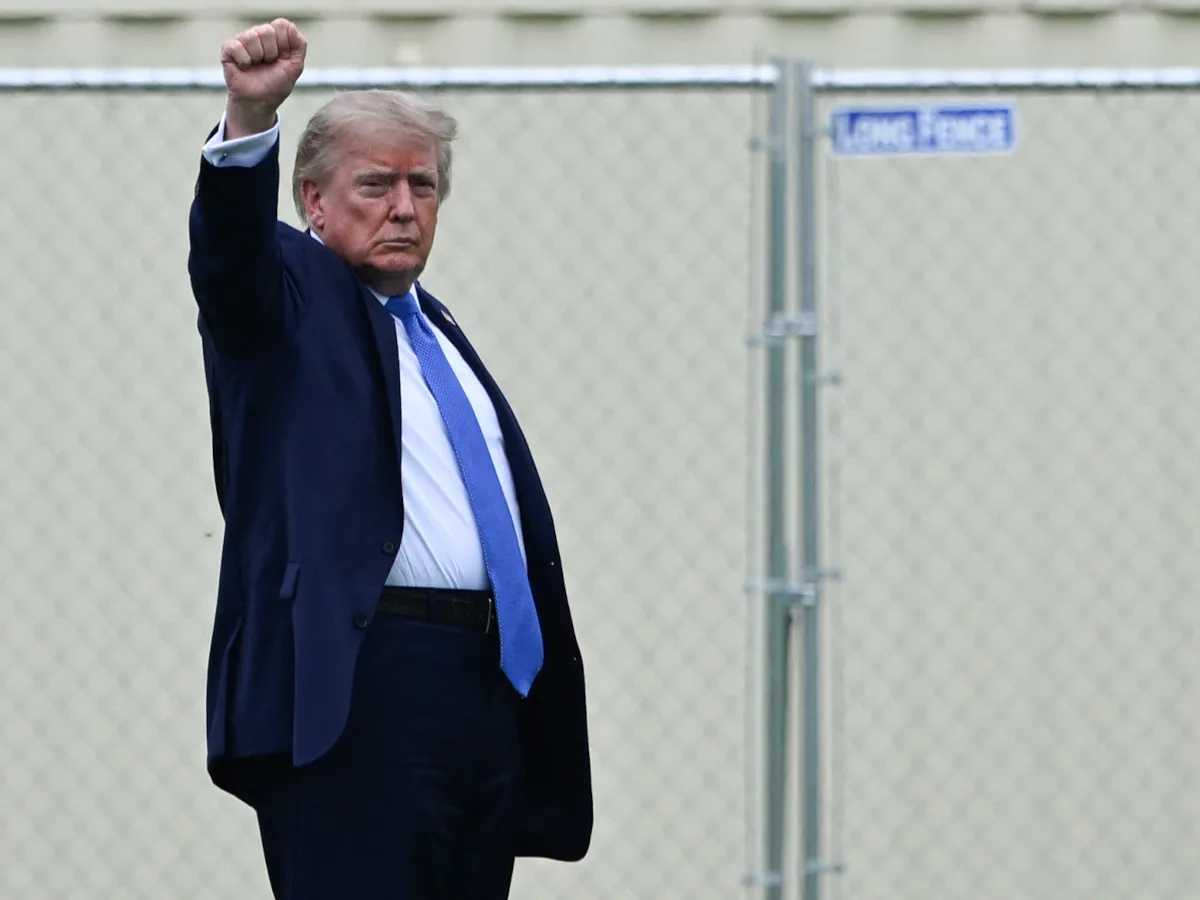
Skip to Content Subscribe Our Offers My Account Manage My Subscriptions FAQ Newsletters Canada Canadian True Crime Canadian Politics Health World Israel & Middle East Financial Post NP Comment Longreads Puzzmo Diversions Comics NP News Quiz New York Times Crossword Horoscopes Life Eating & Drinking Style Sponsored Play for Ontario Travel Travel Canada Travel USA Travel International Cruises Travel Essentials Culture Books Celebrity Movies Music Theatre Television Business Essentials Advice Lives Told Tails Told Shopping Buy Canadian Home Living Outdoor Living Kitchen & Dining Tech Style & Beauty Personal Care Entertainment & Hobbies Gift Guide Travel Guide Amazon Prime Day Deals Savings National Post Store More Sports Hockey Baseball Basketball Football Soccer Golf Tennis Driving Vehicle Research Reviews News Gear Guide Obituaries Place an Obituary Place an In Memoriam Classifieds Place an Ad Celebrations Working Business Ads Archives Healthing Epaper Manage Print Subscription Profile Settings My Subscriptions Saved Articles My Offers Newsletters Customer Service FAQ Newsletters Canada World Financial Post NP Comment Longreads Puzzmo Diversions Life Shopping Epaper Manage Print Subscription HomeNP CommentJesse Kline: Carney refuses to stand up to Trump's bully trade tacticsIt certainly doesn't help that the PM is playing go fish while the president plays poker You can save this article by registering for free here. Or sign-in if you have an account.U.S. President Donald Trump Photo by Brendan SMIALOWSKI/AFP via Getty ImagesAs U.S. President Donald Trump’s Wednesday tariff deadline looms, there are worrying signs that Canadian manufacturers are going to pack up and move south of the border. This is unsurprising for a country that imposes high costs on businesses and seems to have resigned itself to being Trump’s whipping boy.Enjoy the latest local, national and international news.Exclusive articles by Conrad Black, Barbara Kay and others. Plus, special edition NP Platformed and First Reading newsletters and virtual events.Unlimited online access to National Post.National Post ePaper, an electronic replica of the print edition to view on any device, share and comment on.Daily puzzles including the New York Times Crossword.Support local journalism.Enjoy the latest local, national and international news.Exclusive articles by Conrad Black, Barbara Kay and others. Plus, special edition NP Platformed and First Reading newsletters and virtual events.Unlimited online access to National Post.National Post ePaper, an electronic replica of the print edition to view on any device, share and comment on.Daily puzzles including the New York Times Crossword.Support local journalism.Create an account or sign in to continue with your reading experience.Access articles from across Canada with one account.Share your thoughts and join the conversation in the comments.Enjoy additional articles per month.Get email updates from your favourite authors.Create an account or sign in to continue with your reading experience.Access articles from across Canada with one accountShare your thoughts and join the conversation in the commentsEnjoy additional articles per monthGet email updates from your favourite authorsSign In or Create an AccountorLast month, KPMG Canada released the results of a survey of 275 Canadian manufacturers conducted in May, which found that 42 per cent of them have considered, or are currently considering, moving production south of the border. Eleven per cent said they’re thinking of moving their head offices to the United States.A few weeks later, the Financial Post reported that Vancouver-based Interfor Corp., one of the world’s largest lumber producers, plans to “shift its corporate and functional support operations” from British Columbia to Georgia, largely due to Trump’s crippling 45 per cent tariffs on softwood lumber.The National Post newsletter that doesn’t hold back, giving readers the unvarnished truth on media, politics and culture.By signing up, you consent to receive the above newsletter from Postmedia Network Inc.A welcome email is on its way. If you don't see it, please check your junk folder.The next issue of Right? will soon be in your inbox.We encountered an issue signing you up. Please try againCoercing manufacturers to relocate production to the U.S. is, of course, exactly what Trump hoped to achieve. It also explains why the president has singled Canada out for disproportionate punishment: while the U.S. can’t compete with developing countries on labour costs and moving operations from Europe is a costly endeavour, Canada is situated right next door, has an economy that’s already highly integrated with the U.S. and has relatively high wages and an uncompetitive tax system.If these weren’t reasons enough to put Canada in the crosshairs, Prime Minister Mark Carney has shown little willingness to stand up to the bully next door. A year ago, he unilaterally removed most of the counter-tariffs imposed on American goods by his predecessor, only maintaining duties on steel, aluminum and automobiles to protect Canadian industry from similar U.S. tariffs.It’s now apparent that this was a tactical mistake: Carney’s gesture of goodwill lost Canada a strategic bargaining chip, while failing to buy trade peace. Now, the Trump administration is citing Ottawa’s reciprocal tariffs on autos, along with booze bans imposed by some provinces in response to Trump’s trade war, as part of its justification for imposing 50 per cent tariffs on US$20 billion (C$28 billion) worth of Canadian goods.Whether that actually happens remains to be seen: the president gets called on his bluffs so often, the acronym TACO (Trump always chickens out) has entered the English lexicon. Except once in a while, he kidnaps the president of Venezuela, bombs Iran or imposes tariffs on the entire world, ensuring everyone must remain on their toes at all times.Regardless, the message to Canada, as explained by White House trade advisor Peter Navarro in these pages last month, is crystal clear: we will whip you as much as we want, and if you try to fight back, we’ll punish you even harder.This position makes sense, given that most countries have quietly acquiesced to Trump’s tariffs. But Canada stands apart from the pack because we’re America’s second-largest trading partner, behind Mexico and ahead of China, and have had a free-trade agreement in place since 1989.In his first term, Trump railed against NAFTA, calling it the “worst trade deal ever made,” and renegotiated it as the Canada-U.S. Mexico Agreement (CUSMA). The fact that he now intends to violate his own agreement by imposing crippling tariffs on many CUSMA-compliant goods does not inspire a lot of hope for any future settlement — the man likes making deals, just not keeping them.With this latest trade threat, the White House is hoping we’ll scrap our longstanding yet self-destructive system of supply management, restock provincial liquor stores with American booze and drop our counter-tariffs on automobiles, all before sitting down to renegotiate CUSMA, which is clearly a nonstarter.The flurry of trade negotiations in Washington suggests the federal Liberals are hoping to make some minor concessions to avoid the threatened sanctions and head into the CUSMA talks with our biggest bargaining chips in tact. Yet even if such a strategy succeeds, Canada will be left with a weaker hand — and the White House knows it.The alternative strategy — and the only one that appears to work with Trump — is to up the ante. This is the tactic that’s been employed by China and Iran, the two countries that have arguably succeeded in getting the Trump administration to back down.When Trump escalated his trade war with China last year, the Middle Kingdom didn’t roll over, but instead raised the stakes, continually increasing tariffs on American imports to a peak of 125 per cent. At this point, the White House caved, dropping tariffs to 30 per cent, from a high of 145 per cent.Iran also refused to yield after being hit with punishing American and Israeli airstrikes. Instead of taking the off-ramp offered by the administration, it continued blocking the Strait of Hormuz, which appears to have succeeded, as Trump is no longer insisting Tehran put a stop to its nuclear program. The Iranian regime knows that both Trump and the American people have little appetite for war, and have exploited it to their full advantage.Both countries are bad actors, and I’m by no means suggesting we should get in bed with them or emulate their tactics. But Canada does more trade with the U.S. than China — purchasing over US$333 billion worth of U.S. good last year alone — which means that any retaliatory measures we impose could have a big impact on the American economy. And with the midterm elections looming, now would be the time to make our move.National Post jkline@postmedia.comTwitter.com/accessd Join the Conversation This website uses cookies to personalize your content (including ads), and allows us to analyze our traffic. Read more about cookies here. By continuing to use our site, you agree to our Terms of Use and Privacy Policy.
Jesse Kline: Carney refuses to stand up to Trump's bully trade tactics
It certainly doesn't help that the PM is playing go fish while the president plays poker
1,431 words~7 min read