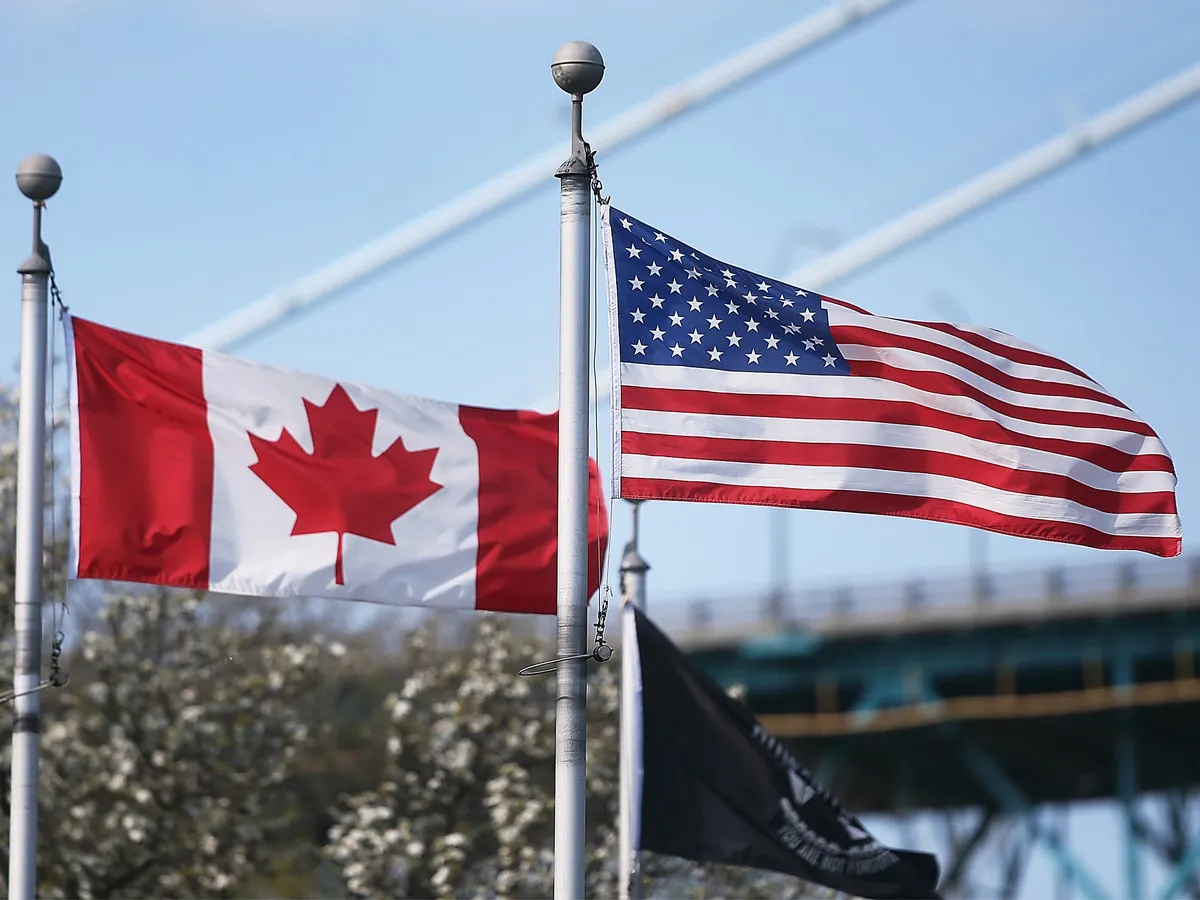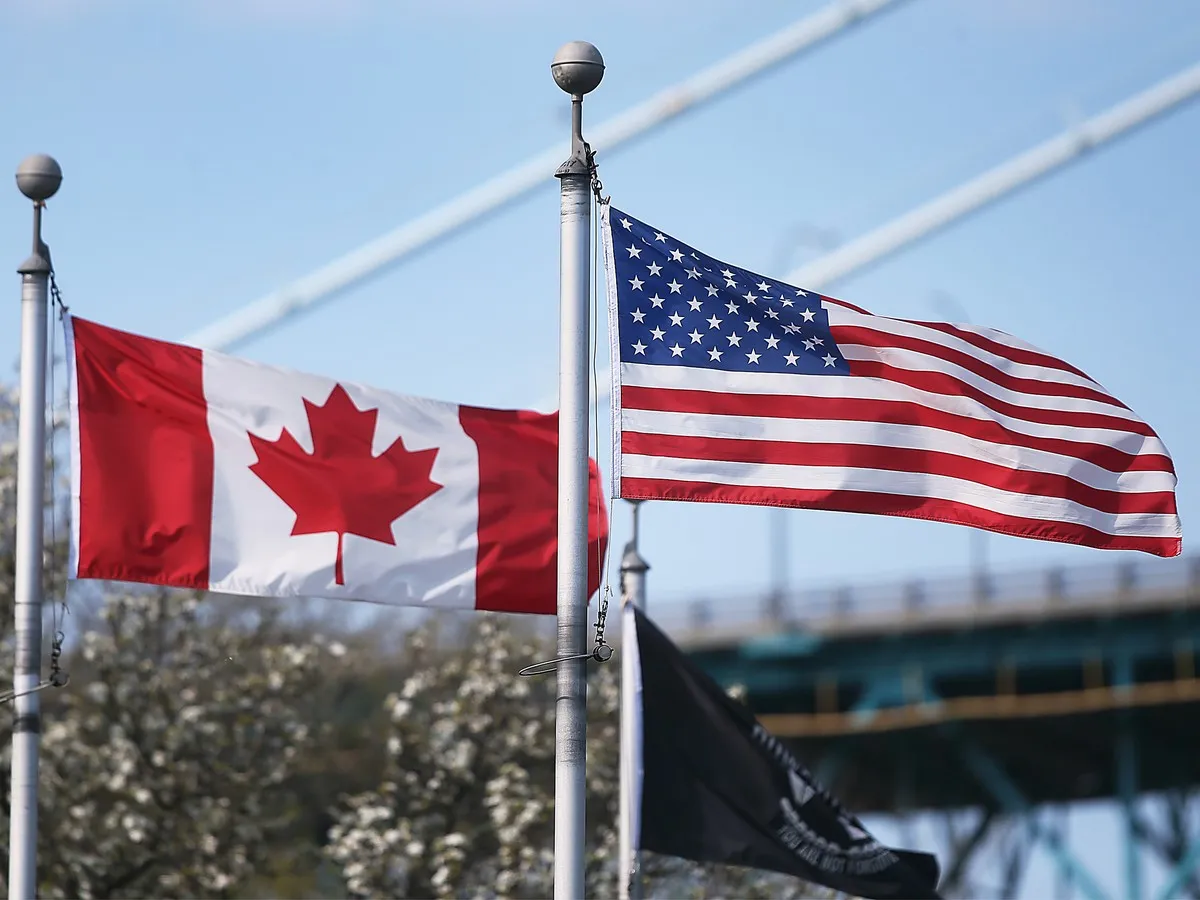
Skip to Content Subscribe Our Offers My Account Manage My Subscriptions FAQ Newsletters Canada Canadian True Crime Canadian Politics Health World Israel & Middle East Financial Post NP Comment Longreads Puzzmo Diversions Comics NP News Quiz New York Times Crossword Horoscopes Life Eating & Drinking Style Sponsored Play for Ontario Travel Travel Canada Travel USA Travel International Cruises Travel Essentials Culture Books Celebrity Movies Music Theatre Television Business Essentials Advice Lives Told Tails Told Shopping Buy Canadian Home Living Outdoor Living Kitchen & Dining Tech Style & Beauty Personal Care Entertainment & Hobbies Gift Guide Travel Guide Amazon Prime Day Deals Savings National Post Store More Sports Hockey Baseball Basketball Football Soccer Golf Tennis Driving Vehicle Research Reviews News Gear Guide Obituaries Place an Obituary Place an In Memoriam Classifieds Place an Ad Celebrations Working Business Ads Archives Healthing Epaper Manage Print Subscription Profile Settings My Subscriptions Saved Articles My Offers Newsletters Customer Service FAQ Newsletters Canada World Financial Post NP Comment Longreads Puzzmo Diversions Life Shopping Epaper Manage Print Subscription HomeNP CommentConrad Black: A comprehensive plan for Canada to survive Trump's trade warRetaliation should be confined to those areas that get maximum American attention at minimum cost to ourselvesLast updated 2 days ago You can save this article by registering for free here. Or sign-in if you have an account.A Canadian and American flag fly along the border at the Detroit River in Windsor. Photo by Dan Janisse /The Windsor StarPresident Trump has said many times that he likes Canada and that his only grievance against us was that we had better trade negotiators than the United States. I have had the opportunity to suggest that the most effective response to that was to get better negotiators rather than to sandbag us with unreasonable tariffs that would come back upon millions of Americans as well. The long promised 50 per cent U.S. tariff increases on a wide range of Canadian items are scheduled to go into effect on August 19, though there are rumors of an imminent preemptive agreement that will avoid that.Enjoy the latest local, national and international news.Exclusive articles by Conrad Black, Barbara Kay and others. Plus, special edition NP Platformed and First Reading newsletters and virtual events.Unlimited online access to National Post.National Post ePaper, an electronic replica of the print edition to view on any device, share and comment on.Daily puzzles including the New York Times Crossword.Support local journalism.Enjoy the latest local, national and international news.Exclusive articles by Conrad Black, Barbara Kay and others. Plus, special edition NP Platformed and First Reading newsletters and virtual events.Unlimited online access to National Post.National Post ePaper, an electronic replica of the print edition to view on any device, share and comment on.Daily puzzles including the New York Times Crossword.Support local journalism.Create an account or sign in to continue with your reading experience.Access articles from across Canada with one account.Share your thoughts and join the conversation in the comments.Enjoy additional articles per month.Get email updates from your favourite authors.Create an account or sign in to continue with your reading experience.Access articles from across Canada with one accountShare your thoughts and join the conversation in the commentsEnjoy additional articles per monthGet email updates from your favourite authorsSign In or Create an AccountorGlobalism was partly based on the retention of trade concessions that the advanced countries and especially the United States had made in order to buy the comparative goodwill of many politically neutral or unreliable countries during the Cold War, and partly came from endless demands from underdeveloped countries for “trade not aid,” as if we owed them the creation of domestic unemployment to increase their workforces. It has finally been realized that the advanced countries do not have to be overly self-sacrificing for the benefit of other nationalities to whom we do not owe such largesse.The National Post newsletter that doesn’t hold back, giving readers the unvarnished truth on media, politics and culture.By signing up, you consent to receive the above newsletter from Postmedia Network Inc.A welcome email is on its way. If you don't see it, please check your junk folder.The next issue of Right? will soon be in your inbox.We encountered an issue signing you up. Please try againThere was absolutely no reason for the United States to be running a trade deficit of $1.3 trillion and although the American administration has imposed tariffs in a gratuitously blunderbuss manner, there is nothing wrong with that country straightening out its accounts and putting the welfare of its own workforce ahead of others. The world owes the United States more than the United States owes the world. However, and as I have also had occasion to tell Mr. Trump and reported here, his assimilation of Canada’s conduct to Mexico’s was an outrage. The U.S. does not really run a deficit with Canada; this has always been a fair-trading country, and Mexico was in active collusion with the most violent gangsters in the world in the introduction of huge numbers of destitute people into the United States including hundreds of thousands of hardened criminals bringing with them dangerous quantities of lethal narcotics. Mexico also engaged in a systematic pattern of attracting American manufacturing with tax breaks, cheap labour, and abuse of trade arrangements to sell product back into the U.S. that had formerly been made there. We did none of this and were defamed by the comparison.On the other hand, the Liberal election campaign last year representing the American president as Godzilla preparing to rape Canada-the land of Dudley Doright and the pure snow-maidens, though it had the virtue of succeeding electorally, was also unutterable nonsense. It is a hallmark of the Trump negotiating tactics to announce extreme positions and create a great deal of confusion and alarm, as has been demonstrated (quite unsuccessfully) in the current pyrotechnics about the Iran war. There is an opportunity to turn this agitated period of U.S.-Canada relations to our advantage.Of course, we should be much less integrated into the American economy, but the way to achieve that is to increase our exports to other countries, not to get into a trade war with United States. Trump is correct that he doesn’t really need our automobile and steel industries and I’m not qualified to say if he really needs our forestry industry either since the United States has no shortage of forests and related processing facilities.We must do the necessary to maintain access to the incomparable American market, which despite all the posturing of China and until recently of Europe, is approximately 175 per cent of the size of each of those markets and roughly 75 per cent of the size of Europe and China combined, and it adjoins us and it is growing much more quickly than the economies of Europe and China. In order to reverse our decade-long cash drain we have to lower corporate income taxes beneath the American level again (as the Stephen Harper government did). We have to bury the putrid corpse of pseudo-ecological self-punitive flimflam and extract our resources and export them as profitably as possible. That is how to maintain as much as we can of the American market while reducing our dependence upon it.To the extent that the Americans are unreasonable, we must reply effectively and rise above churlishness, name-calling, and bloviation, even if our interlocutors are less decorous. We must organize a national consensus to defend the different economic interests of all of our regions with equal determination and not allow those differences to be exploited by the Americans. The capable U.S. Treasury Secretary Scott Bessent recently referred gratuitously to Alberta separatism. We should get on with building pipelines to the east and west and south of Alberta and drive a silver stake through the heart of that subject.We have to remember that our tariffs raise costs to our people and retaliation should be confined to those areas that get maximum American attention at minimum cost to ourselves. And we should take advantage of this urgent time to bang heads together in the provinces and make Canada one single market at last. We should pitch both our response and our public comments to those extensive elements of the American population that don’t like American tariffs on Canada. President Trump is poaching millions of American workers from the former fiefdoms of his Democratic opponents: steelworkers and machinists and many of the automobile-related unions are quite pro-Canadian and could be very influential in what promises to be a close battle for control of the congress in the elections in November.We can effectively lobby many state governors but should steer clear of the tenebrous thicket of legal disputes between the administration and the judicial system. Very few in the United States dislike Canada and we can make alliances of convenience with many elements of that very complicated society. There are all sorts of things that we could do if it becomes nasty, including incentivizing non-American winter vacations and even assisting human rights charities that would attack the ability of federal criminal prosecutors to continue enjoying the concession by defendants of 95 per cent of indictments without trial. It is an extremely corrupt system and very vulnerable if a larger number of respectable defendants were enabled, in the interests of greater human freedom and justice, to have their day in court. Canada is not accustomed to being anything other than upright and guileless. If need be, we could change that under sufficient provocation. Donald Trump is a dedicated nationalist and astute negotiator; he has no malice towards us and is aware that the United States has its vulnerabilities.National Post Join the Conversation This website uses cookies to personalize your content (including ads), and allows us to analyze our traffic. Read more about cookies here. By continuing to use our site, you agree to our Terms of Use and Privacy Policy.
Conrad Black: A comprehensive plan for Canada to survive Trump's trade war
Retaliation should be confined to those areas that get maximum American attention at minimum cost to ourselves
1,640 words~7 min read