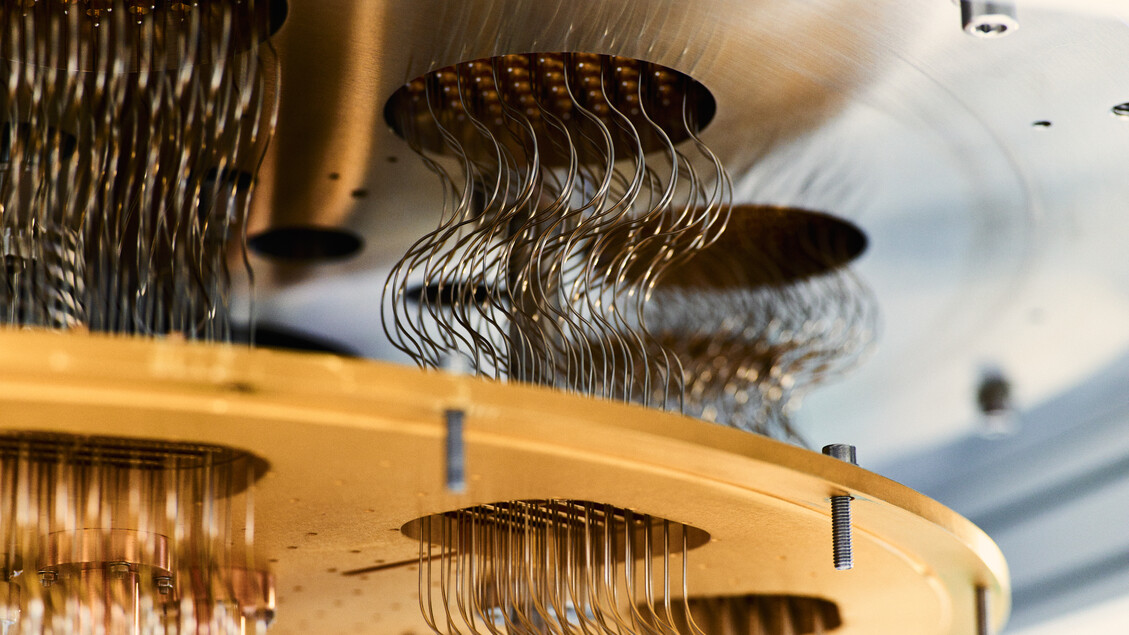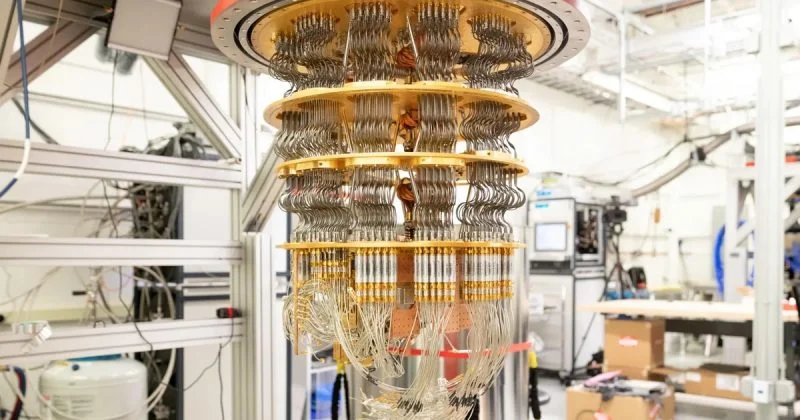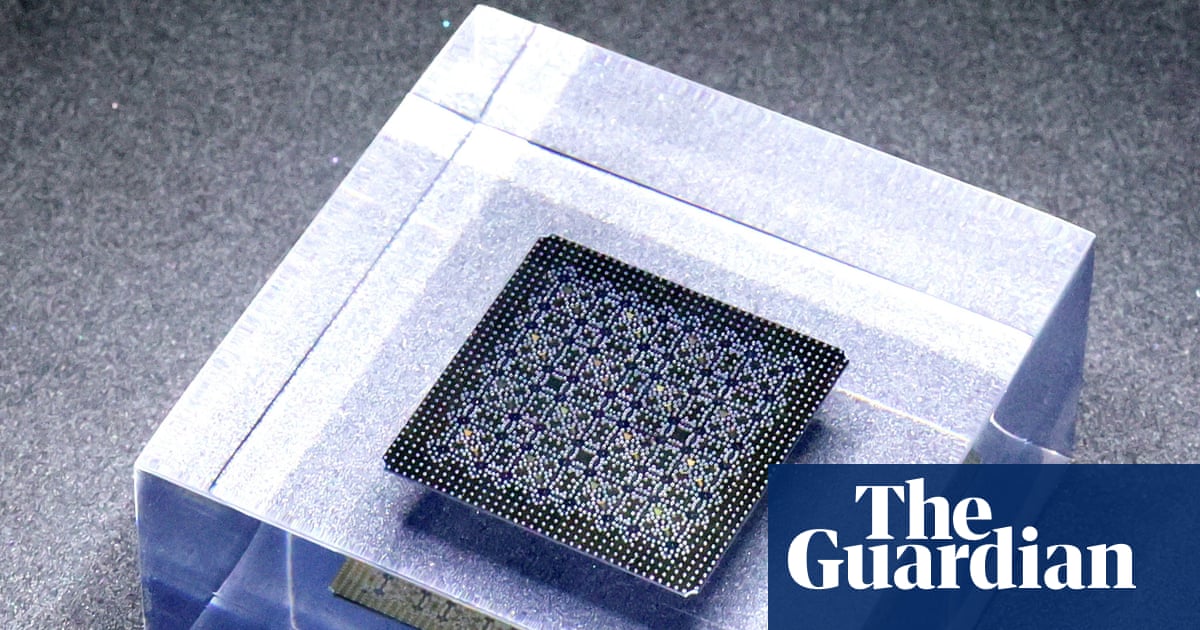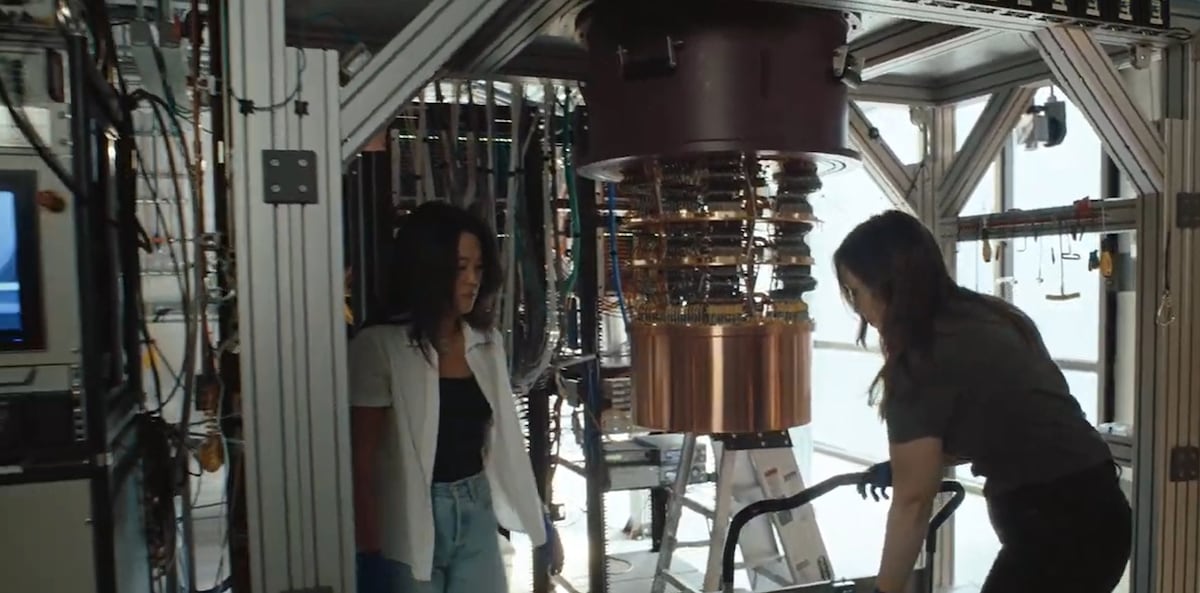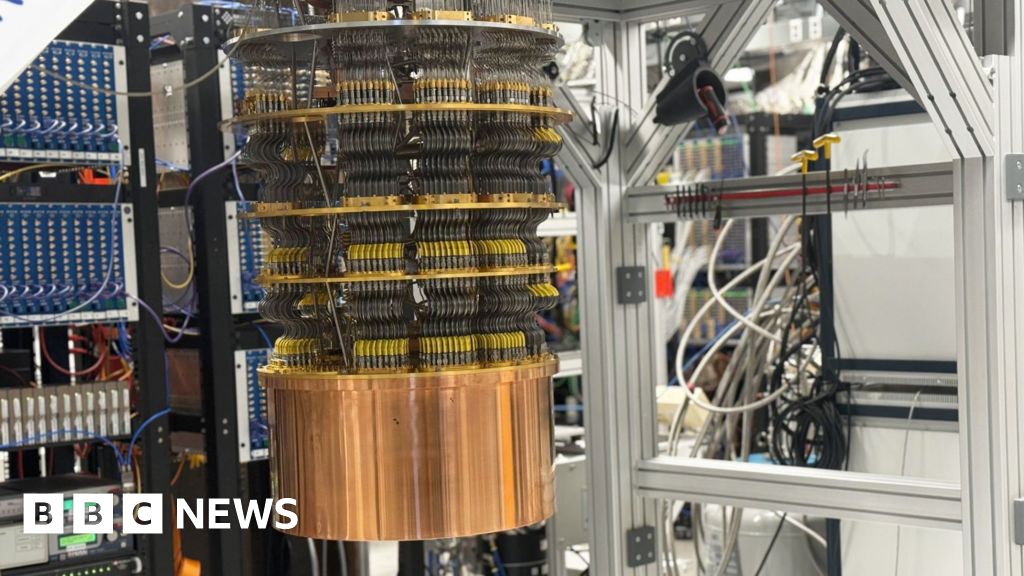
Google Quantum AI’s latest processor, Willow, completed a benchmark computation in under five minutes. The same task would take Frontier, one of the world’s fastest classical supercomputers, an estimated 10 septillion years. That’s 10 followed by 25 zeros, a number so large it makes the age of the universe (roughly 14 billion years) look like a rounding error.
The 105-qubit superconducting chip represents a genuine breakthrough in quantum error correction, the field’s most stubborn bottleneck. But Google CEO Sundar Pichai offered a reality check in February 2025: practical, useful quantum computers are still 5 to 10 years away.
What Willow actually did
The benchmark in question is called random circuit sampling, a task specifically designed to test quantum processors against classical machines. Google announced the Willow results on December 9, 2024, alongside a peer-reviewed paper published in Nature.
Willow broke that cycle. By increasing the “code distance” from 5 to 7 (a measure of how many physical qubits protect each logical qubit), Google’s team reduced the logical error rate by a factor of approximately 2.14. This is the first time anyone has successfully maintained performance below what’s known as the surface code threshold at both distance 5 and distance 7.