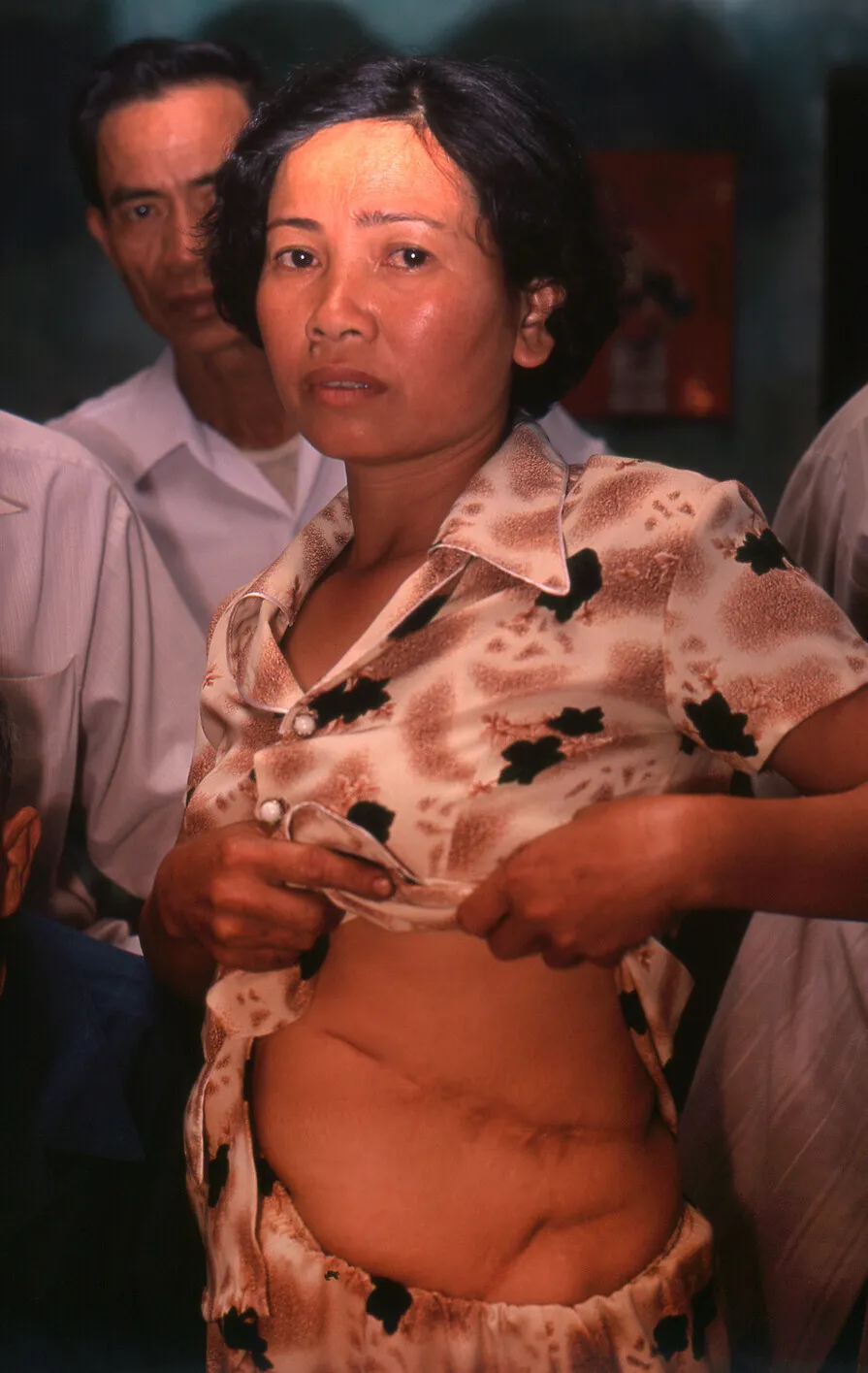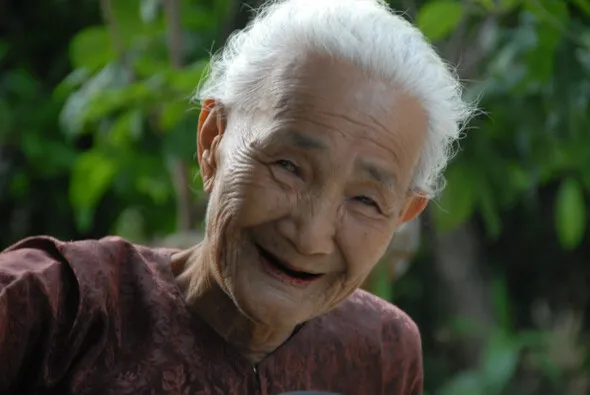
a survivor of the 1968 Ha My massacre by South Korean soldiers in Vietnam
By Ku Su-jeong, contributing writer to Hankyoreh 21, in Vietnam The chanting of the monks, prayers for the old woman Pamtihoa to have a peaceful journey to the next life, can be heard at the entrance to the village. My heart sinks, and I find it hard to move forward, as if my feet are glued to the ground.
The funeral procession for Pamtihoa with a total of 200 mourners from both Vietnam and South Korea
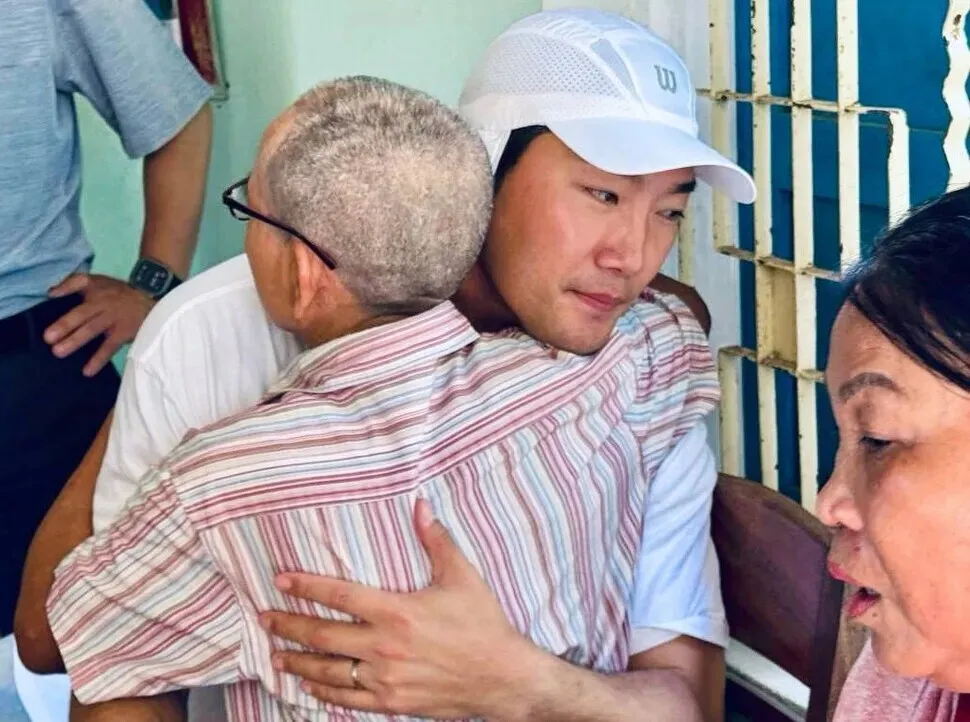
“She’s here! She’s here!” Several people from Ha My village in Dien Ban District of Quang Nam Province, Vietnam who had been squatting in a narrow alley, come running out and pull me along by the hand. “When I go, I will carry away all the burden of the past”They nod at me, as warm as if one of their own people had returned from afar. The wreaths of flowers that various Korean organizations had sent to express their condolences line the funeral home, which is full of commotion.I light three sticks of incense and place them on the funeral home’s altar and then bow twice. Smoke rises from the incense like the woman’s last breath. Behind is a portrait of the deceased. In the picture, Pamtihoa is silent, just as she always was.When I emerge from inside the mortuary, I see Jjeungtitu, another old woman who survived the massacre at Ha My. She hobbles around on her stump leg that ends at her ankle, bowing her head low as she savors the scent of each wreath. She repeats each of the Chinese characters on the messages of condolence again and again. “Now, may you rest in peace in heaven, where there is no war.” “The love that you planted in our hearts will bloom as peace.”That morning, Pamtihoa’s face had been glowing as it had not for a long time. Her eldest son, who had been in and out of the hospital since the past winter as he received five rounds of surgery, had returned home, and her second son whom she had missed so much had flown all the way from Australia. Afraid that she might outlive her son, she had abstained from all food and drink and had refused to say a word. But now, sitting with her two sons, reunited after dozens of years, she spoke carefully and at length. “When I go, I will carry away all the burden of the past,” she said. “So even after I’m gone, you need to take good care of our Korean friends when they visit. Tell the people of the village that they should stop hating them now, too. I feel so sorry for them… They came all the way from Korea for the memorial service. I can die without any regrets. I was more opposed to the idea of covering the epitaph on the memorial stone than anyone else, but 10 years have passed now and what can be done about it now? When I think of Koreans coming all the way here and getting their feelings hurt, I also think it might be better just leaving it as it is…”They didn’t know that that would be the old woman’s last request. While she had been having trouble keeping down two spoonfuls of porridge a day, on that day she finished off an entire bowl of gruel that her son fed her. “You’re all hungry, too. Go and eat something,” she said. Just when the family members sat down at the table to eat, they heard the sound of someone pounding the bed. They rushed over and found the old woman gasping out her final breaths. At 12:40 AM on June 16th, Pamtihoa departed from this troubled world at the age of 87. She looked to be at peace, as if she had drifted off to sleep. She was truly at rest for the first time in her life.