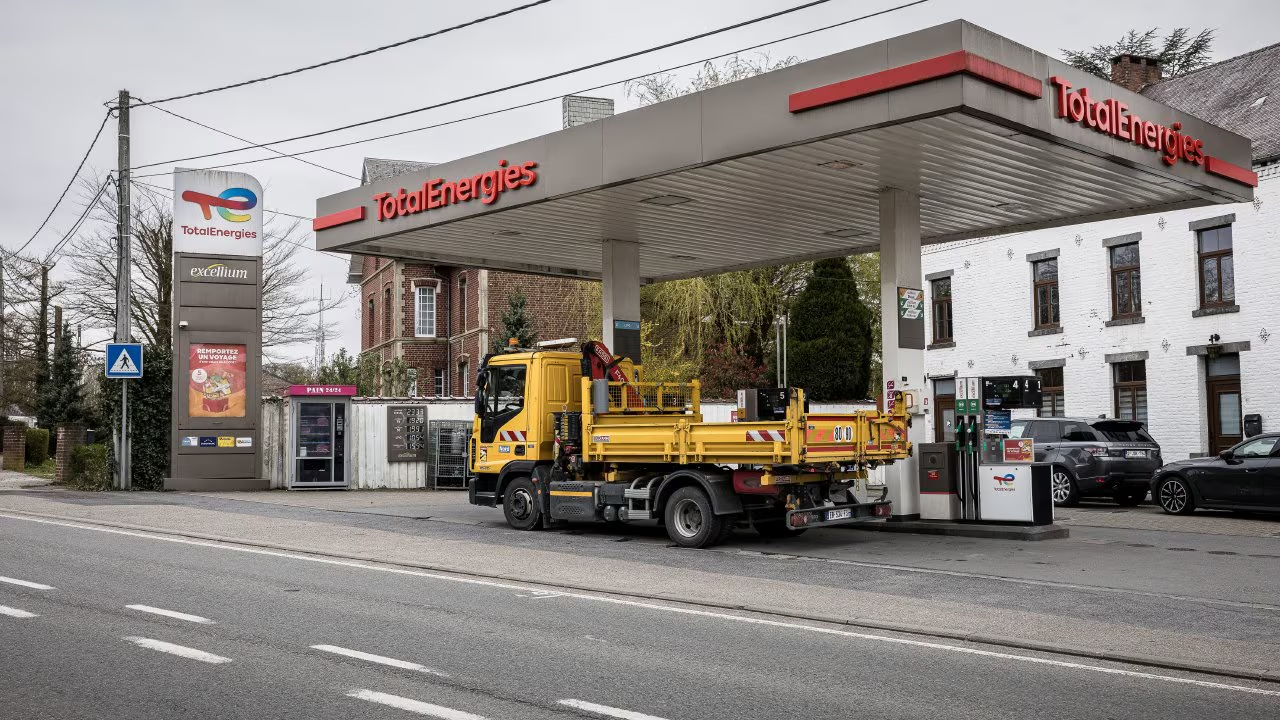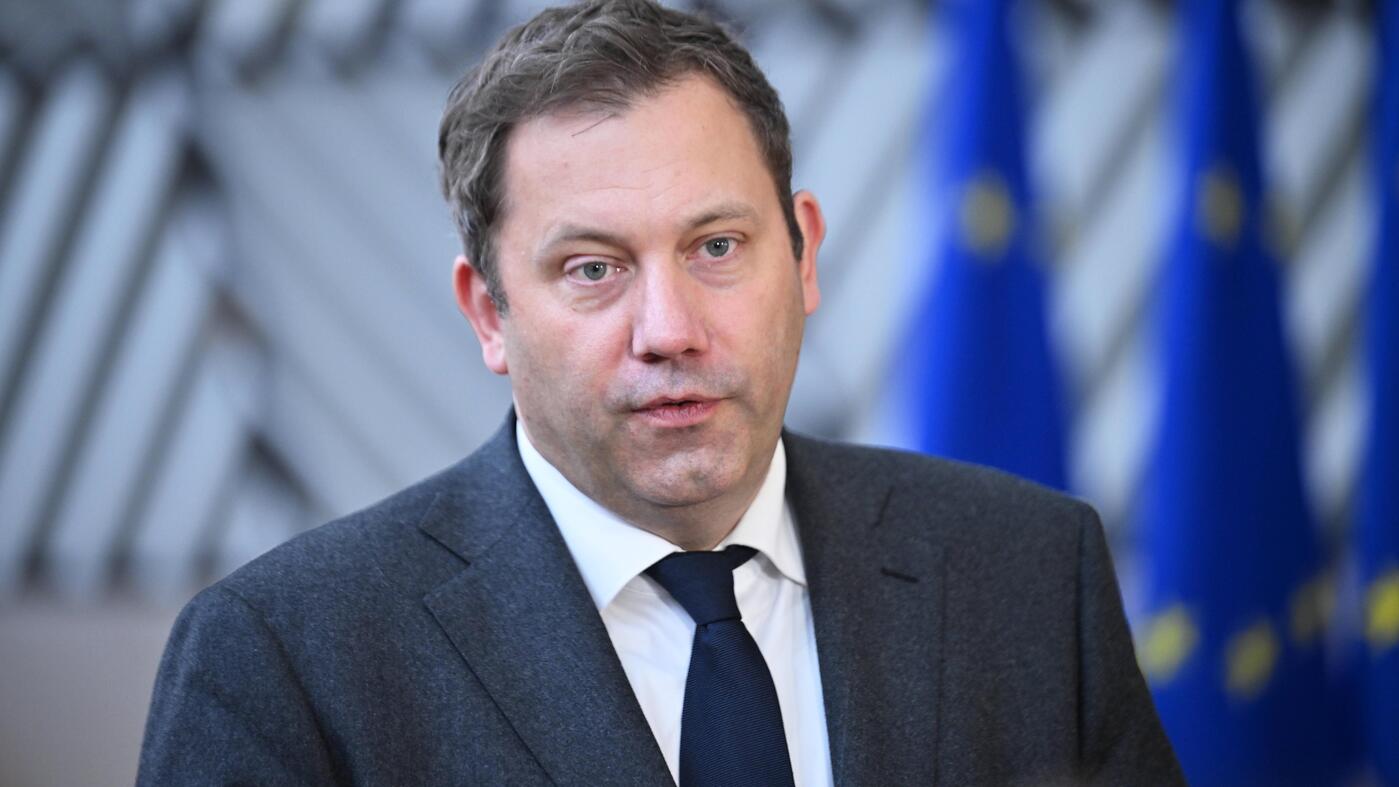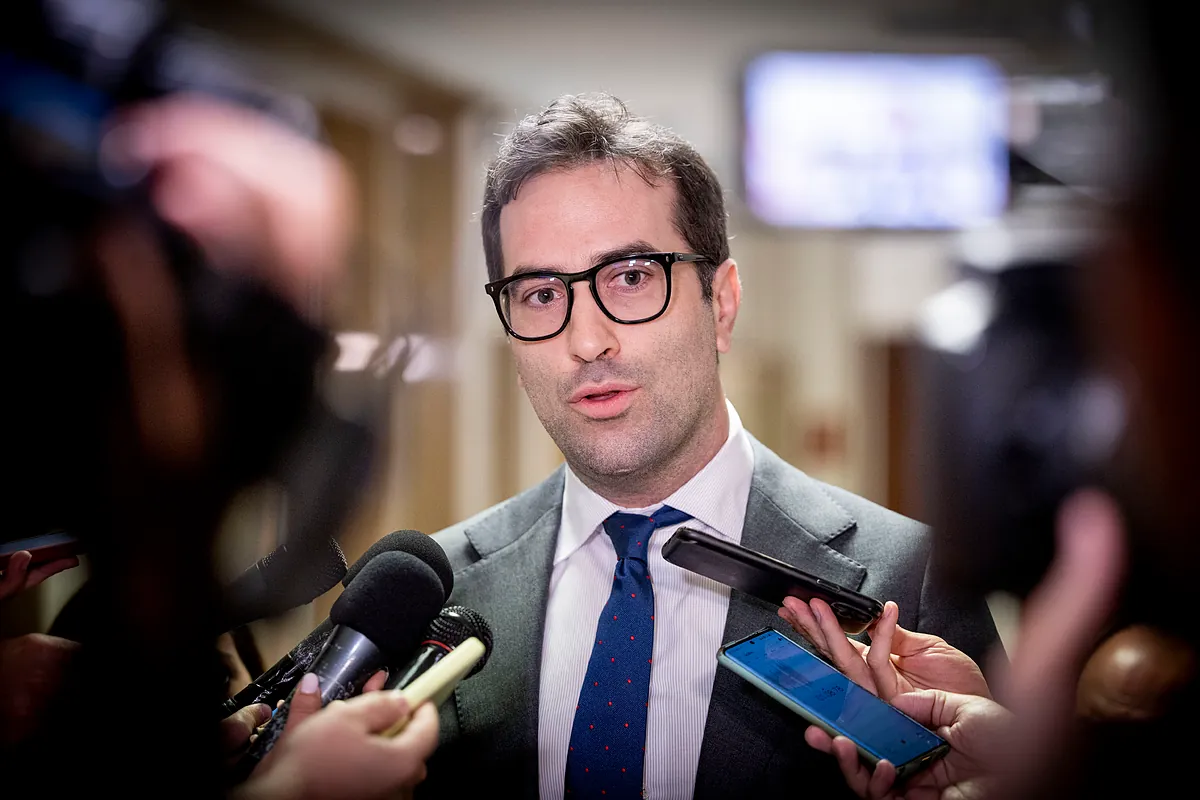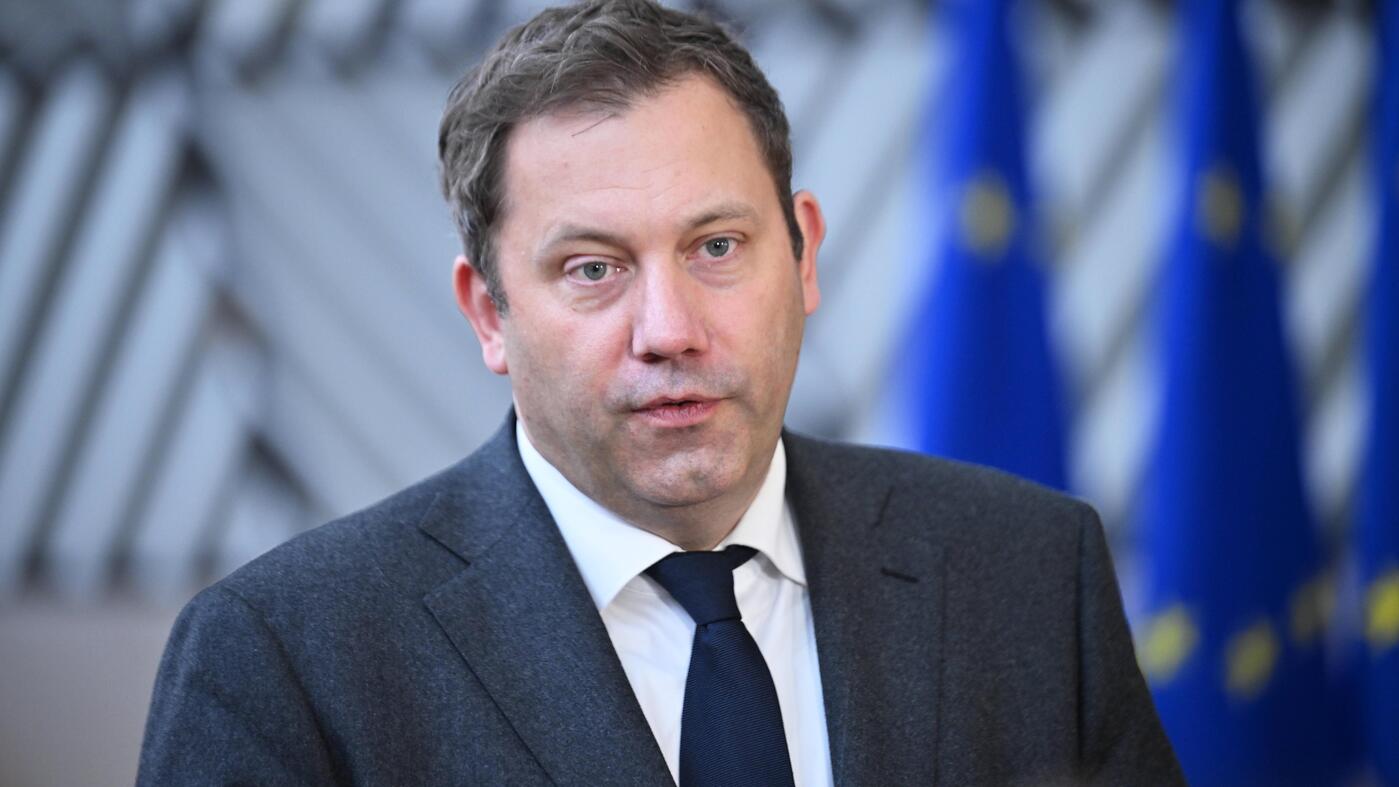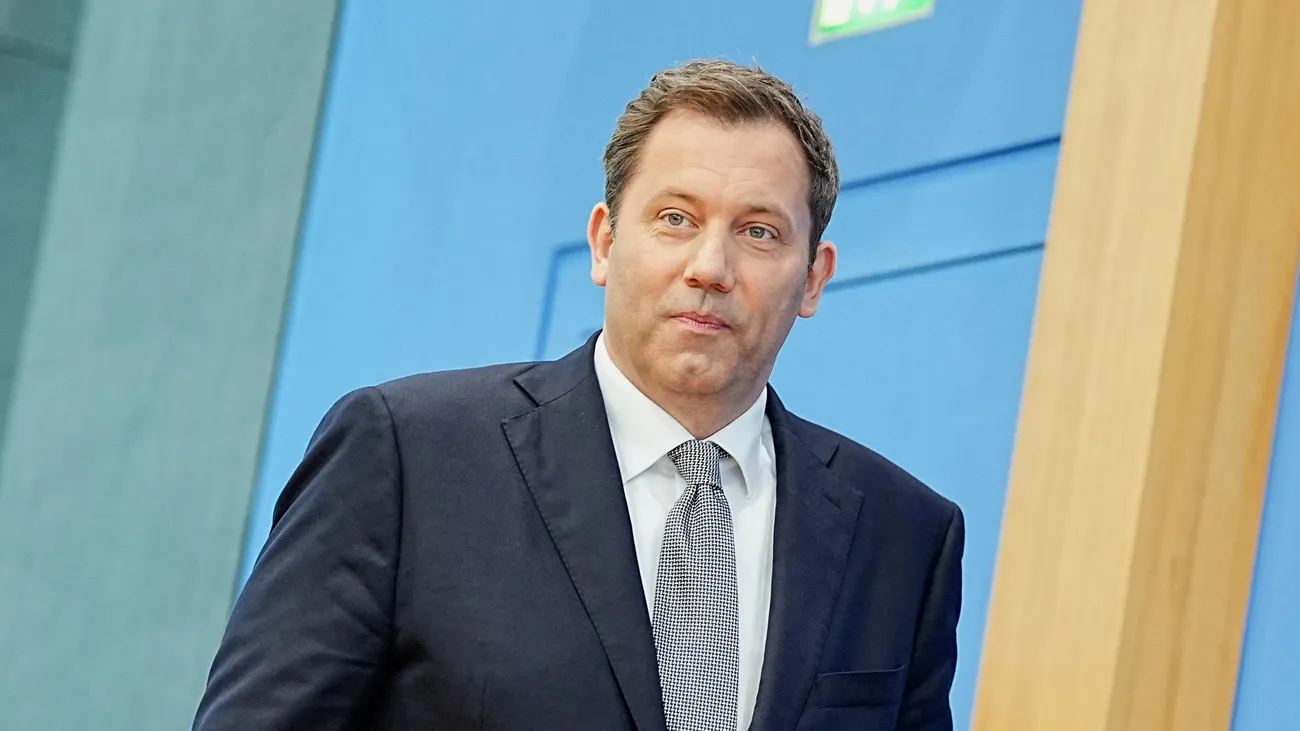
Frankfurt: Six EU countries are stepping up calls for a bloc-wide windfall tax on oil companies as profits soar due to the Middle East war, according to a letter seen by AFP Saturday.The finance ministers of Germany, Italy, Austria, Poland and Portugal, along with Spain's economy minister, sent the joint letter to Ireland's finance minister.Ireland currently holds the EU's rotating presidency, and the ministers urged the issue of a levy be put on the agenda at a meeting of the bloc's finance chiefs in Dublin next month.Also Read: 7 people, including 2 police officers, die following head-on collision in northeast England"Oil companies are enjoying overall profitability and margins on refined products that exceed the rise in crude oil prices," it read."We are experiencing one of the biggest supply shocks in decades, and all over the world there is growing discontent about the rise in the cost of living."They called for discussions on an "EU-wide framework to tax windfall profits," which would take into account lessons from when a similar measure was introduced in 2022 following Russia's invasion of Ukraine.Also Read: Iran’s South Pars Phase 14 refinery 70% repaired after Israeli strike: ReportGerman Finance Minister Lars Klingbeil has repeatedly stressed that energy companies must not "rip off" consumers during the current crisis, a ministry source told AFP."Excessive crisis profits must be returned to consumers," said the source.Several of the countries had already called for a levy to be imposed on oil firm profits earlier this year.Energy firms have seen their earnings soar since the United States and Israel launched a war against Iran in February, resulting in constricted traffic through tthe key transit route the Strait of Hormuz.The EU has so far not indicated it intends to impose a levy on oil companies, however.There are also divisions within the German government over the issue.While Klingbeil of the centre-left SPD, the junior partners in the ruling coalition, backs a levy, the centre-right CDU party of Chancellor Friedrich Merz is against it.
Six EU countries urge windfall tax on energy firms
Six EU nations are urging a bloc-wide windfall tax on oil companies. Profits have surged due to the ongoing Middle East war and rising costs. Ministers want this levy discussed at an upcoming meeting of finance chiefs. They cite lessons learned from a similar measure introduced in 2022. Germany's finance minister believes excessive profits must be returned to consumers.
329 words~1 min read