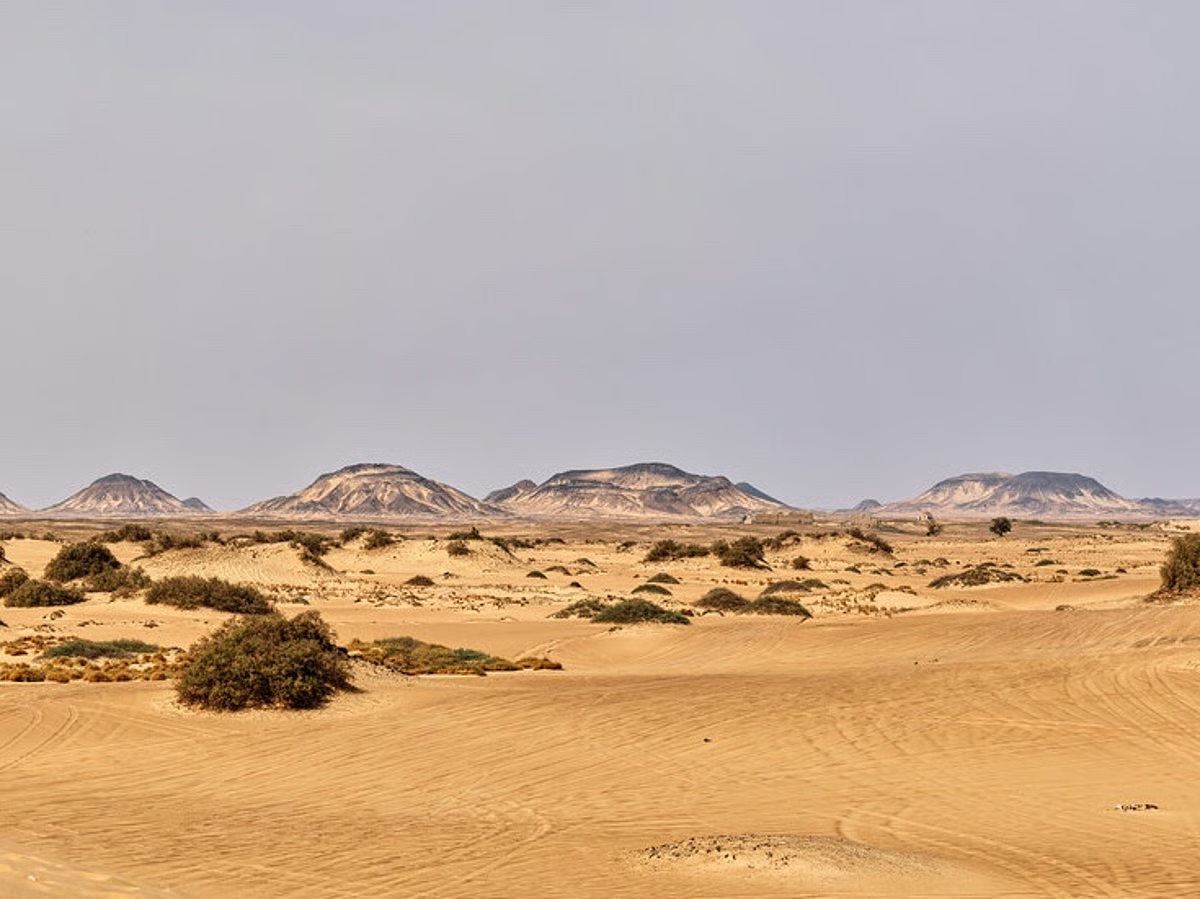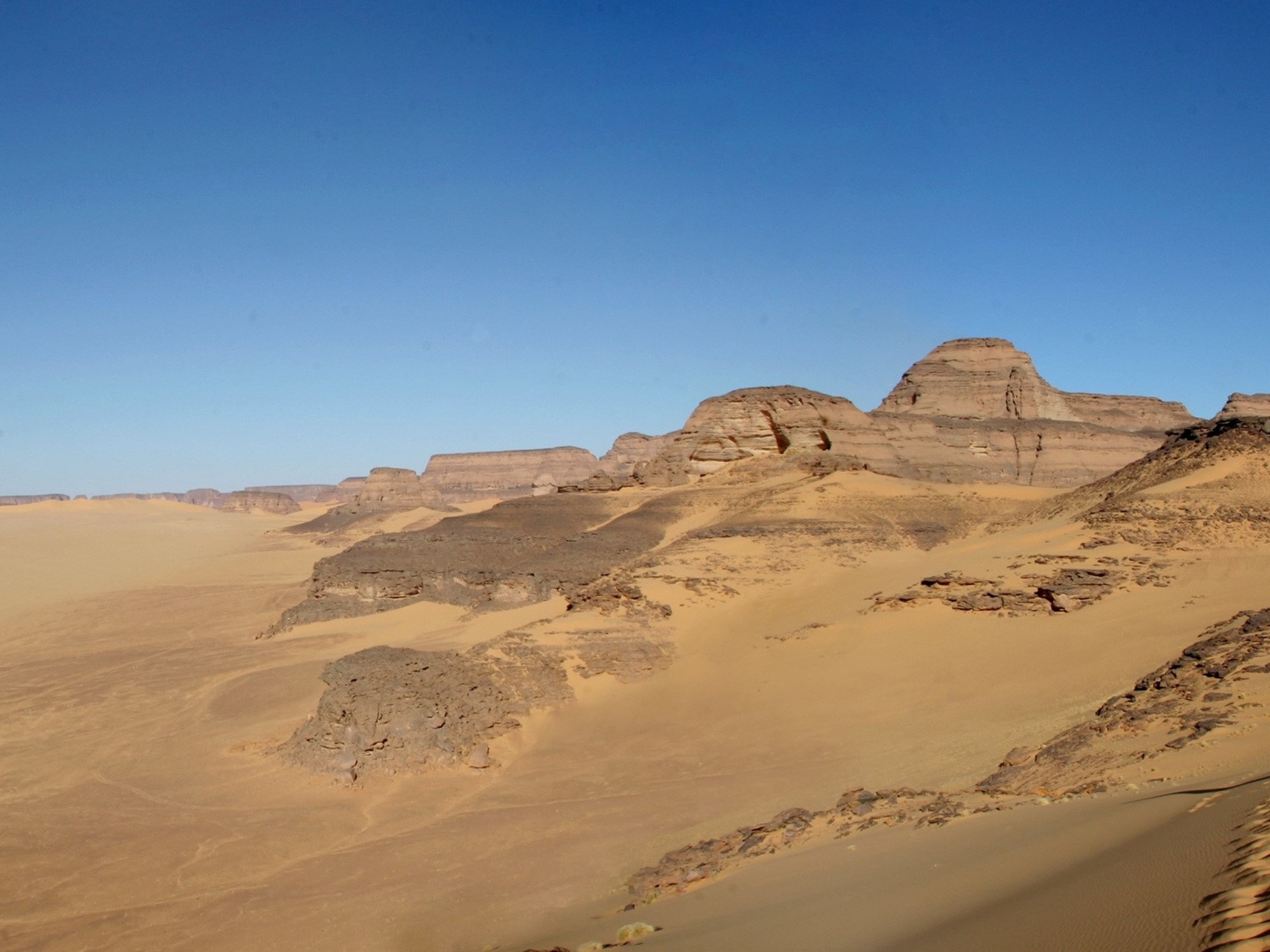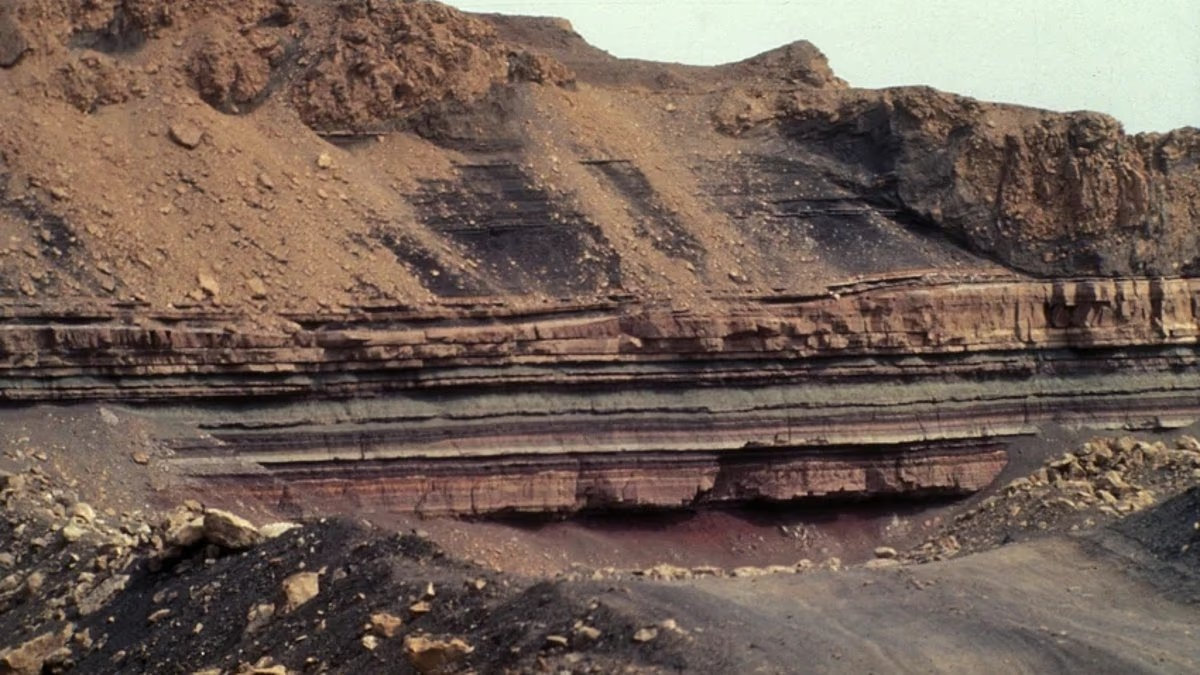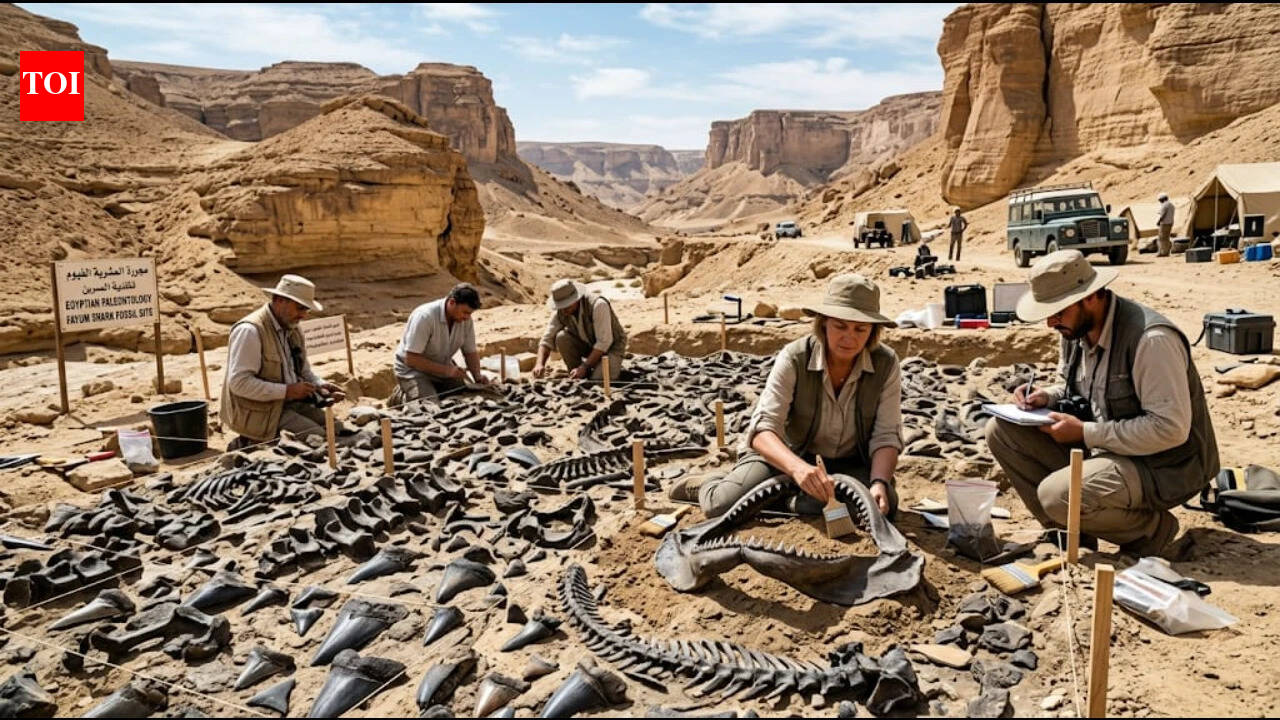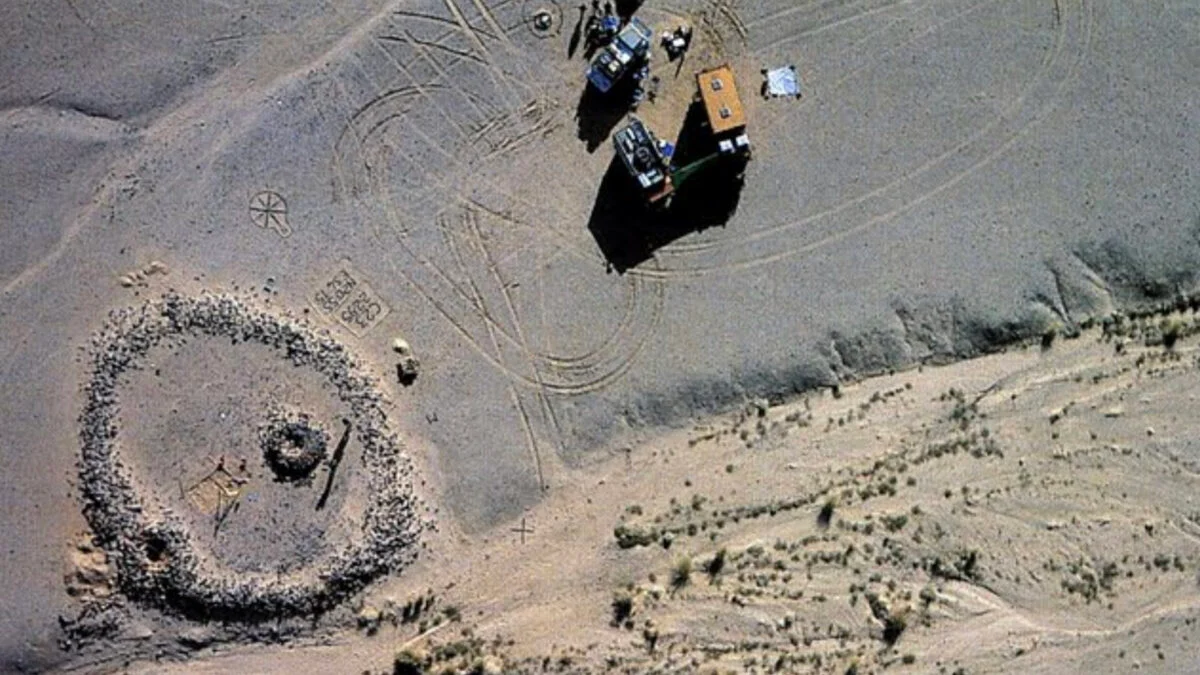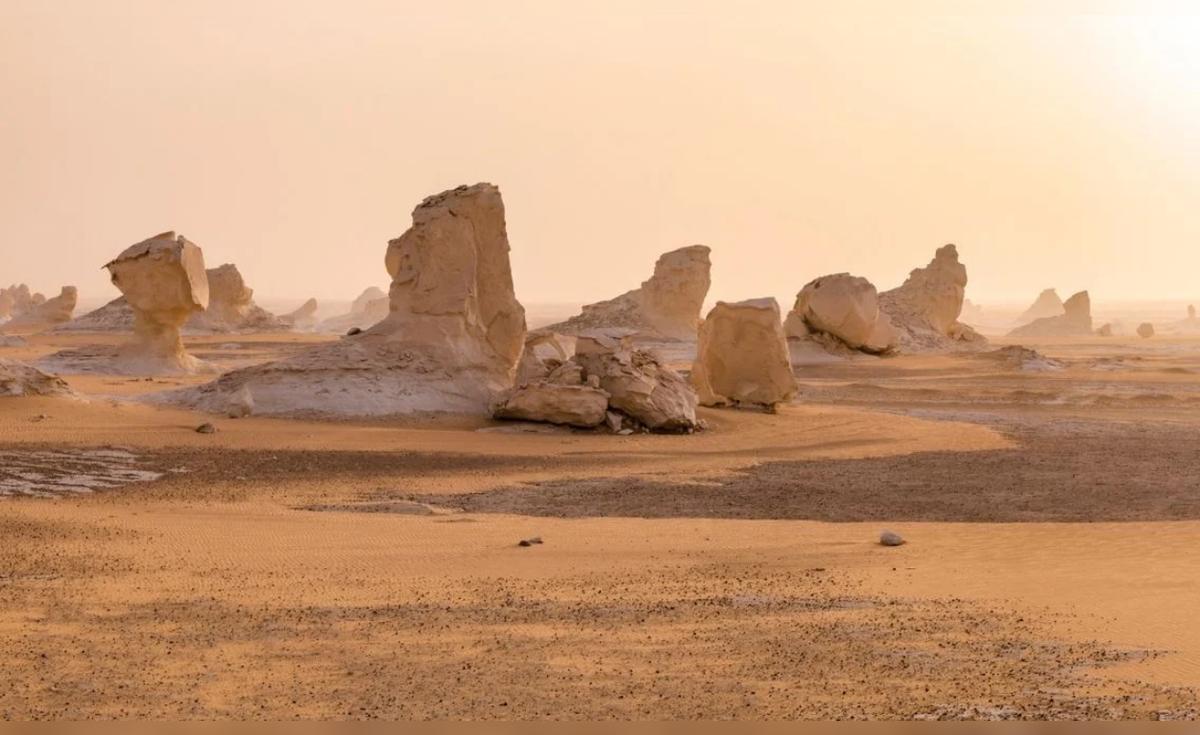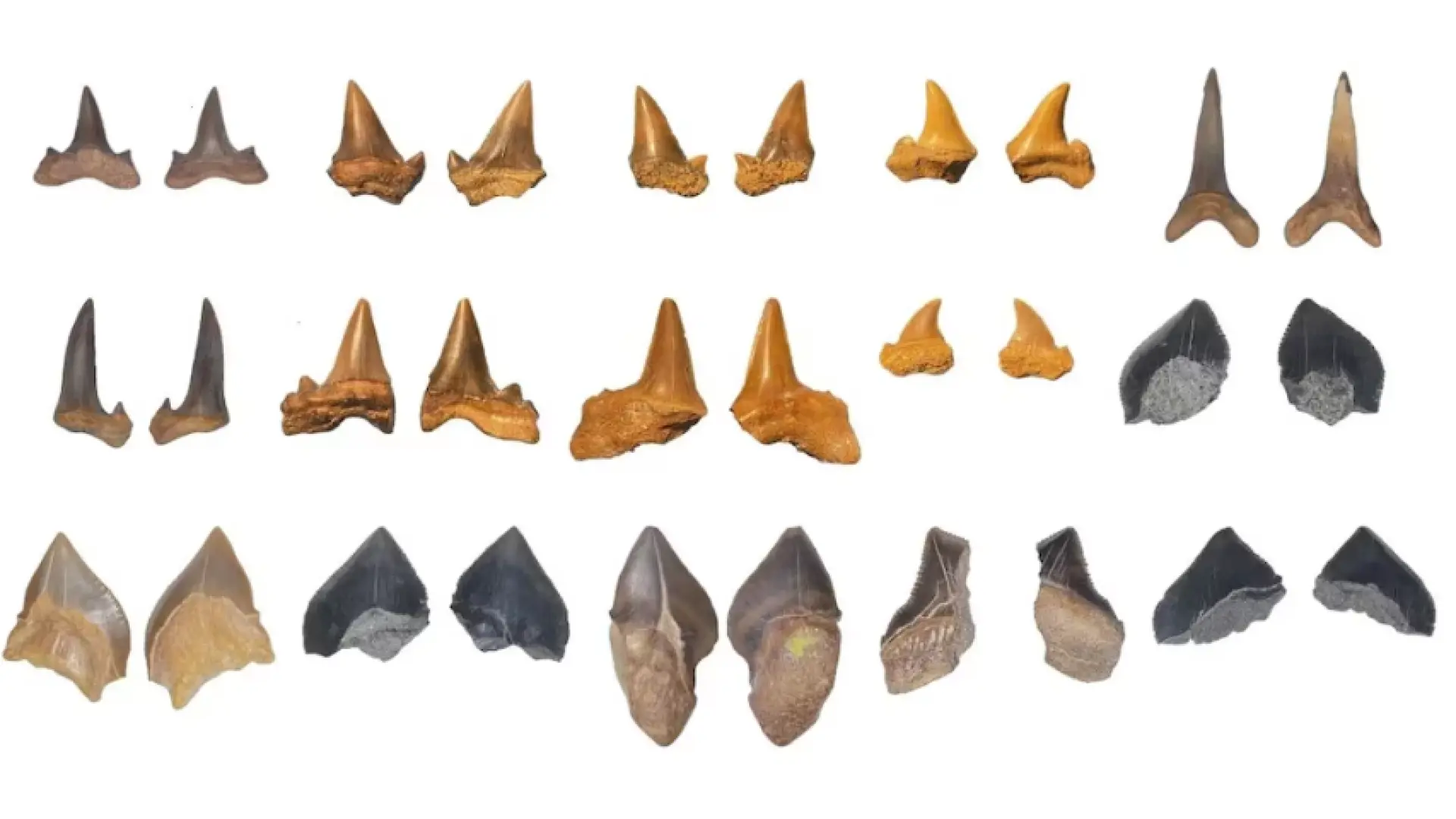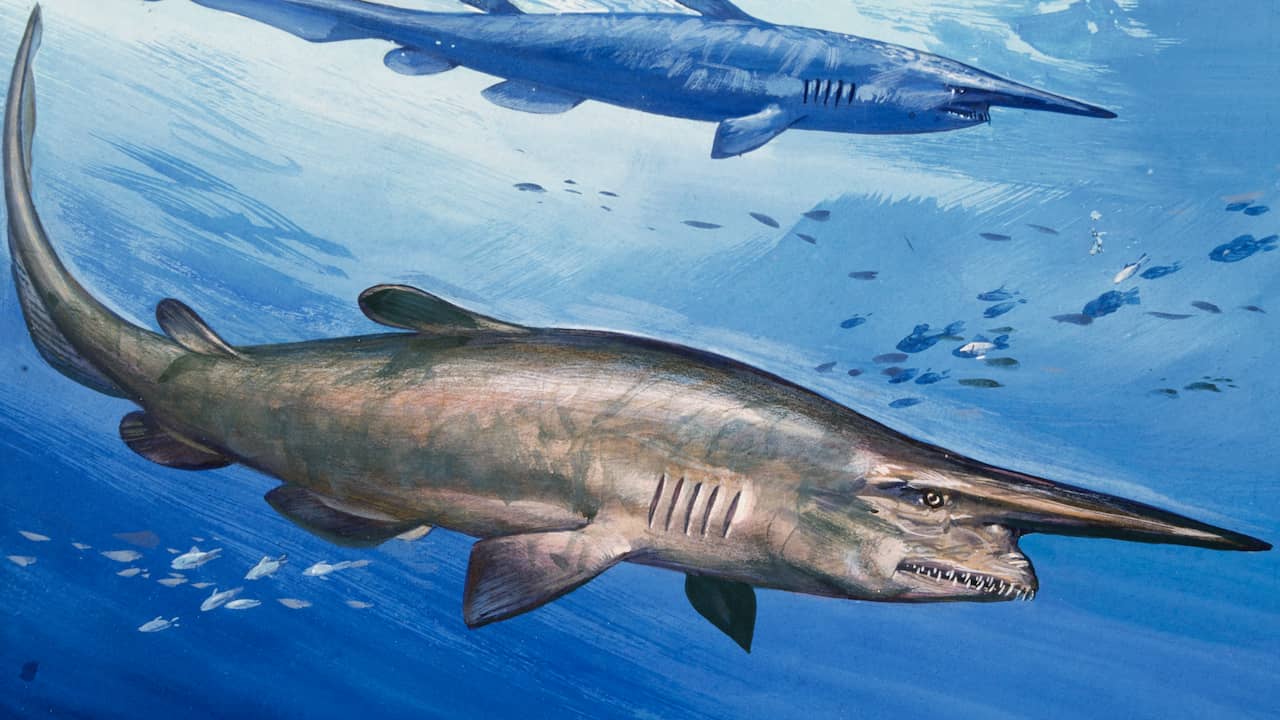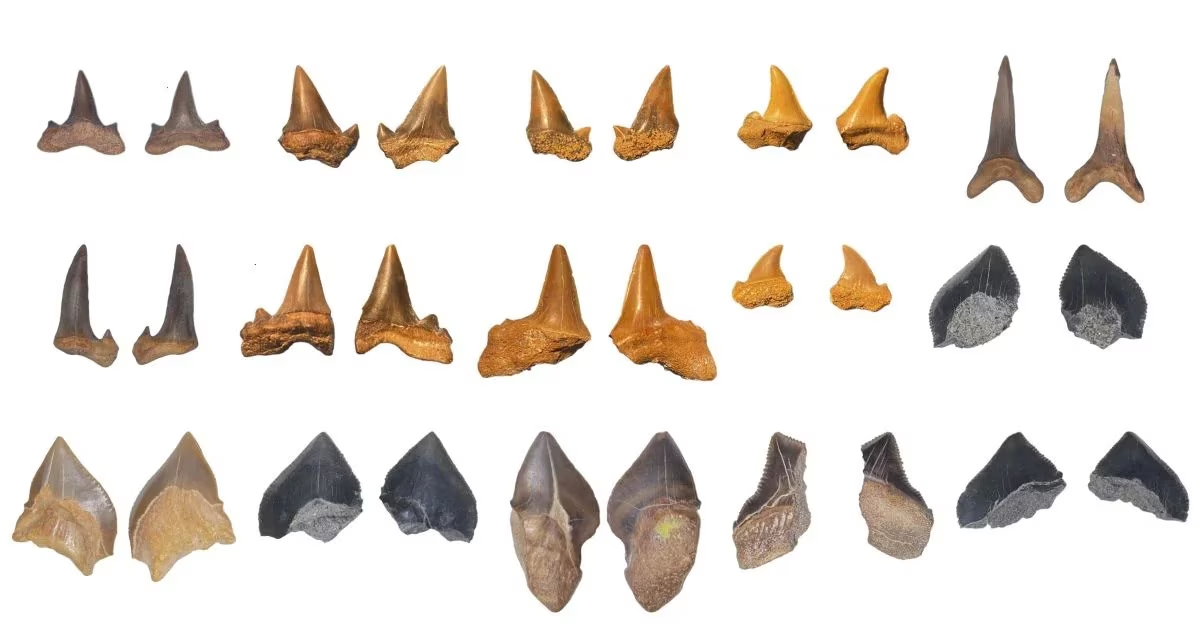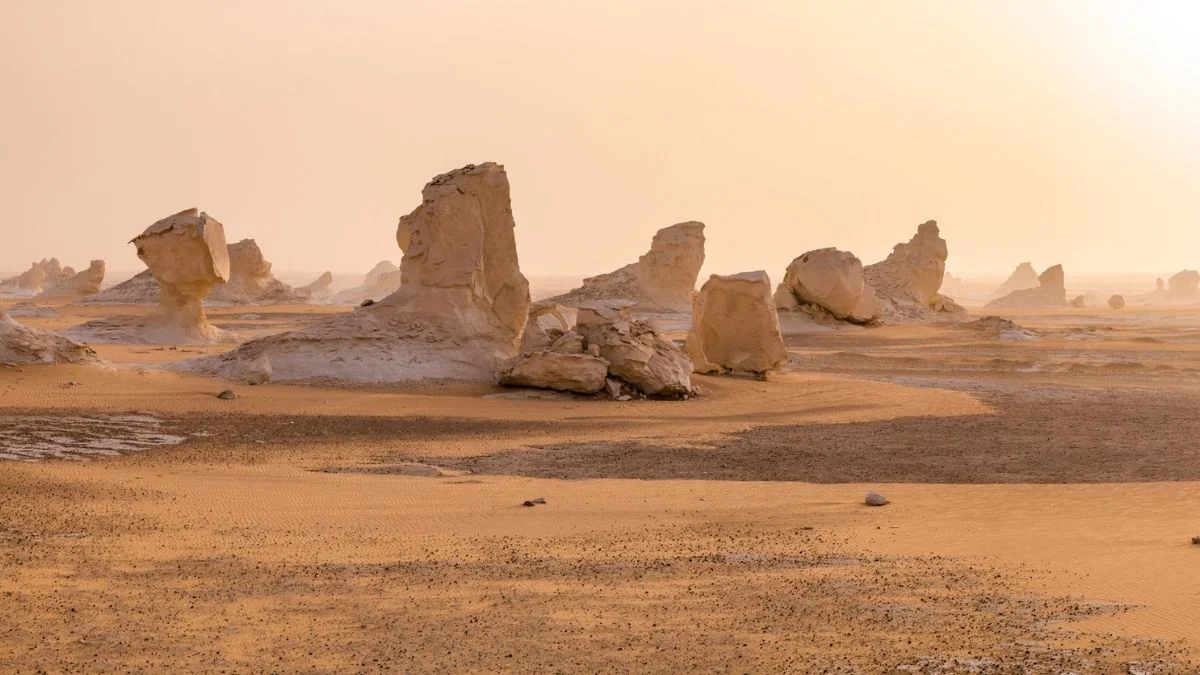
The desert sands of Egypt have been dry for thousands of years.As difficult as it is to picture now, however, much of that desert was once submerged beneath a sea that covered much of the northern perimeter of the African continent.Nor was it a dead sea – evidence suggests that, during the Cretaceous period, it may have been a tropical wonderland, where rising currents lifted nutrients into the water column to feed a thriving ecosystem.Now, buried in what was once the floor of that long-ago sea, on the Abu-Tartur Plateau, paleontologists have found evidence of its lushness: the teeth of sharks that would have thrived amid the bounty of fish.And not just one shark. The total number of different species found in that layer of the Duwi Formation now numbers at least seven – offering a glimpse of the rich marine ecosystems that once flourished along the northern edge of Africa.The 14 teeth represented five species. (Yassin et al., Cretac. Res., 2026)"Collectively, this assemblage highlights a nutrient-enriched, high-productivity marine ecosystem along a phosphogenic shelf margin," writes a team led by paleontologist Tarek Yassin of Cairo University in a paper published in Cretaceous Research.During the Cretaceous period, between about 145 to 66 million years ago, our Earth was a very different place. Under a greenhouse climate driven by tectonic activity, the world was warmer, with little to no polar ice; higher sea levels meant that much of the land we inhabit today was underwater, including northern Africa.We know this at least partially because of phosphate. Phosphorite deposits commonly form where marine productivity is high, and phosphorus is being intensively cycled and concentrated.A diagram illustrating how oceans once covered the region. (Yassin et al., Cretac. Res., 2026)The extensive phosphate deposits of the Duwi Formation therefore preserve not just the remains of this ancient sea, but clues to how productive its waters once were.In previous research, Yassin and his colleagues had identified two shark species in a handful of teeth found in the fossil bed – an intriguing signal, since a community capable of supporting multiple large predators requires a productive food web beneath them.So they went back to Abu-Tartur to see if they could find out more.And the black and yellow layers of the Duwi phosphate ponied up the goods. They found another 14 shark teeth – representing another five shark species, none of which had been identified at Abu-Tartur.When all you have is teeth – and with ancient sharks, that's usually the case – subtle differences can be the sole metric on which a species diagnosis hangs.With the Duwi teeth, the differences were not always subtle.Several of the teeth were long and slender, like a needle. Others were broad and serrated, probably better suited for slicing than penetrating. One tooth was prominently curved like a karambit. Some had small, fang-like side projections, called cusplets; others did not.
An Ancient Shark Graveyard Has Been Found in The Egyptian Desert
The desert sands of Egypt have been dry for thousands of years.
931 words~4 min read