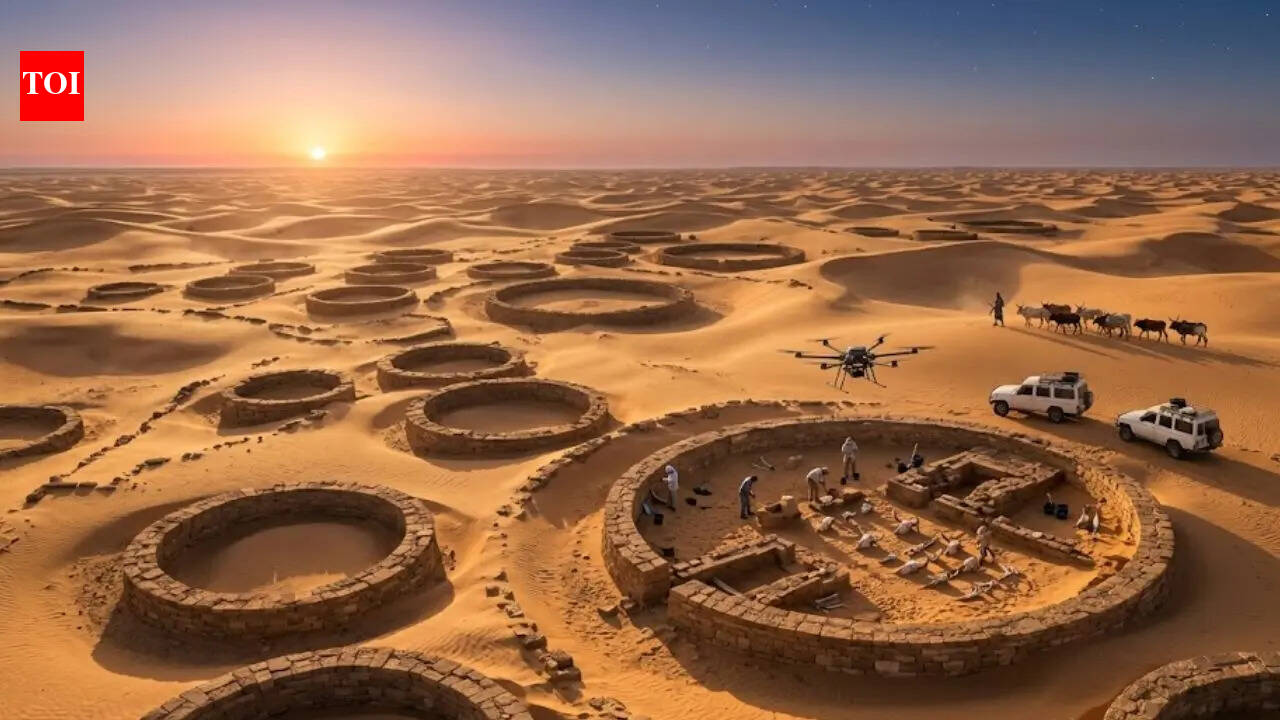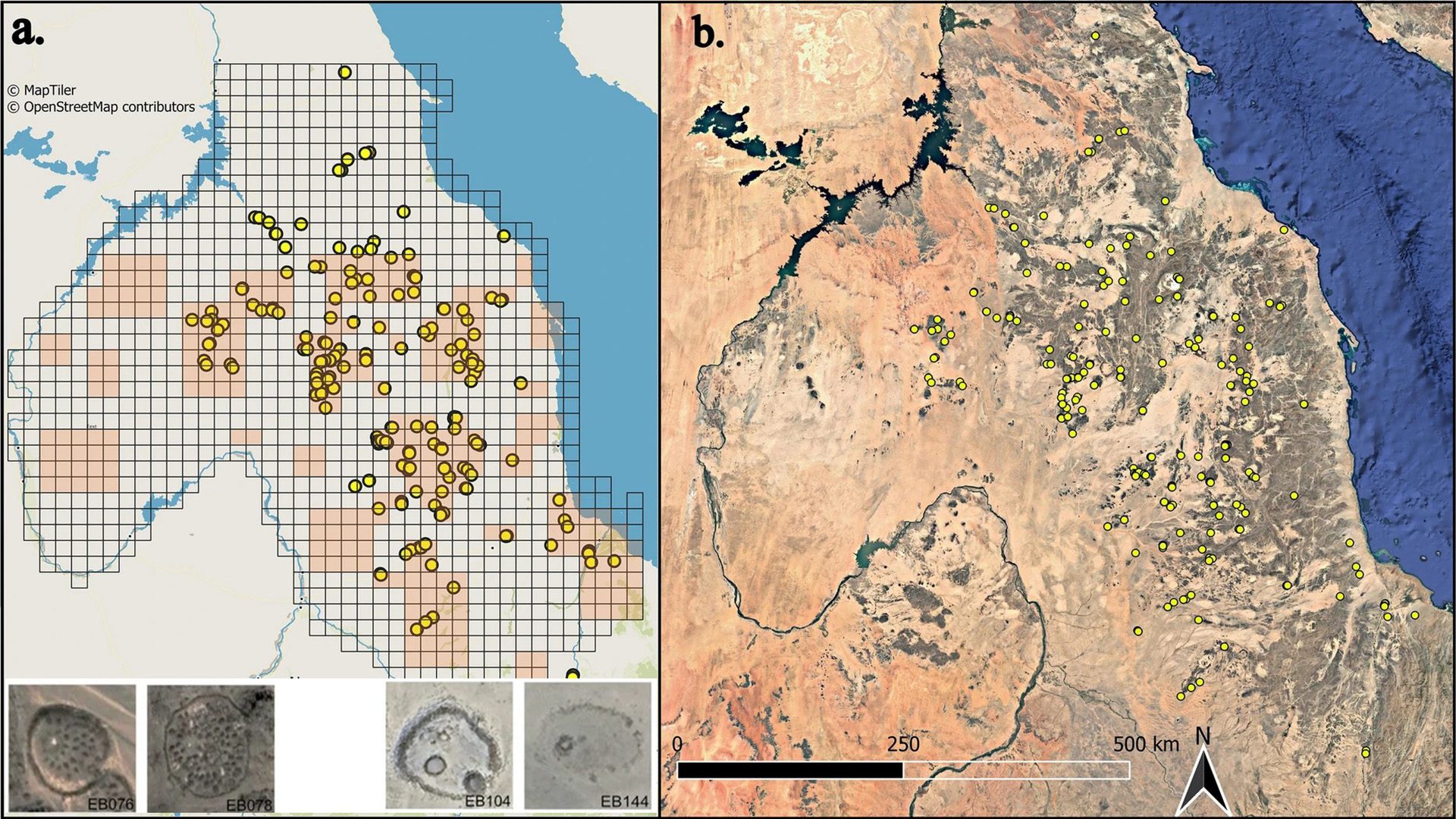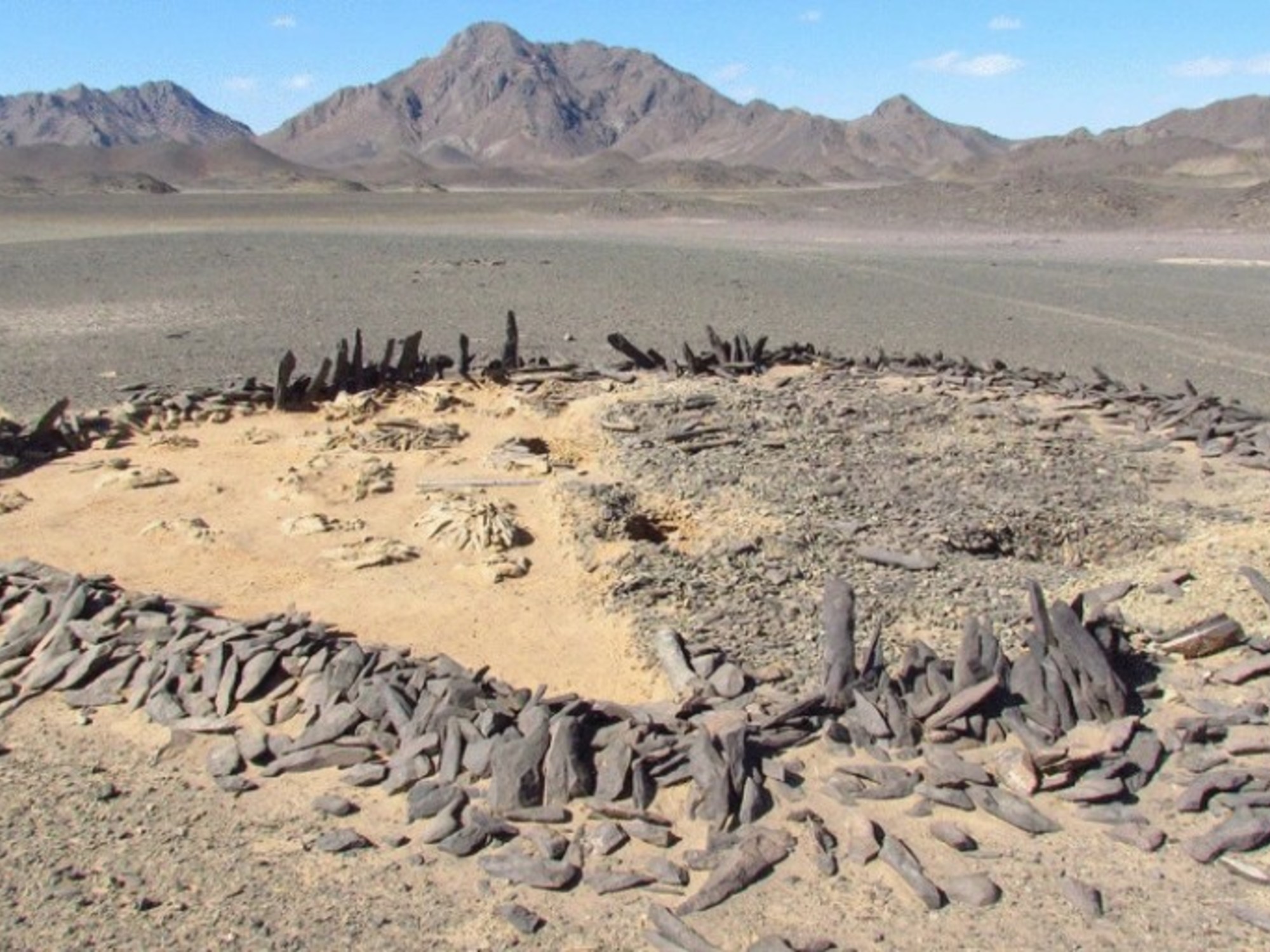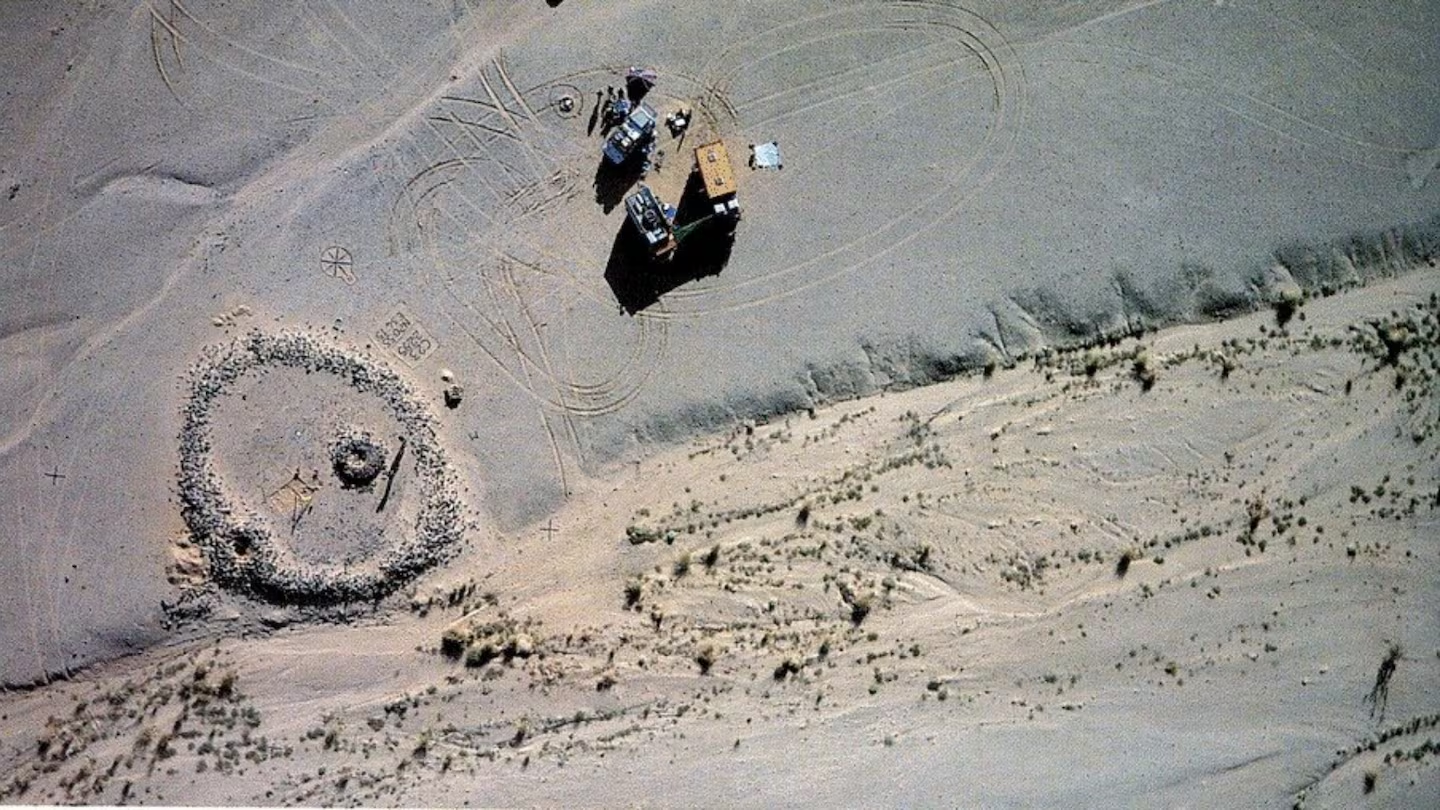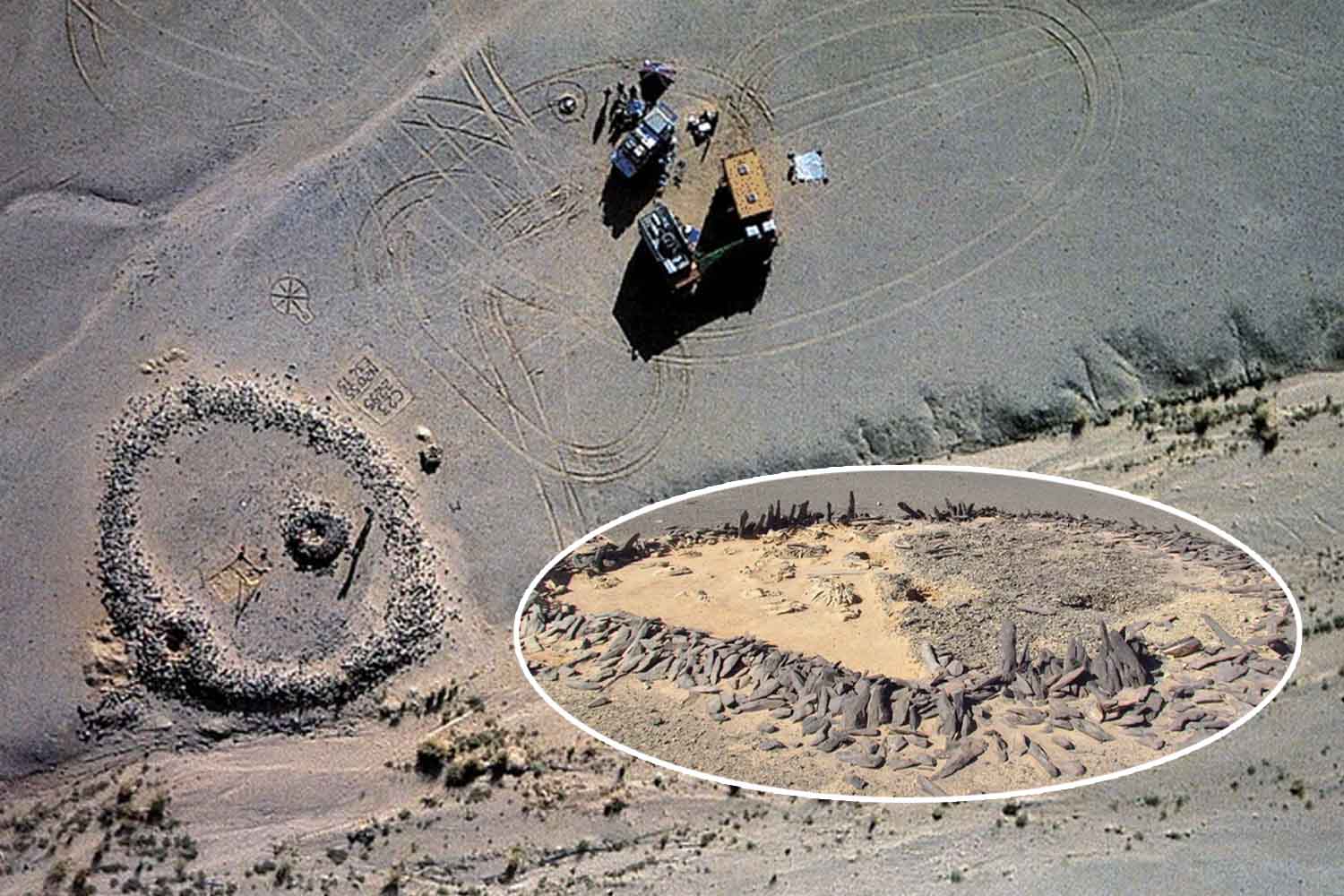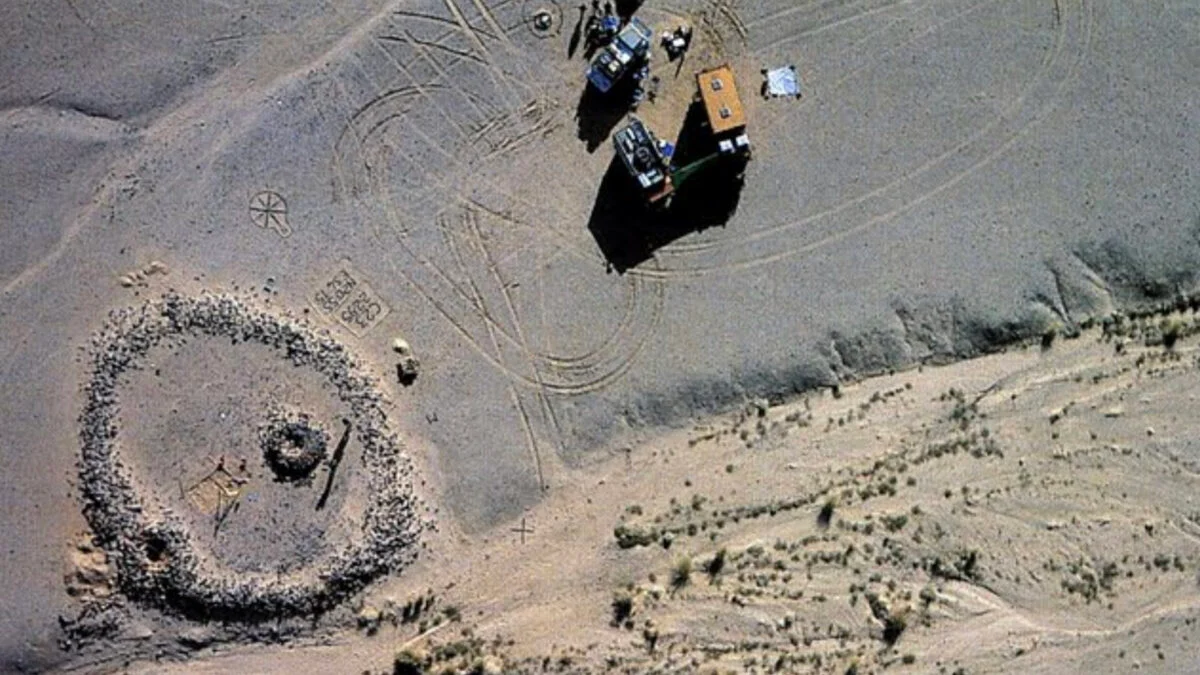
The Sahara’s 3.6 million square miles (9.2 million square kilometers) of scorching sand actually comprise several deserts intersecting across the whole expanse of North Africa—including the rocky and still under-explored Atbai Desert between the Nile and the Red Sea. Archaeologists have now turned to remote-sensing techniques via satellite to scout this inhospitable arid expanse, discovering hundreds of slightly macabre sites, believed to be created in the millennia before the rise of ancient Egypt. “We kept finding large, circular mass graves filled with the bones of people and animals,” archaeologist Julien Cooper and his coauthors explained in The Conversation, “often carefully arranged around a key person at the centre.” To date, Cooper and his collaborators have uncovered a total of 260 previously unknown ancient burial sites, “typified by a circular stone enclosure wall with internal burials,” as they described these finds in their latest study in the journal African Archaeological Review. The mass graves, dotted across nearly 621 miles (1,000 km) of northeastern Sudan, were likely built sometime between 4000 and 3000 BCE, by their estimates. Some of these Neolithic crypts are truly monumental, stretching out up to 262 feet (80 meters) in diameter and housing the sprawling human remains of nomadic herders and their livestock within their large stone enclosures.
Circular Mass Graves East of the Nile Are Rewriting Egypt's Prehistory
Over 280 ancient mass graves have been discovered east of the Nile, and the monuments predate ancient Egypt.
712 words~3 min read