In search of Longjing: The hands behind China’s most revered green tea
Ebru Erke
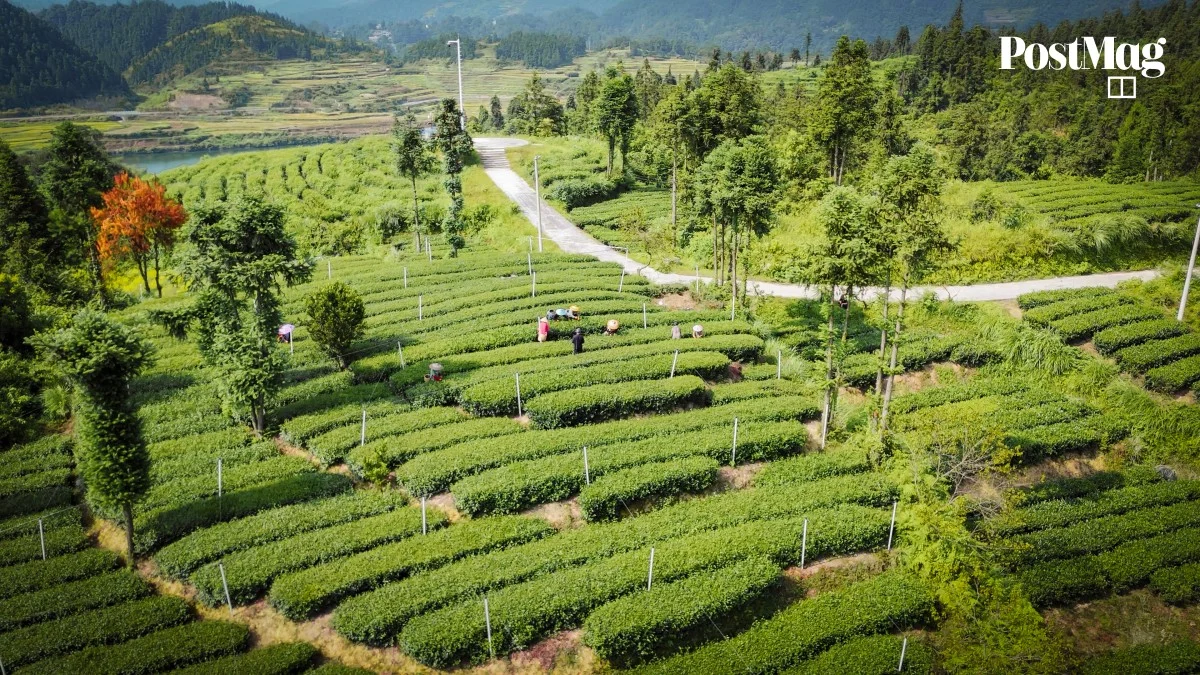
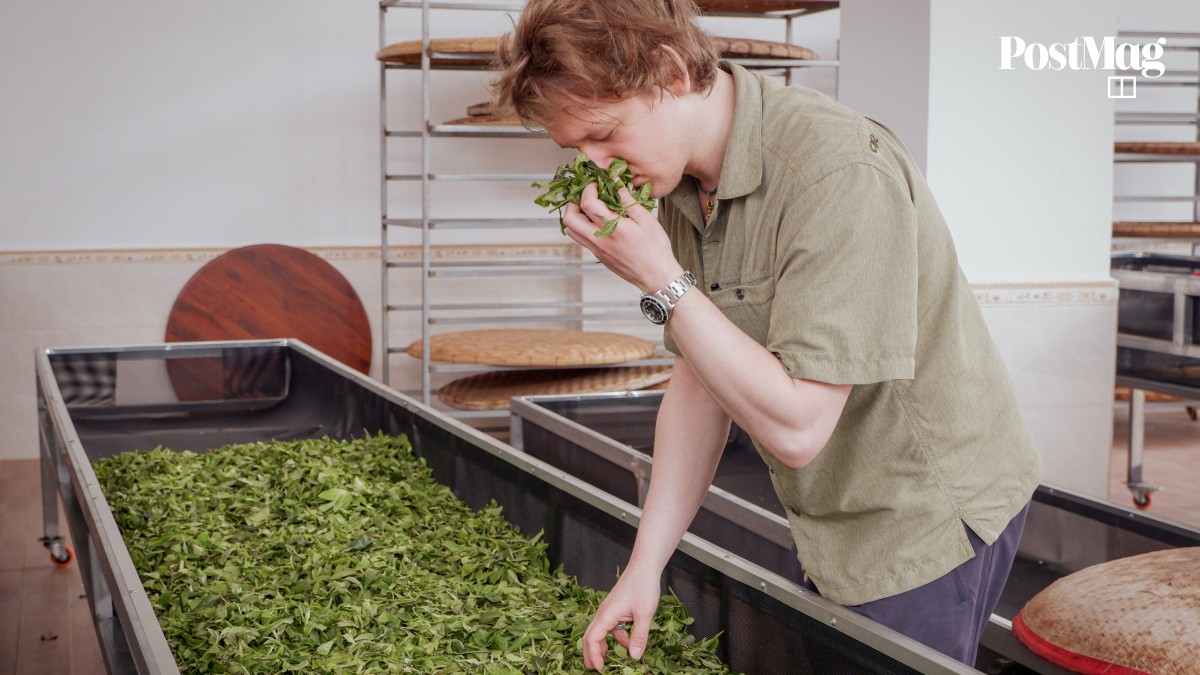
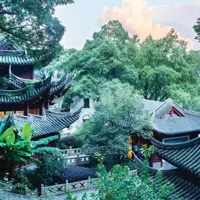
I feel as though I am in a dream. I am standing in the very place where my favourite green tea in the world is grown. Yet Longjing goes far beyond my own personal passion; it is one of China’s most revered teas and among the world’s most prized green teas. For three days, I stayed in an ancient village tucked among Hangzhou’s tea-covered hills, where Buddhist monasteries and tea gardens have existed side by side for centuries. Each morning, when I opened my door, there was no hotel corridor waiting for me, but a stone village path, bamboo groves, tea gardens and people making their way towards the temples.
This is Amanfayun. Set along a pilgrimage route formed by seven ancient Buddhist temples, it is an extraordinary place where 46 old village buildings, some more than a century old, have been transformed into places to stay. It is not easy to tell where the hotel begins and the village ends. Rather than constructing a new and ostentatious world, Amanfayun seems to have quietly settled into the one that was already here. Walking along stone paths, through bamboo groves and shaded courtyards, you feel less like a guest in a large hotel operation and more like a temporary resident of the village. Perhaps Amanfayun’s greatest achievement is that, rather than drawing attention to itself, it makes you notice the place around it.