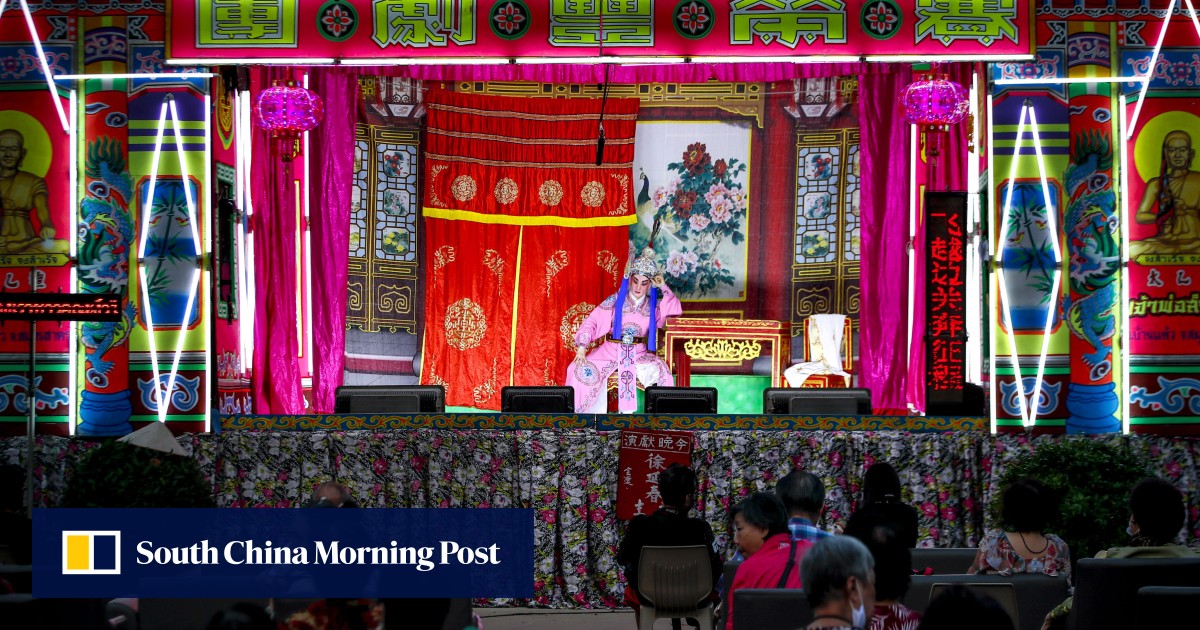
Growing up with two working parents, I spent most days in the care of my paternal grandmother.Her Teochew-ness became part of the texture of my childhood. It lived in the rituals of her home and in the food on her dinner table: stir-fried bittergourd with eggs, a vat of pork belly and tau kwa stewed in dark soy, a whole steamed fish washed down with a bowl of fishball soup.It was the language my grandmother used when she called me to eat, nagged me to do my chores, or told me a story. Not once did I think to ask where it had come from.As I got older, I began to see my grandmother differently. She was no longer just the strict, formidable woman whose thumb I had grown up under – she was a woman who had overcome immense odds to raise five children and, later, her grandchildren.
I began asking questions I never did before: What was my late grandfather like? How did my grandparents meet? What did their youth look like? Where did our family come from?
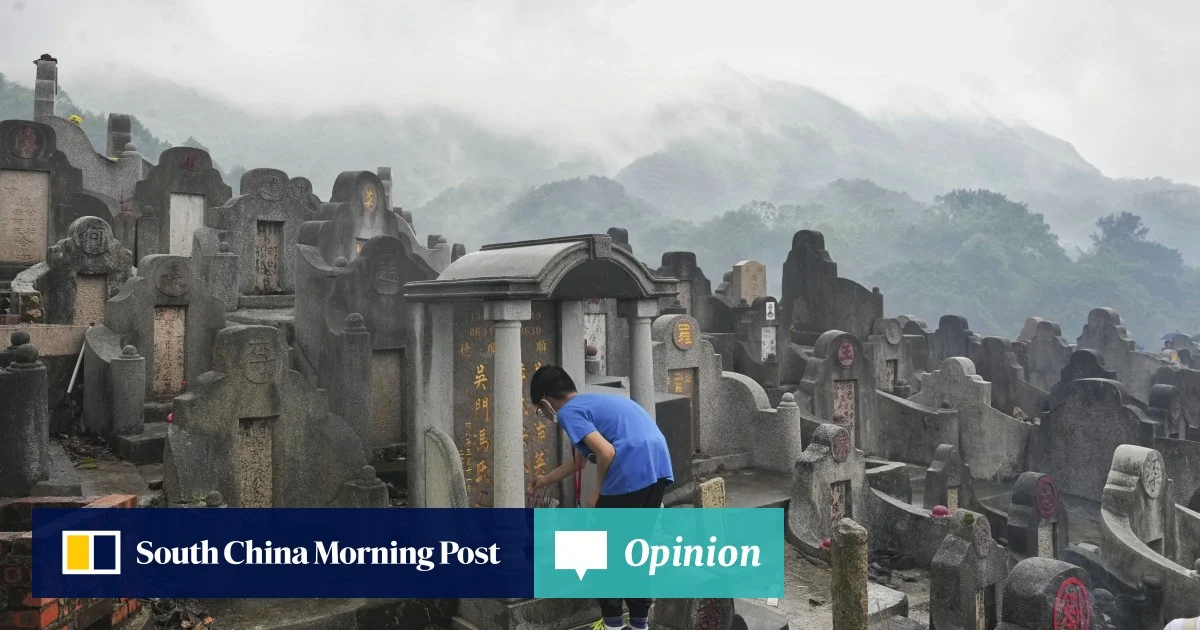
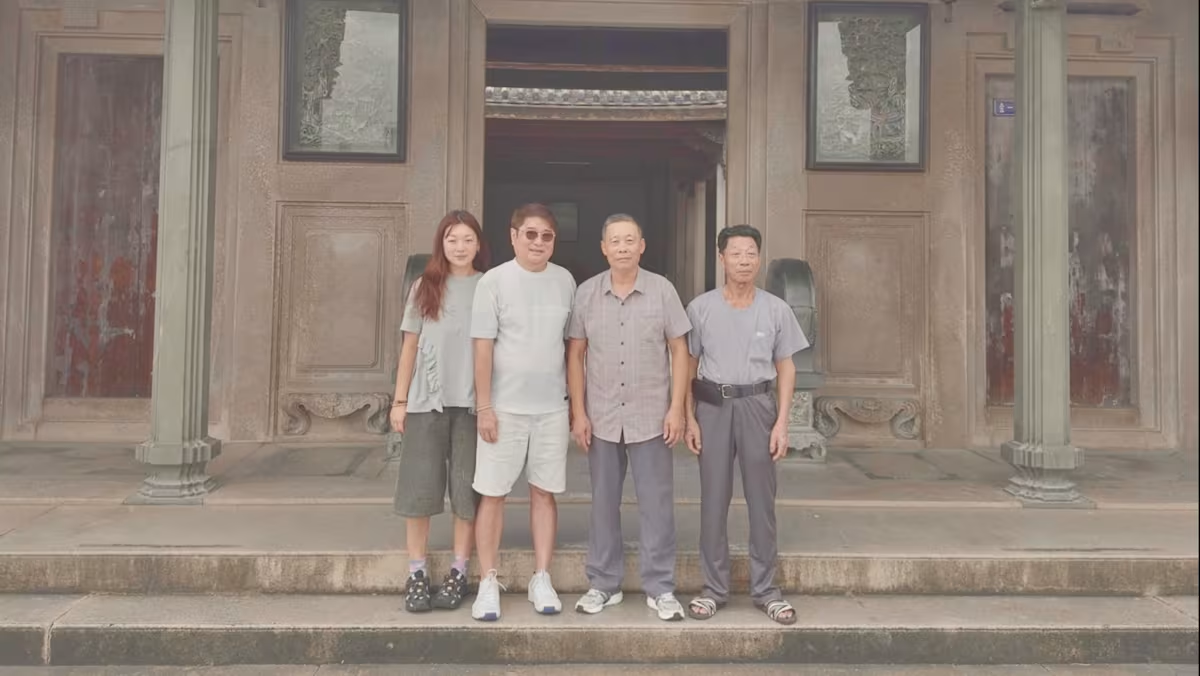
Gradually, the story of how my family came to be in Singapore unfolded in fragments, names, anecdotes, food, language and half-remembered stories shared over casual conversations.And somewhere in those fragments was a village in China that none of us had ever seen.IN SEARCH OF THE PLACE EVERYONE ELSE LEFTMy grandfather, Tan Kwan Lok (陈光禄), was born in what is now Indonesia to a first-generation immigrant from China, and his wife, a local Indonesian-Chinese woman. But beyond this, we didn't know much about how his father – my great-grandfather – had come to be in Indonesia in the first place. My dad called upon a relative in Indonesia, asking if they could take a photograph of my great-grandfather's grave in Tanjung Balai Karimun, in Riau Islands province, not far to the south-west of Singapore. The inscription had been worn down with time, but it still bore the name of the village in China where he was born.