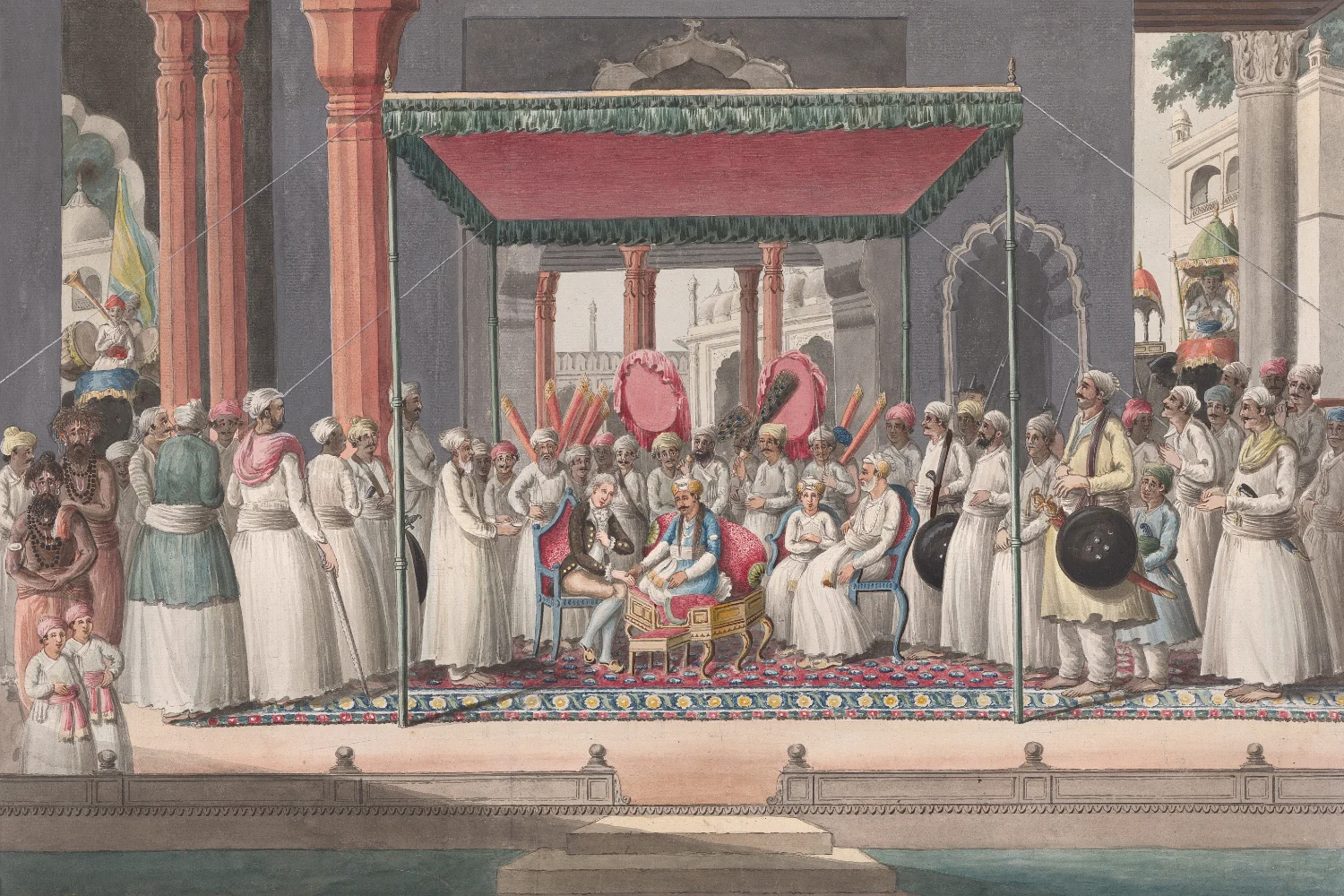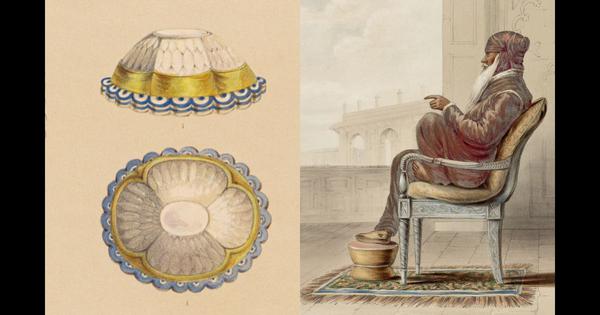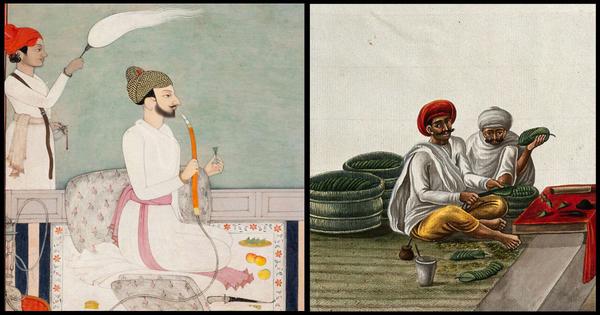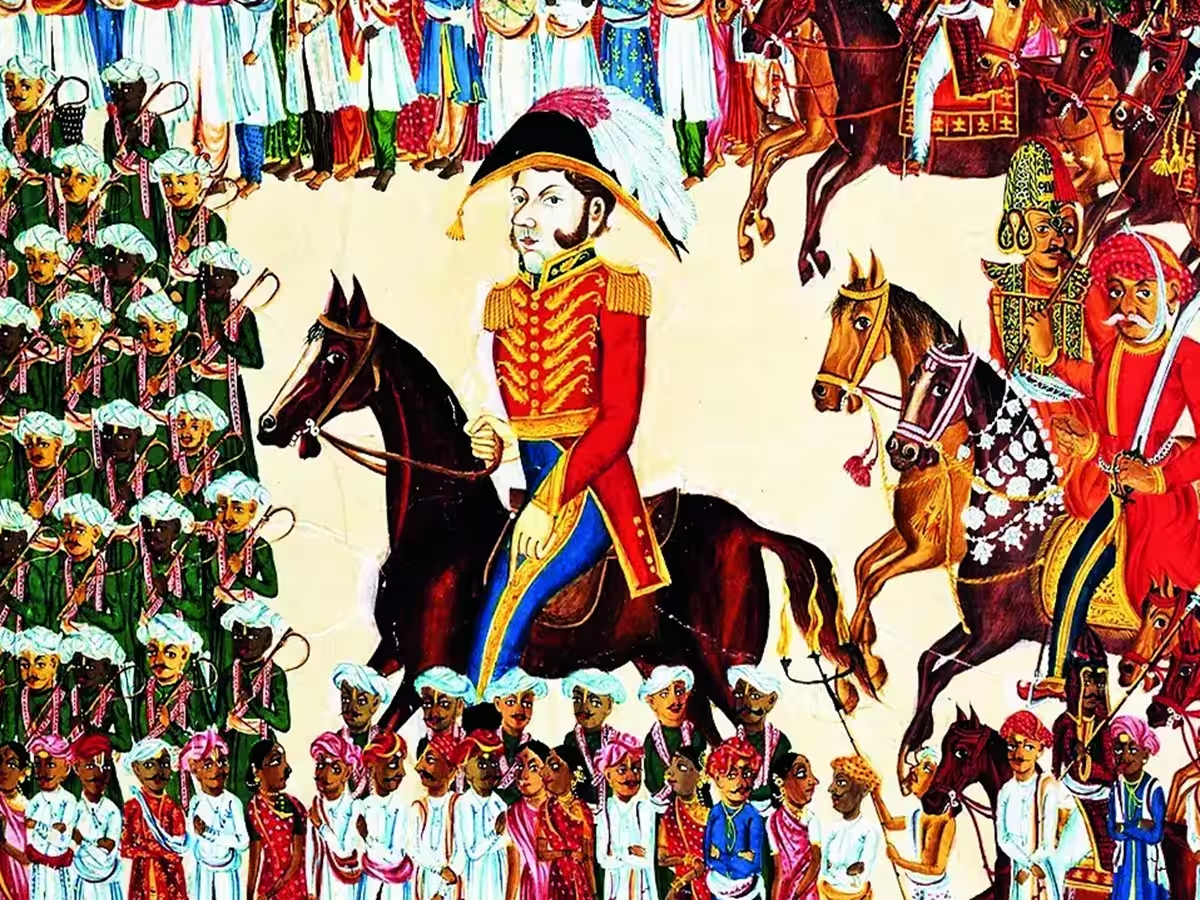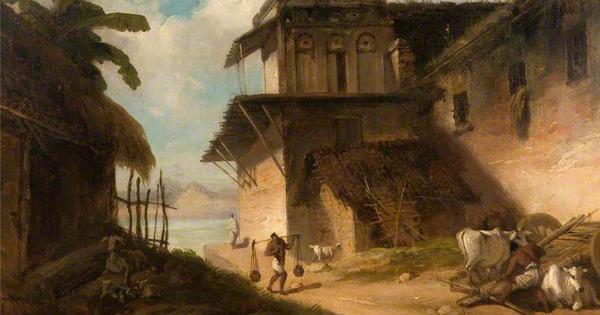
In 1825, English artist George Chinnery left Calcutta for Macau, chased away by his disgruntled wife Marianne and his creditors. He’d been based in India for the past 23 years, having previously lived in Hyderabad and Dacca.Besides running a debt of around Rs 30,000 (£232 today), Chinnery was, according to one Dictionary of National Biography, a “penniless fornicator” and “begetter of an uncertain number of illegitimate Chinnerys white, brown and yellow”.While he became famous as a portraitist, Indian landscapes also take pride of place in Chinnery’s legacy. His vision of an early morning in the Bengal countryside projects an image of peace and harmony far removed from the realities of colonial India under the British Empire.From the 1760s, a number of British artists arrived in India. These men were motivated both by the economic prospects of catering to expatriate communities and portraying unique subject matter for those back home. In so doing, these artists presented India not as it was, but remade it into an exotic land ripe for colonial rule.In their artistic representations, India was dangerous but also a place of opportunities. Travelling across provinces, artists’ visual documentation helped claim and appropriate Indian landscapes. As these spaces were endowed with new meanings, in turn, the question of imperial authority’s legitimacy became entangled with art.Indian picturesqueBesides just a few unkempt and passive human figures, the foregrounding of decayed buildings in Chinnery’s painting speaks directly to the picturesque aesthetic that rose to prominence in the late 18th century. This style focuses on asymmetrical compositions, dramatic chiaroscuro (light and shadow), rugged textures and landscapes with classical ruins and rustic life. In this, picturesque artists turned rural England into a national ideal.The picturesque style occurred in a time when the process of enclosure was increasing. This involved taking commonly used land and dividing it into privately owned fields to the benefit of wealthy landowners, while limiting poorer people’s access to land. The picturesque helped justify social inequalities by presenting wealthy landowners and their estates as natural and idyllic parts of the landscape.In a similar way, as wealthy imperial officers returned to Britain and invested their money in land, the picturesque also helped present Britain’s colonial power as taming and improving foreign lands.In India, artists were using the picturesque to reshape colonial landscapes according to British ideas of progress and civilisation and to tell stories that celebrated colonial power.
How English artists depicted India as exotic land ripe for colonial rule
The 18th-century picturesque aesthetic of rugged textures, landscapes with classical ruins and rustic life projected an India in need of British intervention.
1,097 words~5 min read