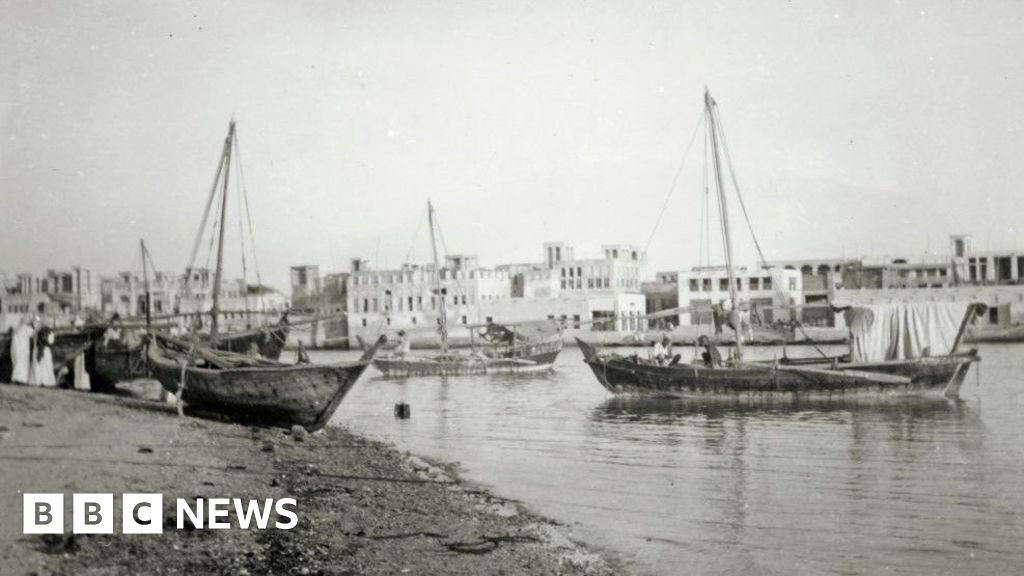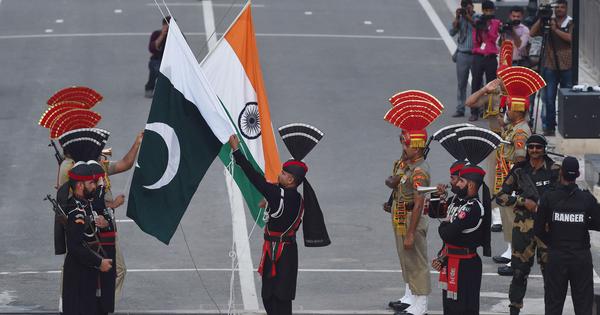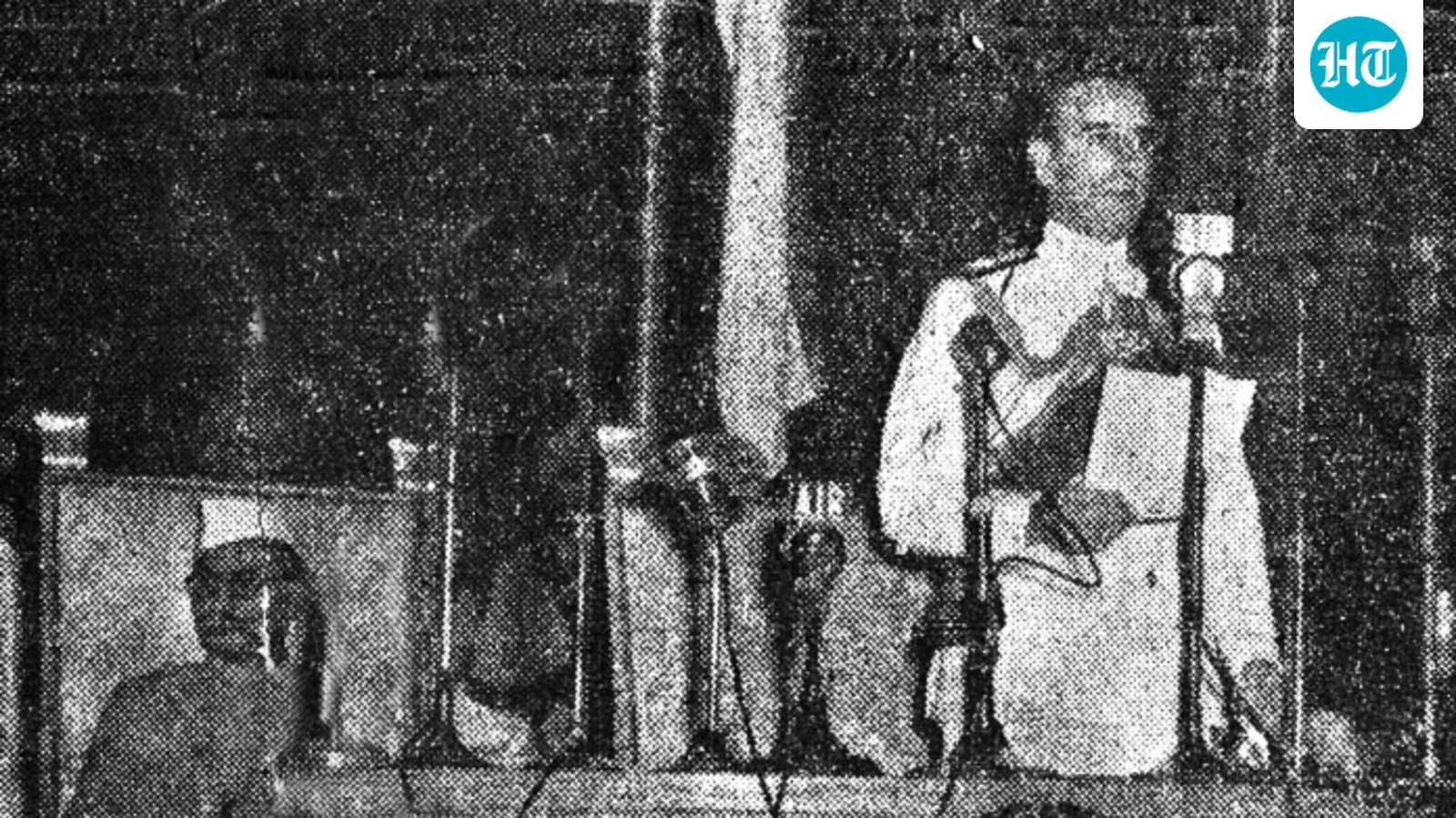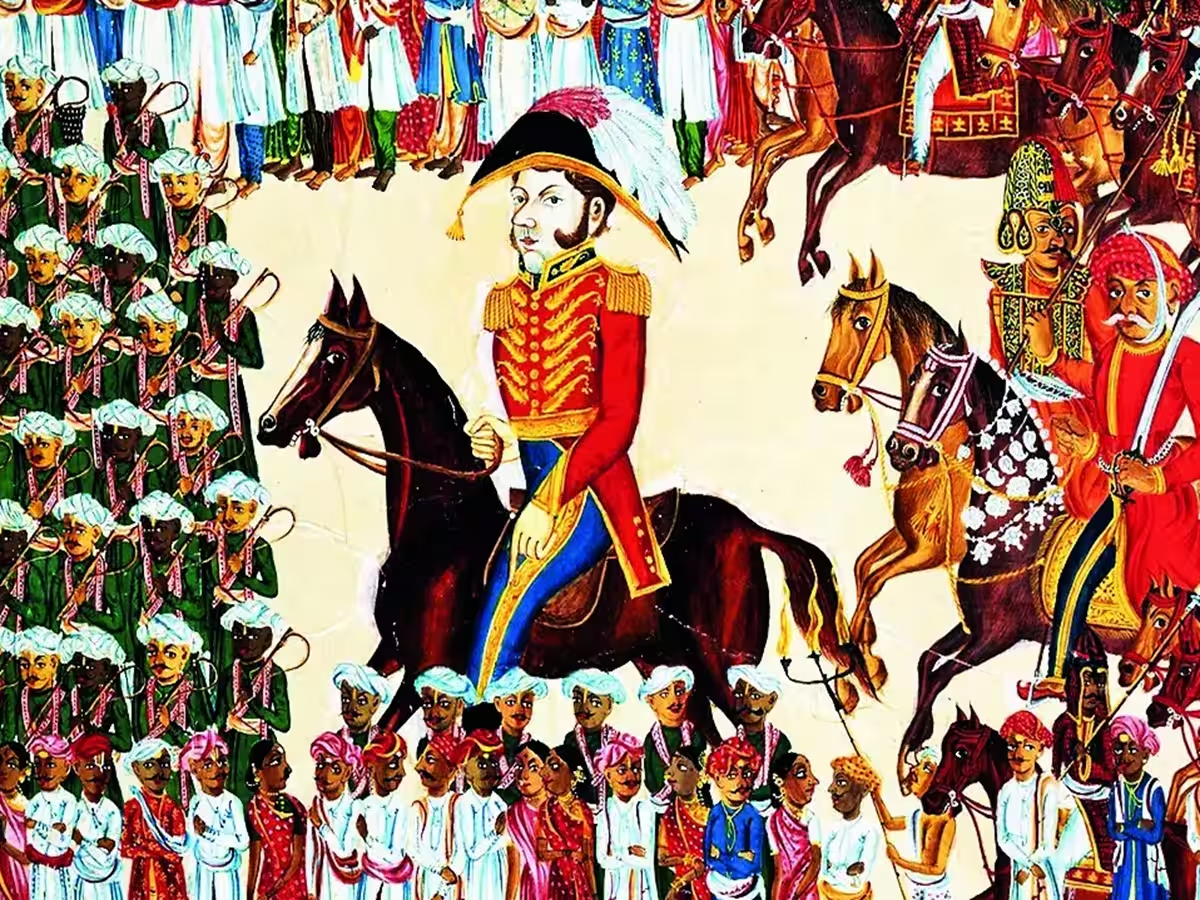
When you take a tour of Windsor Castle, you may see one of the oddest paintings hanging there. It's by a Flemish painter depicting a scroll Catherine of Braganza hands over to Charles II. Its caption reads: 'Princess Catherine of Portugal hands over Bombay to the British as part of her dowry'. As an Indian, your first thought is, 'How can she do that? It's not a box of chocolates! I live here.'As we look back on 79 years - and one week - of freedom, as a united country, one forgets that this vast land, connected by railways and SBI, Shah Rukh Khan and Mahendra Singh Dhoni, IndiGo and Narendra Modi, a flag and anthem (and now a song), and a million other things, was once separate and tiny little regions, some under kings, some under the British, and some doing their own thing. Portugal, France, Holland and Denmark all had tiny pieces of India until independence and beyond.I can't help but think how confusing it must have been in those last months, leading up to August 15, 1947. A lot of powerful, and slightly deluded, kings thought they'd do their own thing, even if geographically bound to whatever would be India.Junagarh was notable because its ruler wanted to join Pakistan. But his people revolted. Hyderabad's Nizam wanted his own country. And had it, till Louis Mountbatten stepped in. Travancore and Bhopal's rulers said they wanted to stay independent till July 1947.Vallabhbhai Patel played an incredible role in bringing all these provinces together. I assume there were some threats as well. But practically, how would that even have worked? Would one have needed a visa to fly from Mumbai to Hyderabad? Would it have been an England-Scotland-type arrangement? Would Bhopal and Travancore have cricket teams different from India? It all sounds mad, but it all worked out. And here we are.Oddly, the UAE was part of British India till April 1, 1947, much to the sadness of all the Dubai shopping and Burj lovers from independent India who now need a visa - the Brits can get visa on arrival. Burma was the first to exit British India in 1937, perhaps realising that khow suey and tandoori chicken need separate journeys.The even crazier ones were the non-British Indian colonies. Goa, Daman and Diu folks continued to be Portuguese citizens well into the early 60s. While the rest of us were aspiring to a sovereign, socialist, democratic republic, those areas continued to report to Jose Silvestre Ferreira Bossa, governor of Portuguese India and colonial minister, with ultimate allegiance to the government of Antonio de Oliveira Salazar in Lison. This sounds more Tintin than Swadesh.Then there were the French. Pondicherry, Karikal, Yanaon and Chandannagar continued eating croissants well into Nehru's reign, flying le drapeau tricolore instead of our tricolour. De facto transfer happened between 1950 and 1954, but the formal legal merger with India was in 1962. So, for 15 years, these guys celebrated our Independence Day and Bastille Day. Definitely the most French-Indian thing ever, till Macron and Modi entwined hands.Luckily, the Danish sold their holdings in Bengal's Srirampur in 1848, which they had renamed Fredericksnagore. There's still St Olav's Church, a government house, and a tavern, which is what the Danes, sensibly, concluded was all you really need to run a country. Had they lingered on, Mahesh Chandra Dutta, Serampore's legendary mithai shop, would have to stock Danish pastries along with their signature sandesh.Then there was the curious case of Sikkim, which was never part of British India, but was a protectorate. When the Brits left in 1947, Sikkim's monarchy survived. The ruler was the Chogyal, and he retained his own government, territory, flag, monarchy, and even international emissaries.India and Sikkim signed a treaty in 1950. This essentially made Sikkim an Indian protectorate. But till 1975, it remained a strange little Himalayan kingdom, like a Bhutan-lite - not entirely a country, but not India either: a Schrodinger's country.(Disclaimer: The opinions expressed in this column are that of the writer. The facts and opinions expressed here do not reflect the views of www.economictimes.com.)
India wasn't always one: The forgotten story of its unification - The Economic Times
India's journey to independence in 1947 initiated a challenging process of national unification. Despite gaining freedom, several former Portuguese and French colonies remained distinct entities for years. Additionally, many princely states pursued their own forms of independence, complicating the national formation. Vallabhbhai Patel emerged as a pivotal figure in integrating these varied regions, showcasing India's complex trajectory towards unity.
683 words~3 min read