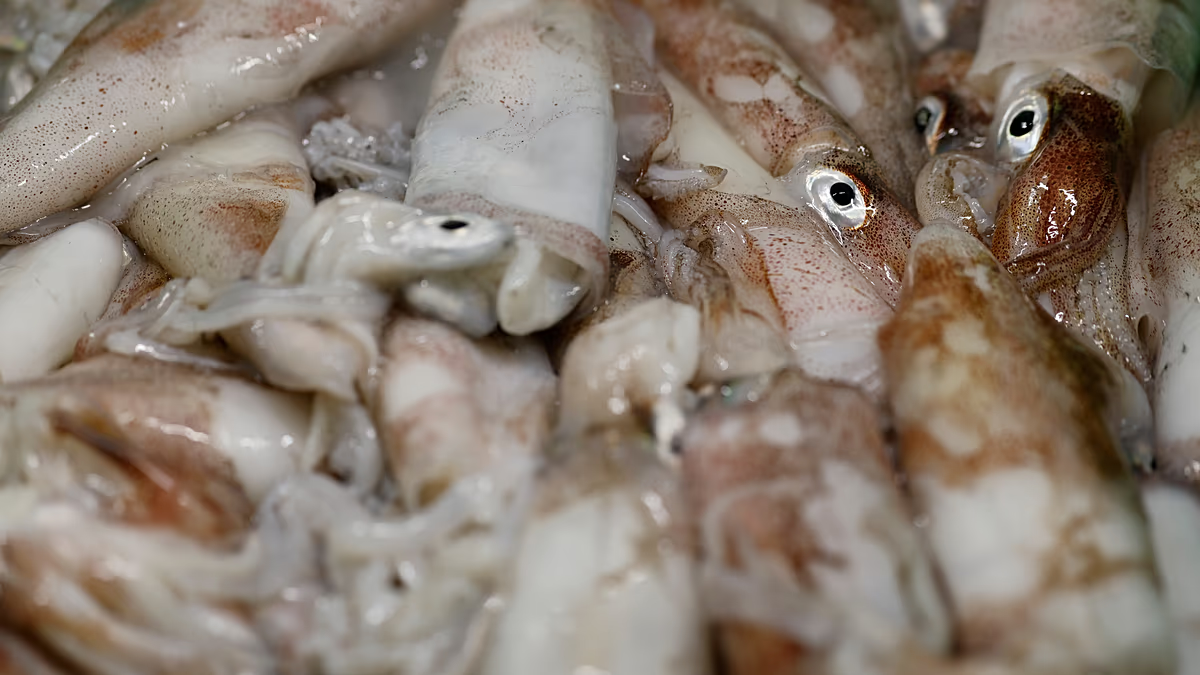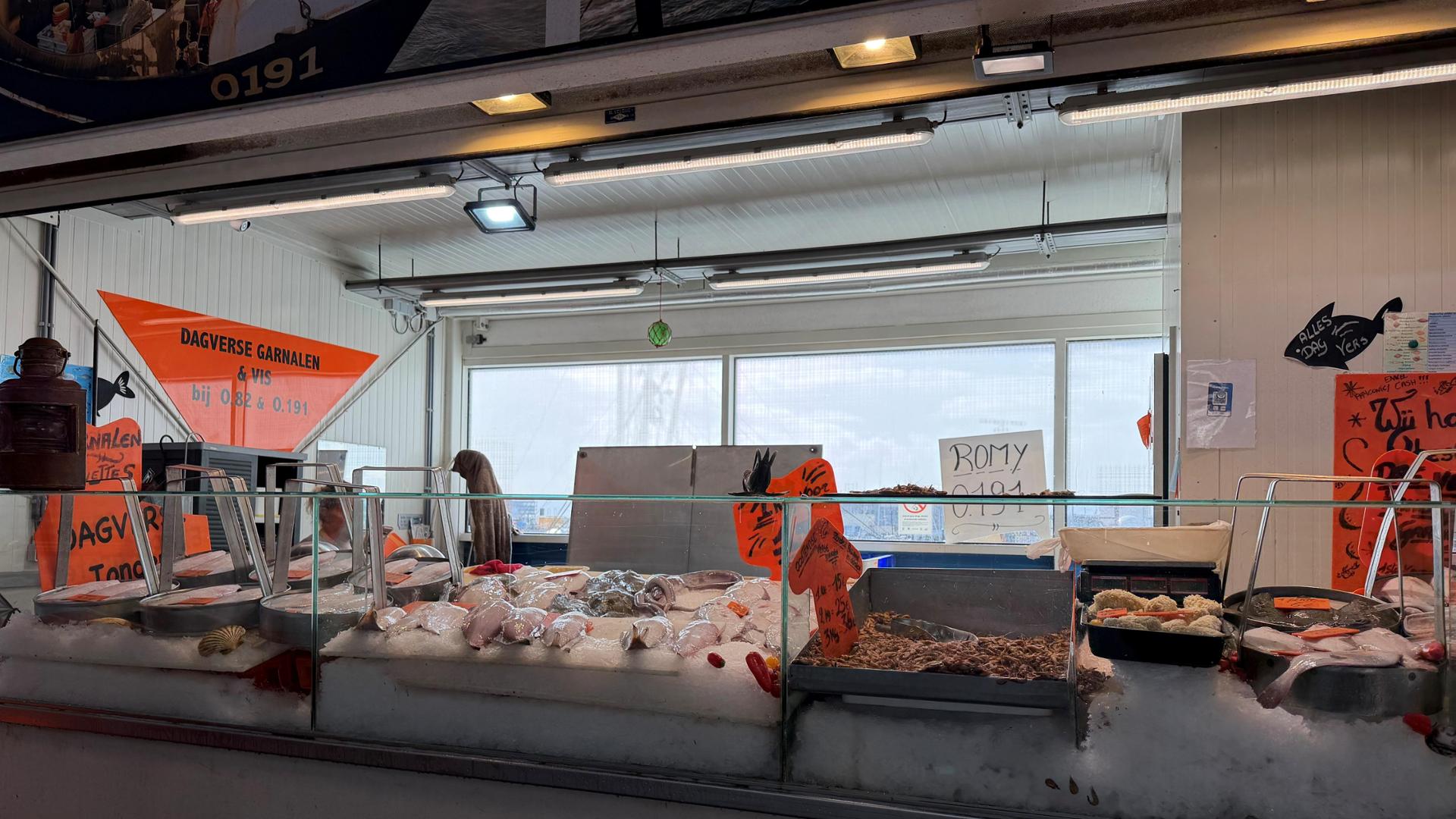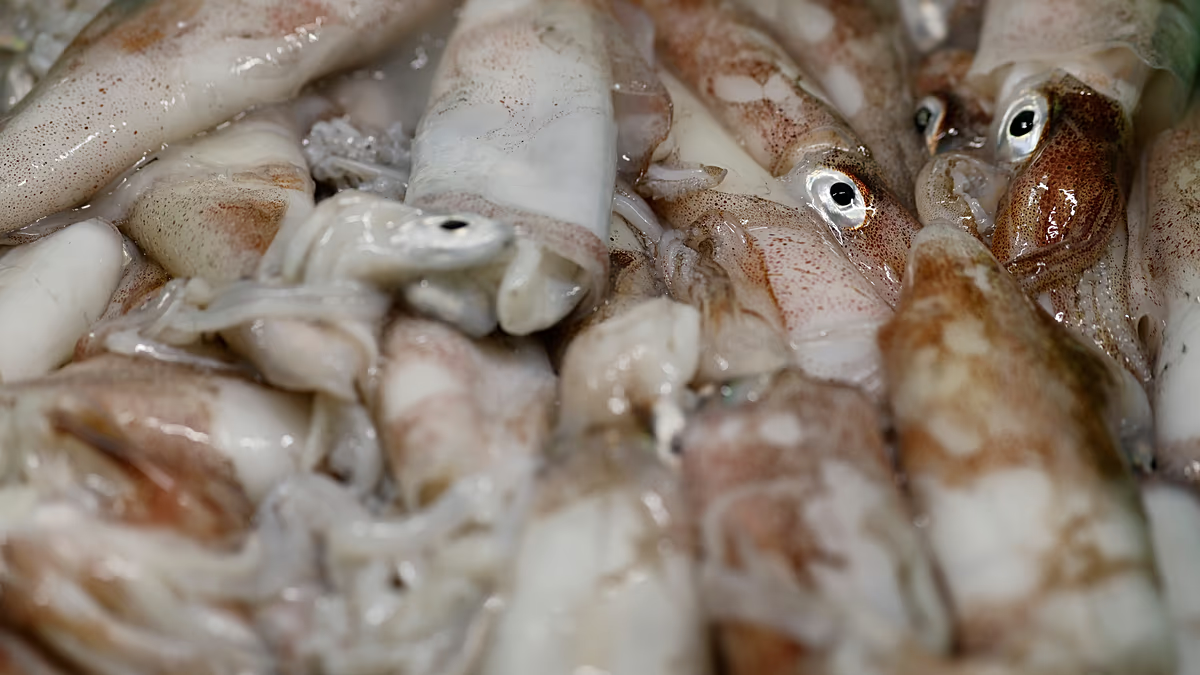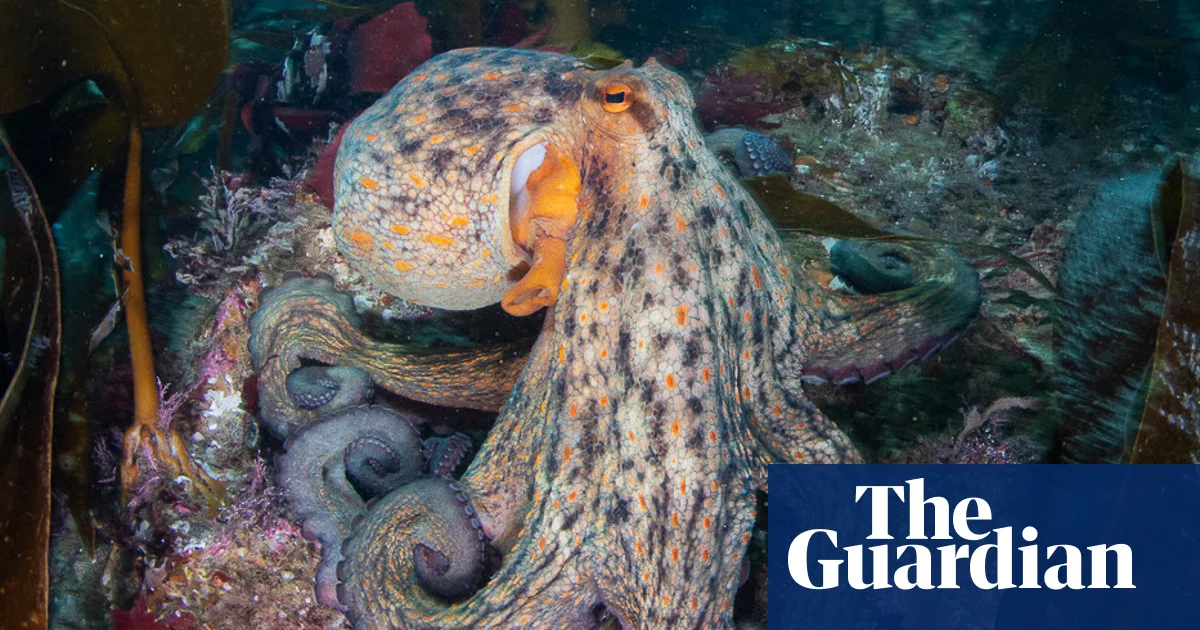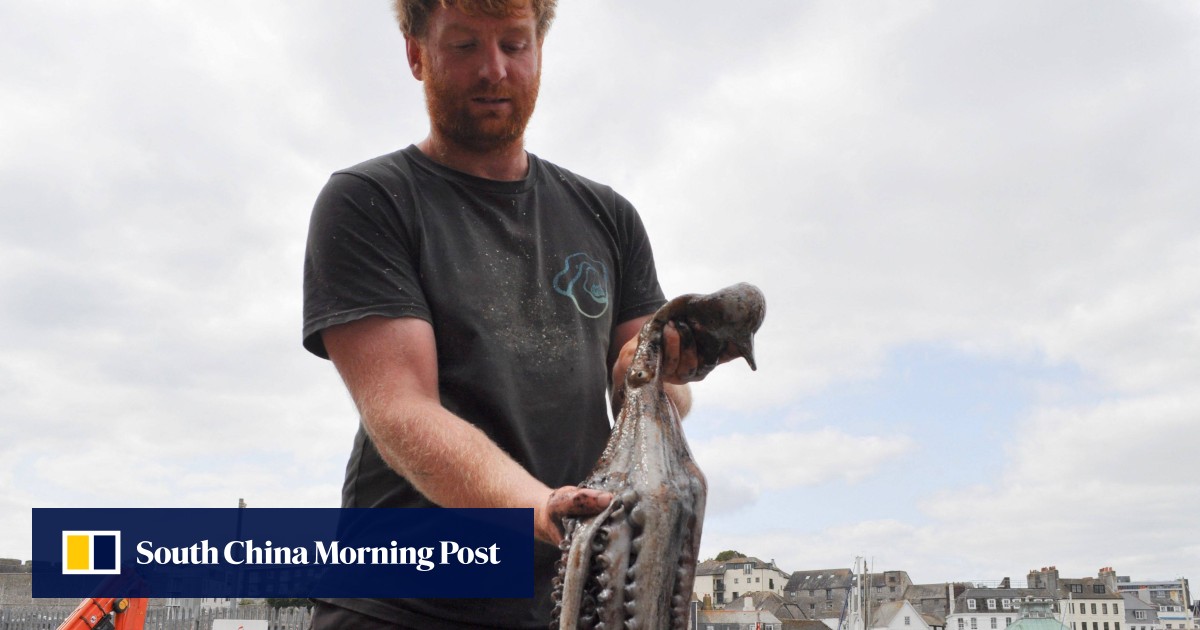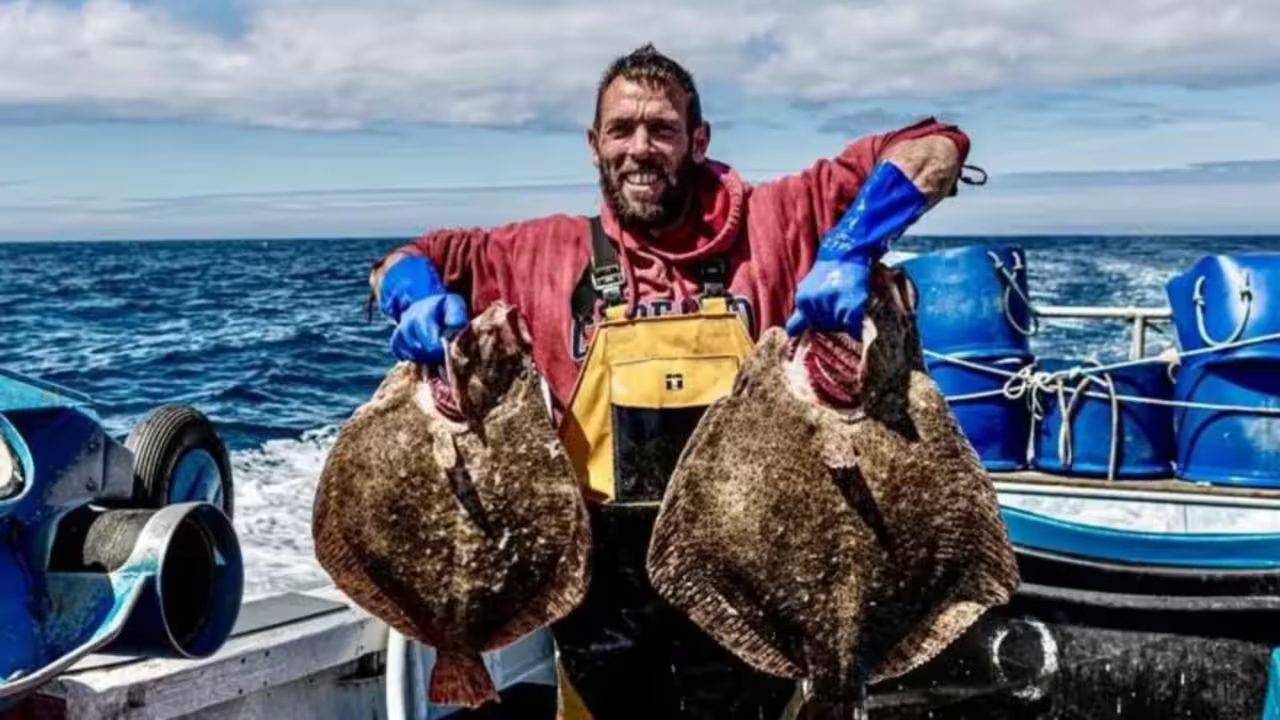
When people think of the North Sea, they think of prawns, plaice or cod. But that picture is changing: cephalopods are increasingly spreading there. Researchers have observed that several species are now permanently present in the North Sea which used to appear there only as occasional visitors.
The North Sea is becoming a habitat for cephalopods
Rising water temperatures play a key role. Cephalopods have comparatively short life cycles and can therefore adapt quickly to changing environmental conditions. According to the Thünen Institute, various species have expanded their range over the past decades. The Thünen Institute is a German federal research institute that conducts research, among other things, on agriculture, forests, fisheries and the seas and provides scientific advice to the federal government.
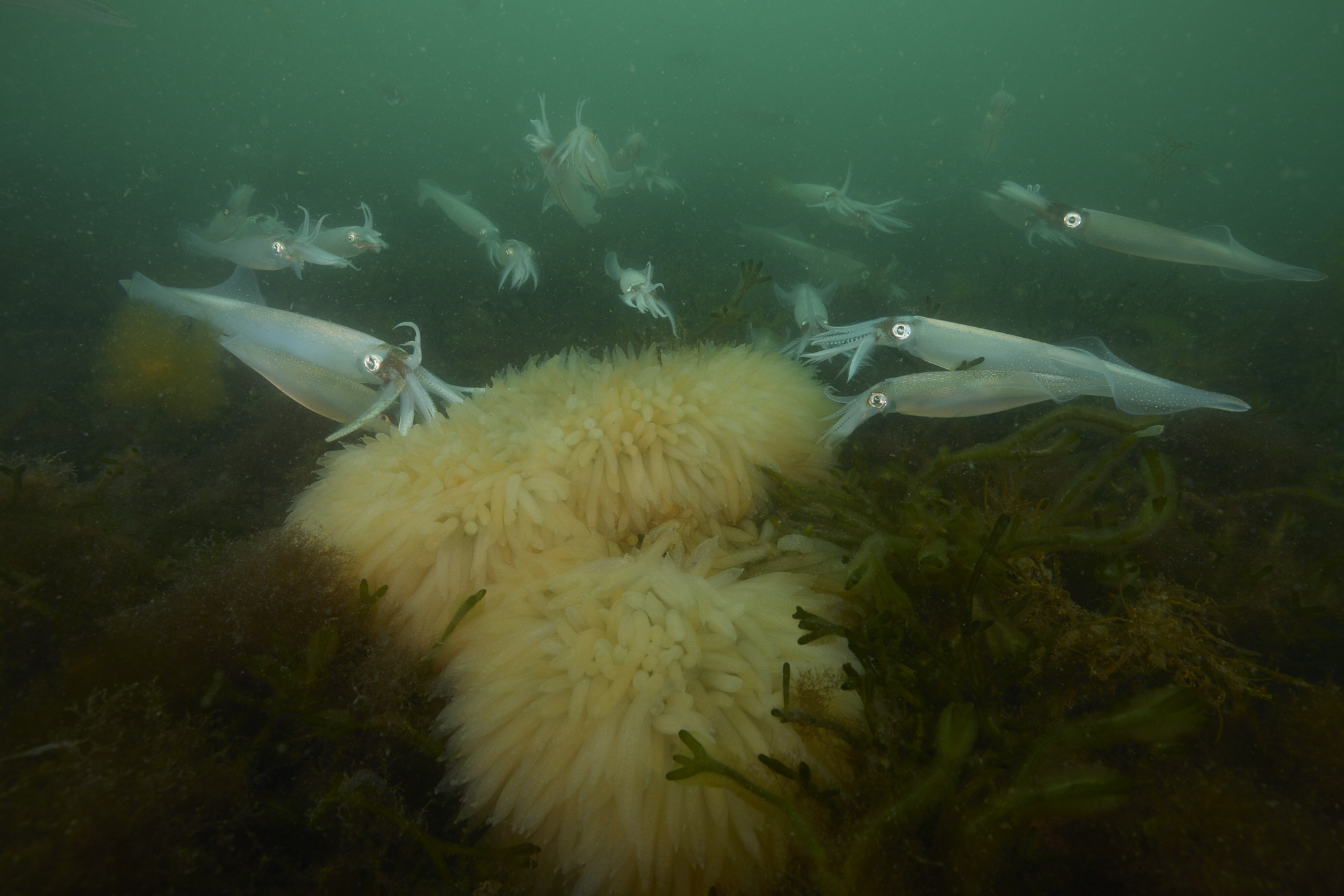
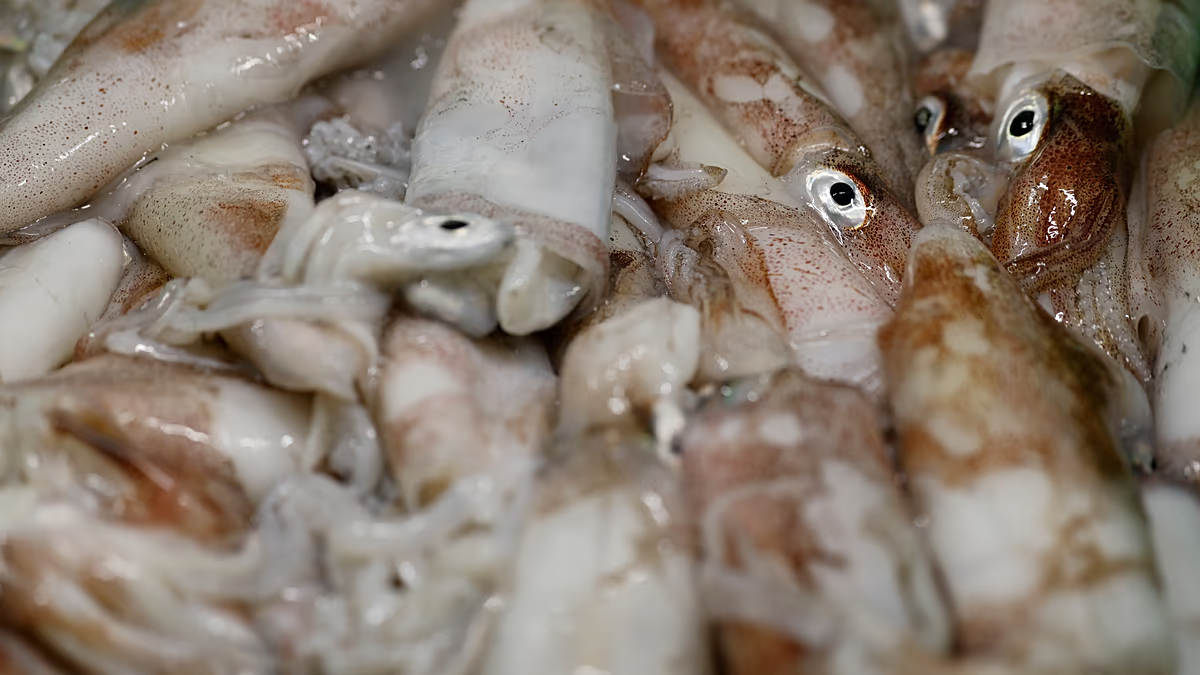
According to the institute, some squid are now reproducing in the North Sea and forming their own stocks there.
Species such as the short-finned squid Illex coindetii were still rare vagrants around 100 years ago. Today they live permanently in the North Sea and reproduce there.