Get the latest news and updates from Dawn
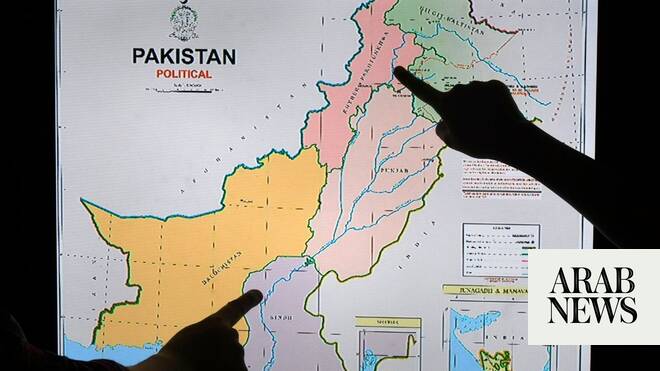
WHILE debating the question of carving out more ‘administrative units’ from Pakistan’s existing four provinces, we may find it relevant to study how India has reorganised its states (equivalent to our provinces) since independence. The example is pertinent because of the shared circumstances of the two countries created out of undivided India. They inherited the same interim constitution — the Government of India Act, 1935 — which each adapted to fit its own context.
Both countries chose a parliamentary form of government. Pakistan adopted a more explicit federal character, while India shied away from calling itself a federation. Instead, it opted to describe itself as a ‘union with some federal characteristics’. Probably, India’s more diluted form of federalism helped it carve an uncomplicated path for creating new provinces: a simple majority in parliament and a non-binding consultation with the concerned states. On the other hand, Pakistan’s 1973 Constitution made the creation of new provinces contingent upon the passage of a resolution in the concerned provincial assembly or assemblies by a two-thirds majority before the bill for new provinces could be tabled in parliament and passed in the two Houses by a two-thirds majority. This set the bar very high for altering the boundaries of the provinces as compared to India.